suspension parts replacement cost
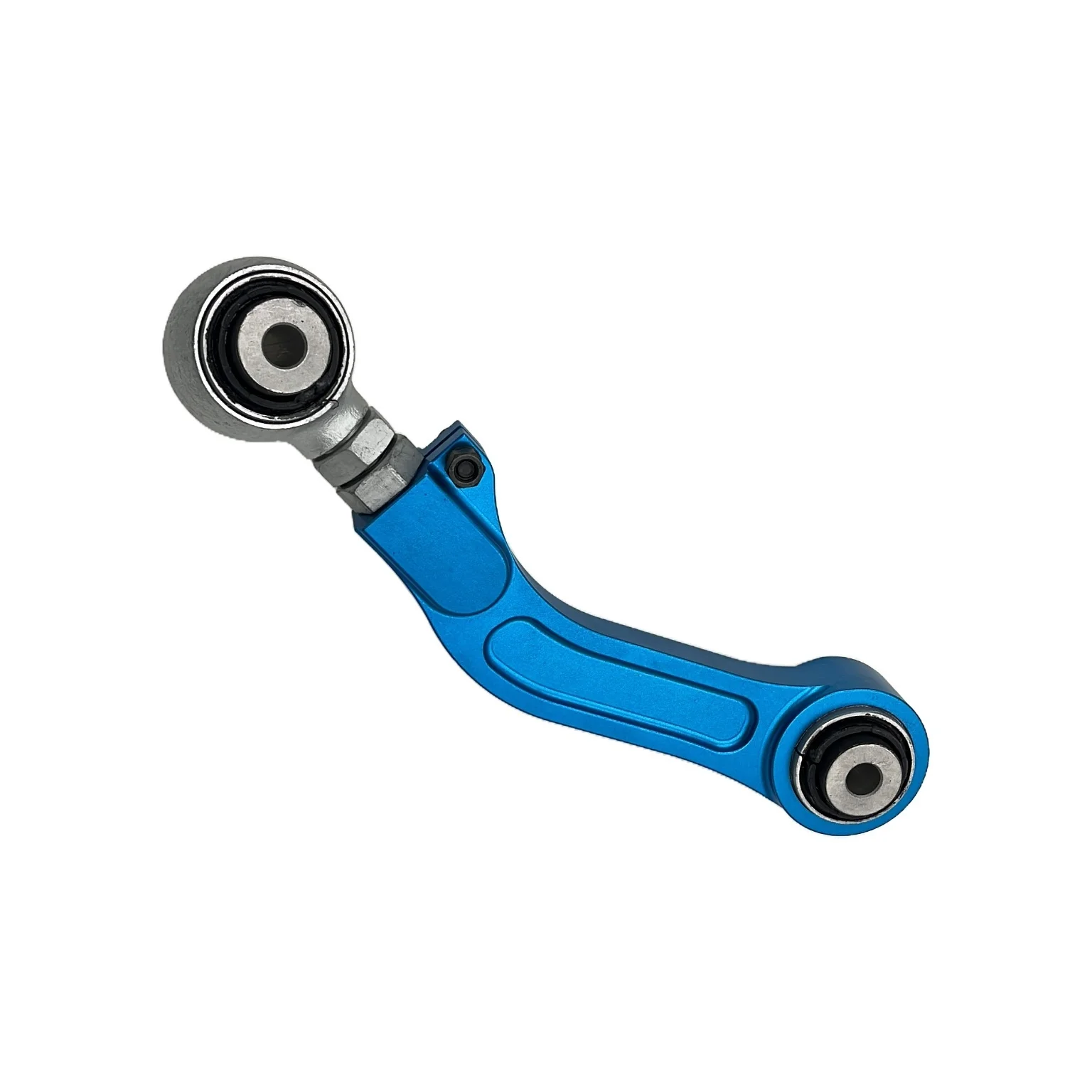
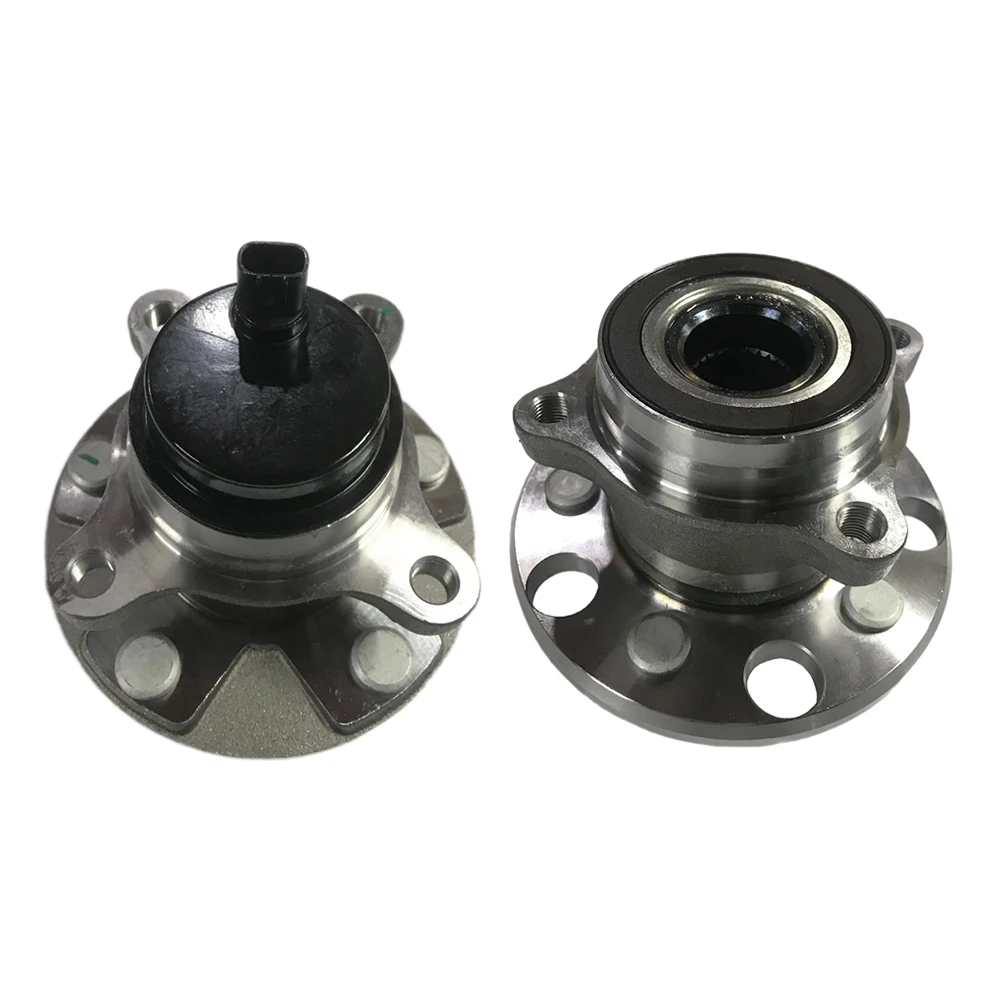
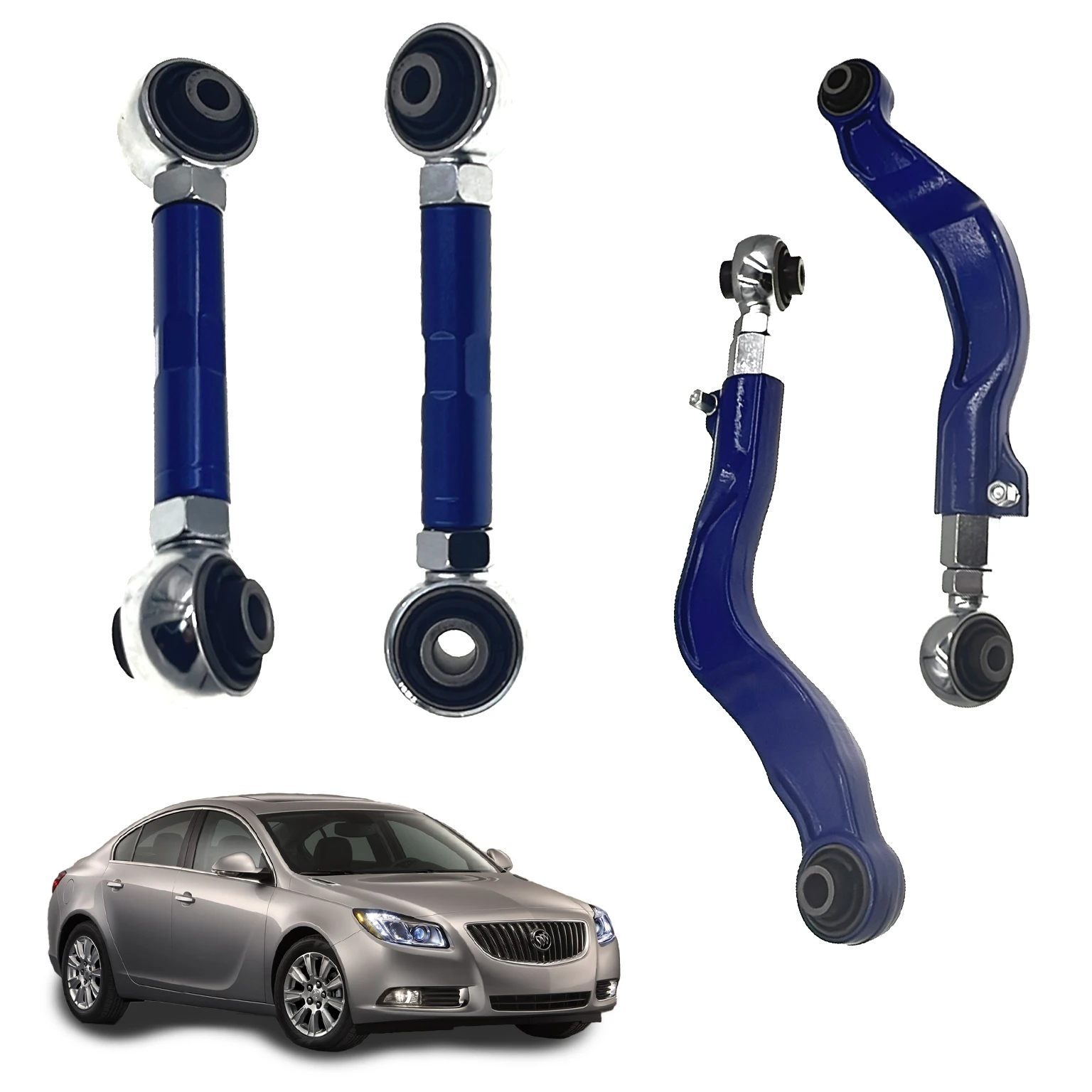
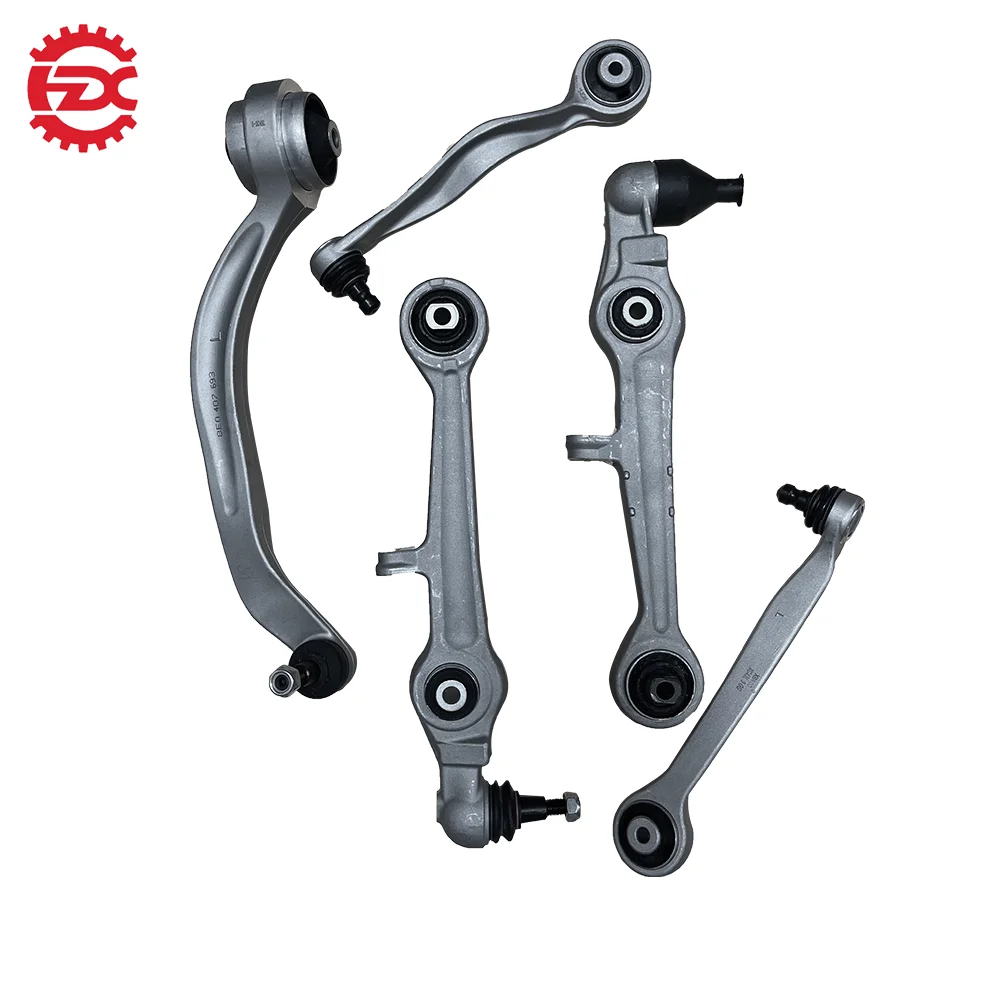
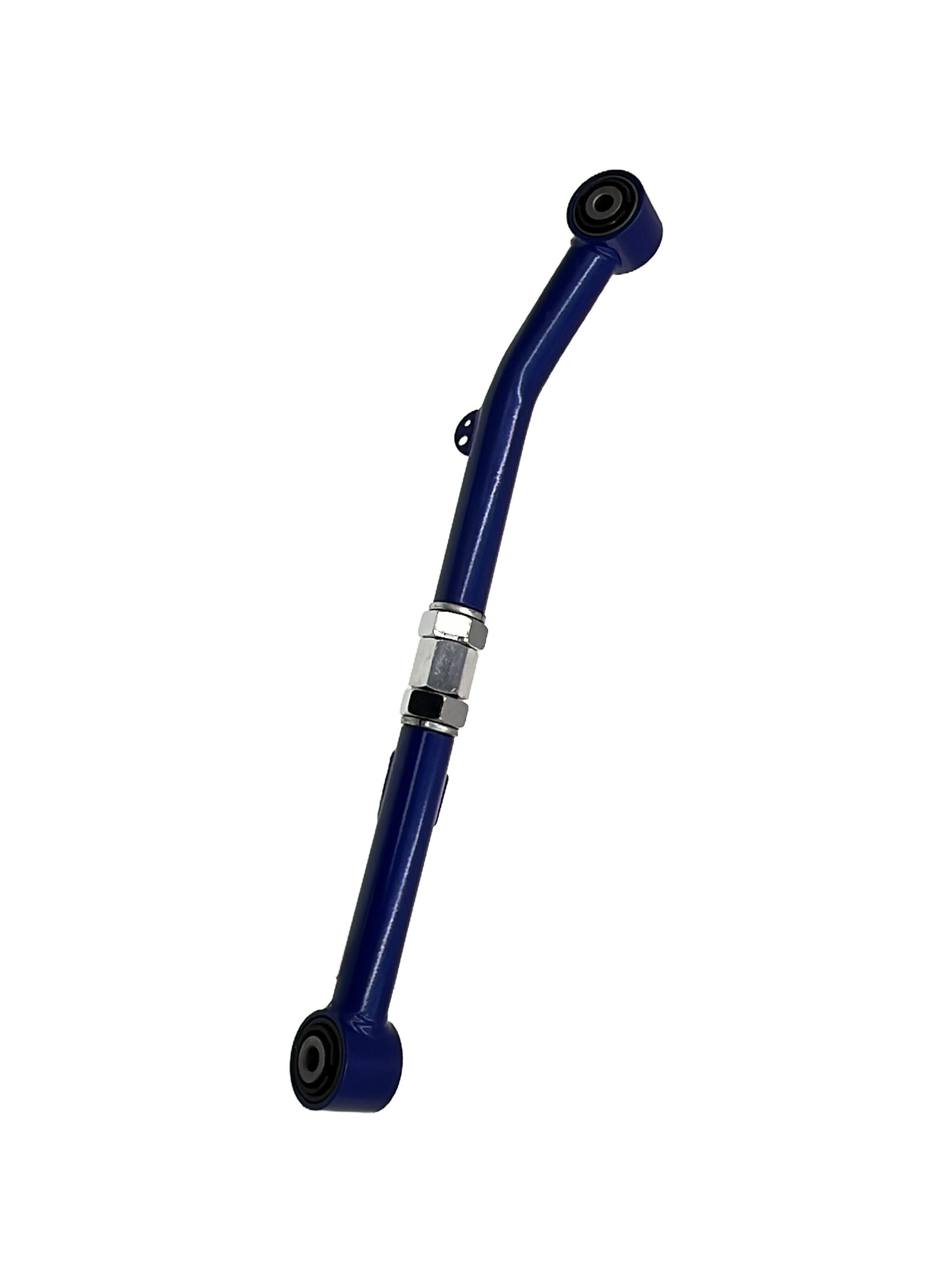
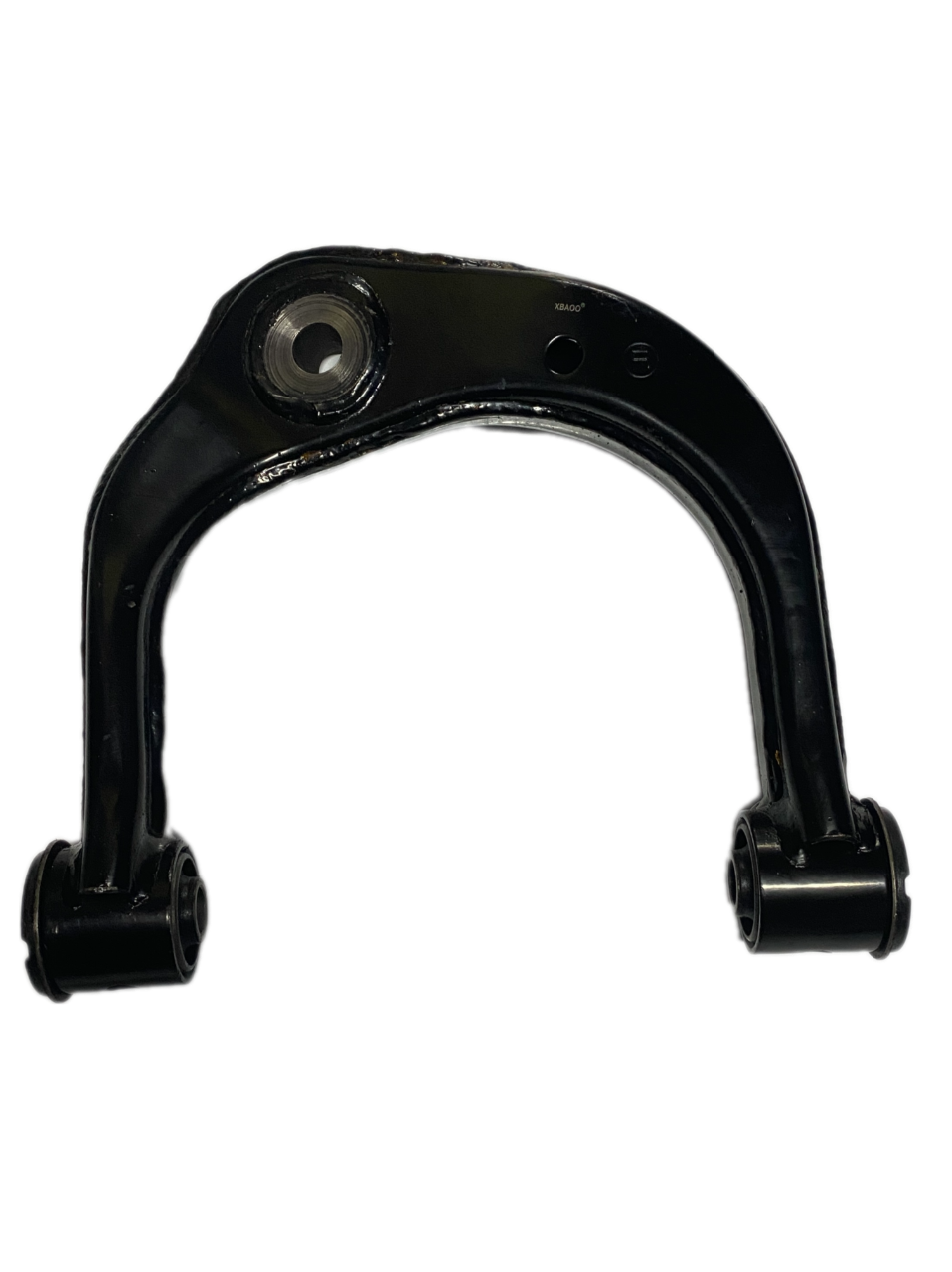
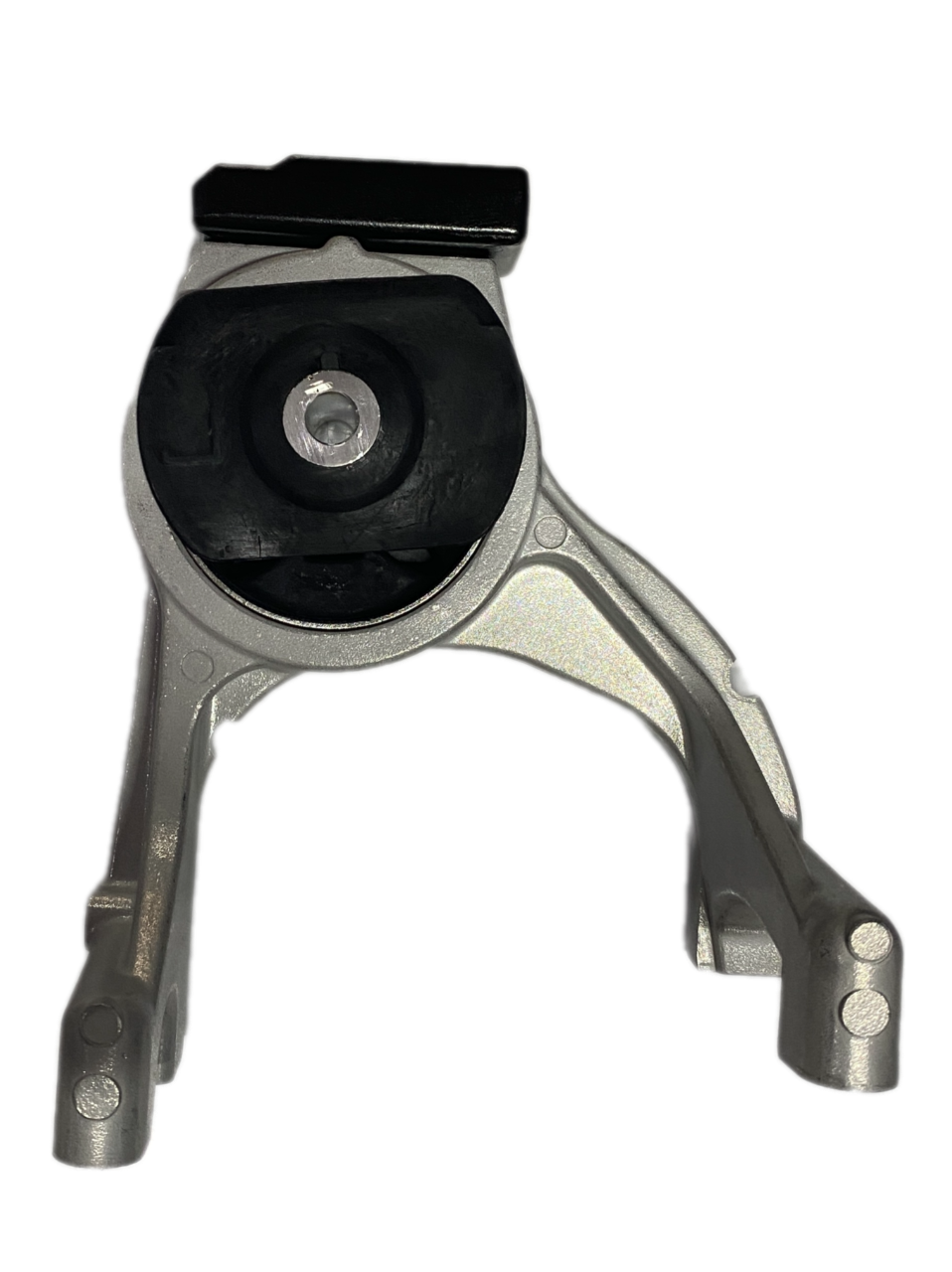
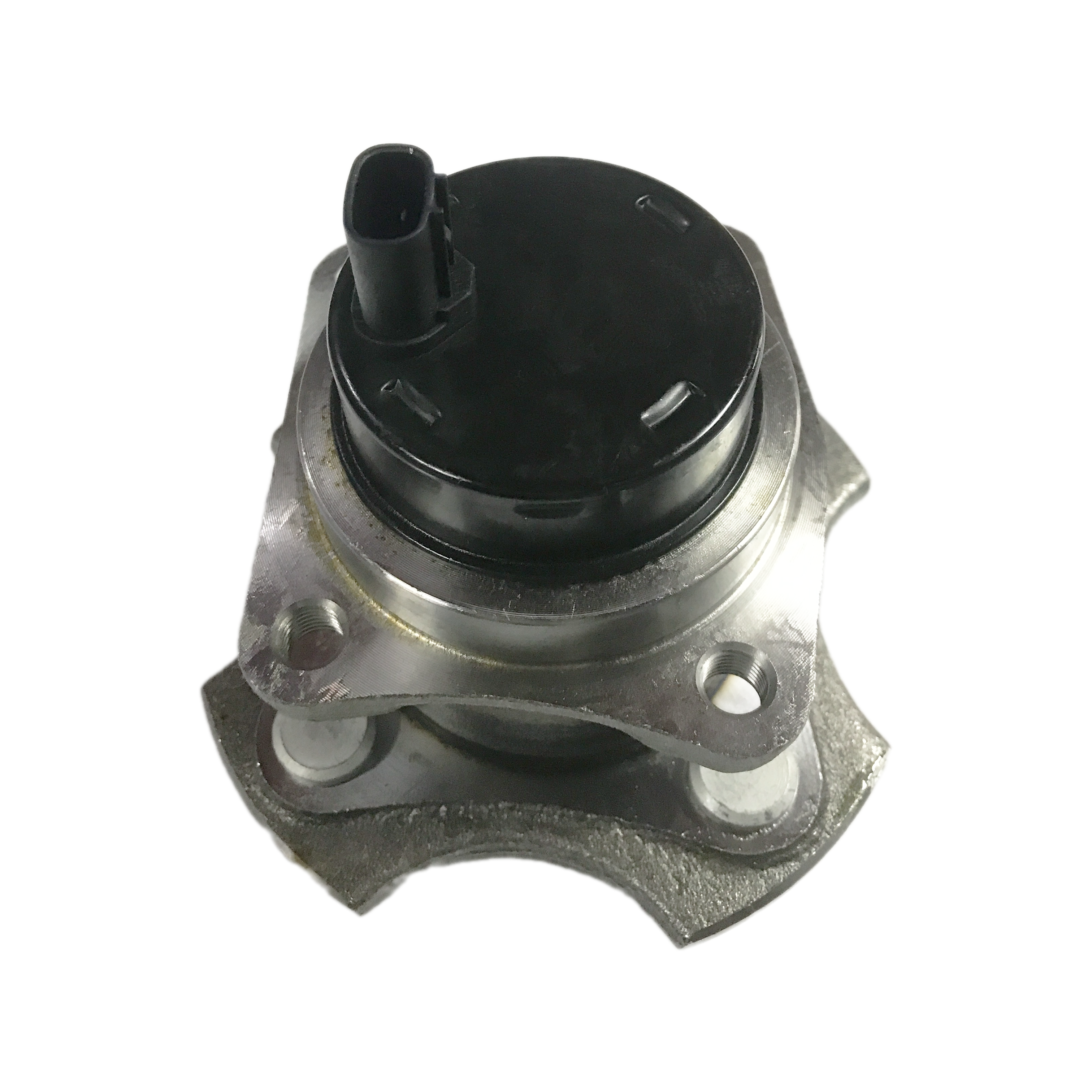
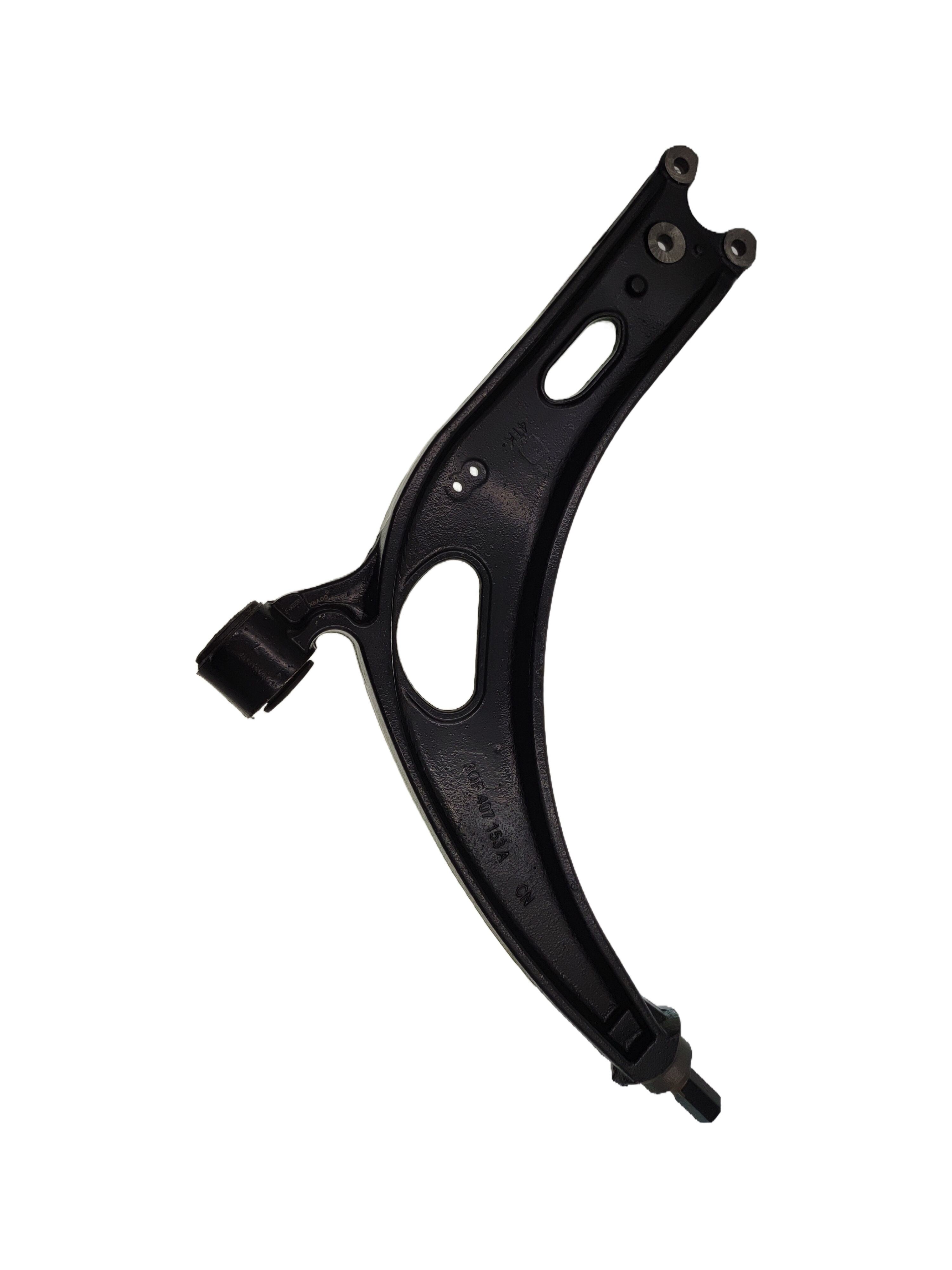
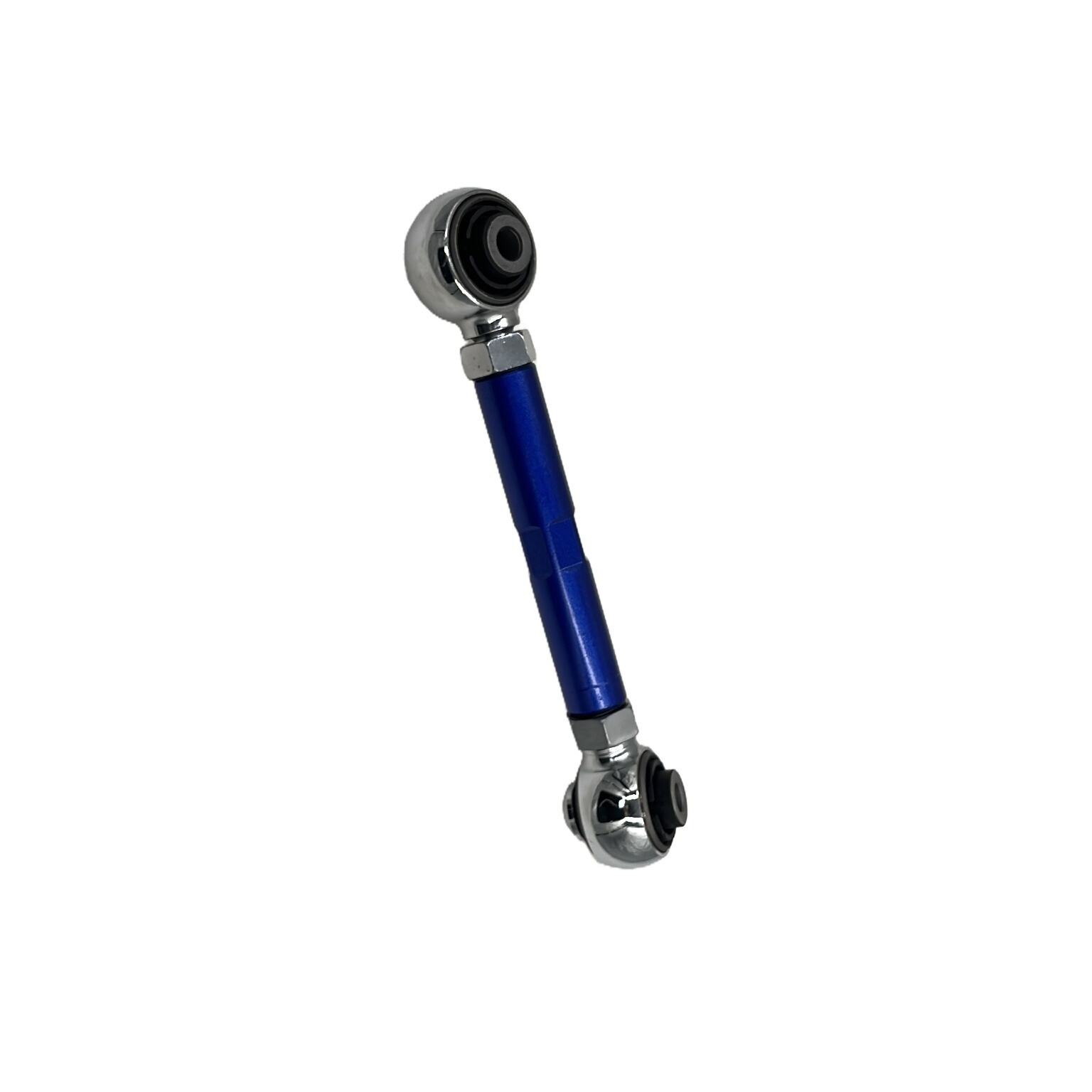
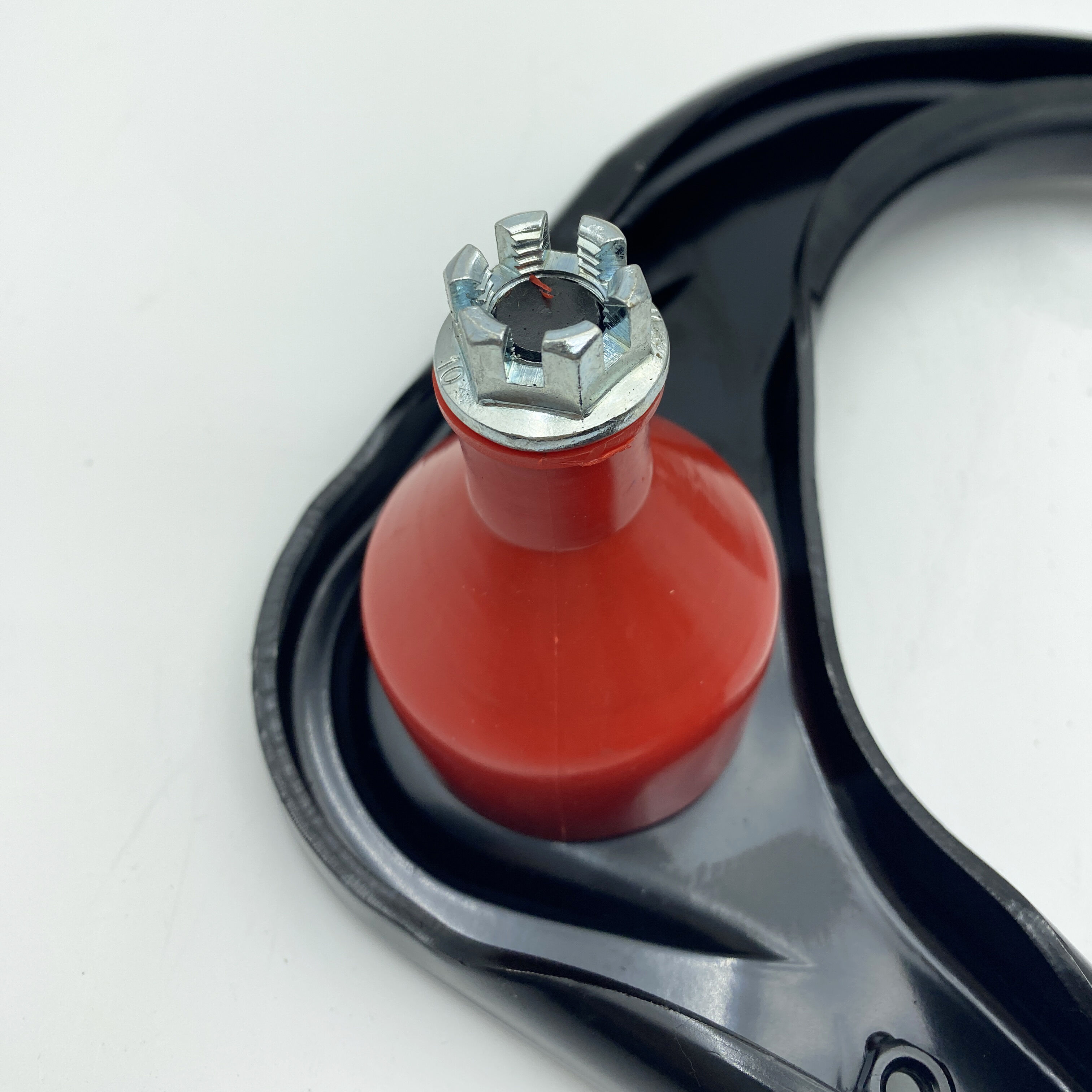
Understanding suspension parts replacement cost is essential for vehicle owners who want to maintain optimal driving performance and safety. Your vehicle's suspension system serves multiple critical functions that directly impact your driving experience and overall vehicle longevity. The primary function of suspension components includes absorbing road shocks, maintaining tire contact with the road surface, and providing stability during cornering and braking maneuvers. Modern suspension systems incorporate advanced technological features such as adaptive damping, electronic control modules, and precision-engineered bushings that work together to deliver superior ride quality. These sophisticated components utilize hydraulic fluid dynamics, spring rate calculations, and computerized sensors to automatically adjust to varying road conditions and driving styles. The suspension parts replacement cost varies significantly depending on your vehicle type, component quality, and labor requirements. Common suspension components requiring replacement include shock absorbers, struts, springs, control arms, ball joints, stabilizer bars, and mounting hardware. Each component plays a vital role in maintaining proper wheel alignment, reducing vibrations, and ensuring predictable vehicle handling characteristics. Technological advancements have introduced features like magnetic ride control, air suspension systems, and electronically controlled dampers that enhance comfort and performance. Applications for suspension parts span across passenger cars, trucks, SUVs, and commercial vehicles, with each application requiring specific engineering solutions. The suspension parts replacement cost analysis should consider factors such as component durability, performance improvements, and long-term maintenance requirements. Professional installation ensures proper torque specifications, alignment procedures, and system calibration. Regular suspension maintenance can prevent premature wear of related components like tires, steering components, and drivetrain elements, ultimately reducing overall ownership costs and improving vehicle safety performance.
 EN
EN