
 EN
EN
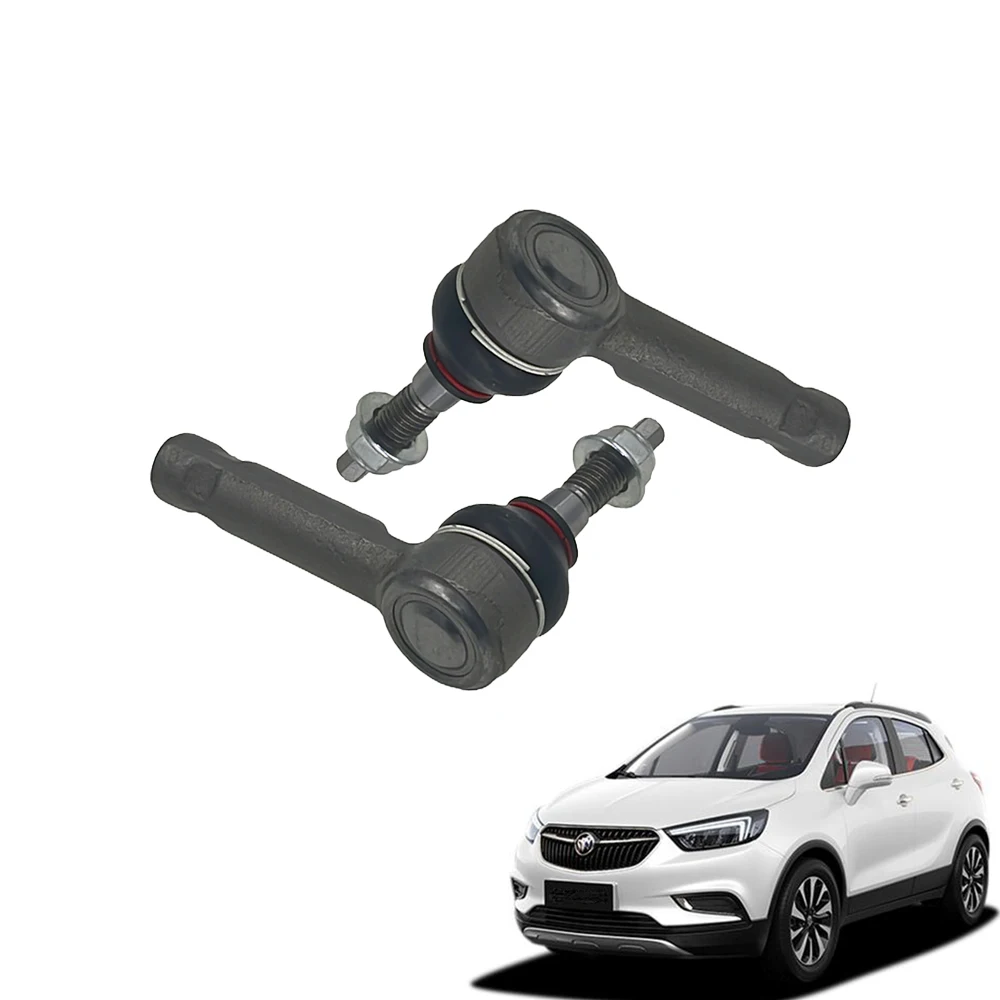
ניהול צי מסחרי דורש תשומת לב נמרצת לכל רכיב המשפיע על ביטחון הנהג, זמינות הפעולה של הרכבים ועלות התיקונים האורכיים. בין מערכות ההיגוי והתלייה, סיום מוט הקישור מהווה חיבור קריטי הממיר את פעולת הנהג לתנועה מדויקת של הגלגלים. כשרכיבים אלו נכשלים או מתדרדרים, השלכותיהם עוברות את תחום התיקון היחיד — הם יוצרים סיכונים קשורים זה בזה אשר משפיעים על ביטחון הנהג, על יישור הגלגלים, על משך חיים של הצמיגים ועל האמינות הכוללת של פעולות הצי. הבנת הסיבה שבגללה השקעה בסיום מוט קשיר טוב ביותר איננה רק העדפה בתחום התיקונים אלא דרישה אסטרטגית בתחום הפעולות, יכולה לשנות את הדרך שבה מנהלי הצי גורמים לקנייה, לתכנון תחזוקה מונעת ולניתוח עלות הבעלות הכוללת.
רכבים של צבאות פועלים בתנאים קשים שמאיצים את הבלאי של הרכיבים — נהיגה מתמדת של עצירה והפעלה מחדש בסביבות עירוניות, נסיעות ארוכות על כבישים מהירים, חשיפה לתנאי מזג אוויר קיצוניים, מלח לכבישים ותנאי עומס משתנים. מציאות התפעוליות הללו מטילות מתח יוצאי דופן על רכיבי היגוי, מה שהופך את האיכות של קצות המוטות המחברות (Tie Rod Ends) לגורם הכרע האם הרכבים שלכם ישארו מוכנים לנסיעה או ישמשו מקור של תקלות לא מתוכננות. ההבדל בין קצות מוטות מחברים איכותיים לקצה מוטות מחברים נמוך באיכות מתבטא בהרכב החומר, בדיוק הייצור, בייעול איטום המפרקים ובתנגדות לבלאי סביבתי. עבור מפעילי צבאות שמשלבים תקציבים צרים עם דרישות ביצועים, הבחירה בקצות מוטות מחברים משפיעה באופן ישיר על תחומי הבטיחות, על יעילות כוח העבודה בתחזוקה, על תדירות החלפת החלקים ועל המוניטין של שירותי התחבורה שלכם.
התפקיד הקריטי של קצות המוטות המחברות (Tie Rod Ends) בבטיחות ובביצועים של רכבים של צבאות
הבנת התפקוד המכני ואינטגרציה של מערכת היגוי
קצות מוטי ההיגוי פועלים כמפרקים מסתובבים שמחברים את רדקס ההיגוי או את המוט המרכזי למסגרות ההיגוי של כל אחד מהגלגלים הקדמיים. סידור מכני זה מאפשר לתלמי הרכבת להזדקר אנכית מעל אי-סדירויות בכביש, תוך כדי מתן אפשרות לתנועה אופקית של ההיגוי. בתוך כל קצה מוט היגוי נמצא מפרק כדורי-חיקי שמאפשר תנועה רב-כיוונית, כאשר הציר הכדורי מסתובב בתוך גוף המכיל שמן וחותמות מגנות. הדיוק של המפרק הזה קובע ישירות את תגובתיות ההיגוי, את חוסר הנעילה או הריכוזיות, ואת היכולת של הרכב לשמור על יישור גלגלים מדויק תחת עומסים דינמיים. כאשר קצות מוטי ההיגוי נבלעים מעבר לספיגות המקובלות, הסליטה שנוצרת מביאה להשתלטות לא יציבה של ההיגוי, לעיכוב בתגובה להנחיות, ולתכונות התנהגות לא צפויות שמחלישות את השליטה של הנהג.
לפעולות צבירה, שלמות קצות המוטות הקושרים עוברת את תחושת היגוי המיידית. רכיבים אלו מהווים חלק בלתי נפרד משימור זוויות יישור הגלגלים — ובמיוחד הגדרת ה-"טוא" (Toe) שמحدדת האם הגלגלים מכוונים קדימה, מעט פנימה או מעט החוצה. אפילו אי-יישור קל שנגרם עקב בלאי של קצות מוטות הקישור מאיץ את בלאי הצמיגים בתבניות אופייניות של 'חִשּׁוּף' (feathering) או 'קשקשים' (scalloping), ומביא להחלפת צמיגים מוקדמת שמרבה את עלויות התיקון בכל הצבירה. בנוסף, קצות מוטות קשירים פגומים מעבירים זעזועים ורעידות מהכביש באופן לא יעיל, ויוצרים עומס נוסף על רכיבים סמוכים כגון זרועות בקרה, צירים כדוריים (ball joints) ומסילות היגוי. האפקט המתרגל של בלאי קצות מוטות הקישור הופך מה שהיה יכול להיות החלפה מנענית אחת לתקלה מרובה של מספר רכיבים, שגורמת להוצאת כלי רכב משירות ולפגיעה בלוחות הזמנים הפעוליים.
מדוע איכות הרכיב משפיעה ישירות על זמן פעילות הצבירה ועל עלות הבעלות הכוללת
ההבדל באיכות בין קצות מוט היגוי יוקרתיים לקצות מוט היגוי כלכלי מתגלה דרך מספר גורמי ביצוע מדידים. קצות מוט היגוי יוקרתיים משמשים יציקות פלדה סגסוגת בעלת חוזק גבוה במקום יציקות, מה שנותן עמידות רבה יותר לעומסים של מכה ולחצים של התעייפות. משטחי המפרק הכדור-בשקע עובדים בעיבוד מדויק ובעיבוד חום כדי למזער את אזורים המגע, ובכך מקטינים את קצב ההתבלות ומאריכים את תקופת השירות. העיצוב היוקרתי כולל אטמים רב-שפתניים או כיסויי צינור מסוג בלוז (bellows) המיוצרים מחומרים סינתטיים מתקדמים שמתנגדים לבקיעות, קריעות ולפירוק כימי על ידי זיהומים מהכביש. פרטים הנדסיים אלו מתורגמים ישירות לתוספת של תקופות החלפה ארוכות יותר, הפחתת תקלות בדרכים, ופיחות באירועי תיקון דחופים שמעכבים את לוחות הזמנים של הרכבים וגורמים לעלות גבוהה יותר על עבודת תיקון דחופה.
מנהלי רכבים שמציבים בראש מעיינותיהם את האיכות הטובה ביותר קצוות מוט חיבור להשיג יתרונות כלכליים מדידים באמצעות אורך חיים מוארך של רכיבים ופחת נזקים צדדיים. כאשר קצות המוטות הקושרים שומרים על צמיגות השרשור הנכונה ועל שלמות החסימה לאורך פרקי שירות מוארכים, כלי הרכב שומרים על הגדרות האיזון כפי שנקבעו במעבדת הייצור לתקופה ארוכה יותר, מה שמפחית את תדירות החלפת הצמיגים. מניעת תנודות במערכת ההגה מבטלת את הבלאי המואץ של מסילות ההגה והקופסאות השוליות שמתפתח כאשר קצות המוטות הקושרים רופפים, מה שמאפשר תנועה מוגזמת ומעבר זעזועים. בנוסף, גאומטריית ההגה העקבית מפחיתה את עייפות הנהג ומשפרת את היכולת לחזות את התנהגות הרכב, מה שתרום לפעולת נהיגה בטוחה יותר ועשוי להוביל להורדות תעריפיות נמוכות יותר בביטוח. העלות ההתחלתית הגבוהה יותר עבור קצות מוטות קשירת איכות גבוהה מייצגת בדרך כלל שבריר קטן בלבד מהחיסכון הכולל שנובע מפחת תדירות התיקונים, פחת צריכת חלפים ושיפור זמינות כלי הרכב לאורך מחזור החיים של הפליטה.
הנדסת חומרים ודقة ייצור מאחוריה קצות מוטות קשירה מתקדמים
דרישות תכונות מטאלורגיות ותאימות מבנית
ההבדל היסודי בין קצות מוטי היגוי באיכות גבוהה לבין חלופות נחות מתחיל במיקור החומר ובתהליכי הייצור. קצות מוטי היגוי איכותיים מיוצרים מפלדה מצרף מועשרת שעובדה בתהליכי חימום ודחיסה מבוקרים, אשר מאפיינים את מבנה הגרגר של המתכת כדי לשפר את חוזק הנשיאה ואת התנגדות ההלם. תהליך היצירה הזה יוצר רכיב המסוגל לסבול את המטענים המחזוריים שמופעלים במהלך פעולות ההיגוי, וכן את מטעני ההלם הפתאומיים שמופיעים בעת מעבר על גומות, מדרכות או שאריות. לעומת זאת, קצות מוטי היגוי באיכות נמוכה יותר משתמשים לעיתים קרובות בתהליכי יציקה שמשאירים פגמים פנימיים, צפיפות לא אחידה ומבני גרגר חלשים שנטויים ליצירת סדקים עקב עייפות תחת מתח פעולתי. האינטגריות המטאלורגית של קצות מוטי היגוי קובעת האם הם מסוגלים להחזיק בעומסים רב-כיווניים המופיעים בשירות צבאי (Fleet Service) ללא היווצרות סדקים מתחיים או כשלים קטסטרופליים.
מעבר לחומר המבני העיקרי, רכיבי הכדור והקופסה דורשים טיפול תרמי מיוחד כדי להשיג רמות קשיחות שטחיות שמתנגדות לבלאי, תוך שמירה על עמידות ליבה כדי לספוג מכות. יצרנים מובילים משתמשים בטכניקות של קשיחות אינדוקציה או קשיחות מעטפת שיוצרות שכבת שטח קשיחה ועמידה לבלאי, תוך שימור ליבה עמידה ומעורפלת יותר שמניעה שבר פריך. העיבוד המדויק של מבנה החיבור בין הכדור לקופסה קובע את סיבתיות ההתאמה הראשונית ואת היכולת של הרכיב לשמור על תפקוד תקין ללא היווצרות ריכוז יתר. יצרנים שמשקיעים במרכזים לעיבוד ב-CNC ובתהליכי בקרת איכות מחמירים מייצרים קצות מוטות חיבור עם דיוק ממדי עקבי, מה שמבטיח התאמה תקינה, חיים שירות ארוכים, וביצועים אמינים באלפי יחידות המותקנות ביישומים מגוונים של צבאות רכבים.
טכנולוגיית החסימה והגנה מפני דегרדציה סביבתית
האורך המוערך של קצות מוטי הקישור תלוי באופן קריטי ביעילות החותמות הواقיות שמשמרות את השמנים בתוך המפרק הכדורי-תוף, תוך מניעת חדירת לחות, מלח דרכים, אבק ומזיקים כימיים. קצות מוטי קישור איכותיים כוללים כיסויים מהודרים המיוצרים מטיפוסי גומי סינטטי מיוחדים שפותחו כדי לספק עמידות בפני פגיעה באוזון, טמפרטורות קיצוניות וחשיפה כימית למוצרים פטראליים ולסוכני התכה. עיצובי החותמות המתקדמים הללו נוטים לכלול בנייה מחוזקת עם שפתיים חותמות מרובות או קמטים בסגנון אקורדיון שמאפשרים תנועת מפרקים של מערכת התלוי ללא פגיעה בשלמות החתימה. שיטת התחברות הכיסוי — בין אם על ידי צילוץ, הדבקה או תחזוקה מכנית — חייבת לשמור על מיקום בטוח לאורך כל תקופת השירות של הרכיב כדי למנוע התנתקות וחדירת זיהומים.
רכבים של צבאות רכבים שפועלים באזורים עם חורפים קשים נפגעים מהר יותר מהתדרדרות של סופי מוט היגוי כאשר מלח דרכים חודר דרך אטמים פגומים ופוגע בשמן השמנים ובמשטחים המетאליים הפנימיים. ברגע שרטיבת וזיהומים חודרים דרך הכיסוי הגנתי, המפרק הכדור-קערה נפגע מקורוזיה מהירה וזיהום של שמן השמנים, מה שמגביר את ההתבלות באופן אקספוננציאלי. סופי מוט היגוי איכותיים מתמודדים עם חולשה זו באמצעות חומרי אטימה מתקדמים, תחבורת מאובטחת יותר, ולפעמים גם עיצוב שניתן לשבח, המאפשר מילוי מחודש של שמן שמן באופן מחזורי כדי להוציא זיהומים ולשחזר את ההגנה. עבור מפעילי צבאות רכבים באקלימים קשים, ההשקעה בסופי מוט היגוי בעלי ביצועי אטימה מוכחים קשורה ישירות באורכים ארוכים יותר של פרקי הזמן בין החלפות, ובאחוזי כשל נמוכים יותר במהלך תקופות החורף הקריטיות, שבהן זמינות הרכבים היא קריטית והתקנות דחופות יקרות ביותר ומפריעות ביותר.
הנימוק העסקי לסופי מוט היגוי איכותיים בניהול צבאות רכבים
הערכת השלכות עלות ישירות ועקיפות
ניתוח הכספים של צי רכב חייב להתחשב בעלויות מחזור החיים המלאות הקשורות לקצות מוטות הקישור, מעבר למחיר הקנייה הראשוני, וכולל את עלות העבודה, את זמן העצירה, את הנזק לרכיבים נלווים ואת הפרעות בתפעול. כאשר קצות מוטות קישור זולים נכשלים מוקדם מדי, אירוע ההחלפה כולל לא רק את עלות הרכיב החדש אלא גם את עלות עבודת האבחון לזיהוי הכשל, את עלות הסרת והתקנת הרכיב, את עלות שירותי האיזון, ואולי גם את עלות המשלוח המואץ של החלקים אם אין מלאי זמין. אם הכשל מתרחש במהלך שירות בדרכי התחנה ולא במהלך תחזוקה מונעת, עלויות נוספות נצטברות בשל גרירה, תוספת תשלום לשירות חירום, הפרעות בלוחות הזמנים, השפעות על שירות הלקוחות, ועלות האפשריות של אי-זמינות הרכב. סיכום גורמים אלו עבור צי רכב הכולל עשרות או מאות רכבים חושף כי החסכונות הנראים לעין מהקניה של קצות מוטות קישור זולים מתפוגגים כאשר שיעורי הכשל עולים ומספר אירועים של תחזוקה כוללים גדל.
קצות מוטי היגוי פרימיום מספקים תשואה מדידה על ההשקעה באמצעות תקופות שירות ממושכות שמביאות לירידה בתדירות אירועים של תחזוקה. כאשר רכיבים איכותיים מגיעים באופן אמינה לתקופות החלפה שנקבעו על ידי היצרן או חורגים מהן, לוחות הזמנים של תחזוקת הרכבים הופכים צפויים יותר, מה שמאפשר לבצע עבודות תחזוקה בקבוצות בצורה יעילה ולשדרג אותן עם משימות אחרות של תחזוקה מונעת. שילוב זה מפחית את אי-היעילות בתהליך העבודה הנובעת מתיקונים של רכיב בודד ומחזיר למינימום את מספר הפעמים שבהן רכבים מוסרים משירות הכנסתי. בנוסף, קצות מוטי היגוי איכותיים שמשמרים לאורך זמן את גאומטריית ההיגוי הנכונה מגנים על רכיבים סמוכים מפני wearing מואץ, ומונעים כשלים משניים יקרים של רכבות היגוי, צירים כדוריים ו זרוע שליטה שעיות. שימור המיזון הנכון מאריך באופן משמעותי את תקופת השירות של הצמיגים, ומכיוון שחליפת הצמיגים מהווה אחת קטגוריות הוצאות התיקון הגדולות ביותר לציידים מסחריים, יתרון זה בלבד יכול להצדיק את ההשקעה בסוף חיבור עליון איכותי יותר.
הקטנת הסיכונים ושיפור ביצועי הבטיחות
ההשלכות על הבטיחות של איכות קצות המוטות הקשורים מתפשטים מעבר לביצועי רכב בודד וכוללות ניהול סיכונים ברמה של כל הרכבים (Fleet) והתקשרות עם דרישות רגולטוריות. תקלות במערכת ההיגוי שגרמו להידרדרות של קצות המוטות הקשורים עלולות לגרום לאיבוד שליטה ברכב, מה שעלול לגרום לתאונות שיובילו לתביעות אחריות, עלייה בפרמיות ביטוח, בדיקות רגולטוריות נרחבות ונזקים ל'image הארגוני. מפעילי הרכבים נושאים באחריות משפטית ואתית לשמור על הרכבים בתנאי בטיחות, ושימוש ברכיבים נחותים שמעלים את הסבירות לתקלות מציג את הארגונים לסיכונים שניתן להימנע מהם. קצות מוטות קשורים איכותיים, שתוכחה עמידותם ואמינותם, מפחיתים את הסבירות הסטטיסטית לתאונות הקשורות להיגוי, ותומכים בתפעול בטוח יותר ושמירת הרישום הארגוני בתחום הבטיחות.
הבטחון של הנהג והביצועים שלו מושפעים באופן עדין אך משמעותי מדקיקות ותגובתיות מערכת ההיגוי. כאשר קצות המוטות החוזקים שומרים על סיבובים צמודים ללא רעידה או ריכוך, הנהגים חשים בהיגוי עקבי ובתגובה צפויה של הרכבת, מה שמאפשר תמרונים בטוחים יותר בתנועה, פעולות חניה מדויקות יותר ופחת במאמץ הפיזי במהלך נסיעות ממושכות. חווית הנהג המשופרת הזו תורמת לירידה ברמות העייפות, לשיפור שביעות הרצון מעבודה ולשיפור אפשרי באחוזי השמירה על נהגים — גורמים שמשפיעים באופן עקיף על יעילות הפעלה של הרכבים. להיפך, רכבים עם קצות מוטות חוזקים משופעים שגורמים לחוסר חדות בהיגוי או שדורשים תיקון מתמיד יוצרים תחושת אי-נחת אצל הנהג, מגדילים את המתח הפיזי ועשויים לתרום לעיכוב בזמן התגובה במצבים חירום. الاستثمار באיכות גבוהה של קצות מוטות חוזקים תומך לפיכך הן באמינות המכנית והן בגורמים האנושיים שקובעים יחדיו את הבטיחות של הרכבים.
אינטגרציה אסטרטגית של רכש ותחזוקה לביצוע מיטבי של הרכבים
הגדרת مواصفות רכיבים וביקורת קריטריונים למתן אישור לספקים
ניהול פלטפורמה אפקטיבי דורש קביעת مواפיינים ברורים לרכישת קצות מוטות היגוי שמעדיפים מאפייני ביצוע על עלות רכישה נמוכות ביותר. المواפיינים הללו צריכים להגדיר את תקני החומר המינימליים, דרישות איכות הייצור, תנאי אחריות וקריטריונים לאימות ביצועים שהספקים חייבים לעמוד בהם. מנהלי פלטפורמה צריכים לשים דגש על קצות מוטות היגוי שמקיימים או עולים על תקני יצרן הציוד המקורי (OEM), עם אישורי חומר מתועדים, סיבובים ממדיים ותהליכי בקרת איכות. שיתוף פעולה עם ספקים שמספקים תמיכה טכנית, הנחיות להתקנה וסיוע בניתוח כשלים מוסיף ערך מעבר לקומפוננטה עצמה, ומאפשר שיפור מתמיד בתהליכי התיקון והחלטות מושכלות בעת הערכת מוצרים חלופיים או טיפול בבעיות חוזרות.
תהליך האישור של ספקים לסיומות מוט היגוי אמור לכלול הערכת יכולות ייצור, מערכות ניהול איכות ורשימת ההישגים ביישומים של רכב מסחרי. ספקים בעלי אישור ISO, פרוטוקולי בדיקה חזקים ויחסים קיימים עם מפעילי צוותים מפגינים מחויבות לאיכות עקבייה לתמיכה הלקוחות. מנהלי צוותים נהנים מהקמת שותפויות ארוכות טווח עם ספקים מאושרים המבינים את דרישות הצוות הספציפיות, תנאי הפעלה והציפיות לביצוע. יחסים אלו מקלים על תקשורת פרואקטיבית בנוגע לשיפורים במוצר, הודעות טכניות והמלצות ייחודיות ליישום, אשר מעדנות את בחירת הרכיבים לסוגי רכב מגוונים ולמחזורי עבודה שונים בתוך הצוות. הגישה האסטרטגית לקניית סיומות מוט היגוי ממירה את פעולת הקנייה מפעילות טרנזקציונית לשותפות יוצרת ערך התומכת במטרות האמינות של הצוות.
הטמעת תחזוקת קצה המוט המחבר בתוכניות שירות מונע
למקסם את הערך של קצות מוט מחבר איכותיים דרושה הטמעתם של בדיקותיהם והחלפתם בתוכניות תחזוקה מונעת מקיפות שזוהות התדרדרות לפני התרחשות כשלים. טכנאים חייבים לעבור הדרכה לזיהוי סימני אזהרה מוקדמים לבלאי של קצה מוט מחבר, כולל נזק לקופסת הגומי (בוט), ריכוזיות מוגברת במפרק, רעידה או חוסר יציבות בכיוון ההיגוי, ודפוסי בלאי חריגים בצמיגים. פרוטוקולי בדיקה שיטתיים במרווחי שירות מוגדרים מאפשרים זיהוי מוקדם החלפה מתוכננת במהלך תחזוקה מתוכננת, ולא תיקונים ריאקטיביים לאחר כשלים בכביש. מערכות תיעוד חייבות לעקוב אחר היסטוריית ההחלפות של קצות מוט מחבר, ולהשוות את משך החיים של הרכיבים לדפוסי השימוש ברכב, לסביבות הפעלה ולמותגים מסוימים של המוצר, כדי לתמוך בשיפור מתמיד של החלטות הקנייה ואופטימיזציה של מרווחי התחזוקה.
תוכניות תחזוקה מתקדמות לציים כוללות טכנולוגיות תחזוקה חיזויית שמשפרות את תכנון התחזוקה של קצות המוטות המניעים. אבחנות מערכת ההיגוי, מדידות יישור ובדיקות שיטתיות של רכיבים מייצרים נתונים שגולמים מגמות של דעיכה ומאפשרים אסטרטגיות החלפה מבוססות מצב. במקום להסתמך רק על פרקי זמן או קילומטרים, גישות מבוססות נתונים אלו מחליפות קצות מוטות המניעים בהתאם להערכה מציאותית של מצבם, מה שמקסם את ניצול הרכיבים תוך שמירה על שולי בטיחות. שילוב של קצות מוטות מניעים איכותיים עם פרקטיקות תחזוקה אינטליגנטיות יוצר יתרונות סינרגטיים — רכיבים עליונים מאריכים את פרקי התוכנית של התחזוקה, בעוד שביצוע בדיקות והחלפות פרואקטיביות מונעים נזקים משניים ופרעות בתפעול הנובעים מתקלות ברכיבים. הגישה המשולבת זו לניהול קצות מוטות המניעים מהווה דוגמה לפילוסופיית תחזוקת הציים המקצועית שמעדיפה את עלות הבעלות הכוללת, הבטיחות והאמינות התפעולית על פני מינימיזציה של עלויות קצרות טווח.
שאלה נפוצה
באילו תקופות יש להחליף את קצות המוטות המחברים ברכבים מסחריים של צי?
תוחנות ההחלפה של קצות המוטות הקשורים משתנות במידה רבה בהתאם לסוג הרכב, לתנאי הפעלה ולאיכות הרכיבים, אך ברוב רכבי הפליטות המסחריות יש לבדוק רכיבים אלו כל 48,000–80,000 ק״מ (30,000–50,000 מייל), והחלפתם תתרחש בדרך כלל בטווח של 129,000–193,000 ק״מ (80,000–120,000 מייל) כאשר משתמשים ברכיבים איכותיים. רכבים העובדים בתנאים קשים – כגון נהיגה עירונית מרובה עם עצירות והפעלות חוזרות, חשיפה למלח דרכים או נסיעה על כבישים שאינם מטופלים כראוי – עשויים להצריך החלפות תכופות יותר. קצות מוטות קשורים איכותיים לרוב חורגים מתוחנות ההחלפה הסטנדרטיות כאשר הם מטופלים כראוי, בעוד שרכיבים זולים עלולים להיכשל מוקדם מדי. מנהלי פליטות צריכים לקבוע פרוטוקולי בדיקה העורכים את מצב קצות המוטות הקשורים על סמך בדיקה פיזית, רעידה במערכת ההיגוי ויציבות האליניאציה, ולא רק על סמך תוחנות קילומטרז׳, מה שמאפשר החלפת רכיבים בהתבסס על מצבם הממשי, ובכך מאופטם את השימוש בהם תוך שמירה על תקני הבטיחות.
אילו סימנים מוקדמים מצביעים על צורך להחליפם של קצות המוטות המחברים?
מספר תסמינים נצפים מצביעים על בלאי של קצה מוט החיבור הדורש טיפול מיידי. נהגים עשויים לדווח על רפיון בהיגוי, חוסר יציבות או משחק יתר הדורשים תיקון מתמיד כדי לשמור על מעקב בקו ישר. דפוסי שחיקה חריגים בצמיגים, כולל התכה בקצוות הדריכה הפנימיים או החיצוניים, מצביעים על שינויי יישור הנגרמים מקצוות מוט החיבור שחוקים. במהלך בדיקה פיזית, טכנאים יכולים לזהות תנועה אנכית או אופקית בעת מניפולציה של הגלגל כאשר הרכב מורם, או לצפות במגפי מגן פגומים, סדוקים או נפרדים החושפים את... כדור ג'וינט . צלצולים או צלילים דופקיים בעת סיבוב או מעבר על בורות עלולים לרמז על בלאי מופרז במפרק. כל אחד מתסמינים אלו מחייב בדיקה מיידית והחלפה ככל הנראה, מאחר שהמשך הפעלה עם קצות מוטות מחברים קשים מאוד פוגעת בשליטה בהגה ומזרזת את הבלאי של רכיבי ההגה והתעודה הסמוכים.
האם ניתן לערבב רמות איכות שונות של קצות מוטי הפנייה באותו כלי רכב?
למרות שמתכנologically אפשרי להתקין קצות מוטות חיבור באיכות שונה על אותו כלי רכב, נהוג לא לאמץ שיטה זו בפעולות צבירה. שילוב של רכיבים באיכות שונה גורם לקצב סחיפה לא סימטרי, שעלול ליצור אי-יציבות בהגדרת המיקום (אליגנמנט) כאשר צד אחד מתבלה מהר יותר מהצד השני. אי-הסימטריה הזו עלולה לגרום למשיכה במדף הנהג, לבליית צמיגים לא אחידה ולמאפייני התנהלות לא צפויים. הנהלים הטובים ביותר קובעים להחליף קצות מוטות חיבור בזוגות – גם את הצד השמאלי וגם הימני בו זמנית – תוך שימוש ברכיבים בעלי مواصفות ואיכות זהות. גישה זו מבטיחה גאומטריית מדף מאוזנת, אורך חיים אחיד של הרכיבים וניהול פשוט יותר של תיעוד התיקונים. עבור כלי רכב בצבירה, החיסכון הקטן בעלויות מחלפת רק את הצד התקול או שילוב רכיבים באיכות שונה מושפע לרעה על ידי היתרונות הפעוליים של ביצוע מאוזן, ניהול מלאי פשוט יותר ומרווחי החלפה צפויים שמנוספים באמצעות בחירת רכיבים עקביים בכל הצבירה.
האם קצות מוטי הלחיצה המתקדמים דורשים הליכי התקנה מיוחדים או כלים מיוחדים?
קצות מוטי התחנה באיכות גבוהה בדרך כלל אינם דורשים הליכי התקנה מיוחדים מעבר לנהלים הסטנדרטיים של שירות רכב, אך ההתקנה הנכונה היא קריטית כדי להשיג את הפוטנציאל המלא של ביצועיהם. הליכים חיוניים כוללים שימוש בכלים מתאימים להסרה כדי למנוע נזק למסגרות הפנייה ולחוטים, איזון המעצמות לפי مواصفות היצרן, התקנת סיכות חיבור או מנגנוני נעילה חלופיים כראוי, וביצוע יישור גלגלים מיד לאחר ההתקנה. חלק מקצות מוטי התחנה המתקדמים כוללים עיצוב שניתן לשמר בו שמן, ודורש שימון ראשוני בעת ההתקנה ושירות מחזורי לאחר מכן. פעולות תחזוקת צוותים צריכות להבטיח שטכנאים יבצעו את הליכי ההתקנה הנכונים, כולל ניקוי משטחי ההתקנה, בדיקת רכיבי החיבור לנחיתות, ואימות מושב ותפקוד תקין של הכיסוי הגומי. למרות שמקצות מוטי התחנה המתקדמים נועדו בדרך כלל להתקנה פשוטה באמצעות ציוד סטנדרטי של המוסך, השקעה בהליכי התקנה איכותיים מגינה על ההשקעה ברכיבים ומבטיחה ביצועים אופטימליים לאורך כל זמן השירות.