adjustable suspension control arms
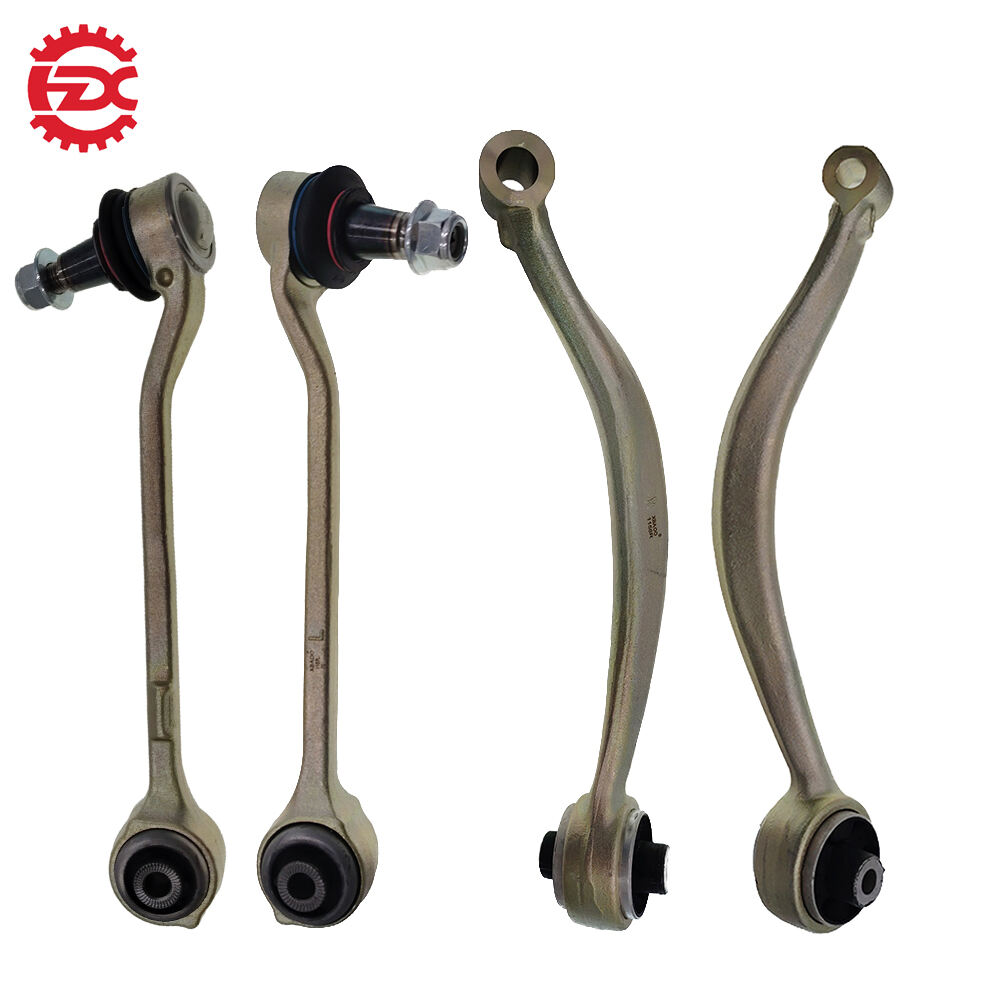
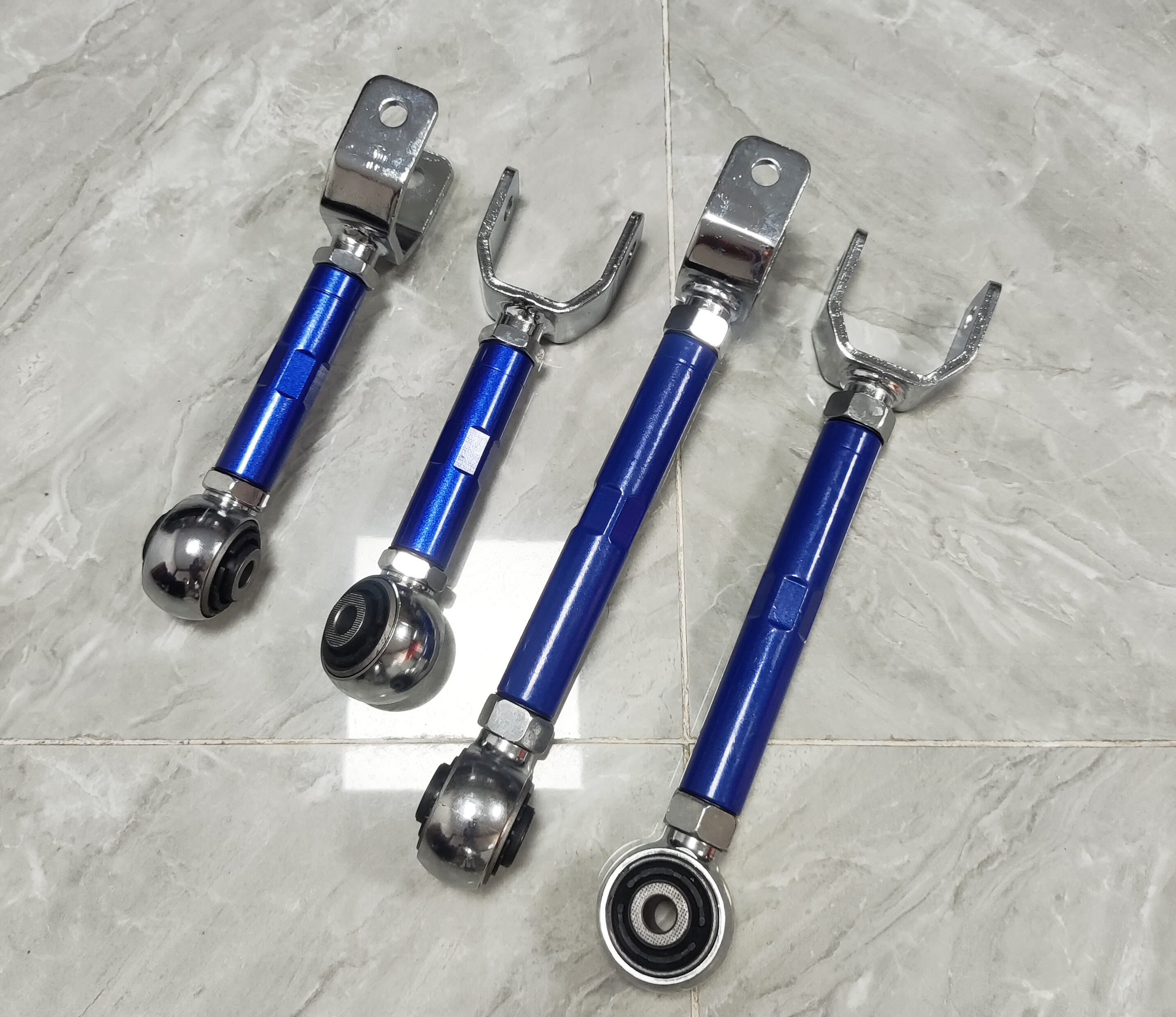
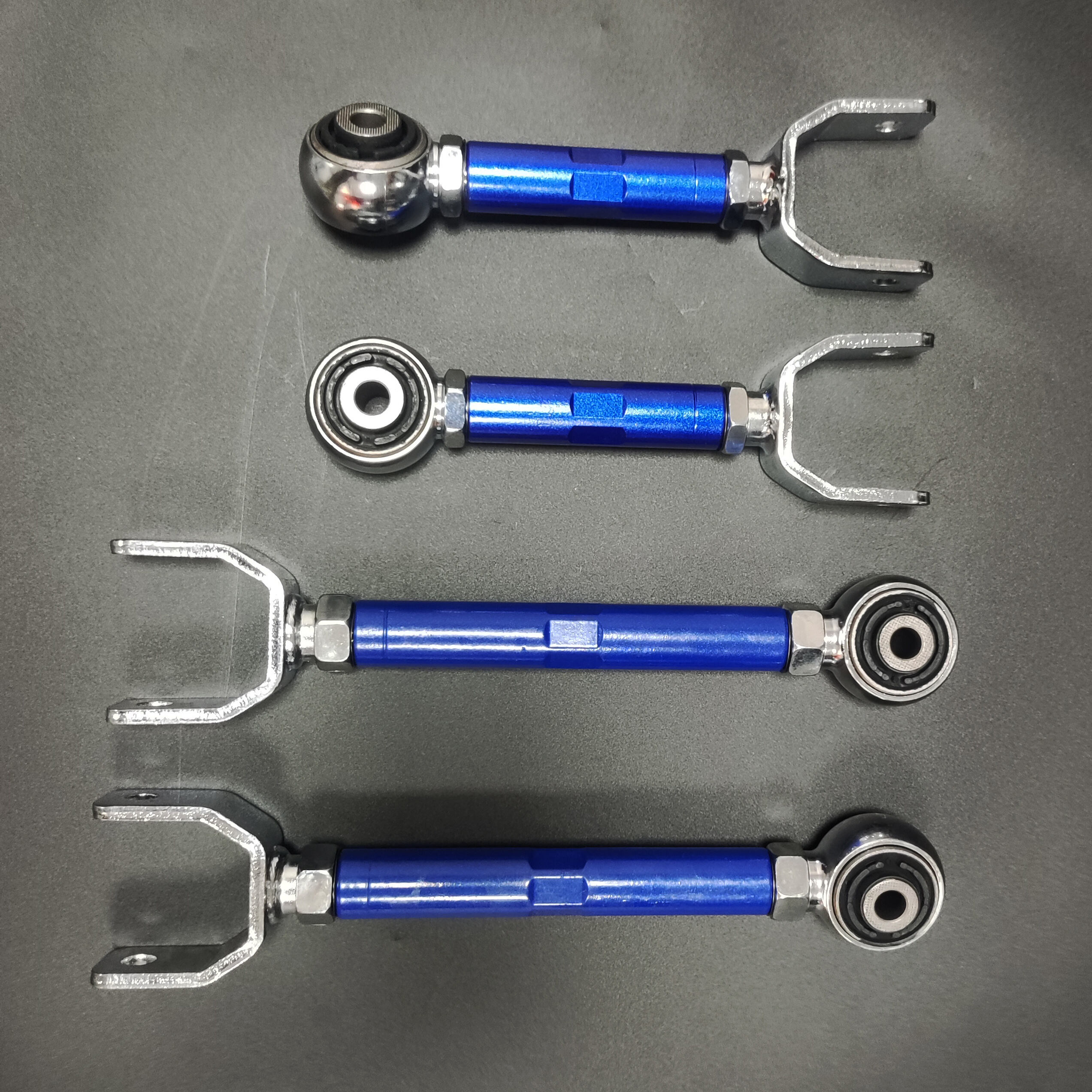
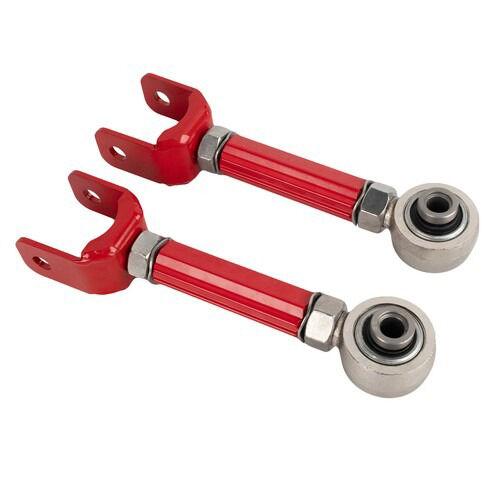
Adjustable suspension control arms represent a revolutionary advancement in automotive suspension technology, offering drivers unprecedented control over their vehicle's handling characteristics and ride quality. These sophisticated components serve as the critical connection between the vehicle's chassis and wheels, replacing traditional fixed control arms with highly engineered, adjustable alternatives that can be fine-tuned to meet specific performance requirements. The primary function of adjustable suspension control arms centers around controlling wheel movement during various driving conditions, ensuring optimal tire contact with the road surface while maintaining proper wheel alignment geometry. Unlike conventional control arms, these adjustable variants feature precision-engineered mounting points and length-adjustment mechanisms that allow for real-time or static modifications to suspension geometry. The technological features of adjustable suspension control arms include high-strength aluminum or steel construction, sealed ball joints with extended service life, and sophisticated adjustment mechanisms that provide millimeter-precise control over suspension settings. Many modern adjustable suspension control arms incorporate advanced materials such as lightweight alloys and composite elements that reduce unsprung weight while maintaining structural integrity under extreme loads. The adjustment systems typically feature threaded rod ends, spherical bearings, and lock nuts that enable precise camber, caster, and toe adjustments without requiring complete component replacement. These systems find extensive applications across various automotive sectors, from professional motorsports teams seeking maximum performance optimization to everyday drivers wanting improved handling and ride comfort. Street performance enthusiasts utilize adjustable suspension control arms to achieve aggressive stance configurations while maintaining drivability, while off-road applications benefit from the ability to adjust suspension geometry for different terrain types. Racing applications particularly value the ability to make quick setup changes between practice sessions, qualifying runs, and race conditions, allowing teams to optimize vehicle behavior for specific track characteristics and weather conditions.

 EN
EN