
 EN
EN
Vehicle suspension systems play a crucial role in determining driving performance, handling characteristics, and overall vehicle dynamics. Among the various suspension components that enthusiasts and professional mechanics consider for upgrades, camber arms represent one of the most significant modifications for improving wheel alignment and tire contact with the road surface. Understanding the fundamental differences between aftermarket camber arms and standard factory solutions becomes essential when seeking enhanced performance, better tire wear patterns, and improved handling capabilities.
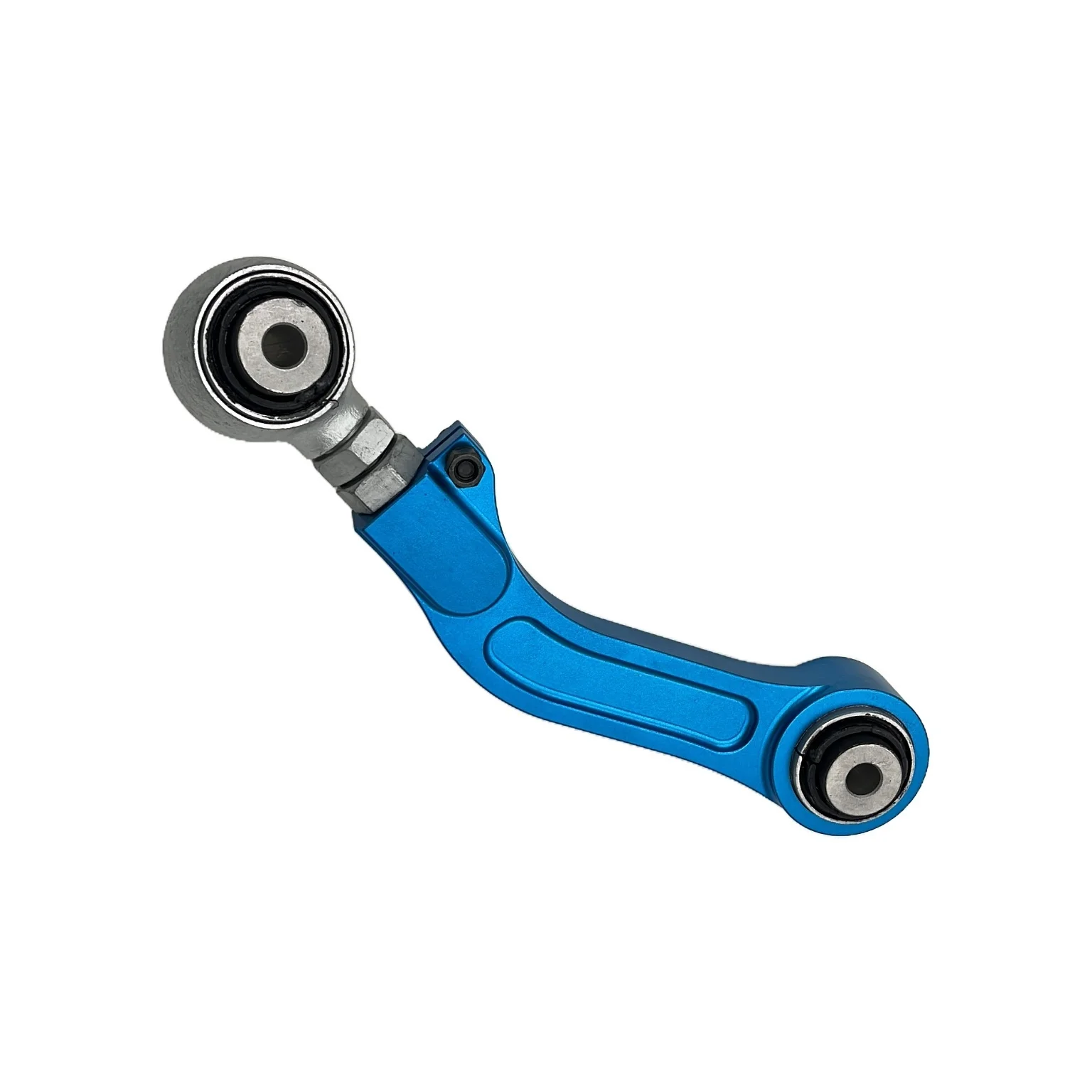
The automotive industry has witnessed tremendous evolution in suspension technology over recent decades, with manufacturers continuously developing more sophisticated solutions to meet diverse driving requirements. While factory suspension systems provide adequate performance for general driving conditions, they often lack the adjustability and precision that performance-oriented drivers demand. This limitation has created a substantial market for aftermarket suspension components, particularly adjustable camber arms that offer enhanced control over wheel positioning and alignment parameters.
Modern vehicles increasingly incorporate complex suspension geometries that require precise control over camber angles to optimize tire contact patches and maximize grip levels. The difference between standard factory components and specialized aftermarket solutions extends beyond simple material quality, encompassing fundamental design philosophy, adjustability features, and performance objectives that cater to different driving scenarios and user requirements.
Understanding Camber Arm Functionality
Basic Suspension Geometry Principles
Suspension geometry forms the foundation of vehicle handling characteristics, with camber angle representing one of the most critical alignment parameters. Camber refers to the inward or outward tilt of the wheel when viewed from the front or rear of the vehicle, measured in degrees from vertical. Negative camber tilts the top of the wheel inward toward the vehicle centerline, while positive camber tilts it outward away from the vehicle.
The camber angle directly influences tire contact patch shape and size, affecting grip levels, tire wear patterns, and overall handling characteristics. Optimal camber settings vary significantly depending on driving conditions, tire specifications, and intended vehicle use. Track-focused applications typically benefit from more aggressive negative camber settings to maintain tire contact during cornering, while daily driving scenarios require more conservative angles to ensure even tire wear and comfortable ride quality.
Factory suspension systems typically incorporate fixed camber angles determined during the vehicle design process, representing a compromise between various performance criteria and cost considerations. These predetermined angles work adequately for standard driving conditions but lack the flexibility needed for specialized applications or performance modifications that alter vehicle ride height or suspension geometry.
Component Design and Construction
Standard factory camber components utilize conventional materials and manufacturing processes optimized for cost-effectiveness and mass production requirements. Most original equipment components feature pressed steel construction with rubber bushings designed to provide adequate durability while minimizing production costs. These components serve their intended purpose effectively but offer limited adjustability and may not withstand the increased stresses associated with performance driving or track use.
Aftermarket camber arms typically incorporate higher-grade materials such as forged aluminum, chromoly steel, or other advanced alloys that provide superior strength-to-weight ratios and enhanced durability. These materials allow for more precise manufacturing tolerances and improved resistance to deformation under high-stress conditions. The construction methods often include CNC machining, forging, or other precision manufacturing techniques that result in components with superior dimensional accuracy and consistency.
The bushing technology employed in aftermarket solutions frequently utilizes polyurethane, spherical bearings, or other advanced materials that provide reduced deflection and more precise suspension geometry control. These enhanced bushing systems minimize unwanted compliance that can affect handling precision while maintaining adequate comfort levels for street driving applications.
Performance Characteristics and Benefits
Adjustability and Tuning Capabilities
One of the most significant advantages of aftermarket camber arms lies in their adjustability features, which allow precise tuning of camber angles to suit specific driving requirements and conditions. Most quality aftermarket systems incorporate threaded adjustment mechanisms or eccentric bolts that enable fine-tuning of camber settings without requiring specialized alignment equipment or extensive disassembly procedures.
This adjustability proves particularly valuable for vehicles that have been lowered, as reduced ride height often results in increased negative camber that can cause excessive inner tire wear. Adjustable camber arms allow correction of these alignment issues while maintaining the desired aesthetic and performance benefits of lowered suspension. The ability to make precise adjustments also enables optimization for different tire compounds, driving styles, or track configurations.
Professional racing applications frequently require different camber settings for various track configurations, weather conditions, or tire strategies. Adjustable camber arms facilitate quick setup changes between practice sessions, qualifying, and race conditions, providing teams with the flexibility needed to optimize performance for specific circumstances. This level of adjustability simply cannot be achieved with fixed factory components.
Material and Durability Improvements
The material upgrades found in quality aftermarket camber arms provide substantial improvements in strength, weight, and longevity compared to standard factory components. Aluminum construction offers significant weight reduction while maintaining or exceeding the strength characteristics of steel components, contributing to reduced unsprung weight that improves suspension response and overall vehicle dynamics.
Advanced manufacturing techniques such as forging or CNC machining result in components with superior grain structure and dimensional precision compared to cast or stamped factory parts. These manufacturing methods eliminate potential weak points and stress concentrations that could lead to premature failure under high-stress conditions. The improved fatigue resistance of properly manufactured aftermarket components often results in extended service life even under demanding usage conditions.
Corrosion resistance represents another area where aftermarket solutions often excel, with many manufacturers applying advanced surface treatments, anodizing, or powder coating processes that provide superior protection against environmental factors. This enhanced corrosion resistance proves particularly important for vehicles operated in harsh climates or track environments where components face exposure to salt, moisture, and other corrosive substances.
Installation and Compatibility Considerations
Fitment and Integration Aspects
Proper fitment represents a critical consideration when selecting aftermarket camber arms, as dimensional accuracy and compatibility with existing suspension components directly impact installation success and long-term reliability. Quality aftermarket manufacturers invest significant resources in reverse engineering factory components and suspension geometry to ensure precise fitment without requiring modifications to adjacent components or mounting points.
Vehicle-specific design considerations include ball joint taper angles, mounting bolt patterns, clearance requirements, and integration with other suspension components such as sway bars, brake lines, and ABS sensors. Reputable manufacturers provide detailed fitment information and installation instructions to ensure proper installation and optimal performance. Some applications may require minor modifications or additional hardware to achieve optimal fitment and performance.
Compatibility with factory alignment procedures and equipment represents another important consideration, as some aftermarket components may require specialized tools or procedures for proper adjustment and alignment. Professional installation and alignment services typically possess the necessary equipment and expertise to handle these requirements, ensuring optimal performance and safety.
Professional Installation Requirements
While some enthusiasts possess the skills and equipment necessary for camber arm installation, professional installation often provides the best results due to the precision required for proper alignment and safety-critical nature of suspension components. Professional technicians possess specialized tools, alignment equipment, and experience necessary to ensure proper installation, adjustment, and verification of suspension geometry.
The installation process typically requires complete disassembly of affected suspension components, careful measurement and recording of factory settings, precise installation of new components, and comprehensive alignment procedures to verify proper geometry and adjustment range. Professional shops also provide warranty coverage and ongoing support that proves valuable for addressing any issues or adjustments that may be required.
Safety considerations mandate proper torque specifications, thread-locking compounds, and verification procedures to ensure that all connections meet manufacturer requirements and safety standards. Professional installation helps ensure that these critical safety requirements are met and properly documented for future reference and maintenance procedures.
Cost Analysis and Value Proposition
Initial Investment Considerations
The cost difference between standard factory replacements and aftermarket camber arms varies significantly depending on vehicle application, manufacturer, and feature set. While aftermarket solutions typically require a higher initial investment, the enhanced performance capabilities, adjustability, and durability often provide superior long-term value for performance-oriented applications.
Quality aftermarket camber arms typically range from moderate to premium pricing depending on materials, manufacturing methods, and included features. Entry-level options may offer basic adjustability and improved materials at relatively modest price premiums, while premium solutions incorporate advanced materials, precision manufacturing, and comprehensive adjustment capabilities that command higher prices but deliver corresponding performance benefits.
Installation costs represent an additional consideration, as professional alignment services and potential labor requirements may increase the total project investment. However, the ability to make future adjustments without requiring complete reinstallation often reduces long-term maintenance costs and provides ongoing value for users who regularly modify suspension settings or track their vehicles.
Long-Term Value and Performance Benefits
The long-term value proposition of aftermarket camber arms extends beyond initial cost considerations to encompass performance improvements, tire wear optimization, and enhanced driving experience. Proper camber adjustment can significantly improve tire life by ensuring even wear patterns and optimal contact patch utilization, often offsetting the initial component investment through reduced tire replacement costs.
Performance benefits include improved cornering capabilities, enhanced feedback and precision, and the ability to optimize setup for specific driving conditions or requirements. These improvements contribute to increased driving enjoyment and potentially improved lap times or competitive performance for track-focused applications. The quantifiable performance gains often justify the investment for serious enthusiasts and competitive drivers.
Resale value considerations also factor into the long-term value equation, as quality suspension modifications often enhance vehicle appeal to performance-oriented buyers and may contribute to higher resale values. Well-documented modifications using reputable components typically add value rather than detract from it, particularly for enthusiast-oriented vehicles with strong aftermarket support.
FAQ
What are the main differences between aftermarket camber arms and factory components
The primary differences include adjustability features, material quality, and performance capabilities. Aftermarket camber arms typically offer threaded adjustment mechanisms that allow precise tuning of camber angles, while factory components provide fixed settings. Material upgrades such as aluminum or chromoly construction provide improved strength-to-weight ratios and enhanced durability compared to standard steel factory parts. Advanced bushing systems and precision manufacturing techniques also contribute to superior performance and longevity.
Do adjustable camber arms require professional installation and alignment
While experienced enthusiasts can install camber arms, professional installation and alignment services are strongly recommended due to the safety-critical nature of suspension components and precision required for proper adjustment. Professional technicians possess specialized tools, alignment equipment, and expertise necessary to ensure optimal performance and safety. Proper installation includes torque specifications, thread-locking procedures, and comprehensive alignment verification that requires professional equipment and knowledge.
How do camber arms affect tire wear and handling characteristics
Properly adjusted camber arms can significantly improve tire wear patterns by optimizing contact patch shape and pressure distribution across the tire surface. Excessive negative camber from lowered suspension can cause rapid inner tire wear, while adjustable arms allow correction to more appropriate angles. Handling improvements include enhanced cornering grip, improved steering response, and more predictable vehicle behavior during aggressive driving. The ability to fine-tune camber settings also enables optimization for different tire compounds and driving conditions.
Are aftermarket camber arms suitable for daily driving or only track use
Quality aftermarket camber arms are suitable for both daily driving and track applications when properly installed and adjusted. The key lies in selecting appropriate camber settings that balance performance benefits with comfort and tire wear considerations. Conservative camber adjustments provide improved handling while maintaining reasonable tire wear and ride quality for street use. More aggressive settings can be employed for dedicated track vehicles where maximum performance takes priority over comfort and tire longevity.