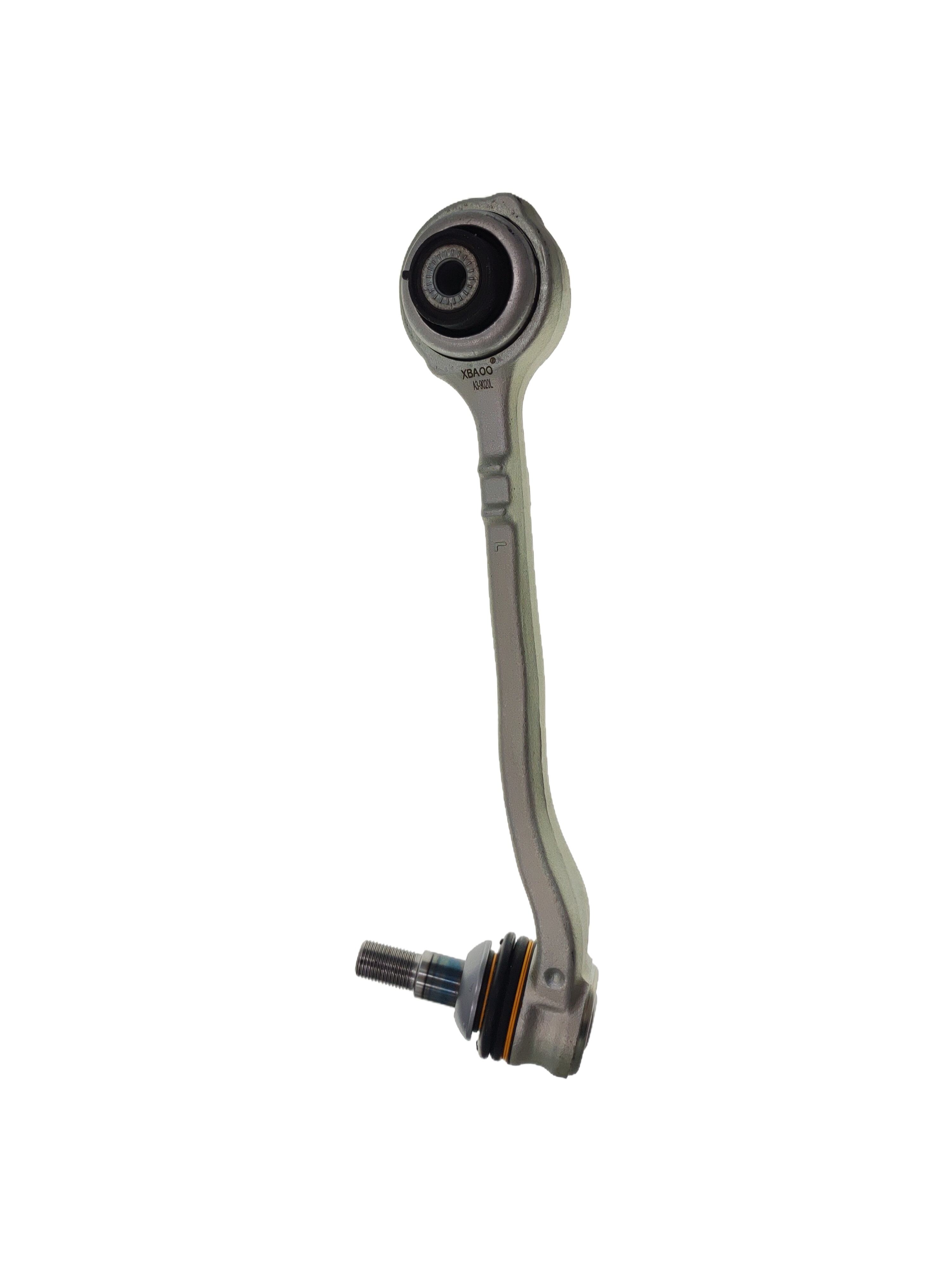
car control arm bushing
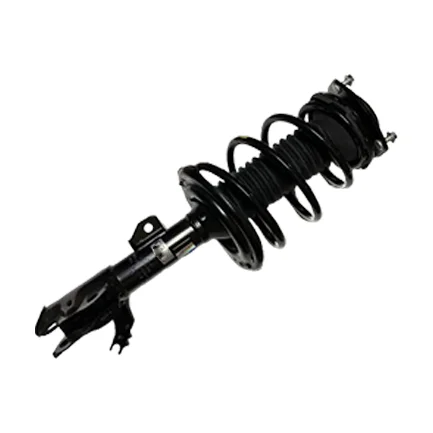
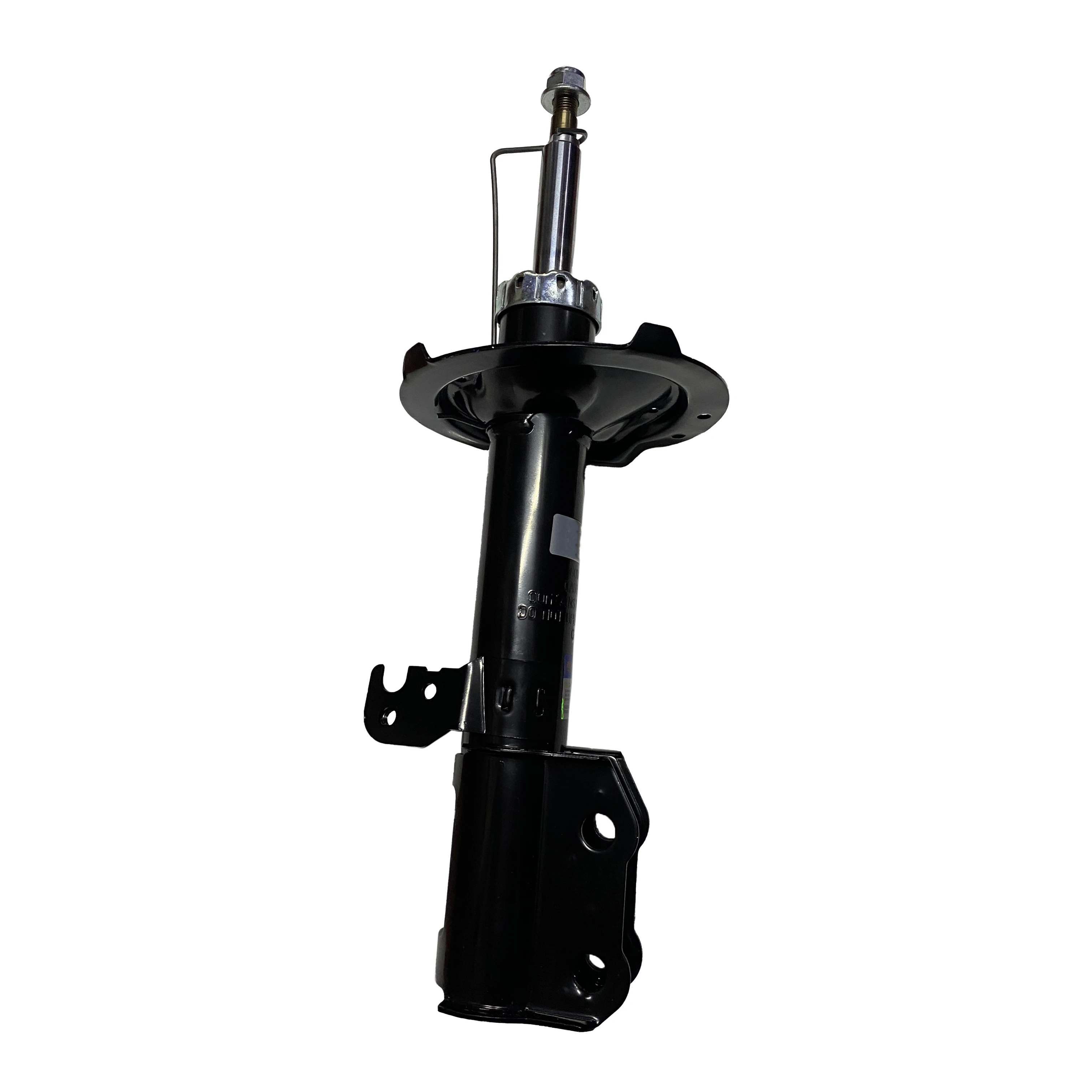
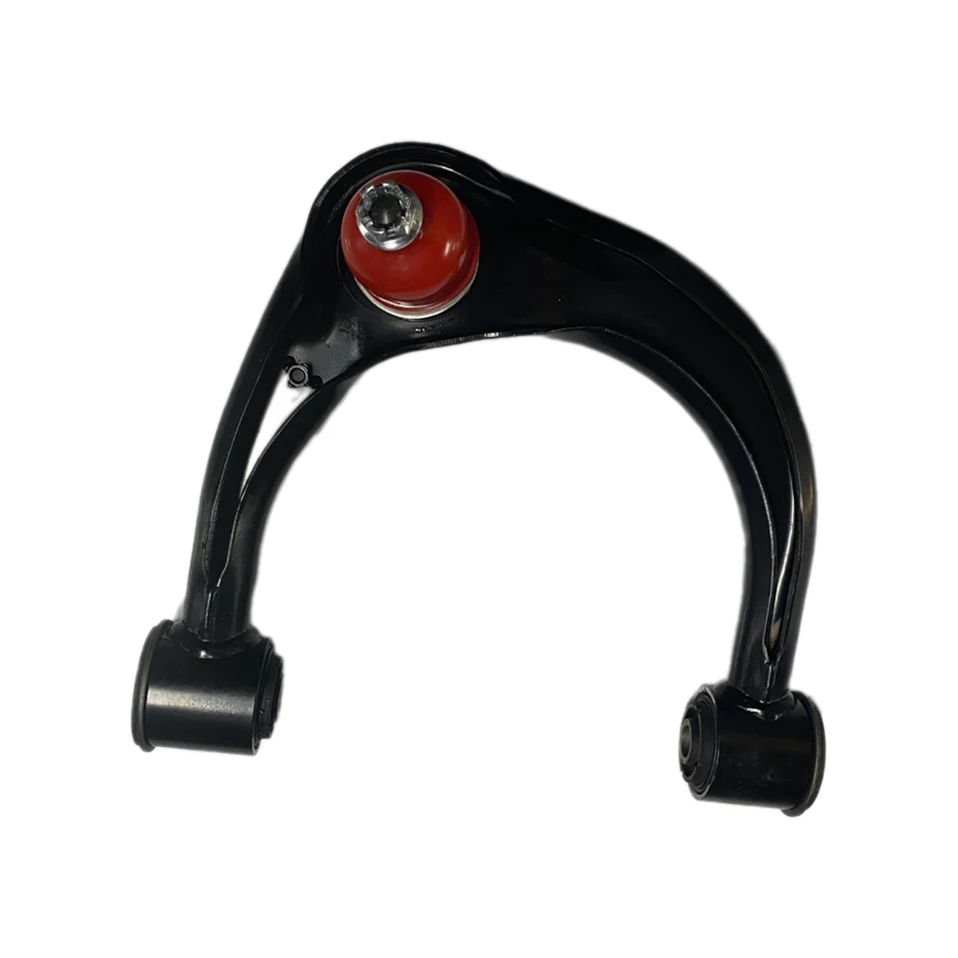
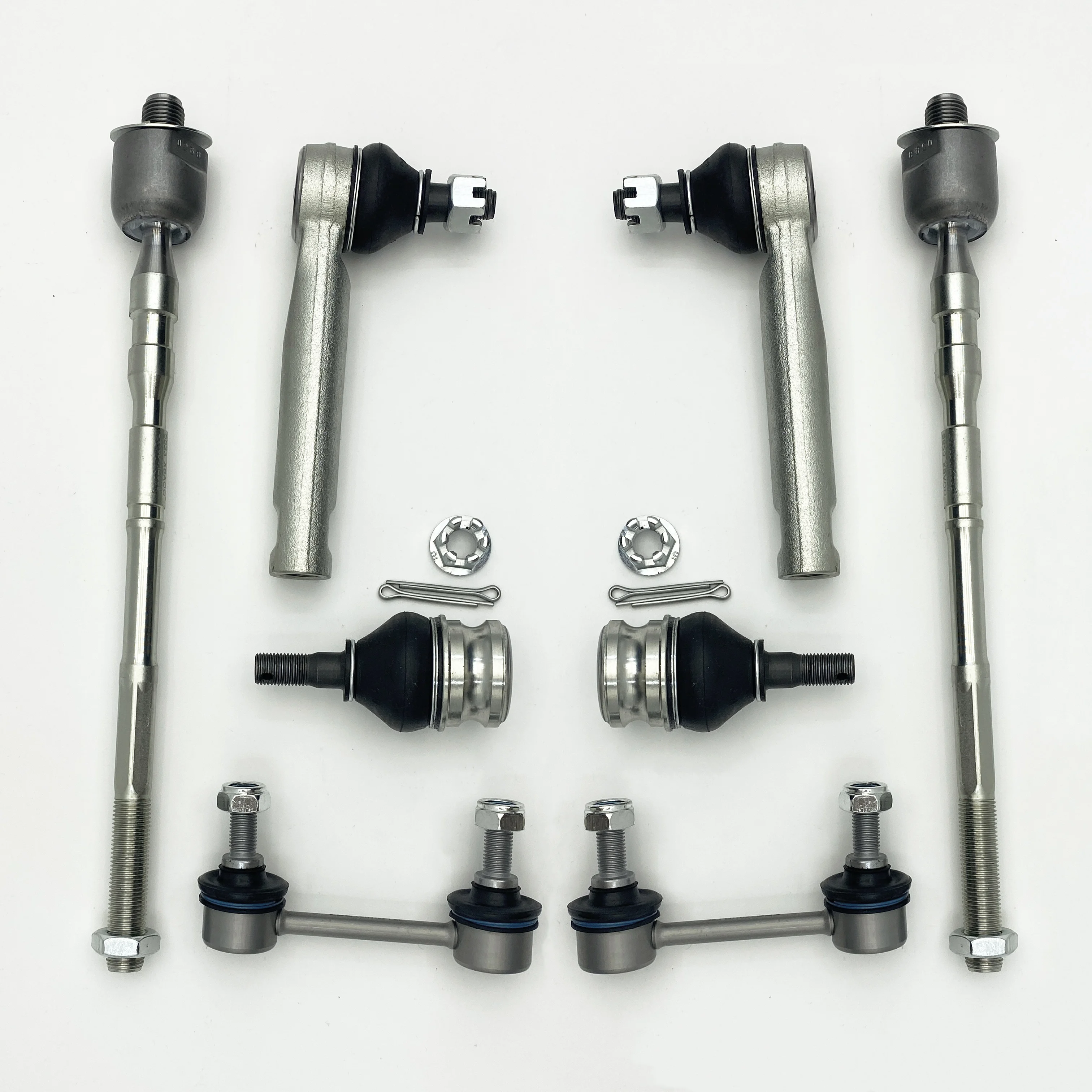
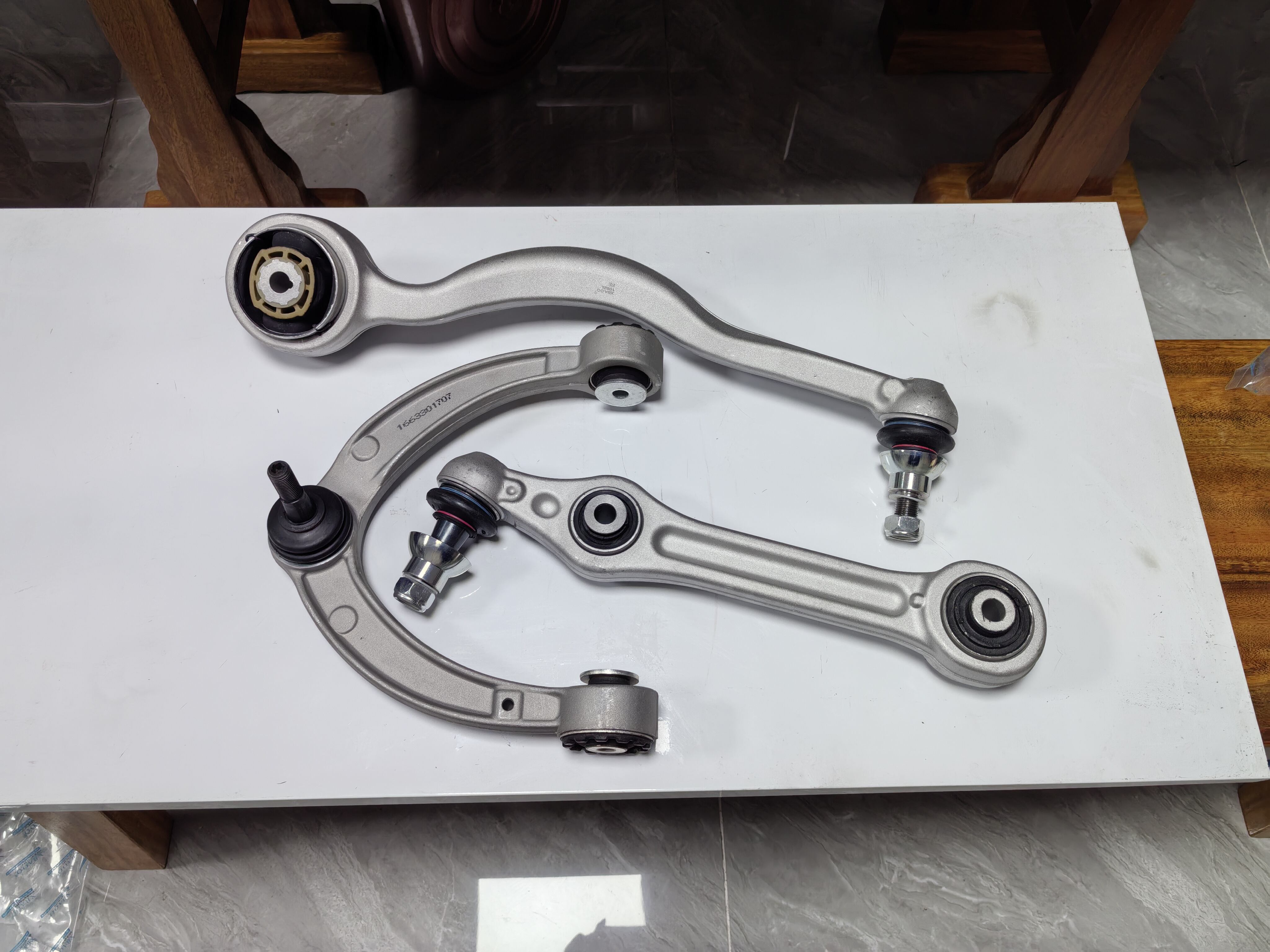
A car control arm bushing serves as a critical suspension component that connects the control arm to the vehicle's chassis, providing essential cushioning and flexibility during operation. This rubber or polyurethane component acts as a pivot point, allowing the control arm to move smoothly while maintaining proper wheel alignment and handling characteristics. The car control arm bushing absorbs road vibrations, reduces noise transmission, and ensures optimal tire contact with the road surface. Modern control arm bushings utilize advanced materials and engineering designs to withstand extreme temperatures, chemical exposure, and mechanical stress. These components feature specialized compounds that resist cracking, splitting, and premature wear under demanding driving conditions. The technological sophistication of today's car control arm bushing includes enhanced durability formulations that extend service life significantly compared to traditional rubber alternatives. Installation techniques have evolved to ensure precise fitment and optimal performance characteristics. The bushing's design incorporates specific void patterns and material densities that provide targeted flexibility in different directions while maintaining structural integrity. Applications span across passenger vehicles, commercial trucks, and performance automobiles, with each requiring specific engineering parameters. The car control arm bushing must accommodate various load requirements, from lightweight compact cars to heavy-duty commercial applications. Manufacturing processes employ precision molding and quality control measures to ensure consistent performance standards. Testing protocols verify temperature resistance, chemical compatibility, and mechanical durability before market release. The component's strategic placement within the suspension system makes it essential for vehicle safety and performance, directly influencing steering response, tire wear patterns, and overall ride quality throughout the vehicle's operational lifespan.

 EN
EN