
 EN
EN
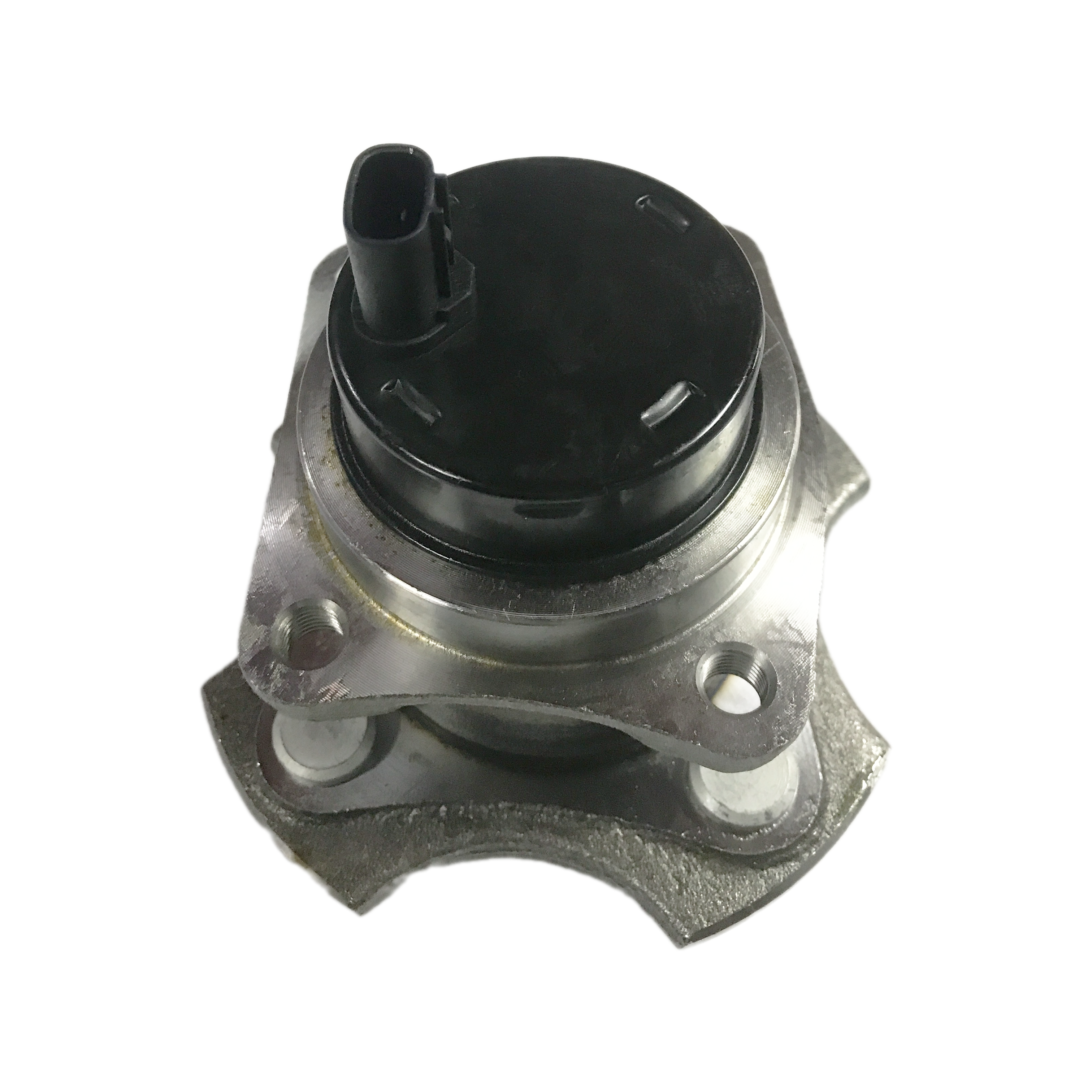
Adjustable camber arms represent a crucial upgrade for automotive enthusiasts and professionals seeking precise wheel alignment control. These sophisticated suspension components allow drivers to fine-tune their vehicle's camber angle, delivering improved handling characteristics, enhanced tire wear patterns, and optimized performance across various driving conditions. Understanding the proper implementation and best practices for adjustable camber arms can significantly impact your vehicle's overall dynamics and safety.
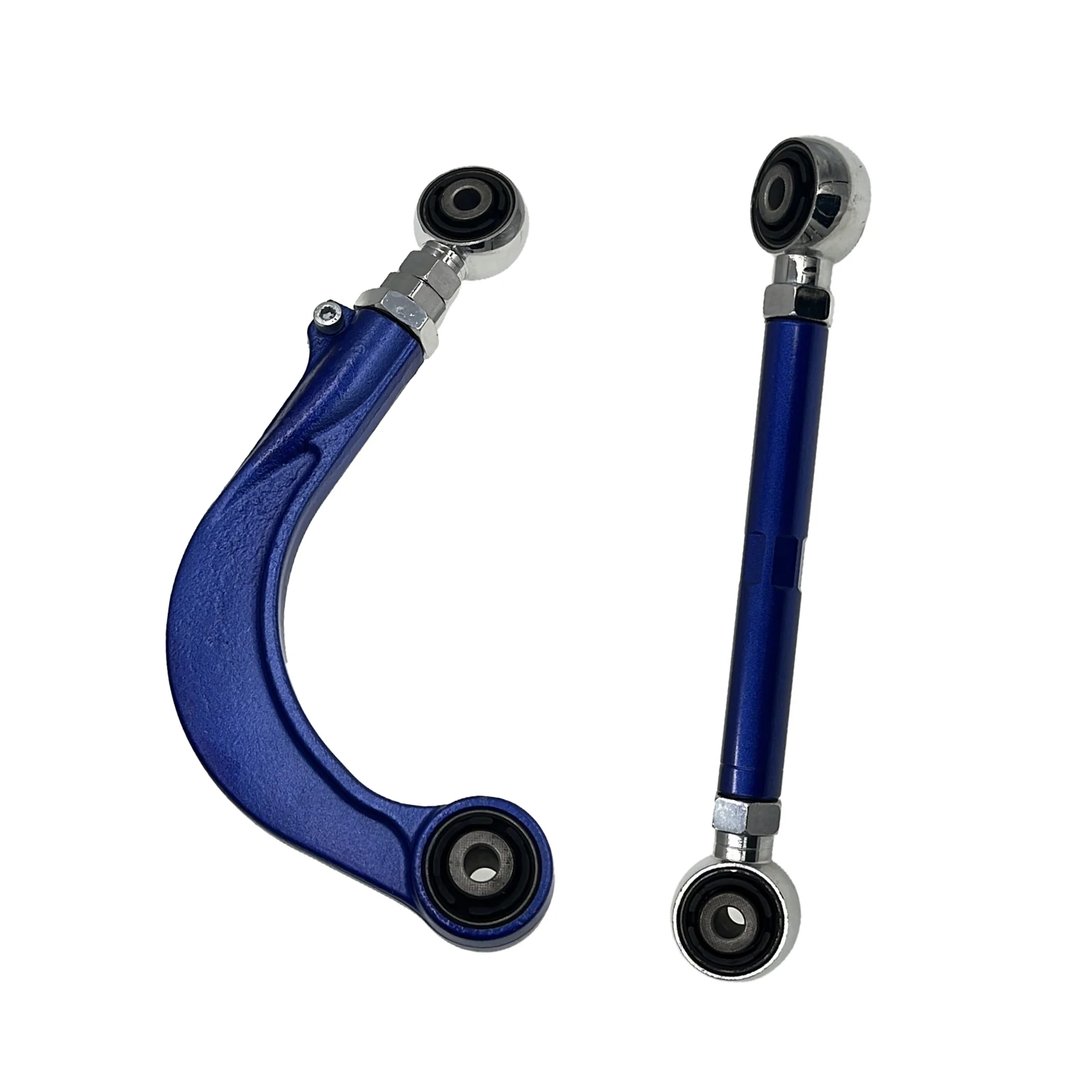
The automotive aftermarket has witnessed tremendous growth in suspension modification components, with adjustable camber arms leading the charge in precision alignment solutions. Professional mechanics, racing teams, and performance enthusiasts rely on these components to achieve optimal wheel positioning that traditional factory suspension systems cannot provide. Modern adjustable camber arms incorporate advanced materials and engineering principles that ensure durability while maintaining the flexibility needed for precise adjustments.
Understanding Camber Angle Fundamentals
Defining Camber and Its Impact on Vehicle Dynamics
Camber angle refers to the vertical inclination of the wheels when viewed from the front or rear of the vehicle. Positive camber occurs when the top of the wheel tilts outward from the vehicle's centerline, while negative camber positions the wheel's top inward. This geometric relationship directly influences tire contact patches, cornering stability, and overall vehicle handling characteristics during various driving scenarios.
The relationship between camber angle and tire wear patterns becomes particularly evident during extended driving periods. Excessive positive camber typically results in increased wear on the tire's outer edge, while excessive negative camber accelerates wear on the inner shoulder. Properly configured adjustable camber arms enable precise positioning that balances performance requirements with tire longevity, ensuring optimal contact patch distribution across the tire's surface.
Static Versus Dynamic Camber Considerations
Static camber measurements represent the wheel's angle when the vehicle remains stationary and unloaded. However, dynamic camber changes occur during acceleration, braking, and cornering as suspension components compress and extend. Understanding these dynamic variations helps determine appropriate static camber settings that optimize tire contact during actual driving conditions.
Professional alignment specialists consider suspension geometry changes throughout the wheel's travel range when configuring adjustable camber arms. Body roll during cornering, suspension compression under load, and aerodynamic downforce at higher speeds all influence the effective camber angle. These dynamic factors require careful consideration when establishing baseline settings that will perform optimally across diverse driving situations.
Installation Procedures and Technical Requirements
Pre-Installation Assessment and Preparation
Successful installation of adjustable camber arms begins with comprehensive assessment of existing suspension components and vehicle condition. Inspecting worn bushings, damaged mounting points, and compromised structural elements prevents installation complications and ensures optimal performance from the new components. Documentation of current alignment specifications provides valuable reference points for comparison after installation completion.
Proper tool selection and workspace preparation contribute significantly to installation success and component longevity. Professional-grade torque wrenches, alignment measurement tools, and specialized suspension equipment ensure precise installation according to manufacturer specifications. Creating an organized workspace with adequate lighting and access facilitates efficient installation while reducing the risk of component damage or improper assembly.
Step-by-Step Installation Methodology
The installation process requires systematic removal of original components while preserving alignment reference points and suspension geometry. Careful attention to bolt torque specifications, bushing orientation, and component positioning ensures proper function and prevents premature wear. Many adjustable camber arms feature specific installation sequences that must be followed to achieve optimal performance and safety.
Post-installation verification involves comprehensive checking of all mounting points, adjustment mechanisms, and clearance specifications. Testing the full range of adjustment ensures proper function while identifying any interference issues that could compromise safety or performance. Initial alignment measurements provide baseline data for subsequent fine-tuning and optimization procedures.
Adjustment Techniques and Optimization Strategies
Baseline Setting Establishment
Establishing appropriate baseline camber settings requires consideration of vehicle usage patterns, tire specifications, and performance objectives. Street-driven vehicles typically benefit from conservative camber angles that balance handling improvement with tire longevity, while track-focused applications may utilize more aggressive settings prioritizing maximum cornering performance over tire wear considerations.
Professional alignment equipment provides precise measurement capabilities essential for accurate adjustable camber arms configuration. Digital alignment systems offer real-time feedback during adjustment procedures, enabling fine-tuning that achieves target specifications within acceptable tolerances. Regular measurement verification ensures maintained accuracy throughout the adjustment process.
Fine-Tuning for Specific Applications
Different driving applications require unique camber optimization approaches that maximize performance within specific operational parameters. Autocross and track day events benefit from increased negative camber that maintains tire contact during aggressive cornering, while daily driving applications require balanced settings that provide good handling without compromising comfort or tire life.
Iterative adjustment processes allow gradual optimization based on real-world performance feedback and tire wear analysis. Systematic documentation of settings changes and their corresponding effects enables data-driven optimization that achieves desired performance characteristics. Professional drivers often maintain detailed logs tracking camber adjustments, tire temperatures, and handling feedback to optimize their specific setup requirements.
Maintenance and Long-Term Care
Regular Inspection and Service Intervals
Maintaining adjustable camber arms requires systematic inspection of adjustment mechanisms, mounting hardware, and bushing components. Environmental factors such as road salt, debris, and temperature variations can affect component operation and longevity. Establishing regular maintenance intervals based on mileage, time, and operating conditions ensures continued performance and prevents unexpected failures.
Lubrication of adjustment threads and pivot points prevents corrosion and ensures smooth operation throughout the component's service life. Quality lubricants specifically designed for suspension applications provide long-lasting protection against environmental contamination while maintaining precise adjustment capability. Regular cleaning removes accumulated debris that could interfere with proper operation or cause premature wear.
Troubleshooting Common Issues
Common problems with adjustable camber arms include seized adjustment mechanisms, worn bushings, and compromised mounting hardware. Early identification of these issues through regular inspection prevents more serious complications and maintains safety. Understanding typical failure modes helps vehicle owners recognize symptoms that require professional attention or component replacement.
Proper diagnostic procedures involve systematic testing of adjustment range, mounting point integrity, and alignment stability. Professional mechanics utilize specialized tools and techniques to identify problems that may not be apparent during casual inspection. Addressing issues promptly prevents cascading failures that could compromise vehicle safety or require extensive repair procedures.
Performance Benefits and Applications
Handling Enhancement and Stability Improvement
Properly configured adjustable camber arms deliver measurable improvements in vehicle handling characteristics and stability during various driving conditions. Enhanced cornering ability results from optimized tire contact patches that maintain grip throughout turning maneuvers. Reduced body roll and improved steering response contribute to increased driver confidence and vehicle control.
Quantifiable performance improvements include reduced lap times on track circuits, improved autocross performance, and enhanced stability during emergency maneuvers. Professional racing teams rely on adjustable camber arms to fine-tune vehicle balance for specific track conditions and driver preferences. These performance gains translate to improved safety margins and driving enjoyment for enthusiast applications.
Tire Wear Optimization and Cost Benefits
Strategic camber adjustment significantly impacts tire wear patterns and overall tire life when properly implemented. Balanced settings that account for driving style, vehicle loading, and road conditions can extend tire service intervals while maintaining optimal performance characteristics. This optimization provides measurable cost savings over the vehicle's operational lifetime.
Advanced tire temperature monitoring techniques help validate camber settings and identify optimization opportunities. Professional drivers use pyrometer readings across tire surfaces to assess contact patch uniformity and adjust camber accordingly. This data-driven approach ensures maximum tire performance while achieving acceptable wear rates for specific applications.
FAQ
What camber angle settings work best for daily driving applications
Daily driving applications typically perform optimally with conservative camber settings ranging from zero to -1.5 degrees negative camber. These settings provide improved handling over stock configurations while maintaining acceptable tire wear rates and ride comfort. Specific optimal settings depend on vehicle weight distribution, suspension design, and individual driving style preferences.
How often should adjustable camber arms be inspected and serviced
Regular inspection intervals should occur every 6,000 to 10,000 miles for street applications, with more frequent checks recommended for track or performance use. Visual inspection of mounting hardware, bushing condition, and adjustment mechanism operation helps identify potential issues before they compromise safety or performance. Professional alignment verification should accompany major service intervals or whenever handling characteristics change noticeably.
Can adjustable camber arms be installed on any vehicle platform
Adjustable camber arms are available for most popular vehicle platforms, though specific compatibility depends on suspension design and mounting configurations. Strut-type suspensions, double-wishbone systems, and multi-link arrangements each require specific camber arm designs that accommodate their unique geometric requirements. Consulting with suspension specialists ensures proper component selection for specific vehicle applications.
What tools and equipment are required for proper camber adjustment
Professional camber adjustment requires alignment equipment capable of measuring angles to within 0.1-degree accuracy, quality torque wrenches for proper hardware installation, and basic hand tools for component access. While basic adjustments can be performed with simple angle measurement tools, professional alignment equipment provides the precision necessary for optimal results and safety verification.