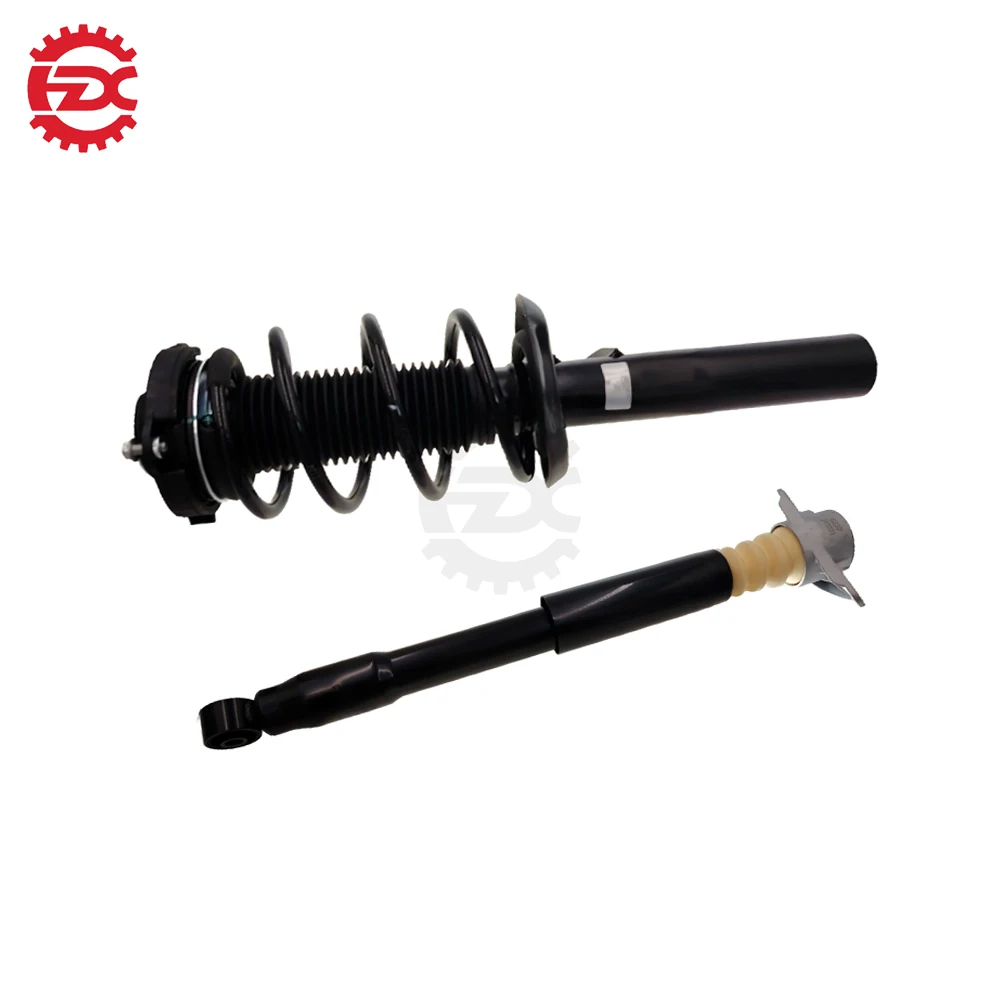
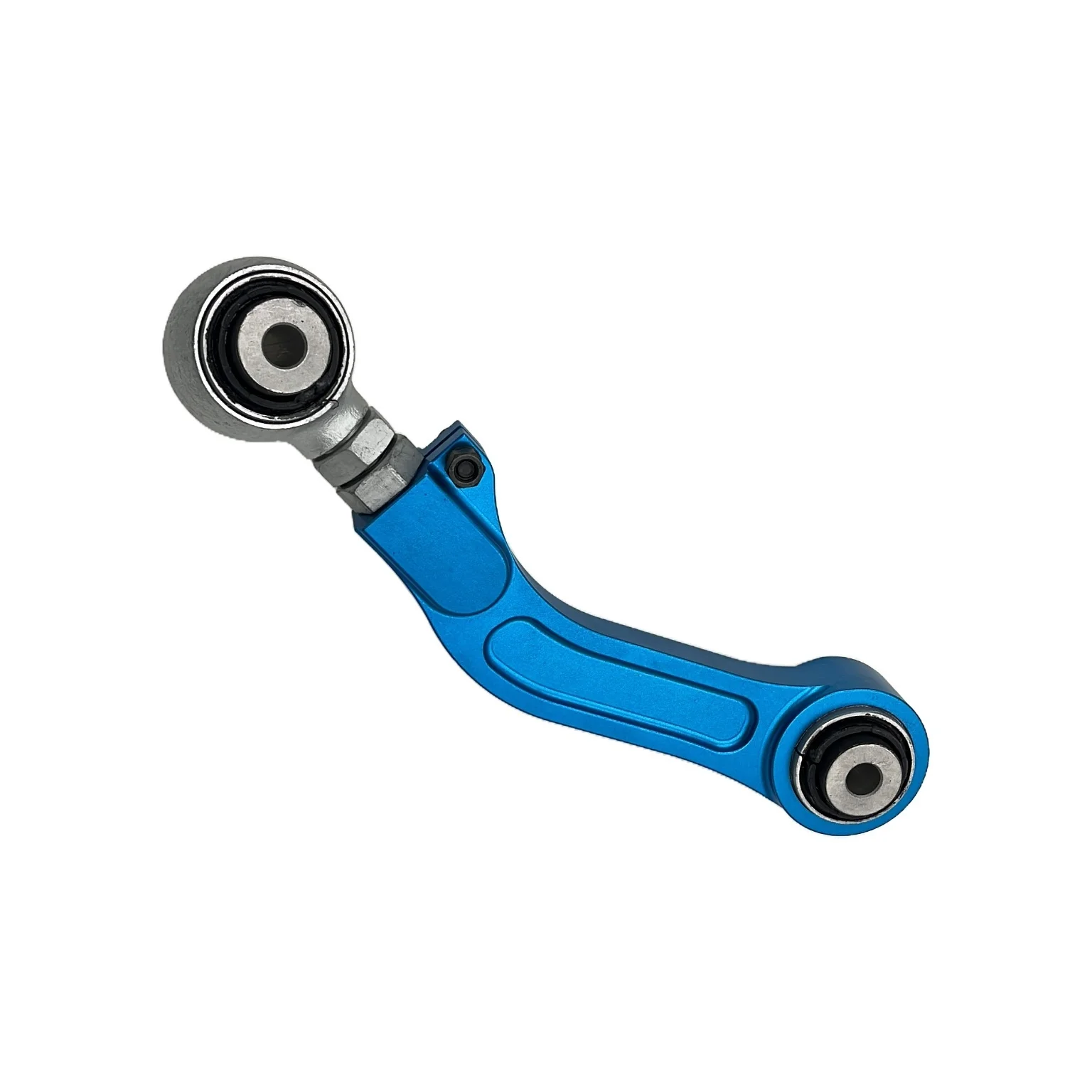
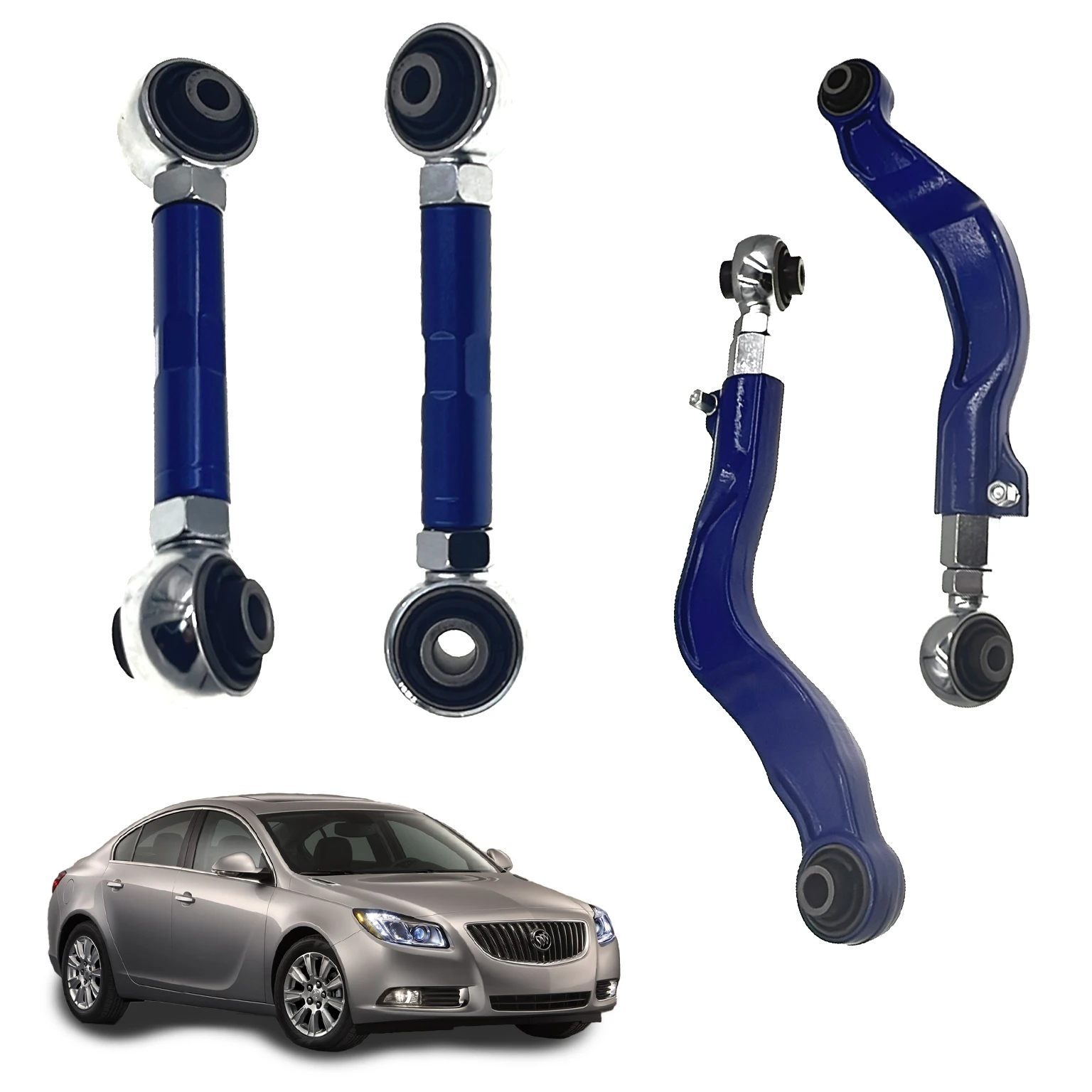
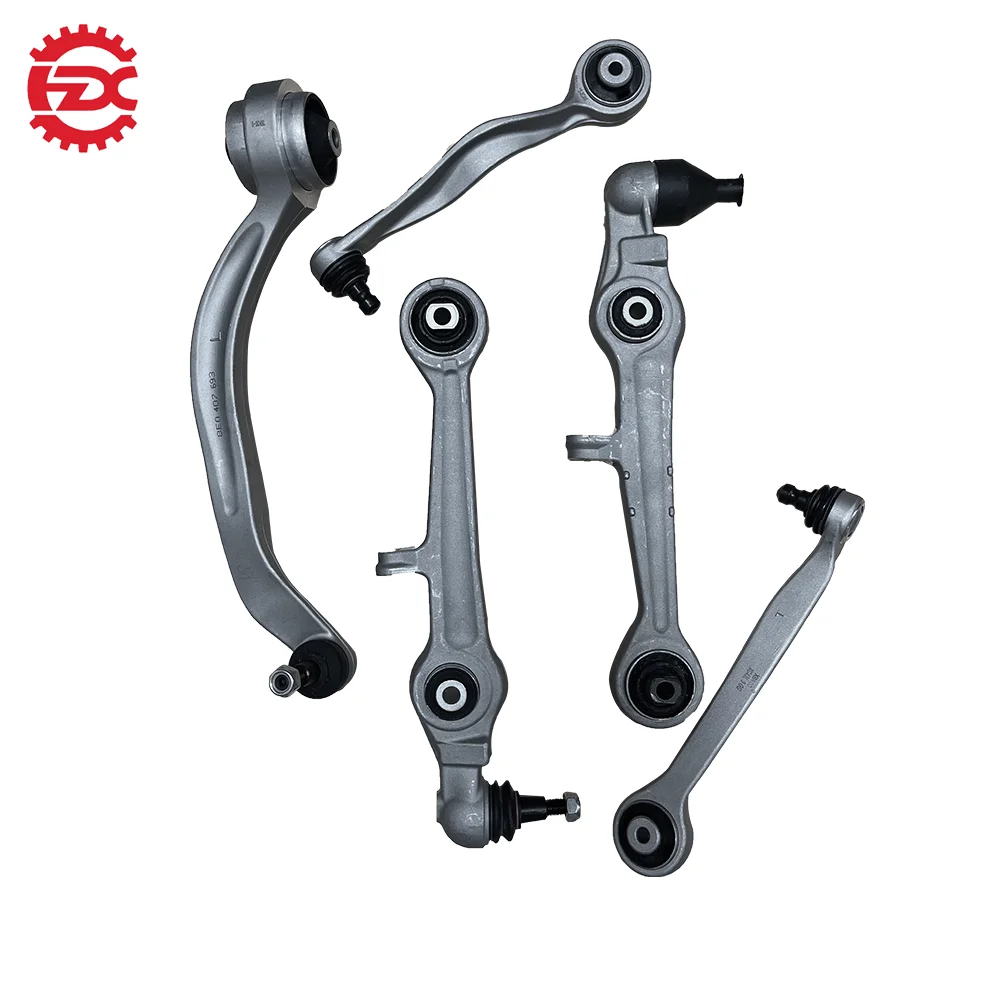
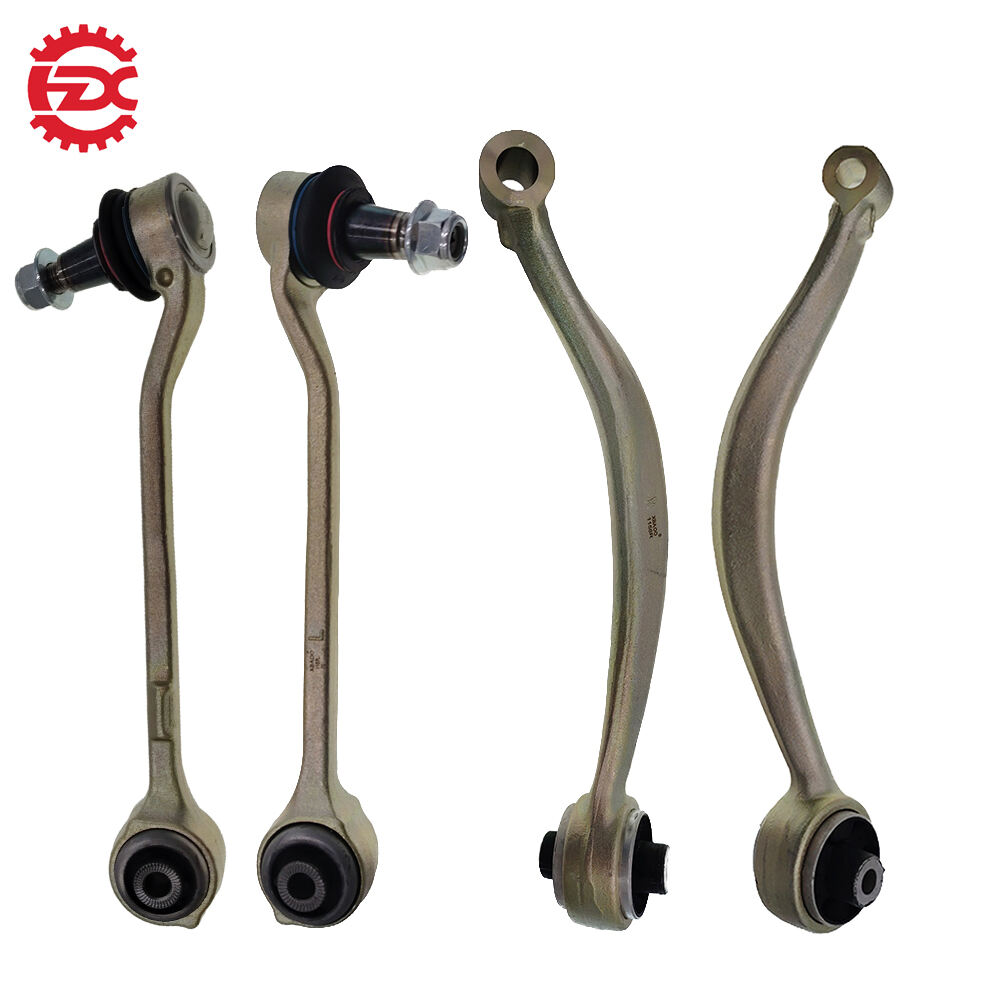
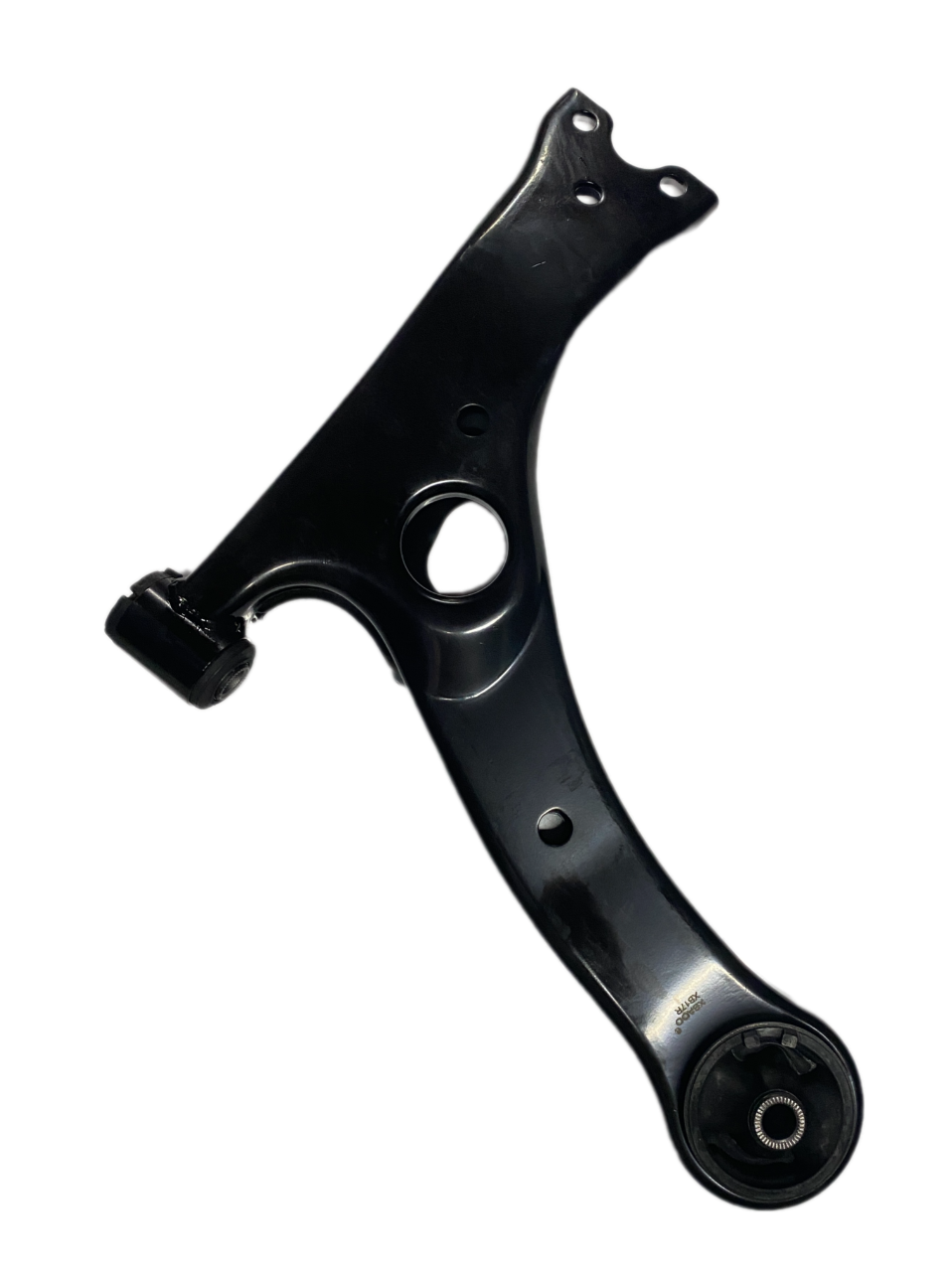
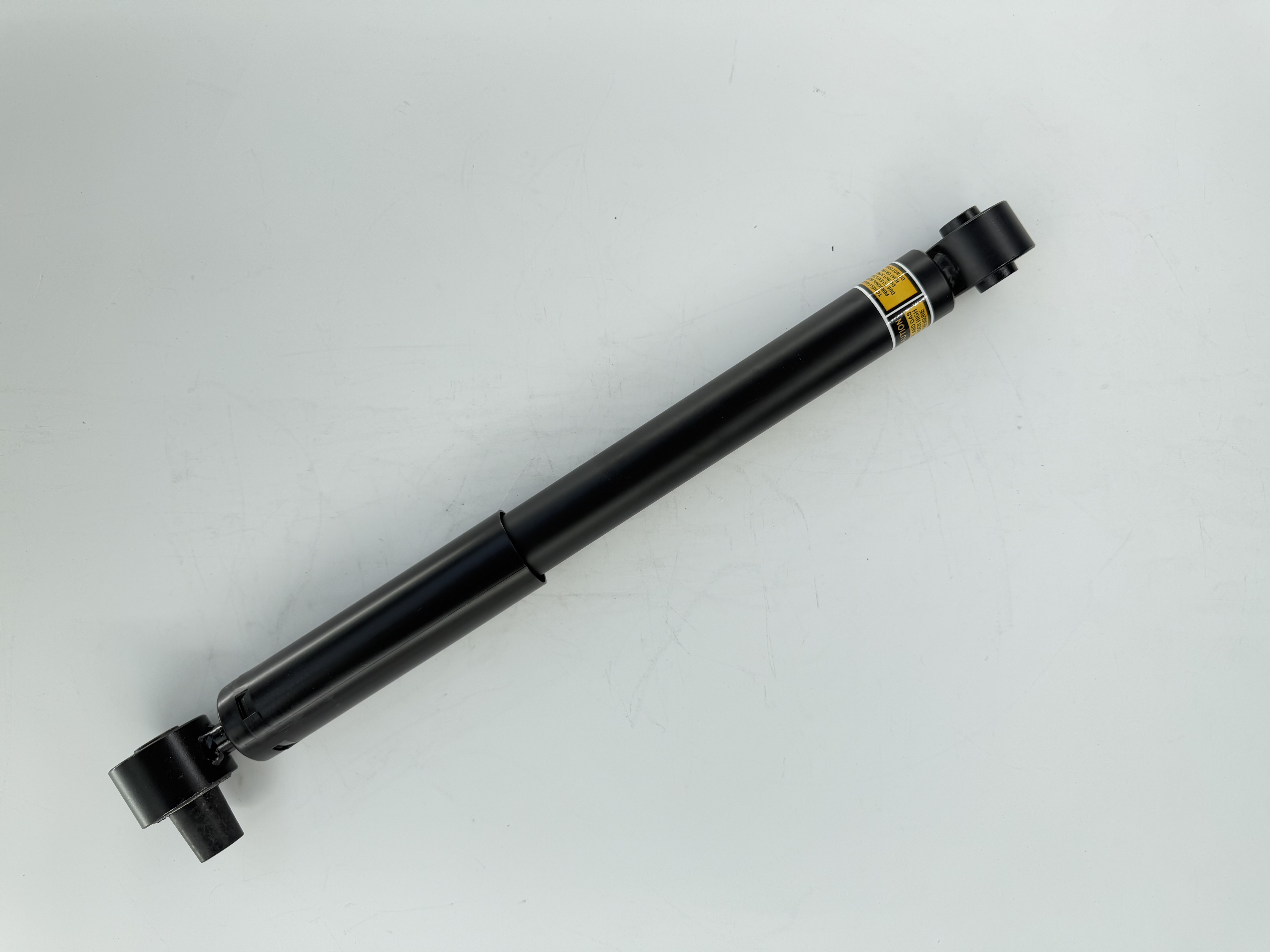
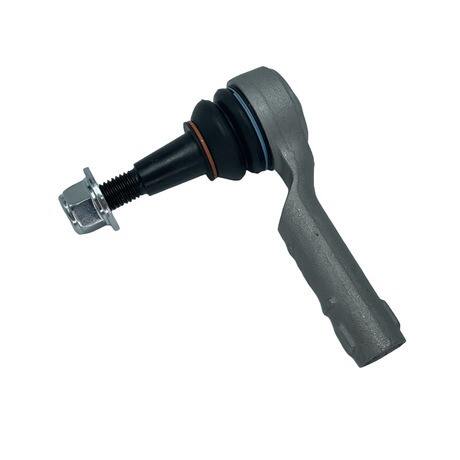
car front arm
The car front arm stands as a critical component in modern automotive suspension systems, serving as the primary connection between the vehicle's chassis and the front wheels. This essential part, also known as a control arm or wishbone, plays a pivotal role in maintaining proper wheel alignment, controlling suspension movement, and ensuring optimal vehicle handling characteristics. The car front arm operates within the front suspension assembly to provide controlled vertical movement while maintaining precise wheel positioning during various driving conditions. Modern car front arm designs incorporate advanced engineering principles that balance durability, performance, and cost-effectiveness. These components typically feature robust construction materials such as forged steel, cast aluminum, or stamped steel, depending on the vehicle's requirements and manufacturer specifications. The car front arm connects to the steering knuckle through ball joints, allowing for smooth articulation during steering and suspension travel. Additionally, bushings at the chassis mounting points provide vibration isolation and controlled movement. The technological evolution of the car front arm has resulted in improved designs that enhance ride quality, handling precision, and overall vehicle safety. Contemporary car front arm systems often integrate multiple functions within a single component, reducing complexity while improving performance. The geometry of the car front arm directly influences suspension characteristics such as camber change, caster angle, and scrub radius during wheel travel. Advanced manufacturing techniques ensure consistent quality and dimensional accuracy in car front arm production. The strategic positioning and design of the car front arm enable proper load distribution from the wheels to the vehicle structure, contributing to enhanced structural integrity and occupant safety during various driving scenarios.

 EN
EN