
 EN
EN
Precision suspension tuning represents the pinnacle of automotive performance enhancement, where every component plays a crucial role in achieving optimal handling characteristics. Among the most influential yet often overlooked components are camber arms, which serve as the critical link between your vehicle's chassis and wheels. These sophisticated pieces of engineering allow for precise wheel alignment adjustments that can dramatically transform your driving experience, whether you're navigating daily commutes or pushing limits on the track. Professional drivers and automotive enthusiasts alike recognize that mastering camber arm technology is essential for unlocking superior performance gains and achieving that perfect balance between comfort and control.
Understanding Camber Arms Engineering Principles
Fundamental Design Architecture
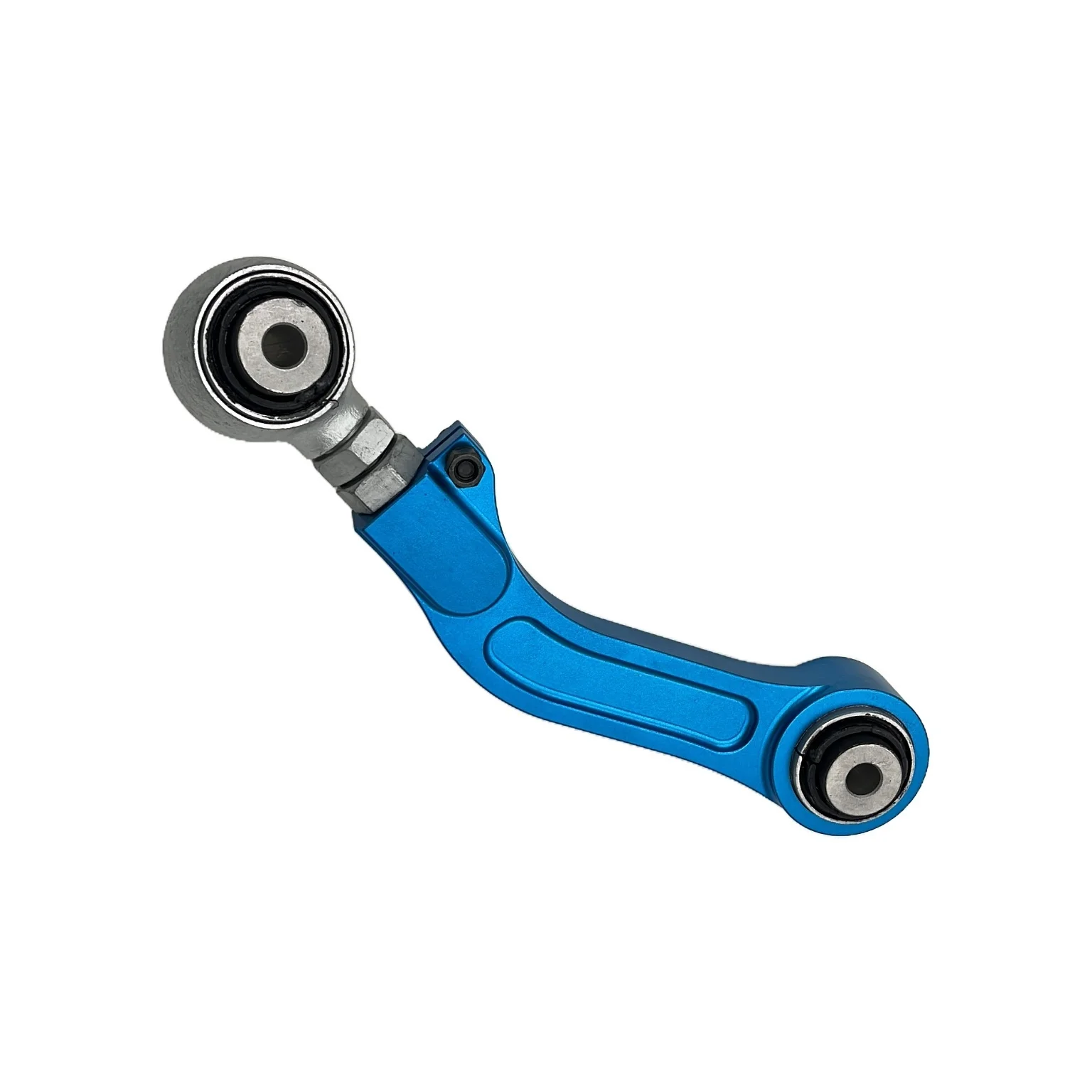
The engineering behind modern camber arms represents decades of automotive suspension evolution, incorporating advanced materials science and precision manufacturing techniques. These components function as adjustable control arms that maintain the connection between the vehicle's chassis and the wheel hub assembly. Unlike traditional fixed control arms, camber arms feature adjustable mounting points or threaded rod ends that enable precise camber angle modifications. This adjustability allows technicians and enthusiasts to fine-tune the wheel's vertical angle relative to the road surface, optimizing tire contact patches for specific driving conditions and performance requirements.
Premium camber arms utilize high-strength aluminum alloys or carbon steel construction, providing the perfect balance between weight reduction and structural integrity. The materials undergo specialized heat treatment processes to enhance durability while maintaining the flexibility needed for suspension articulation. Advanced designs incorporate spherical bearings or polyurethane bushings at connection points, reducing friction and eliminating the binding that can occur with traditional rubber bushings. This engineering approach ensures smooth suspension movement while providing the rigidity necessary for precise wheel positioning under dynamic loads.
Adjustment Mechanisms and Precision Control
Modern camber arms employ sophisticated adjustment mechanisms that enable precise incremental changes to wheel alignment parameters. Threaded adjustment systems typically feature fine-pitch threads that allow for minute corrections, often providing adjustment ranges spanning several degrees of camber change. Some advanced designs incorporate eccentric adjustment mechanisms or slotted mounting points that facilitate quick adjustments without requiring complete disassembly. These systems are engineered to maintain their settings under extreme conditions, utilizing locking mechanisms and thread-locking compounds to prevent unwanted movement during operation.
The precision achievable with quality camber arms extends beyond simple camber adjustment, often influencing caster and toe settings through their geometric relationships within the suspension system. Professional alignment technicians leverage this interconnectedness to achieve optimal suspension geometry that enhances vehicle stability, tire wear patterns, and overall handling characteristics. Understanding these relationships is crucial for maximizing the performance benefits that camber arms can provide when properly implemented and adjusted.
Performance Applications and Benefits
Track Performance Optimization
In motorsports and high-performance driving applications, camber arms serve as fundamental tools for achieving competitive advantages through suspension optimization. Track conditions demand specific camber settings that maximize tire contact patches during cornering, where lateral forces can exceed multiple times the vehicle's weight. Negative camber settings, achieved through precise camber arm adjustments, ensure that the tire's outer edge maintains optimal contact with the track surface during aggressive cornering maneuvers. This enhanced contact patch translates directly into improved grip levels, faster cornering speeds, and more predictable handling characteristics that allow drivers to push their vehicles to the absolute limits of performance.
Professional racing teams utilize sophisticated camber arm setups that can be quickly adjusted between practice sessions, qualifying runs, and race conditions. Different track layouts, weather conditions, and tire compounds may require unique camber settings to achieve optimal performance. The ability to make these adjustments efficiently can mean the difference between winning and losing in competitive environments where thousandths of seconds determine finishing positions. Advanced telemetry systems often monitor tire temperatures across the contact patch, providing data that guides camber arm adjustments for maximum performance extraction.
Street Performance Enhancement
Beyond the racetrack, camber arms provide significant benefits for enthusiast drivers seeking improved daily driving experiences without compromising comfort or practicality. Properly adjusted camber settings can enhance steering response, reduce understeer tendencies, and improve overall vehicle stability during spirited driving on public roads. The key lies in finding the optimal balance between performance gains and tire longevity, as excessive camber angles can lead to uneven tire wear patterns that reduce tire life and increase operating costs.
Street-oriented camber arm setups typically target moderate negative camber angles that provide noticeable handling improvements while maintaining acceptable tire wear characteristics. This approach allows drivers to enjoy enhanced cornering capabilities and improved steering precision without the extreme settings used in pure racing applications. Quality camber arms designed for street use often incorporate compliance features that maintain ride comfort while delivering the performance benefits that enthusiast drivers seek.
Installation and Setup Procedures
Preparation and Component Selection
Successful camber arm installation begins with careful component selection and thorough preparation of the vehicle and workspace. Professional-grade camber arms require specific torque specifications, specialized tools, and proper safety procedures to ensure correct installation and optimal performance. The installation process typically involves removing existing control arms or suspension components, which may require spring compression tools, ball joint separators, and precision torque wrenches. Proper preparation includes cleaning all mounting surfaces, inspecting related suspension components for wear, and ensuring that all necessary hardware and supplies are readily available.
Component selection should consider the specific vehicle application, intended use, and performance goals. Different camber arm designs offer varying adjustment ranges, construction materials, and mounting configurations that must match the vehicle's suspension architecture. Quality aftermarket camber arms often provide superior adjustability and durability compared to original equipment components, but they must be compatible with existing suspension geometry and mounting points. Professional installation facilities typically maintain extensive databases of vehicle-specific applications to ensure proper component selection and avoid compatibility issues.
Alignment and Fine-Tuning Process
Once camber arms are installed, the critical alignment and fine-tuning process determines the ultimate performance benefits achieved. Professional wheel alignment equipment provides the precision necessary to set camber angles within specifications while monitoring the effects on other alignment parameters. The alignment process typically begins with establishing baseline measurements of camber, caster, and toe settings before making any adjustments. Systematic adjustment procedures ensure that changes to camber settings don't adversely affect other critical alignment parameters that influence vehicle handling and tire wear.
Fine-tuning camber arm settings often requires multiple iterations and test drives to achieve optimal results for specific applications and driving styles. Performance-oriented setups may benefit from slight adjustments based on real-world driving feedback, tire temperature monitoring, or lap time improvements. The iterative process allows drivers and technicians to find the perfect balance between performance gains and practical considerations such as ride comfort and tire longevity. Proper documentation of settings and their effects helps establish baseline configurations that can be referenced for future adjustments or maintenance procedures.
Material Science and Durability Factors
Advanced Alloy Technologies
The materials used in premium camber arms represent cutting-edge advances in automotive metallurgy and engineering, incorporating specialized alloys that provide exceptional strength-to-weight ratios and corrosion resistance. Aerospace-grade aluminum alloys, such as 6061-T6 and 7075-T6, offer superior mechanical properties while significantly reducing unsprung weight compared to traditional steel components. These advanced alloys undergo precision forging or machining processes that optimize grain structure and eliminate potential stress concentration points that could lead to premature failure under extreme loading conditions.
Heat treatment processes play crucial roles in achieving optimal material properties, with specialized procedures that enhance strength while maintaining the ductility necessary for impact resistance. Some manufacturers employ cryogenic treatment processes that further refine the material's molecular structure, resulting in improved durability and dimensional stability over extended service intervals. Surface treatments, including anodizing, powder coating, or specialized corrosion-resistant finishes, protect against environmental degradation while maintaining the precise tolerances required for optimal performance.
Bushing and Bearing Technologies
The connection points where camber arms interface with the vehicle chassis and suspension components utilize advanced bushing and bearing technologies that significantly impact performance and longevity. Traditional rubber bushings, while providing excellent vibration isolation, can introduce compliance that reduces the precision of camber arm adjustments under dynamic loading. High-performance applications often benefit from polyurethane bushings or spherical bearings that eliminate compliance while providing smooth articulation throughout the suspension's range of motion.
Spherical bearings represent the ultimate in precision and adjustability, utilizing hardened steel races and specialized lubricants that maintain smooth operation under extreme conditions. These bearings eliminate the binding and deflection associated with traditional bushings, ensuring that camber settings remain consistent regardless of suspension loading or articulation. However, spherical bearings may transmit more noise and vibration to the vehicle's interior, requiring careful consideration of the trade-offs between ultimate performance and daily driving comfort. Advanced designs incorporate sealed construction and specialized lubricants that extend service intervals while maintaining precision operation.
Troubleshooting and Maintenance Guidelines
Common Installation Issues
Proper installation of camber arms requires attention to numerous details that can significantly impact performance and longevity if overlooked. Common installation issues include incorrect torque specifications, improper thread engagement, and failure to properly align mounting surfaces before final tightening. These problems can lead to premature component failure, binding in the suspension system, or inability to achieve proper alignment settings. Professional installers utilize systematic checklists and quality control procedures to ensure that each installation meets manufacturer specifications and performance expectations.
Thread preparation and lubrication represent critical aspects of camber arm installation that directly affect adjustment precision and component longevity. Proper cleaning of threads, application of appropriate thread-locking compounds, and correct torque sequences ensure that adjustments remain stable under operating conditions. Some installations require specific sequences for tightening multiple mounting points to avoid inducing stress or binding in the system. Understanding these requirements and following manufacturer procedures prevents many common problems that can compromise camber arm performance and reliability.
Maintenance and Inspection Protocols
Regular maintenance and inspection of camber arms ensure continued performance and identify potential issues before they lead to component failure or safety concerns. Inspection protocols typically include visual examination of mounting points, threads, and bushings for signs of wear, corrosion, or damage. Functional checks verify that adjustment mechanisms operate smoothly and that settings remain stable over time. Professional maintenance schedules often incorporate periodic alignment checks to monitor camber settings and identify any drift that might indicate component wear or mounting issues.
Lubrication requirements vary depending on the specific design and bearing technologies employed in camber arm construction. Spherical bearings may require periodic lubrication with specialized greases, while sealed designs operate maintenance-free throughout their service lives. Understanding these requirements and following manufacturer recommendations prevents premature wear and ensures optimal performance throughout the component's service life. Proper maintenance documentation helps track component performance and identify patterns that might indicate the need for adjustments or replacements.
FAQ
How often should camber arms be inspected for wear or damage
Camber arms should be inspected every 12,000 to 15,000 miles or during routine suspension maintenance intervals. Professional inspection involves checking mounting points, bushings, and adjustment mechanisms for signs of wear, corrosion, or loosening. High-performance applications or vehicles subjected to track use may require more frequent inspections, particularly after intense driving sessions. Visual inspection should look for cracking, excessive play in bushings, or any changes in adjustment settings that might indicate component failure or mounting issues.
Can camber arms improve tire wear patterns on daily driven vehicles
Yes, properly adjusted camber arms can significantly improve tire wear patterns by optimizing wheel alignment for specific driving conditions and tire characteristics. Moderate negative camber settings can reduce understeer tendencies and improve tire contact patches during cornering while maintaining acceptable straight-line wear patterns. However, excessive camber angles can lead to premature inner or outer edge wear, so professional alignment and regular monitoring are essential. The key is finding the optimal balance between performance benefits and tire longevity for your specific driving style and conditions.
What tools are required for proper camber arm installation and adjustment
Professional camber arm installation requires specialized tools including precision torque wrenches, ball joint separators, spring compression tools, and wheel alignment equipment. Adjustment procedures need fine-pitched thread tools, digital angle gauges, and sometimes specialized wrenches designed for specific camber arm configurations. Safety equipment such as proper jack stands, wheel chocks, and personal protective equipment are essential for safe installation procedures. Most installations also require access to manufacturer torque specifications and alignment procedures to ensure proper setup and performance.
Are aftermarket camber arms compatible with factory suspension components
Quality aftermarket camber arms are specifically designed for compatibility with factory suspension geometry and mounting points, but verification of fitment is essential before purchase. Reputable manufacturers provide detailed application guides and technical specifications that ensure proper compatibility with specific vehicle models and years. Some aftermarket designs offer enhanced adjustability or superior materials compared to factory components while maintaining full compatibility. However, modification of other suspension components may be necessary in some applications to achieve optimal performance and avoid interference issues.