custom suspension parts fabrication
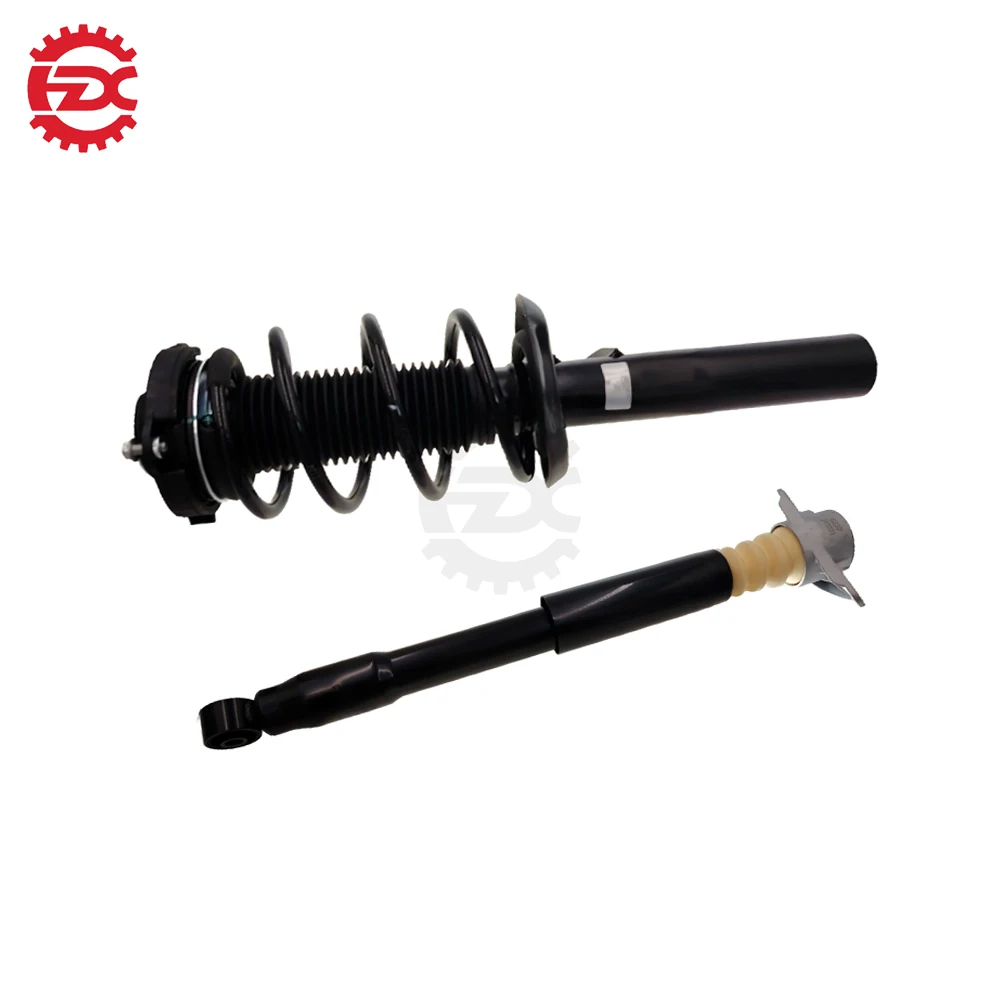
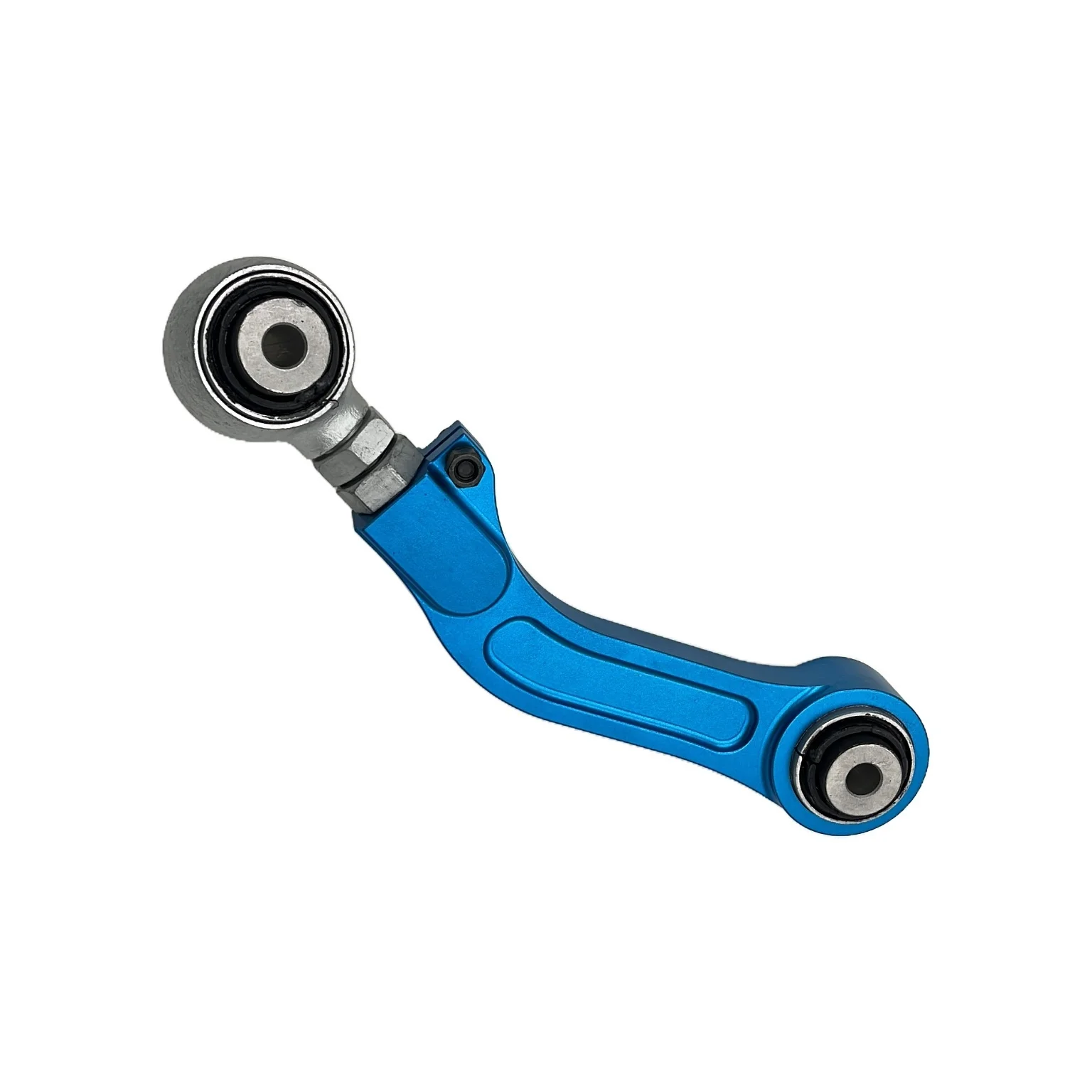
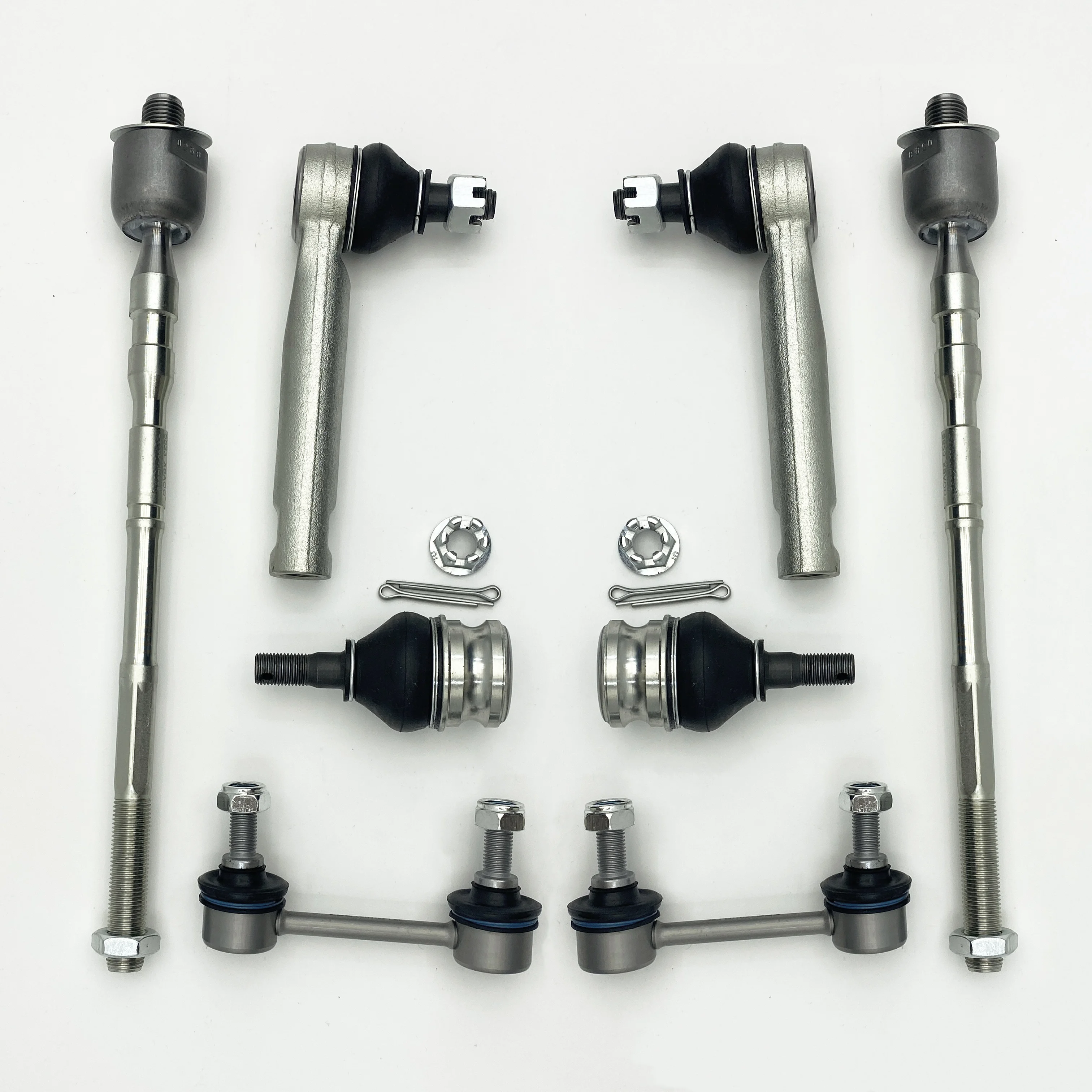
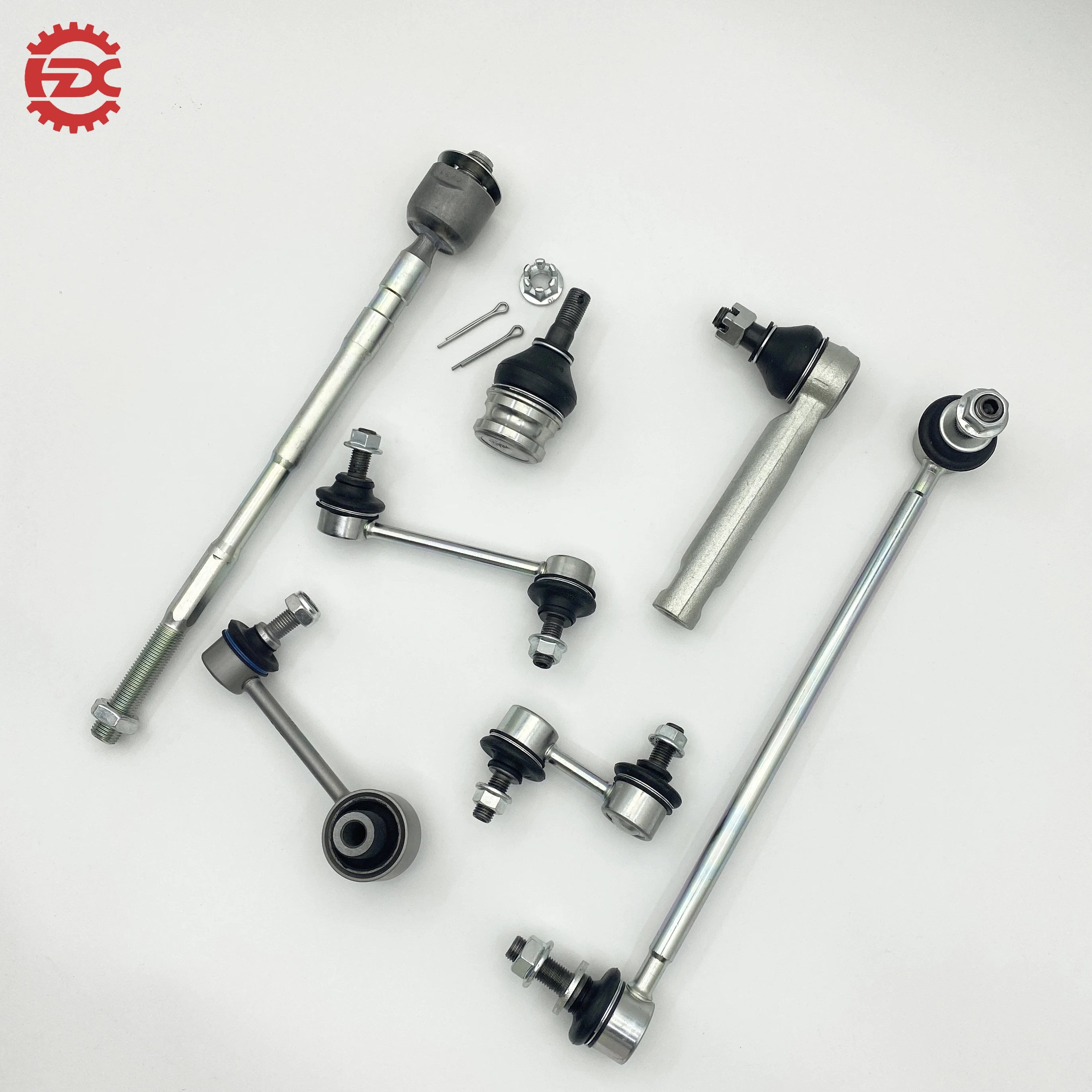
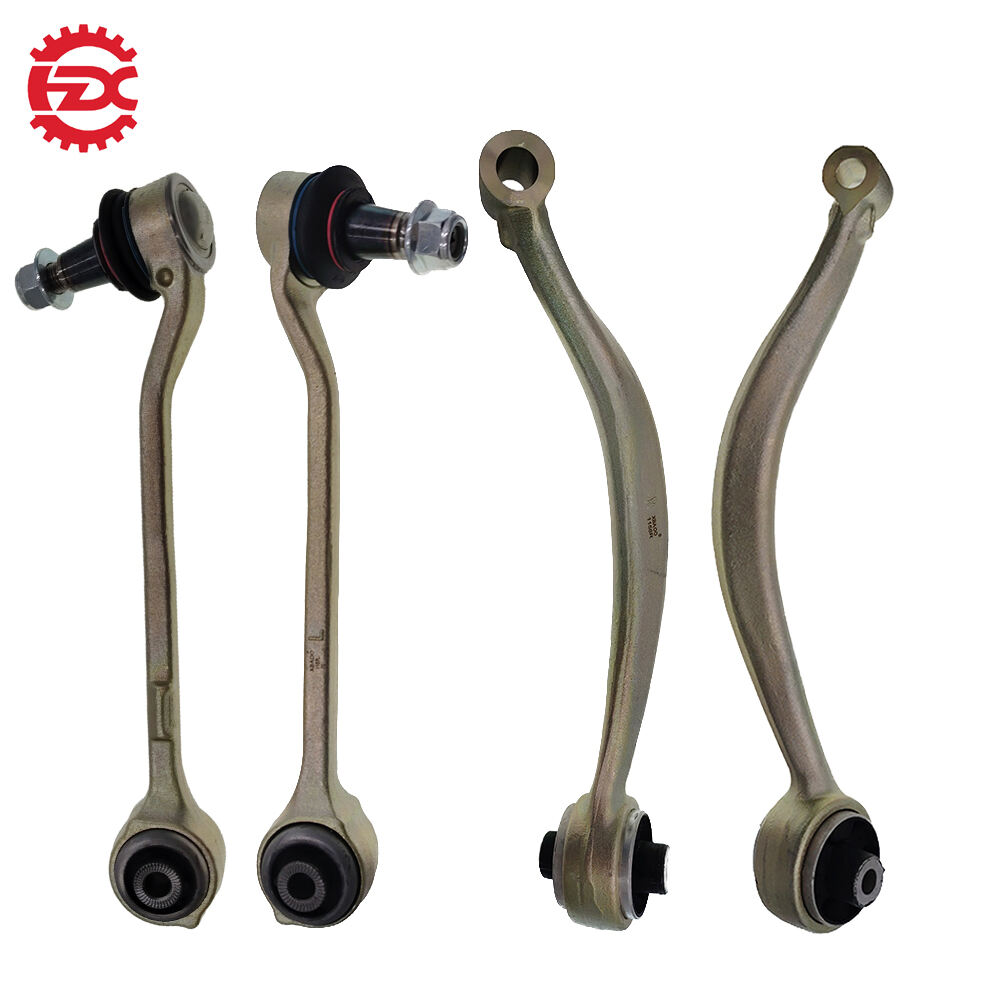
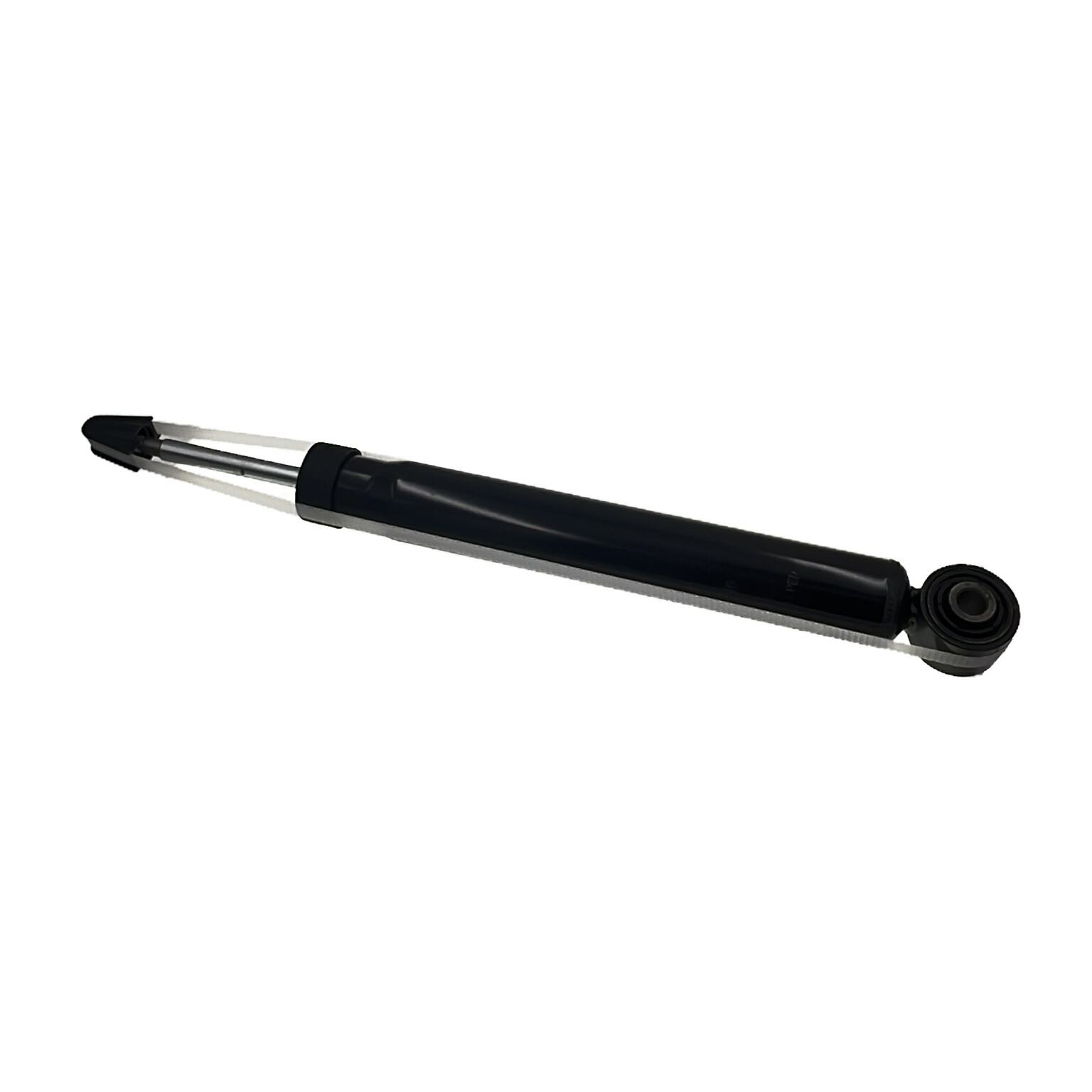
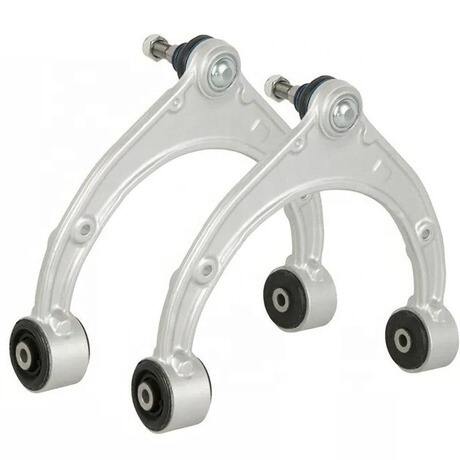
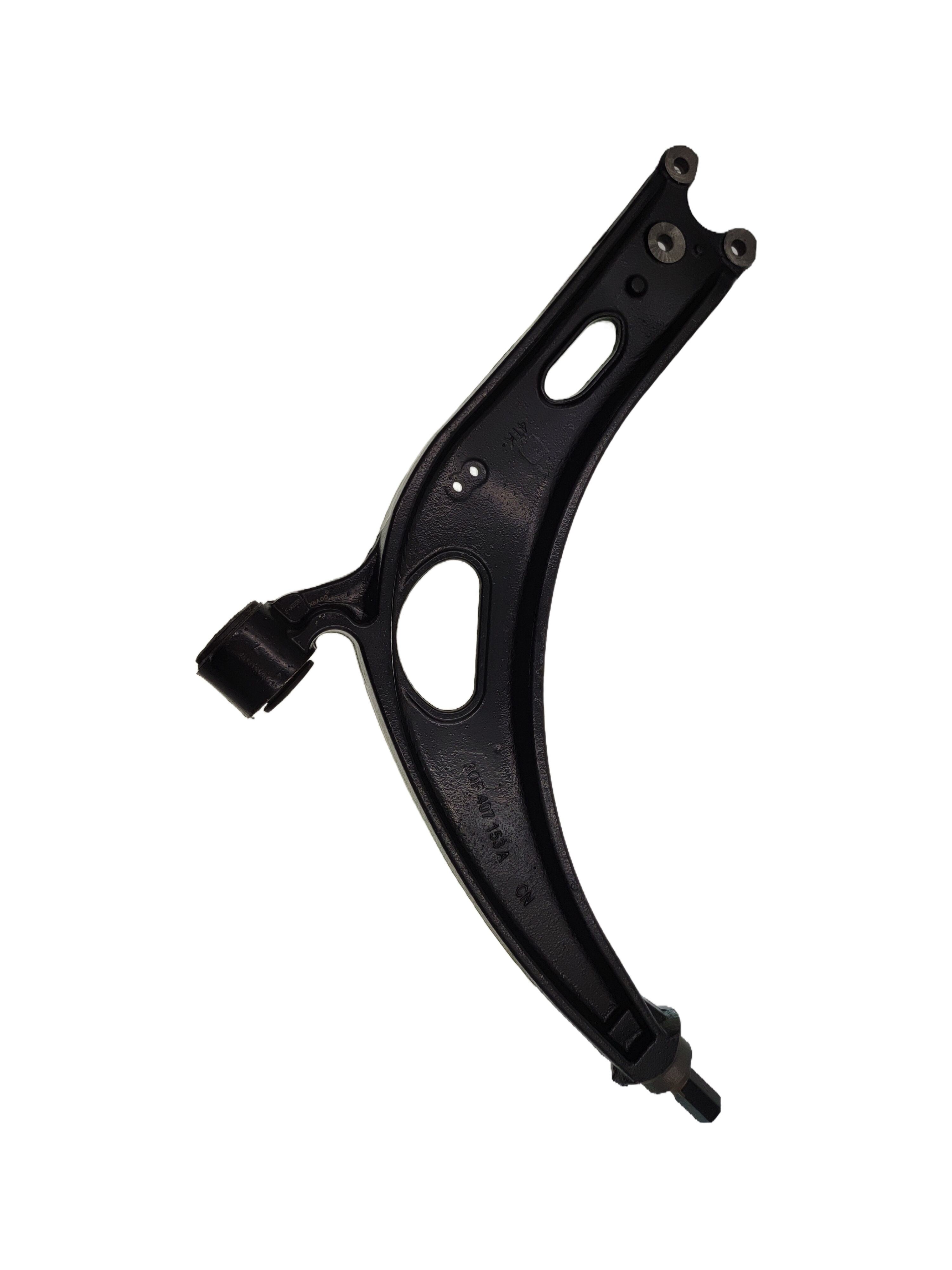
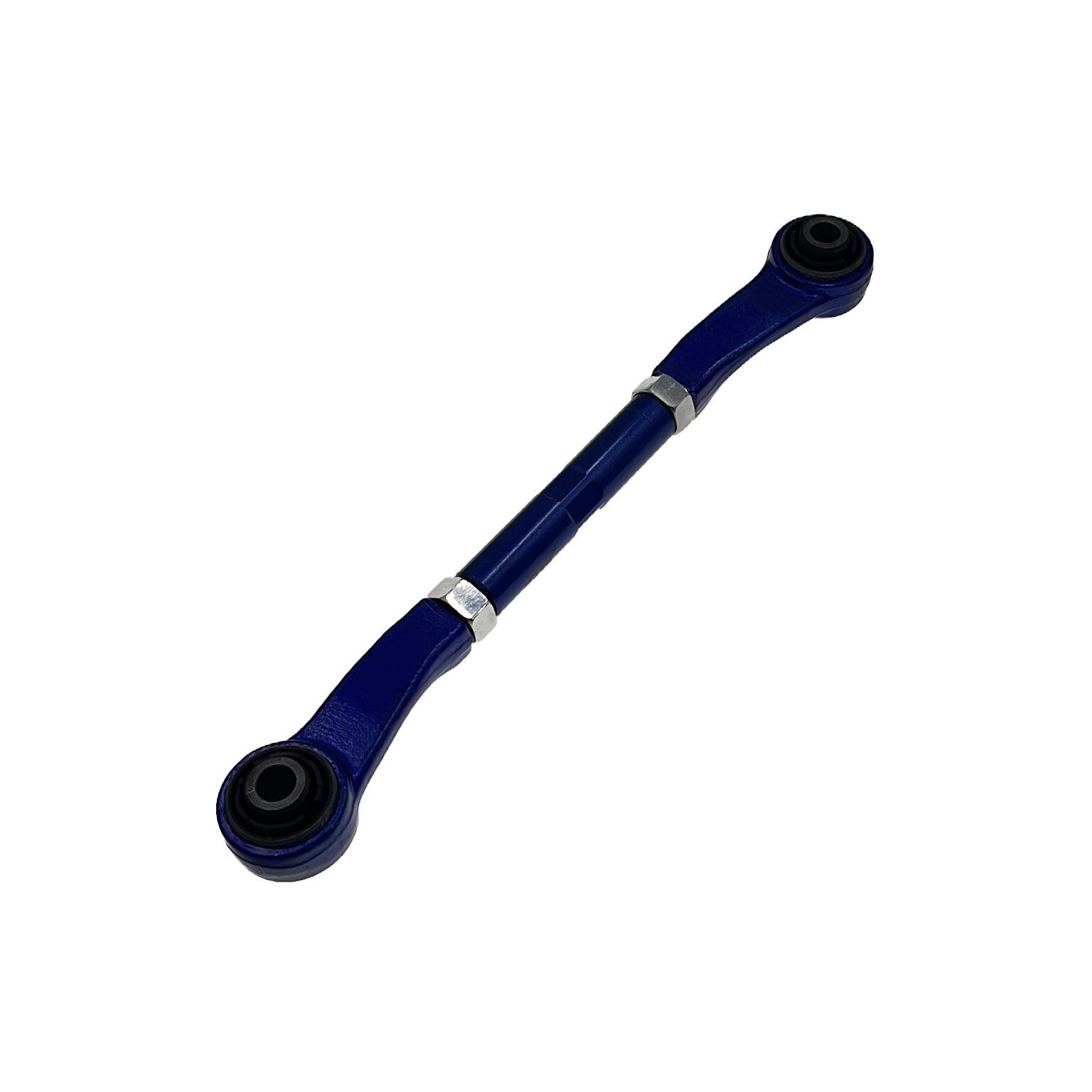
Custom suspension parts fabrication represents a specialized manufacturing process that creates tailored suspension components designed to meet specific vehicle requirements and performance objectives. This advanced fabrication method combines precision engineering with cutting-edge manufacturing techniques to produce suspension parts that exceed standard OEM specifications. The process involves detailed analysis of vehicle dynamics, load requirements, and performance goals to design components that deliver superior handling, comfort, and durability. Custom suspension parts fabrication utilizes various materials including high-grade steel, aluminum alloys, titanium, and composite materials, each selected based on specific application requirements and performance criteria. The fabrication process incorporates multiple manufacturing techniques such as CNC machining, welding, heat treatment, and precision assembly to ensure optimal component performance. These fabricated parts include control arms, sway bars, coilover assemblies, shock absorbers, springs, bushings, and mounting brackets, all engineered to precise specifications. The technological features of custom suspension parts fabrication include computer-aided design software that enables precise modeling and simulation of component behavior under various operating conditions. Advanced material testing ensures each fabricated part meets stringent quality standards and performance requirements. The fabrication process also incorporates quality control measures throughout production, including dimensional inspection, material verification, and performance testing. Applications for custom suspension parts fabrication span across multiple industries including automotive racing, off-road vehicles, commercial trucks, specialty vehicles, and restoration projects. Performance vehicles benefit from enhanced handling characteristics and improved stability, while commercial applications gain from increased load capacity and extended service life. The fabrication process allows for modifications that accommodate specific vehicle modifications, weight distributions, and operational requirements, making it invaluable for specialized applications where standard components cannot deliver required performance levels.

 EN
EN