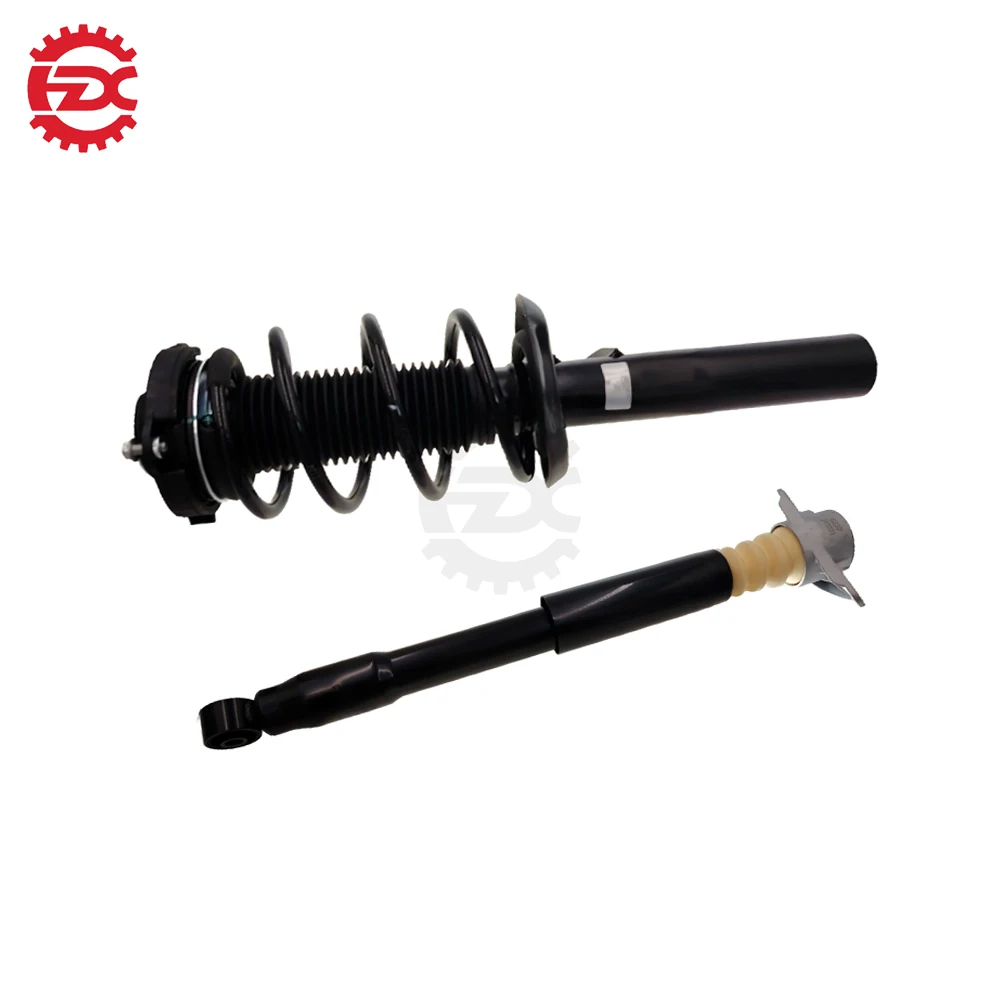
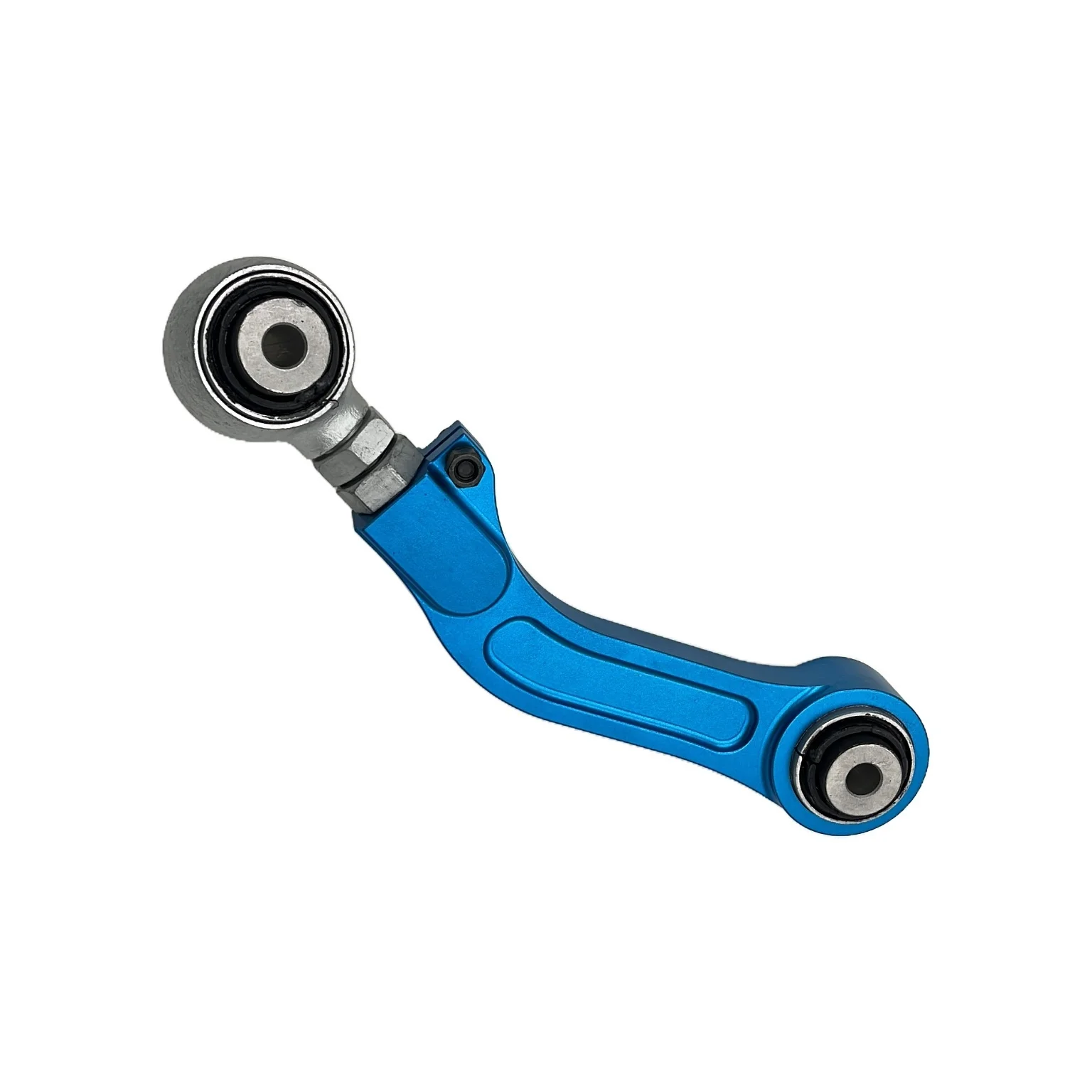
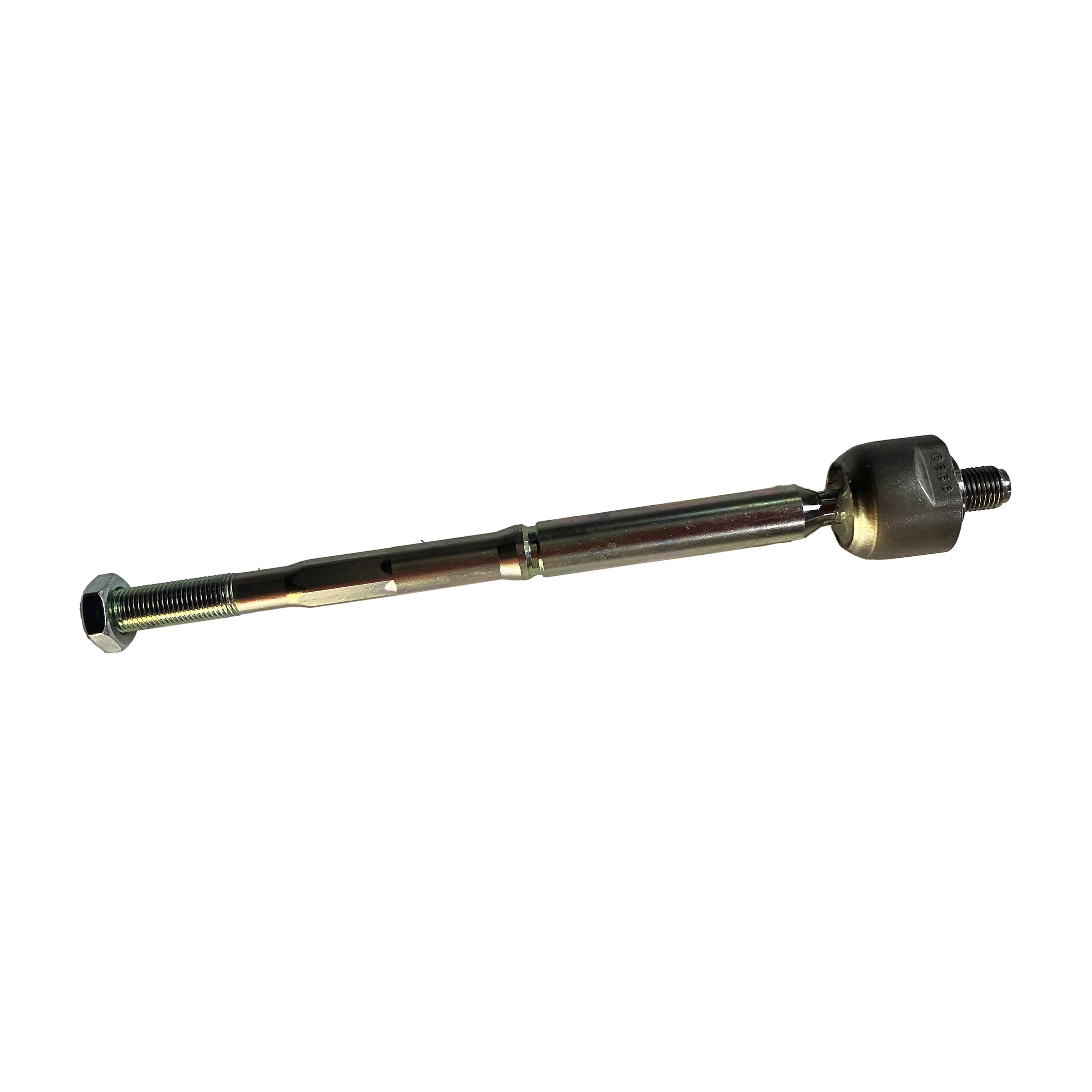
lower control arm factory
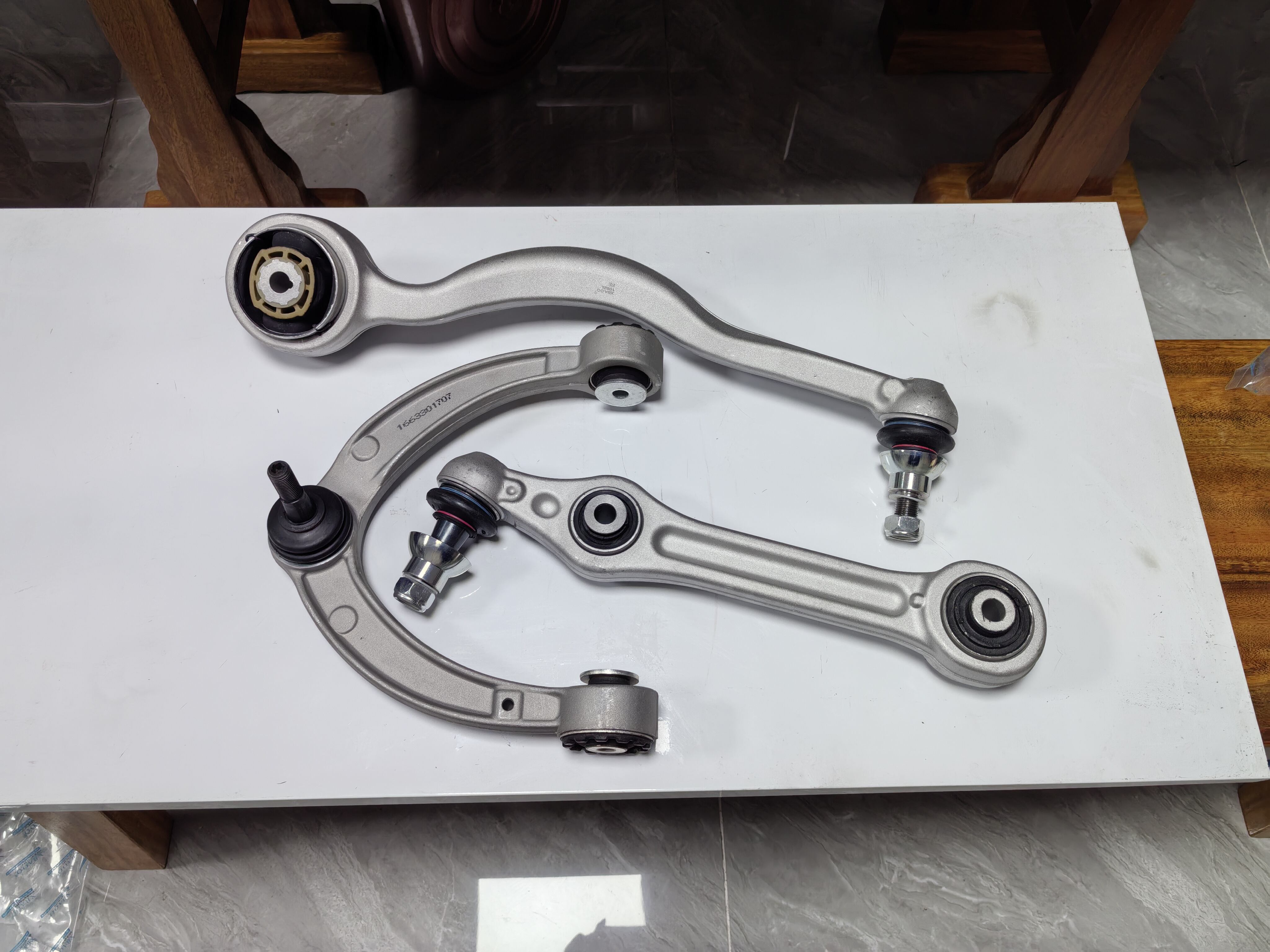
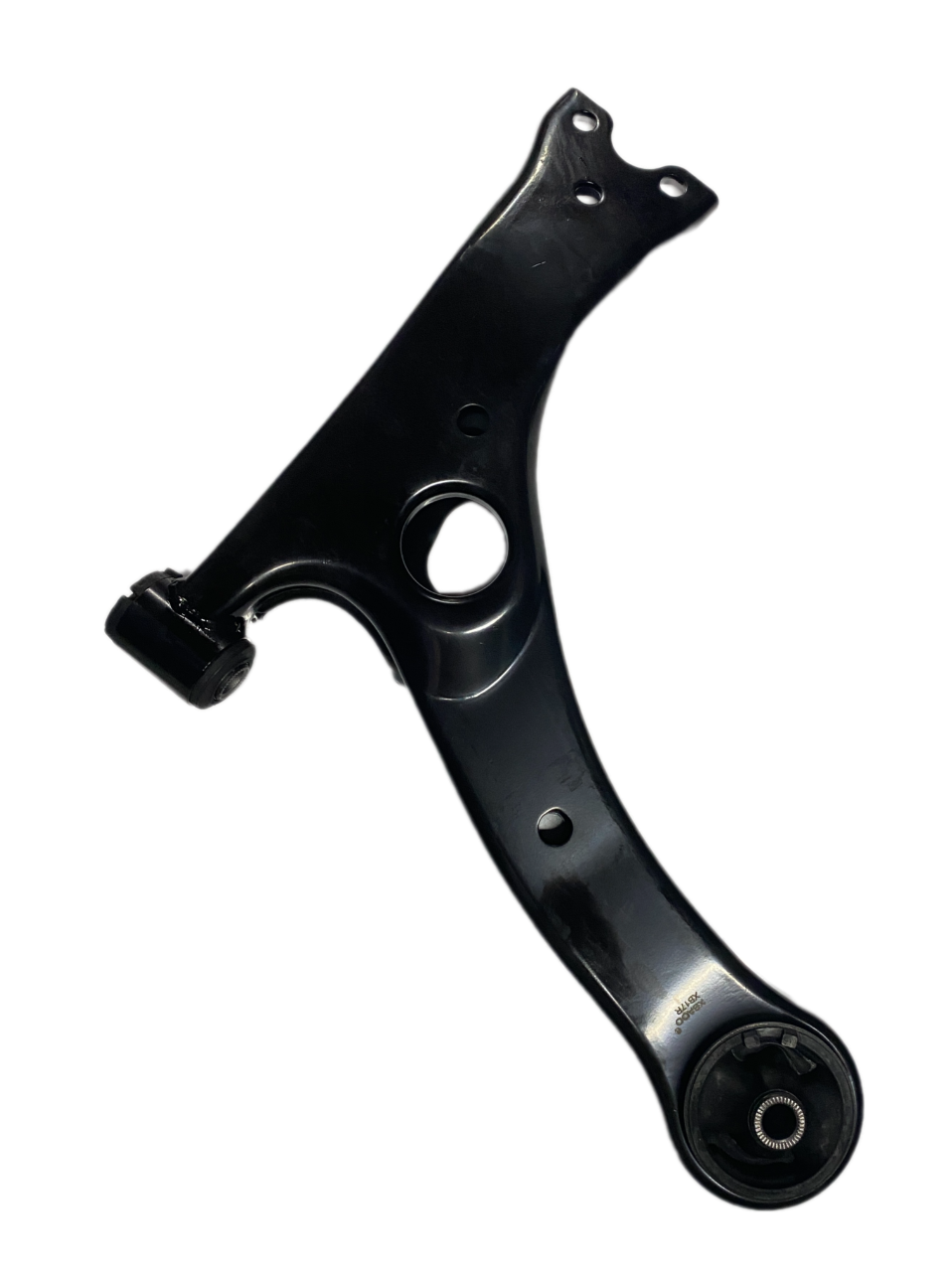
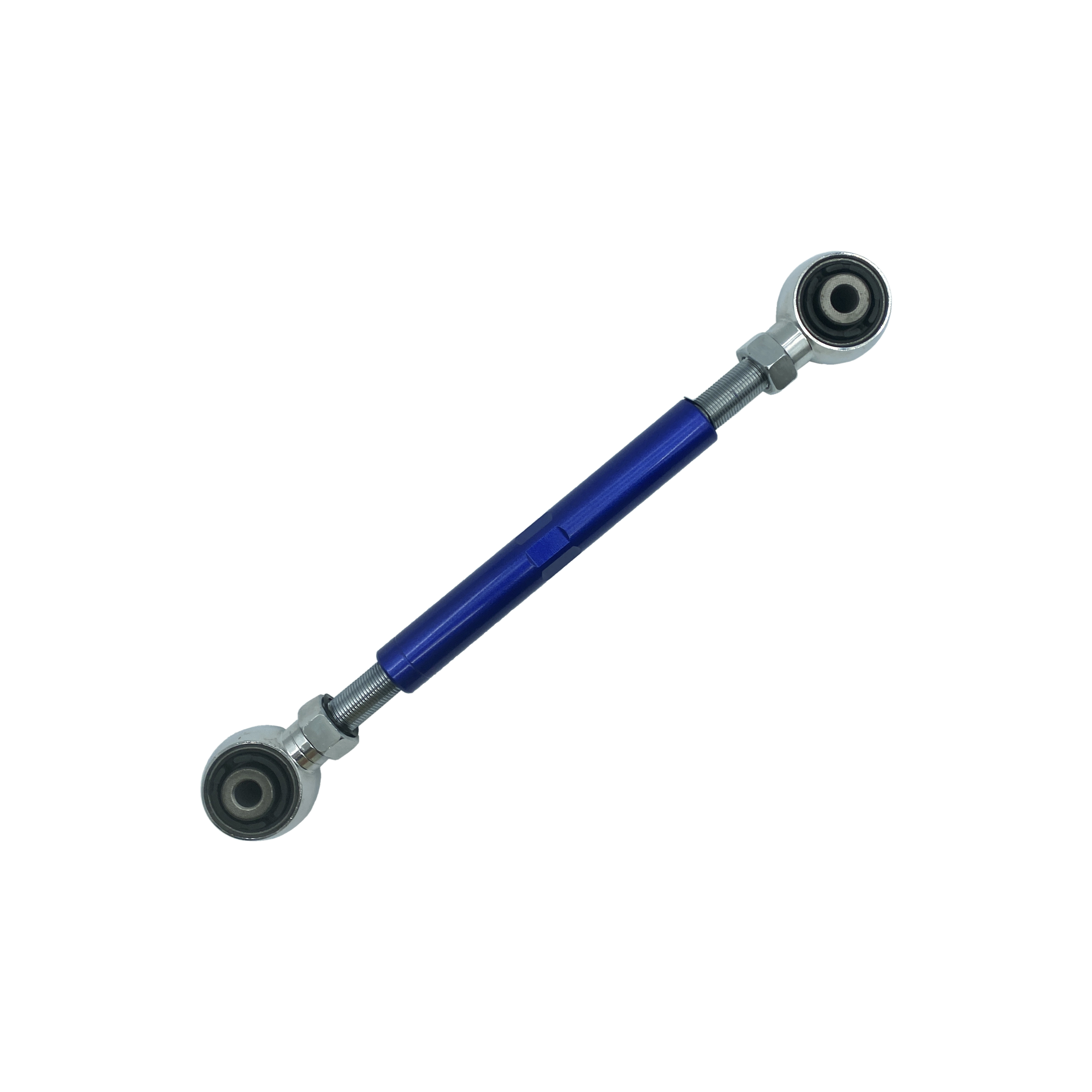
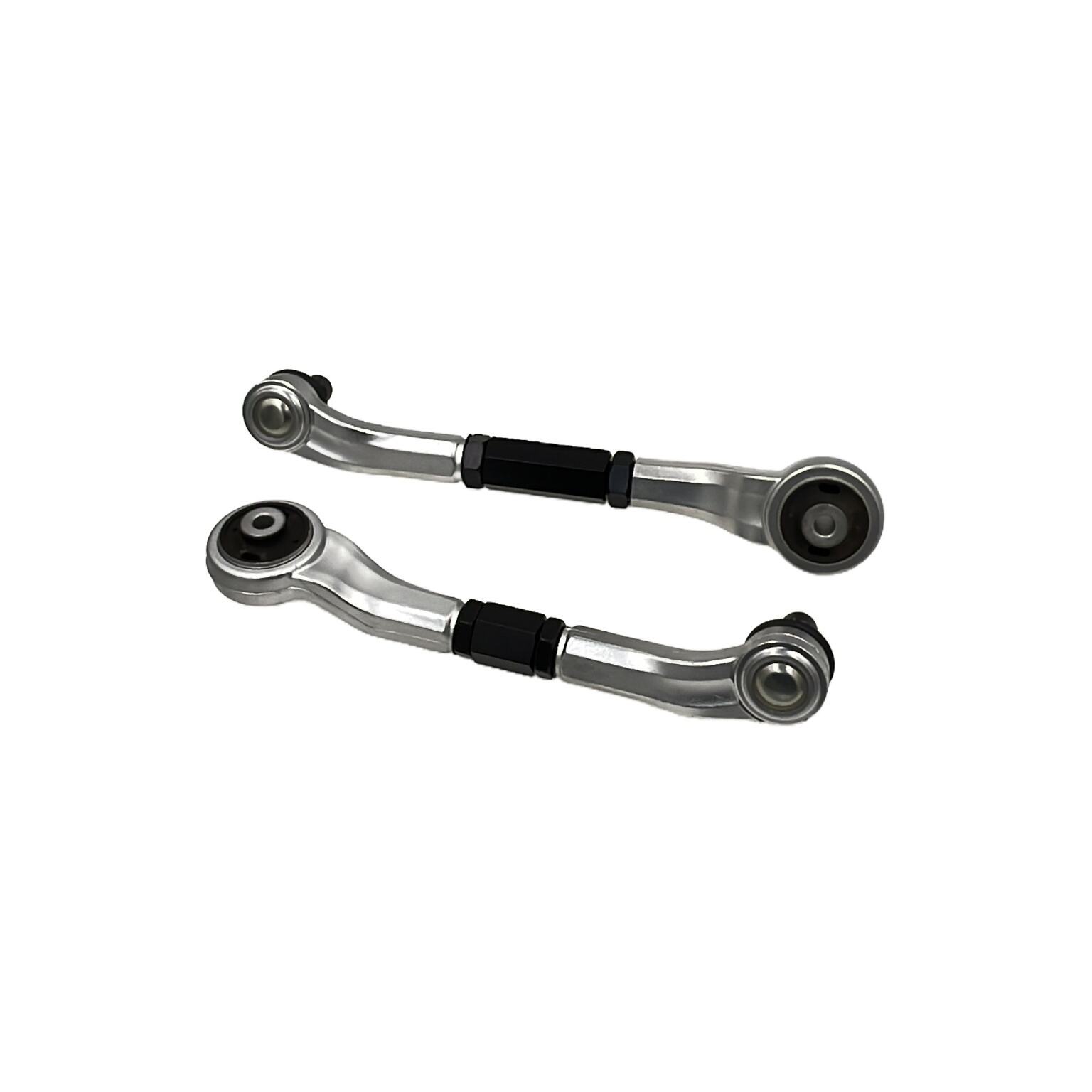
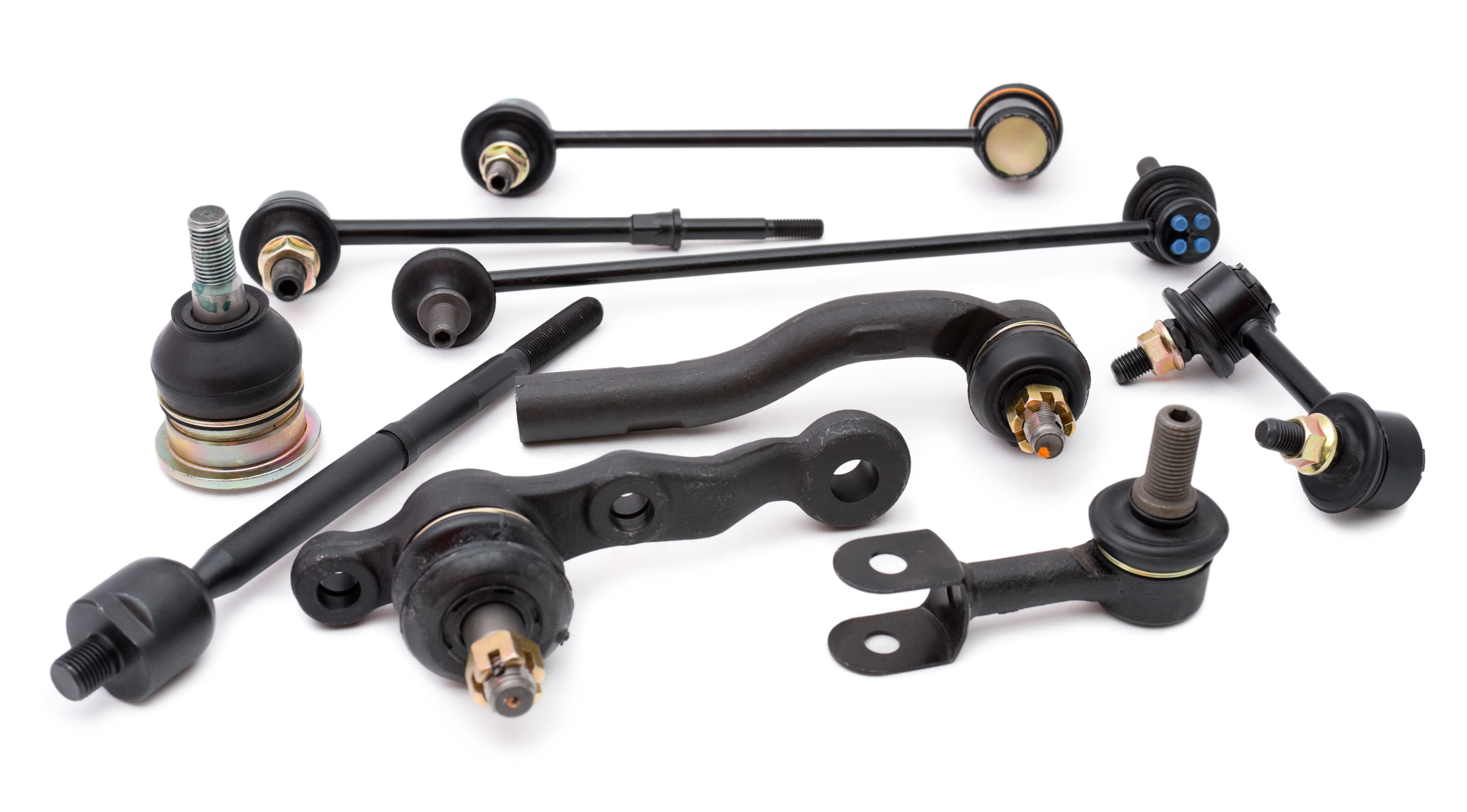
A lower control arm factory represents a specialized manufacturing facility dedicated to producing critical suspension components that connect vehicle wheels to the chassis. These manufacturing plants serve as essential pillars in the automotive industry, focusing exclusively on creating precision-engineered control arms that ensure optimal vehicle handling, safety, and performance. Modern lower control arm factory operations integrate advanced metallurgy, computer-aided design systems, and automated production lines to deliver components that meet stringent automotive standards. The primary function of a lower control arm factory involves transforming raw materials, typically high-grade steel or aluminum alloys, into precisely shaped suspension components through sophisticated forging, machining, and welding processes. These facilities employ cutting-edge technologies including robotic welding stations, CNC machining centers, and automated quality inspection systems to maintain consistent product excellence. The technological features of a contemporary lower control arm factory encompass multi-stage heat treatment processes, precision boring operations, and advanced coating applications that enhance durability and corrosion resistance. Quality control laboratories within these facilities conduct rigorous testing protocols including stress analysis, fatigue testing, and dimensional verification to ensure each component meets or exceeds original equipment manufacturer specifications. Applications of lower control arm factory products span across diverse automotive segments, from passenger vehicles and commercial trucks to heavy-duty industrial equipment and specialized racing applications. The factory's output directly impacts vehicle stability, steering precision, and overall driving safety, making these manufacturing facilities crucial contributors to automotive reliability. Environmental considerations have become increasingly important, with modern lower control arm factory operations implementing sustainable practices including waste reduction programs, energy-efficient manufacturing processes, and recyclable material usage to minimize environmental impact while maintaining production excellence.

 EN
EN