 EN
EN
When sourcing automotive steering components for your business, few decisions carry as much operational weight as selecting the right tie rod end. This small but critical component connects the steering rack to the wheel hub, translating driver input into precise directional movement. For distributors, repair shops, and fleet operators, understanding the distinctions between tie rod end types is not just a technical exercise — it is a procurement decision that directly affects vehicle safety, customer satisfaction, and long-term business profitability.
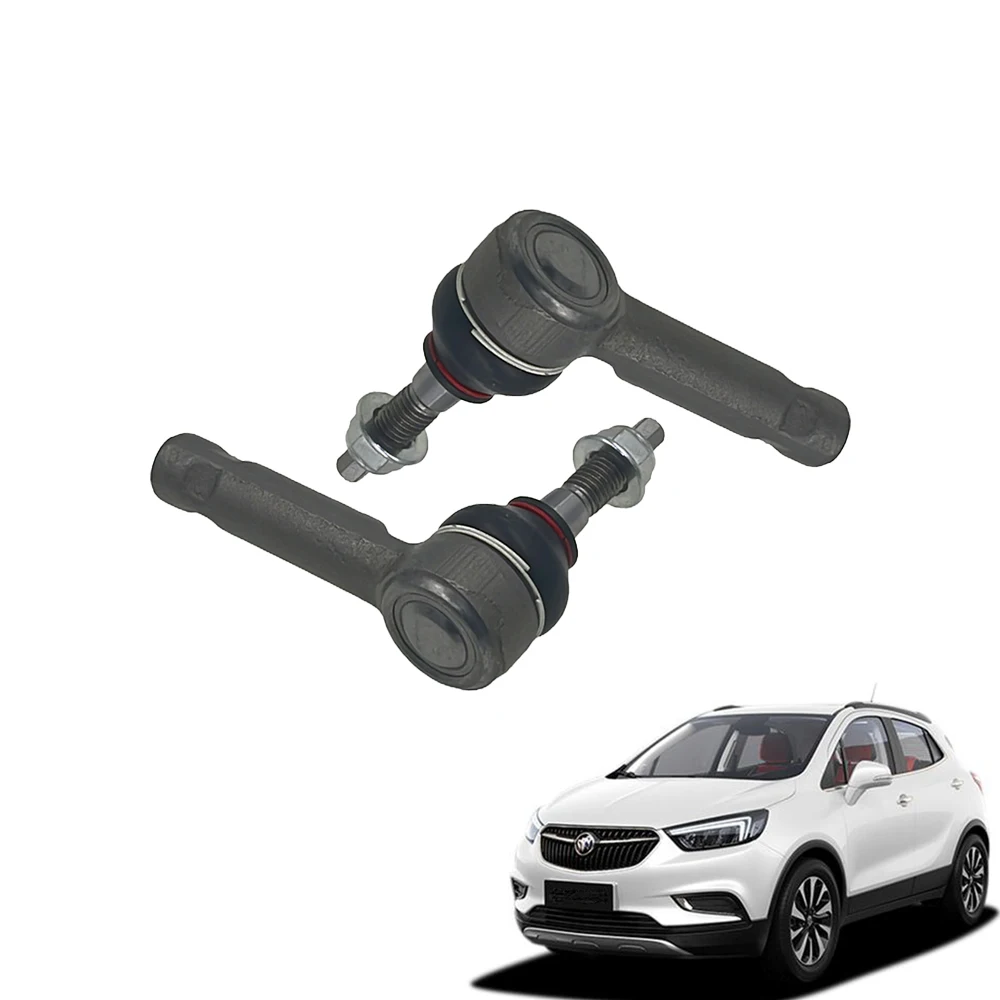
The tie rod end market offers a range of configurations, materials, and design philosophies, each suited to different vehicle platforms, operating environments, and business models. Evaluating these types with a structured, criteria-driven approach allows procurement teams and workshop managers to make informed decisions rather than defaulting to the lowest price point. This article walks through the key types of tie rod ends, the factors that differentiate them, and the practical considerations that should guide your business evaluation process.
Understanding the Role of the Tie Rod End in Steering Systems
How the Tie Rod End Functions Within the Steering Assembly
The tie rod end serves as the final mechanical link between the steering gear and the steered wheel. It consists of a ball stud housed within a socket, allowing rotational and angular movement as the suspension travels and the wheel turns. Without a properly functioning tie rod end, steering precision deteriorates rapidly, leading to uneven tire wear, alignment instability, and in severe cases, loss of directional control.
In rack-and-pinion steering systems, the tie rod end attaches to the outer end of the tie rod, which itself connects to the steering rack. In recirculating ball steering systems, the geometry differs slightly, but the tie rod end still performs the same pivoting function. Understanding this mechanical context helps businesses evaluate which tie rod end design is appropriate for the vehicle platforms they service most frequently.
The tie rod end must withstand significant lateral and axial forces during normal driving, particularly during cornering, braking, and road impact events. This load-bearing requirement makes material quality, joint design, and sealing integrity critical evaluation criteria for any business sourcing these components at scale.
Why Tie Rod End Type Matters for Business Procurement
For a business purchasing tie rod ends in volume, the type selected has downstream consequences beyond the initial transaction. A tie rod end that fails prematurely generates warranty claims, repeat labor costs, and reputational damage. Conversely, over-specifying a heavy-duty tie rod end for a light passenger vehicle application inflates costs without delivering proportional benefit.
Procurement teams must therefore align tie rod end type selection with the specific vehicle makes, models, and use cases their business serves. A fleet maintenance operation managing commercial vans has different requirements than an independent repair shop servicing compact passenger cars. Recognizing these distinctions is the foundation of a sound evaluation process.
Main Types of Tie Rod Ends and Their Distinguishing Characteristics
Inner Versus Outer Tie Rod Ends
The most fundamental classification in tie rod end procurement is the distinction between inner and outer variants. The outer tie rod end is the component most commonly replaced in service, as it is exposed to road debris, moisture, and mechanical stress at the wheel end. The inner tie rod end connects closer to the steering rack and is generally more protected, though it still requires periodic inspection and replacement.
For businesses evaluating tie rod end inventory, stocking both inner and outer variants for high-volume vehicle platforms ensures comprehensive service capability. The outer tie rod end typically features a tapered stud that fits into the steering knuckle, secured by a castle nut and cotter pin. The inner tie rod end uses a threaded or rack-mounted connection. These different attachment methods mean that inner and outer tie rod ends are not interchangeable, and procurement must account for both positions when building parts inventory.
The outer tie rod end is also the component most directly involved in wheel alignment adjustment. Its threaded connection to the tie rod shaft allows technicians to adjust toe angle by rotating the tie rod end in or out. This adjustability is a key functional feature that businesses should verify is preserved in any replacement tie rod end they source.
Greaseable Versus Sealed Tie Rod Ends
Another important type distinction is whether the tie rod end uses a greaseable or sealed ball joint design. Greaseable tie rod ends feature a grease fitting, commonly a Zerk fitting, that allows periodic lubrication to be injected into the ball socket. This design extends service life in demanding conditions and is favored in commercial vehicle and off-road applications where maintenance intervals are well-managed.
Sealed tie rod ends, by contrast, are pre-lubricated at the factory and enclosed with a rubber or thermoplastic boot that retains grease and excludes contaminants. This design is standard on most modern passenger vehicles and requires no maintenance lubrication during its service life. For businesses serving retail customers or operating in markets where maintenance compliance is inconsistent, sealed tie rod ends offer a more predictable service life profile.
The choice between greaseable and sealed designs should reflect the operating environment and maintenance culture of the end user. Businesses supplying parts to professional fleet operators with structured maintenance programs may find greaseable tie rod ends deliver better total cost of ownership. Businesses supplying to general consumers or light-duty passenger vehicle workshops will typically find sealed designs more appropriate and commercially practical.
OEM-Equivalent Versus Heavy-Duty Aftermarket Designs
Beyond the greaseable versus sealed distinction, tie rod ends are also differentiated by their design specification relative to the original equipment. OEM-equivalent tie rod ends are engineered to match the original vehicle manufacturer's specifications in terms of dimensions, load ratings, and material grades. These are the appropriate choice for standard passenger vehicle applications where the goal is reliable, like-for-like replacement.
Heavy-duty aftermarket tie rod ends are designed with upgraded materials, larger ball studs, or reinforced housings to exceed OEM specifications. These are relevant for vehicles that have been modified for towing, off-road use, or commercial service beyond their original design parameters. For businesses serving specialty vehicle segments, stocking heavy-duty tie rod end options alongside standard variants broadens service capability and supports premium pricing.
It is important for procurement teams to verify that heavy-duty tie rod ends maintain dimensional compatibility with the original steering geometry. A tie rod end with a different stud taper angle or thread pitch will not install correctly and may compromise alignment or safety. Specification verification should be a mandatory step in evaluating any non-OEM tie rod end for business use.
Key Evaluation Criteria for Business Sourcing Decisions
Material Quality and Construction Standards
The tie rod end housing is typically manufactured from forged steel, cast iron, or in some lighter applications, aluminum alloy. Forged steel offers the best combination of strength and fatigue resistance and is the preferred material for any tie rod end intended for demanding service. Cast iron is acceptable for light-duty applications but may be more susceptible to impact fracture. Businesses should request material certification or specification sheets from suppliers to verify construction standards before committing to volume purchases.
The ball stud itself is a critical wear surface. High-quality tie rod ends use hardened steel studs with precision-ground surfaces to minimize play development over time. The socket liner material also matters — PTFE-lined sockets offer low friction and good wear resistance, while nylon or acetal liners are common in economy-grade components. For businesses where warranty exposure is a concern, specifying tie rod ends with hardened studs and quality liner materials reduces the risk of premature failure claims.
Boot Integrity and Environmental Sealing
The rubber or thermoplastic boot that covers the ball joint is the tie rod end's primary defense against contamination. Boot failure is one of the most common causes of accelerated tie rod end wear, as it allows road grit, water, and corrosive materials to enter the joint. When evaluating tie rod end types for business procurement, boot material and retention design deserve careful attention.
Neoprene and EPDM rubber boots offer good resistance to temperature cycling and chemical exposure. Thermoplastic elastomer boots are increasingly common and can offer superior durability in extreme temperature environments. The boot retention method — whether crimped, clamped, or molded — also affects long-term sealing reliability. Businesses operating in regions with harsh winters, road salt exposure, or high-dust environments should prioritize tie rod ends with robust boot designs as a core selection criterion.
Fitment Accuracy and Application Coverage
For businesses managing parts inventory across multiple vehicle platforms, fitment accuracy is a non-negotiable evaluation criterion. A tie rod end that does not fit correctly creates installation problems, alignment errors, and potential safety issues. Procurement teams should verify fitment data against authoritative vehicle application databases and cross-reference stud dimensions, thread specifications, and overall length before approving a tie rod end for stock.
Application coverage breadth is also a business consideration. Sourcing tie rod ends from a supplier with wide vehicle coverage reduces the number of supplier relationships required and simplifies inventory management. However, breadth of coverage should never be prioritized over fitment accuracy. A tie rod end listed for a vehicle that it does not correctly fit is a liability, not an asset, in any parts business.
Matching Tie Rod End Types to Your Business Model
Repair Shops and Independent Service Centers
For independent repair shops, the primary tie rod end evaluation criteria are fitment accuracy, installation ease, and reliable service life. Shops need tie rod ends that install without modification, align correctly on the first attempt, and do not generate comebacks within a reasonable warranty period. OEM-equivalent sealed tie rod ends from verified suppliers typically represent the best fit for this business model.
Shops that specialize in specific vehicle brands or models can benefit from stocking tie rod ends optimized for those platforms, including any platform-specific design features such as integrated dust shields or specific stud geometries. Specialization allows for deeper product knowledge and more confident recommendations to customers, which supports both service quality and business reputation.
Fleet Operators and Commercial Vehicle Managers
Fleet operators managing commercial vehicles have a different tie rod end evaluation framework. Total cost of ownership, maintenance interval alignment, and component standardization across the fleet are the dominant criteria. Greaseable tie rod ends may offer cost advantages in fleets with disciplined lubrication programs, as extended service life reduces replacement frequency and associated labor costs.
Fleet procurement teams should also evaluate tie rod end suppliers on their ability to provide consistent supply, reliable documentation, and responsive technical support. A tie rod end that performs well but is subject to supply disruptions creates operational risk for fleet maintenance schedules. Supplier reliability is therefore as important as component quality in the fleet procurement context.
Parts Distributors and Wholesale Buyers
For parts distributors, tie rod end evaluation must balance product quality, application coverage, pricing competitiveness, and supplier terms. Distributors need to offer tie rod ends that their workshop customers will trust and reorder consistently. This means prioritizing tie rod ends with strong fitment accuracy, clear application data, and a track record of reliable performance in the field.
Distributors should also consider the packaging and labeling quality of tie rod ends they stock. Clear part number identification, vehicle application information, and installation instructions reduce errors at the workshop level and minimize returns. A well-packaged tie rod end with accurate documentation reflects positively on the distributor's brand and reduces customer service burden.
FAQ
What is the difference between an inner and outer tie rod end?
The inner tie rod end connects to the steering rack or gear box, while the outer tie rod end connects to the steering knuckle at the wheel. The outer tie rod end is more exposed to road conditions and is replaced more frequently. Both types are essential to steering function and must be evaluated separately when sourcing parts for a specific vehicle application.
How do I know if a tie rod end is the right fit for a specific vehicle?
Fitment should be verified using the vehicle's year, make, model, and trim level against a reliable application database. Key dimensional checks include stud taper angle, thread pitch, stud length, and overall assembly length. Always cross-reference supplier application data with OEM specifications before approving a tie rod end for installation or inventory stocking.
Is a sealed tie rod end better than a greaseable one for most business applications?
For most passenger vehicle and light-duty applications, sealed tie rod ends are the practical choice because they require no maintenance and deliver consistent performance across their service life. Greaseable tie rod ends offer advantages in commercial, off-road, or heavy-duty applications where maintenance programs are structured and extended service life justifies the added maintenance requirement. The best choice depends on the vehicle type and the end user's maintenance capability.
What should businesses look for when evaluating a tie rod end supplier?
Key supplier evaluation criteria include fitment accuracy and application data quality, material and construction specifications, boot design and sealing integrity, supply consistency, and technical support responsiveness. Businesses should also assess whether the supplier can provide documentation such as material certifications or dimensional drawings, particularly for volume procurement or fleet supply contracts where accountability is important.