 EN
EN
When it comes to steering precision and vehicle safety, the tie rod end is one of the most critical components in your suspension and steering system. This small but essential part connects the steering rack to the wheel hub, translating the driver's input into actual directional movement. A worn or failing tie rod end can lead to loose steering, uneven tire wear, and in severe cases, complete loss of vehicle control. Understanding what separates a high-quality tie rod end from a substandard one is the first step toward making a smart purchasing decision in 2025.
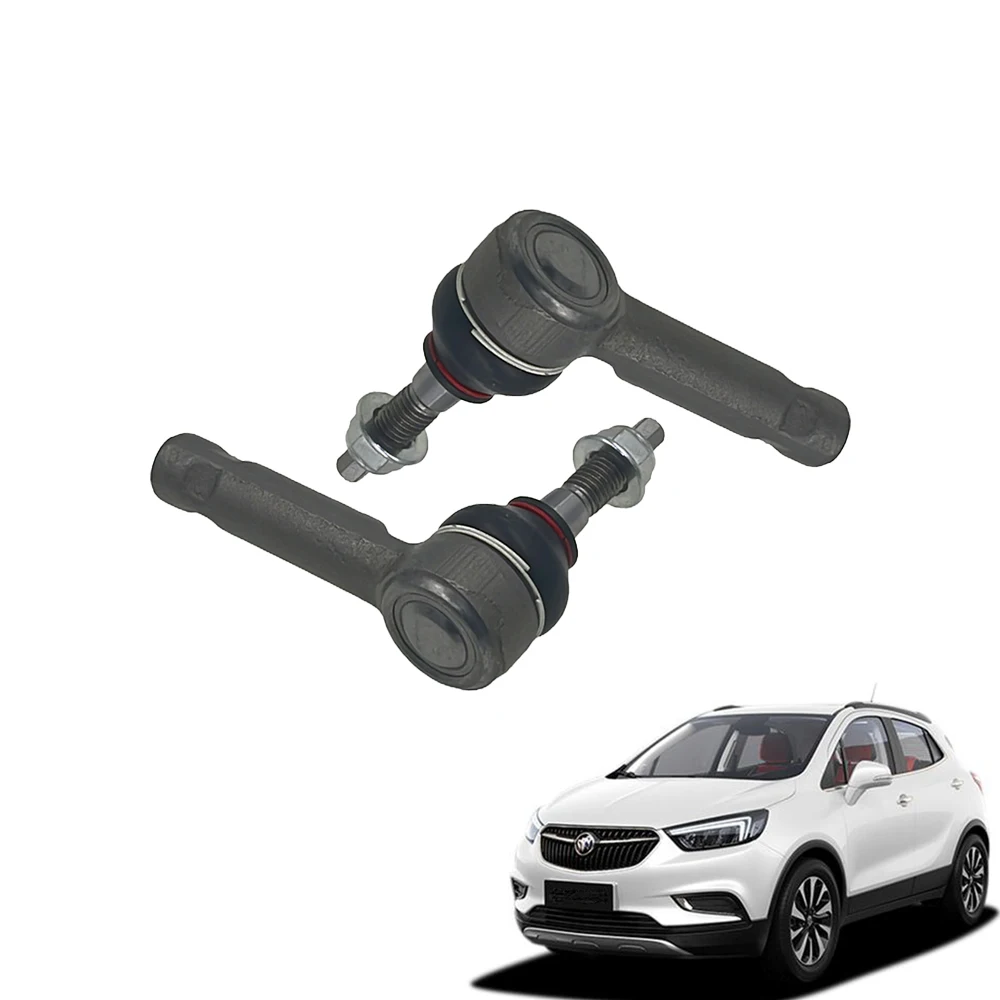
With so many options available across different price points and vehicle applications, comparing tie rod end products requires more than just looking at the price tag. Factors such as material quality, grease retention, load capacity, and fitment accuracy all play a role in determining long-term performance. This article breaks down the key criteria that define a top-performing tie rod end in 2025, helping mechanics, fleet managers, and vehicle owners make informed decisions without relying on brand hype or misleading marketing claims.
What Makes a Tie Rod End High Quality
Material and Construction Standards
The foundation of any reliable tie rod end is the quality of its raw materials. High-grade forged steel is the industry benchmark for the stud and housing, offering superior tensile strength compared to cast alternatives. Forged components resist deformation under lateral stress, which is especially important in vehicles that handle heavy loads or operate on rough terrain. When evaluating a tie rod end, checking whether the manufacturer specifies forged or cast construction is a meaningful starting point.
The ball stud inside the tie rod end must also meet strict hardness and surface finish standards. A properly hardened stud reduces wear over time and maintains consistent articulation angles throughout the component's service life. Poor surface finishing accelerates wear on the bearing socket, leading to premature looseness and the characteristic clunking noise that signals a failing tie rod end. Quality manufacturers invest in precision machining to ensure tight tolerances between the stud and socket.
Corrosion resistance is another dimension of material quality that is often overlooked. Zinc plating, black oxide coating, or other surface treatments protect the tie rod end housing from rust and oxidation, particularly in regions where road salt is used during winter months. A tie rod end that corrodes quickly will seize in its mounting position, making future replacement far more difficult and potentially damaging surrounding components.
Grease Retention and Sealing Design
Lubrication is what keeps a tie rod end functioning smoothly over thousands of miles. The grease boot, typically made from thermoplastic elastomer or rubber, must maintain an airtight seal to prevent contamination from water, dirt, and road debris. A compromised boot allows abrasive particles to enter the ball socket, accelerating wear and shortening the component's lifespan significantly. Top-tier tie rod end products use multi-lip boot designs that provide redundant sealing even under flexing conditions.
Some tie rod end designs feature pre-packed grease that is sealed for life, eliminating the need for periodic re-greasing. Others include a grease fitting that allows technicians to inject fresh lubricant during routine maintenance. Both approaches have merit depending on the application. For high-mileage commercial vehicles or off-road use, a greaseable tie rod end offers a practical advantage because the lubrication can be refreshed as conditions demand. For standard passenger vehicles, a sealed unit often provides sufficient longevity with less maintenance overhead.
Key Selection Criteria When Comparing Tie Rod End Products
OEM Fitment Accuracy and Dimensional Compliance
One of the most important factors when selecting a tie rod end is whether it meets the original equipment manufacturer's dimensional specifications. A tie rod end that does not match the OEM thread pitch, stud diameter, or overall length will either fail to install correctly or introduce alignment errors that compromise steering geometry. Reputable aftermarket suppliers invest in reverse engineering and dimensional validation to ensure their tie rod end products match OEM specifications precisely.
Fitment accuracy also extends to the taper angle of the ball stud. The tapered stud must seat correctly in the steering knuckle to achieve the proper clamping force when the castle nut is torqued. An incorrect taper angle can cause the stud to spin during installation or to seat too shallowly, reducing the effective clamping area and increasing the risk of loosening under dynamic loads. This is a detail that distinguishes a properly engineered tie rod end from a generic substitute.
For specific vehicle platforms such as the Buick Encore and Chevrolet Trax, which share a common chassis architecture, the tie rod end must meet the exact specifications defined for that platform. These compact crossovers place particular demands on the inner and outer tie rod end due to their front-wheel-drive layout and the steering geometry required for urban maneuverability. Using a tie rod end that is validated for these specific models eliminates guesswork and reduces the risk of premature failure.
Load Rating and Articulation Range
Every tie rod end is rated for a specific range of axial and radial loads. Exceeding these ratings, whether through overloading the vehicle or through aggressive driving conditions, accelerates wear and can lead to sudden failure. When comparing tie rod end products, reviewing the load rating relative to the vehicle's gross axle weight rating provides a meaningful benchmark. A tie rod end that is marginally rated for the application will wear out faster than one with a comfortable load margin.
Articulation range refers to the angular movement the ball stud can accommodate without binding. Insufficient articulation range causes the tie rod end to bind at full steering lock or during suspension travel, introducing stress concentrations that fatigue the component prematurely. A well-designed tie rod end provides adequate articulation to accommodate the full range of suspension and steering movement specified for the vehicle without placing excessive stress on the boot or the ball socket.
How to Evaluate Tie Rod End Performance in Real-World Conditions
Wear Indicators and Inspection Methods
Understanding how a tie rod end wears in service helps technicians and vehicle owners identify when replacement is necessary before a failure occurs. The most common wear pattern involves gradual loosening of the ball socket, which manifests as play in the steering wheel, a wandering sensation at highway speeds, or a clunking noise when traversing bumps. A simple physical inspection involves grasping the tie rod end and attempting to move it by hand while an assistant turns the steering wheel. Any detectable play indicates that the tie rod end has exceeded its wear tolerance.
Visual inspection of the grease boot is equally important. Cracks, tears, or missing sections of the boot allow contamination to enter the ball socket, dramatically accelerating wear. A tie rod end with a damaged boot should be replaced promptly even if the ball socket still feels tight, because contamination-driven wear can progress rapidly once the sealing barrier is compromised. High-quality tie rod end products use boot materials that resist cracking from UV exposure and temperature cycling, extending the inspection interval.
Installation Quality and Torque Compliance
Even the best tie rod end will underperform if it is installed incorrectly. Proper installation requires cleaning the tapered bore in the steering knuckle to remove rust and debris, ensuring the stud seats fully before the nut is torqued. The castle nut must be tightened to the manufacturer's specified torque value and secured with a cotter pin to prevent loosening. Under-torquing allows the stud to move within the bore, accelerating wear and potentially causing the nut to back off entirely.
After replacing a tie rod end, a wheel alignment check is mandatory. The tie rod end adjustment affects the toe setting of the front wheels, and any change in the tie rod end length or position will alter the alignment. Driving with incorrect toe settings causes rapid and uneven tire wear, negating the cost savings of a quality tie rod end replacement. Professional alignment equipment ensures that the steering geometry is restored to factory specifications after the new tie rod end is installed.
Understanding the Value Proposition of Aftermarket Tie Rod End Products
Cost Versus Quality Trade-offs
The aftermarket tie rod end segment spans a wide range of price points, from budget-oriented options to premium products that approach OEM pricing. The temptation to select the lowest-cost tie rod end is understandable, particularly for high-volume repair shops managing tight margins. However, the total cost of ownership calculation must account for labor time, alignment costs, and the risk of callback repairs if a low-quality tie rod end fails prematurely. A tie rod end that lasts twice as long at a modest price premium often delivers better value over the vehicle's service life.
Premium aftermarket tie rod end products typically justify their higher price through better material specifications, tighter dimensional tolerances, and more rigorous quality control processes. Some suppliers provide test documentation or certification data that allows buyers to verify compliance with relevant standards. For fleet operators managing large numbers of vehicles, the ability to standardize on a validated tie rod end product reduces variability in maintenance outcomes and simplifies inventory management.
Warranty and Supply Chain Reliability
A meaningful warranty is a signal of the supplier's confidence in their tie rod end product. Warranties that cover defects in materials and workmanship for a defined mileage or time period provide a practical safety net for repair shops and end users. When comparing tie rod end options, reviewing the warranty terms and the supplier's track record for honoring claims provides useful information about the real-world reliability of the product.
Supply chain reliability is particularly relevant for repair shops that need consistent access to specific tie rod end part numbers. A supplier that maintains stable inventory, provides accurate fitment data, and offers responsive technical support reduces the operational friction associated with sourcing replacement parts. For popular vehicle platforms like the Buick Encore and Chevrolet Trax, ensuring that the chosen tie rod end supplier can fulfill orders consistently is a practical consideration that goes beyond the product itself.
FAQ
How often should a tie rod end be replaced?
There is no fixed replacement interval for a tie rod end because wear rate depends on driving conditions, vehicle load, and road quality. Most technicians recommend inspecting the tie rod end during every brake service or tire rotation, typically every 12,000 to 15,000 miles. Any detectable play, boot damage, or steering irregularity warrants immediate replacement regardless of mileage. Vehicles operated in harsh conditions or on unpaved roads may require more frequent tie rod end inspection and replacement.
Can a worn tie rod end cause tire wear?
Yes, a worn tie rod end directly affects wheel alignment, particularly the toe setting. When the tie rod end develops play, the toe angle becomes inconsistent during driving, causing the tire to scrub laterally against the road surface. This produces a characteristic feathering or sawtooth wear pattern on the tire tread. Replacing the worn tie rod end and performing a wheel alignment will stop the abnormal wear, though tires that have already been significantly worn may need replacement as well.
Is it necessary to replace both tie rod ends at the same time?
Replacing both the inner and outer tie rod end on the same side is generally recommended when either component shows significant wear, because both parts experience similar service conditions and wear at comparable rates. Replacing only the outer tie rod end while leaving a worn inner tie rod end in place often results in a repeat repair within a short period. Whether to replace both sides simultaneously depends on the inspection findings, but replacing in axle pairs reduces total labor cost over time.
What symptoms indicate a failing tie rod end?
The most common symptoms of a failing tie rod end include a loose or wandering steering feel, vibration in the steering wheel, a clunking or rattling noise from the front suspension when driving over bumps, and uneven or rapid tire wear. In advanced cases, the vehicle may pull to one side or the steering may feel vague and unresponsive. Any of these symptoms should prompt an immediate inspection of the tie rod end and related steering components to prevent a more serious failure.