 EN
EN
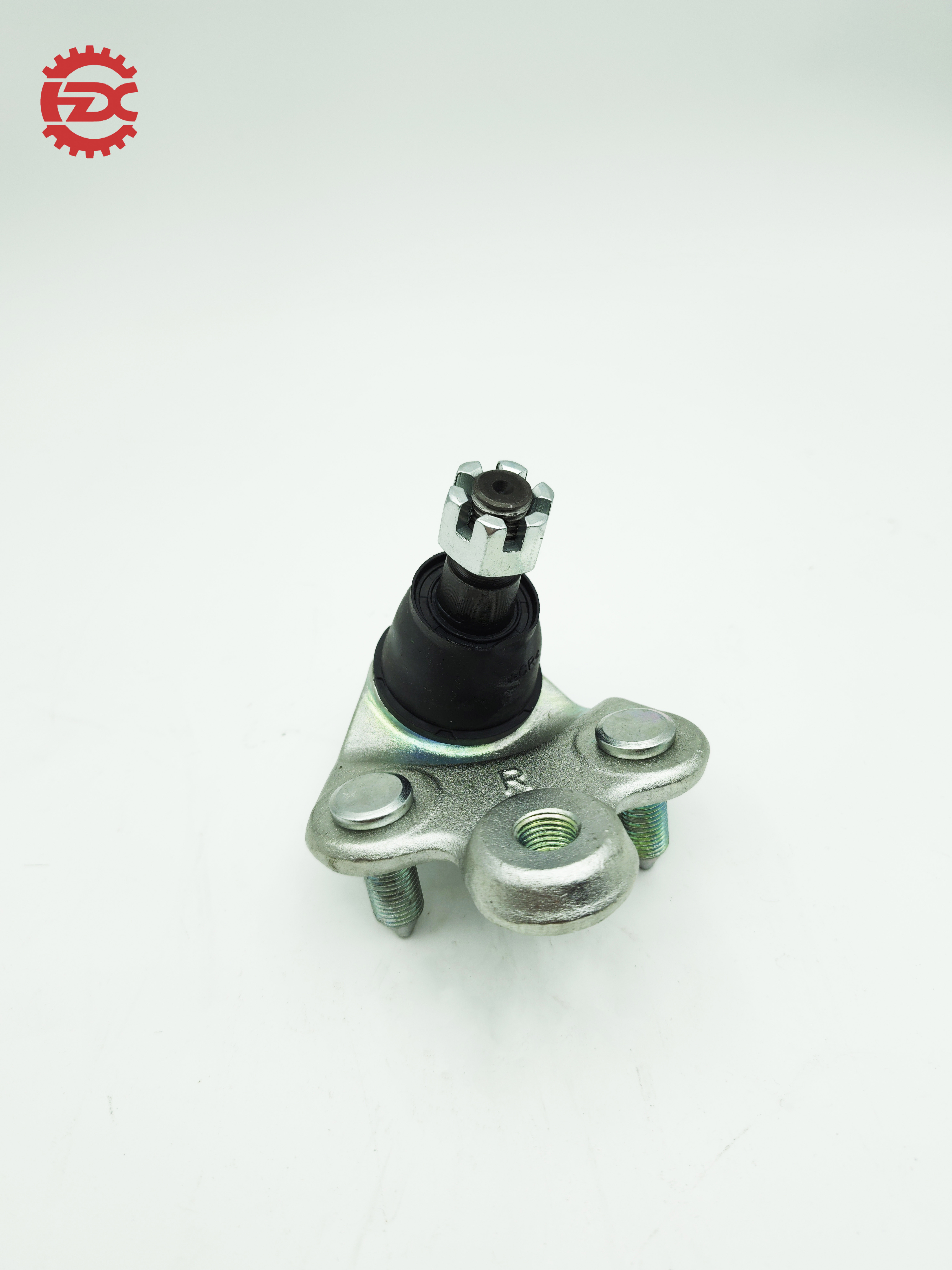
Understanding the critical role of tie rod ends in your vehicle's steering system is essential for maintaining optimal safety and performance in 2025. These seemingly small components serve as the vital connection between your steering rack and wheel assemblies, directly influencing steering responsiveness, tire wear patterns, and overall vehicle control. Whether you're a professional mechanic, fleet manager, or automotive enthusiast, comprehending the differences between inner and outer tie rod ends, their specific functions, and their maintenance requirements will help you make informed decisions about vehicle upkeep and replacement strategies.
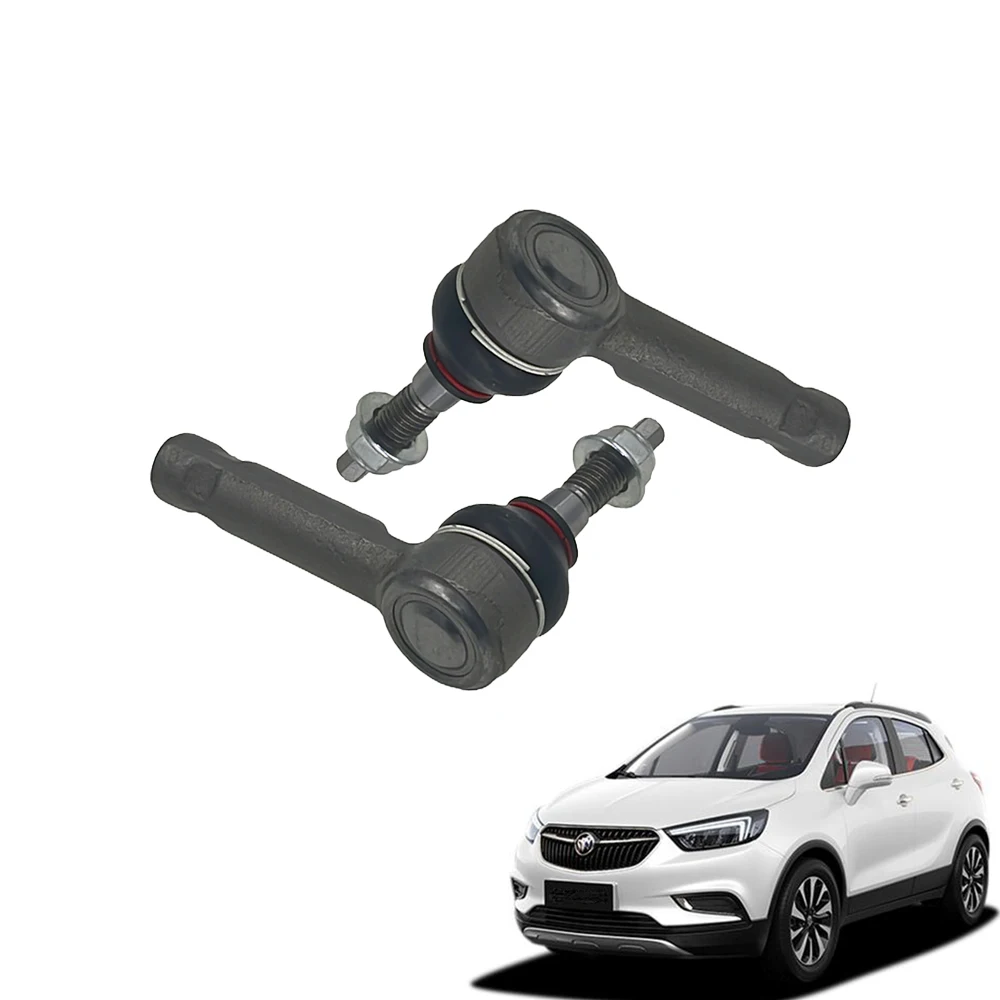
Modern vehicles in 2025 continue to rely on sophisticated steering mechanisms where tie rod ends function as precision-engineered ball joints that enable smooth directional changes while absorbing road imperfections. The distinction between inner and outer configurations matters significantly because each position experiences different mechanical stresses, wear patterns, and replacement frequencies. This comprehensive explanation will clarify the structural differences, operational mechanics, wear indicators, and maintenance considerations specific to both inner and outer tie rod ends, equipping you with practical knowledge applicable to contemporary vehicle platforms and emerging automotive technologies.
Fundamental Architecture of Tie Rod End Systems
Physical Structure and Component Positioning
The tie rod assembly consists of distinct inner and outer sections that work in tandem to translate steering input from the rack-and-pinion system to the wheel hubs. Inner tie rod ends attach directly to the steering rack or center link depending on the steering system design, while outer tie rod ends connect to the steering knuckle at each front wheel. This two-piece configuration allows for adjustment of toe alignment settings, a critical factor in tire wear management and directional stability. The inner component typically features a threaded rod or socket connection secured with specialized tools, whereas the outer component uses a tapered stud and castle nut arrangement that locks into the steering knuckle.
In rack-and-pinion steering systems prevalent in 2025 vehicle designs, the inner tie rod ends incorporate a spring-loaded ball socket that accommodates multi-directional movement while maintaining tension against the steering rack. This design differs substantially from older recirculating ball systems where center links and idler arms distributed forces differently. The outer tie rod ends feature a ball stud encased in a protective boot filled with grease, allowing for angular movement necessary during suspension travel and steering maneuvers. The physical separation between inner and outer sections creates an adjustable length that technicians manipulate during wheel alignment procedures to achieve manufacturer-specified toe angles.
Material Composition and Engineering Standards
Contemporary tie rod ends utilize forged steel housings with hardened ball studs to withstand the substantial lateral and vertical forces encountered during operation. The ball socket typically incorporates a synthetic polymer bearing material that reduces friction while providing durability across temperature extremes common in 2025 operating environments. Quality manufacturers apply corrosion-resistant coatings such as zinc plating or powder coating to extend service life in regions where road salt and moisture accelerate deterioration. The protective boots surrounding the ball joints use thermoplastic elastomers or synthetic rubber compounds engineered to resist ozone degradation, oil contamination, and mechanical abrasion.
Engineering specifications for tie rod ends have evolved to meet increased vehicle weights and performance demands of modern platforms. The ball stud taper angle, thread pitch, and socket preload all follow precise tolerances established through finite element analysis and durability testing. In 2025, many tie rod ends incorporate design improvements such as grease fittings on outer sections for periodic lubrication, though many manufacturers now offer sealed-for-life designs that eliminate maintenance intervals. The material selection and heat treatment processes directly impact the load capacity and fatigue resistance, with premium components demonstrating superior performance under aggressive driving conditions and heavy payload scenarios.
Operational Mechanics and Force Distribution
How Inner Tie Rod Ends Function During Steering Input
When a driver rotates the steering wheel, the steering column transmits torque to the pinion gear within the rack-and-pinion assembly, causing lateral movement of the steering rack. Inner tie rod ends serve as the immediate connection point where this linear rack motion begins its transfer toward the wheels. The socket joint at the inner tie rod end must accommodate not only the primary left-right motion but also slight angular changes as the rack moves and the outer components follow suspension articulation. This multi-axis flexibility prevents binding while maintaining precise force transmission, a critical function that directly affects steering feel and responsiveness.
The inner tie rod ends experience substantial push-pull forces during steering maneuvers, with tension loads occurring during turns in one direction and compression forces during opposite turns. In 2025 vehicles equipped with electric power steering systems, these forces are modulated by electronic control units that optimize assist levels based on speed and driver input. The inner components must maintain their socket integrity under these cyclical loads while preventing excessive play that would manifest as steering wheel looseness or delayed response. The spring mechanism within many inner tie rod end designs preloads the ball socket to eliminate free play when new, though this tension gradually diminishes with wear over thousands of miles of operation.
Outer Tie Rod End Movement Patterns and Load Characteristics
Outer tie rod ends function at the intersection of steering input and suspension geometry, experiencing complex loading scenarios that combine lateral steering forces with vertical suspension travel. As the steering knuckle pivots during turns, the outer tie rod end ball stud must articulate through significant angles while simultaneously accommodating suspension compression and rebound from road irregularities. This dual-axis movement distinguishes outer tie rod ends from their inner counterparts and explains their typically higher wear rates in real-world applications. The tapered ball stud design ensures tight mechanical connection to the steering knuckle while allowing the necessary rotational freedom.
During cornering maneuvers, outer tie rod ends transfer substantial lateral forces from the steering linkage to the wheel assembly, with these loads increasing proportionally to vehicle speed and turn severity. In 2025 performance vehicles and heavy-duty trucks, these forces can exceed several hundred pounds during aggressive driving or load-carrying scenarios. The outer tie rod ends also experience moment loads as the suspension geometry changes through its travel range, creating twisting forces on the ball stud. Quality tie rod ends incorporate design features such as reinforced socket walls and optimized ball geometry to resist these multi-directional stresses while maintaining smooth operation throughout their service life.
Wear Patterns and Failure Mode Analysis
Common Deterioration Mechanisms in Inner Tie Rod Ends
Inner tie rod ends typically fail due to socket wear that develops gradually from the constant articulation and load cycling inherent in steering operation. The protected location of inner components, often shielded by steering rack boots or bellows, provides some environmental protection that can extend service life compared to outer sections. However, this same enclosed environment can trap moisture and contaminants if the protective boots develop tears or cracks, accelerating corrosion of the ball socket and stud. In 2025 vehicles, the widespread use of rack-and-pinion steering places inner tie rod ends in close proximity to the engine compartment, exposing them to heat cycling that can degrade lubricants and elastomeric components over time.
The wear progression in inner tie rod ends often manifests subtly, beginning with microscopic surface degradation of the bearing material within the socket. As this wear continues, the socket preload diminishes, allowing increased play between the ball and socket surfaces. This play translates to steering wheel looseness, typically noticed first during small steering corrections at highway speeds. Advanced wear stages produce audible clunking sounds when transitioning between forward and reverse motion or during initial steering input from the center position. Because inner tie rod ends lack the obvious visual inspection points of outer components, detection often requires specialized tools such as dial indicators or specific pry bar techniques that measure axial and radial play at the rack connection.
Outer Tie Rod End Degradation Signatures
Outer tie rod ends face harsher environmental conditions than inner sections, being directly exposed to road spray, salt, debris impact, and temperature extremes. The protective boots covering the ball joint represent a critical wear indicator, as any tear or deterioration allows moisture and contaminants to enter the grease-filled cavity, rapidly accelerating component degradation. In 2025 driving conditions, particularly in regions using aggressive de-icing chemicals, boot deterioration can occur within a few years of service. Once the boot integrity is compromised, the lubrication washes out and abrasive particles enter the joint, creating accelerated wear that can progress to complete failure within months rather than years.
The ball stud taper fit into the steering knuckle represents another failure point for outer tie rod ends, where repeated impact loads from pothole strikes and curb contact can elongate the tapered hole in the knuckle or deform the stud taper. This condition creates looseness that allows the tie rod end to shift within the knuckle, producing knocking sounds during steering input or over bumps. Advanced wear in outer tie rod ends manifests as visible looseness when the wheel is grasped and pushed laterally with the vehicle raised, a standard inspection technique that reveals excessive ball joint play. In severe cases, the ball stud can separate from the socket entirely, resulting in complete loss of steering control for the affected wheel, a critical safety concern that makes regular inspection of outer tie rod ends essential for 2025 fleet management and vehicle maintenance programs.
Diagnostic Procedures and Inspection Protocols
Professional Assessment Techniques for Tie Rod End Condition
Comprehensive tie rod end evaluation requires systematic inspection procedures that address both inner and outer components using appropriate diagnostic techniques. For outer tie rod ends, technicians begin with visual inspection of the protective boots, looking for cracks, tears, or grease leakage that indicates compromised sealing. The vehicle should be raised and supported securely, allowing the wheels to hang freely for proper assessment. A qualified inspector will grasp each front tire at the three and nine o'clock positions and attempt to move it horizontally while an assistant observes the tie rod end connections for any visible play or movement. Excessive play at the outer tie rod end ball joint indicates wear beyond acceptable limits and necessitates replacement.
Inner tie rod end inspection presents greater challenges due to their protected location within the steering rack bellows. Professional technicians typically assess inner tie rod ends by grasping the tie rod itself near the rack connection point and attempting to detect play through push-pull movements while watching for motion between the tie rod and steering rack. Some inspection procedures require removal of the steering rack boot to directly observe the inner tie rod end socket, though this step may not be necessary if external symptoms clearly indicate inner component wear. Advanced diagnostic approaches in 2025 service facilities may employ electronic sensors or vibration analysis tools that detect abnormal movement patterns in the steering linkage, providing quantitative data about tie rod end condition before obvious play develops.
Alignment Symptoms and Tire Wear Indicators
Worn tie rod ends produce characteristic alignment deviations that manifest as abnormal tire wear patterns and handling changes. When tie rod ends develop excessive play, the affected wheel can shift slightly in its toe angle during driving, creating a condition where the tire effectively scrubs sideways as it rolls forward. This produces distinctive feathered wear on the tire tread, where the rubber develops a sawtooth pattern with smooth edges on one side of each tread block and sharp edges on the opposite side. Technicians familiar with tire wear analysis can often identify tie rod end problems before the components exhibit obvious mechanical looseness through careful examination of tread wear patterns during routine service visits.
Vehicle handling characteristics also provide diagnostic clues about tie rod end condition, with worn components typically producing steering wheel wander, poor center feel, or excessive steering corrections needed to maintain straight-line tracking. In 2025 vehicles equipped with advanced driver assistance systems, worn tie rod ends may trigger warnings from lane-keeping assist or stability control systems as these technologies detect abnormal steering behavior or wheel position inconsistencies. Any vehicle exhibiting steering irregularities should receive comprehensive steering system inspection including tie rod ends before attempting wheel alignment, as aligning a vehicle with worn steering components will not correct the underlying mechanical problems and may waste resources on adjustments that cannot be maintained once the vehicle returns to service.
Replacement Strategies and Maintenance Considerations
Component Selection and Quality Differentiation
Selecting appropriate replacement tie rod ends requires understanding the quality distinctions between economy, standard replacement, and premium categories available in the 2025 aftermarket. Economy-grade tie rod ends typically feature minimal corrosion protection, basic bearing materials, and may lack grease fittings or use lower-grade elastomers for protective boots. These components can provide adequate service in mild climates with light-duty applications but often demonstrate shortened service life compared to higher-quality alternatives. Standard replacement tie rod ends from reputable manufacturers offer improved materials, better corrosion resistance, and generally meet original equipment specifications for fit and performance, making them suitable for most passenger vehicle applications.
Premium tie rod ends incorporate advanced materials such as polyurethane boots with superior tear resistance, enhanced corrosion coatings, and precision-machined components with tighter tolerances. For vehicles subjected to harsh operating conditions including off-road use, heavy towing, or severe climate exposure, premium components deliver substantially better durability and reliability. Some performance-oriented tie rod ends feature adjustable designs or strengthened construction specifically engineered for modified vehicles with altered suspension geometry or increased power output. In 2025 commercial fleet applications, the total cost of ownership calculation often favors premium components despite higher initial cost because extended service intervals reduce labor expenses and vehicle downtime over the fleet lifecycle.
Installation Best Practices and Critical Specifications
Proper tie rod end installation requires adherence to specific torque specifications and procedures that ensure safe, reliable operation. The tapered ball stud connection at outer tie rod ends must be tightened to manufacturer-specified torque values, typically ranging from forty to sixty foot-pounds depending on the vehicle platform, followed by castle nut alignment and cotter pin installation to prevent loosening. Under-torquing this connection can allow the taper fit to loosen during operation, while over-torquing may damage the steering knuckle threads or deform the ball stud taper. Inner tie rod end installation often requires specialized tools such as inner tie rod wrenches or crowfoot adapters that access the rack connection point within the confined space behind the steering rack boot.
After tie rod end replacement, complete wheel alignment becomes mandatory because removing the outer tie rod end disrupts the toe angle setting even if the replacement component is threaded to the same position as the removed part. The adjustment sleeve connecting inner and outer tie rod ends allows technicians to precisely set toe angle during alignment procedures, making this connection point critical for proper vehicle tracking and tire wear prevention. In 2025 alignment protocols, technicians typically set toe angles to manufacturer specifications while considering vehicle load conditions and customer usage patterns. Some high-performance applications may benefit from slight toe adjustments beyond stock specifications to optimize handling characteristics, though these modifications should only be implemented by experienced professionals who understand the trade-offs between stability, tire wear, and steering response.
FAQ
What is the typical service life expectancy for tie rod ends in modern vehicles?
Tie rod ends in contemporary vehicles typically last between fifty thousand and one hundred thousand miles under normal driving conditions, though actual service life varies significantly based on operating environment, driving style, and component quality. Outer tie rod ends generally require replacement more frequently than inner sections due to their greater exposure to environmental contaminants and more complex movement patterns. Vehicles operated in regions with aggressive road salt use, frequent pothole impacts, or off-road conditions may experience tie rod end wear at the lower end of this range, while highway-driven vehicles in mild climates often achieve service life toward the upper range or beyond. Regular inspection during routine maintenance allows early detection of wear before complete failure occurs, with replacement recommended when any perceptible play develops or protective boots show deterioration.
Can I replace just one tie rod end or should both sides be replaced simultaneously?
While technically possible to replace a single failed tie rod end, best practice in professional automotive service recommends replacing tie rod ends in pairs on the same axle whenever one component shows significant wear. This paired replacement strategy accounts for the reality that components installed simultaneously typically experience similar wear rates, meaning when one tie rod end fails, its counterpart on the opposite side likely approaches end-of-life as well. Replacing both sides simultaneously eliminates the likelihood of return service for the second side within a short timeframe, reducing total labor costs and ensuring balanced steering feel across both front wheels. However, if one tie rod end suffers premature failure due to boot damage or impact rather than normal wear, and the opposite side shows no play upon inspection, single-side replacement may be appropriate depending on vehicle age and mileage.
How do I know whether my steering problem involves inner or outer tie rod ends?
Distinguishing between inner and outer tie rod end wear requires systematic inspection since both components can produce similar symptoms including steering looseness and alignment problems. Outer tie rod end issues often present with more obvious visual and physical inspection findings, as these components are readily accessible and can be checked by grasping the tire and feeling for play while observing the ball joint connection. Inner tie rod end problems typically require more involved inspection procedures, including movement of the tie rod itself near the steering rack while watching for play at the inner connection. Professional technicians may perform comparative assessment, isolating each joint individually to determine which component exhibits excessive play. In many cases where steering symptoms exist but visual inspection does not clearly identify the failed component, replacing both inner and outer tie rod ends on the affected side provides comprehensive repair that addresses potential wear in both locations.
Will worn tie rod ends affect my vehicle's electronic stability control or advanced safety systems?
Worn tie rod ends can indeed interfere with proper operation of electronic stability control, traction control, and advanced driver assistance systems common in 2025 vehicles. These electronic systems rely on precise sensor inputs regarding wheel position, steering angle, and vehicle trajectory to function correctly. Excessive play in tie rod ends introduces unpredictable variations in wheel alignment and steering response that can confuse these electronic systems, potentially triggering warning lights or causing inappropriate system interventions. In some cases, vehicles may enter reduced-functionality modes that limit performance or disable certain safety features when sensor data appears inconsistent with programmed parameters. Maintaining tie rod ends in good condition ensures these advanced systems receive accurate mechanical input, allowing them to function as designed and provide the intended safety benefits throughout vehicle operation.
Table of Contents
- Fundamental Architecture of Tie Rod End Systems
- Operational Mechanics and Force Distribution
- Wear Patterns and Failure Mode Analysis
- Diagnostic Procedures and Inspection Protocols
- Replacement Strategies and Maintenance Considerations
-
FAQ
- What is the typical service life expectancy for tie rod ends in modern vehicles?
- Can I replace just one tie rod end or should both sides be replaced simultaneously?
- How do I know whether my steering problem involves inner or outer tie rod ends?
- Will worn tie rod ends affect my vehicle's electronic stability control or advanced safety systems?