 EN
EN
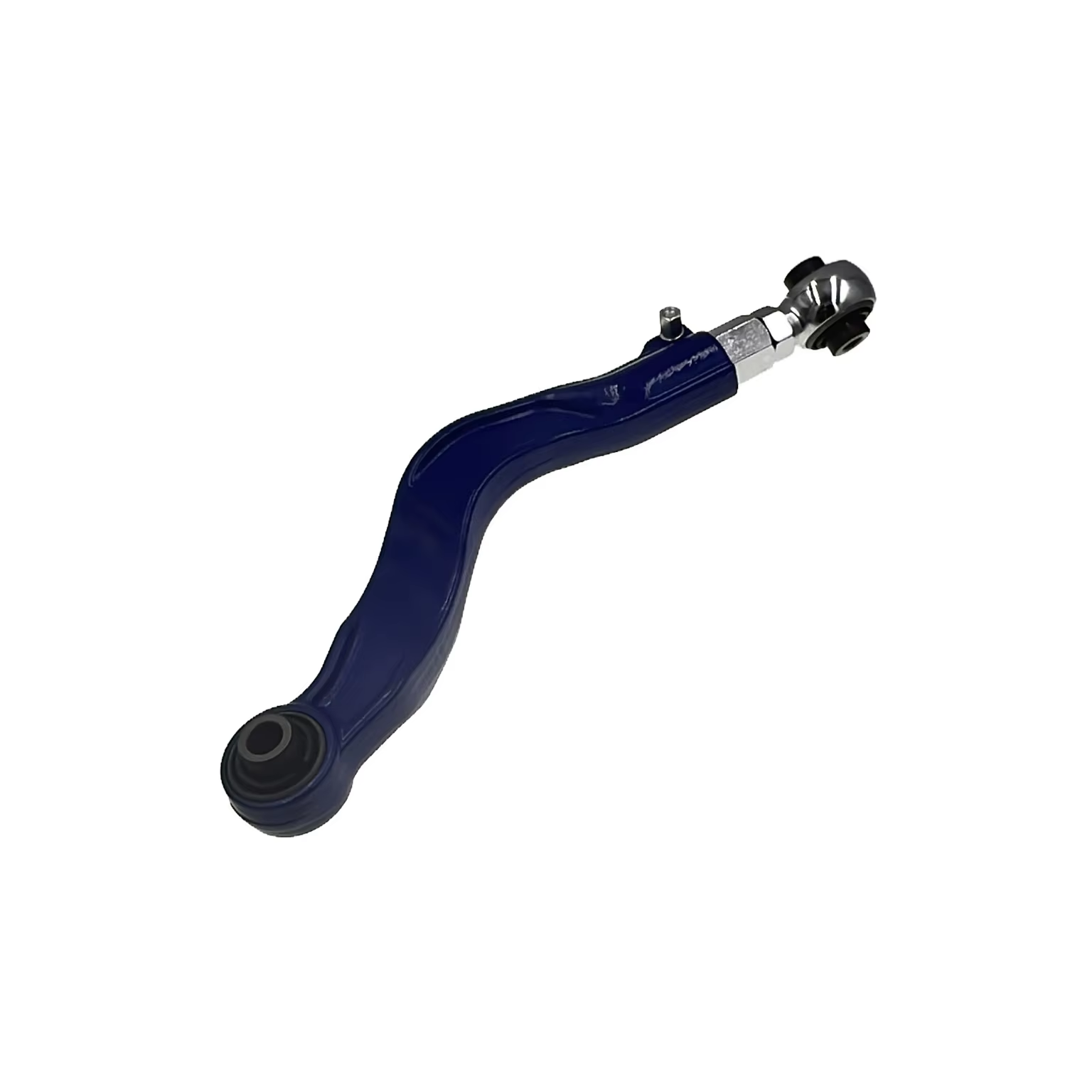
In the automotive aftermarket and vehicle maintenance industry, comprehending the fundamentals of critical steering components directly impacts business profitability, customer satisfaction, and operational efficiency. The tie rod end represents one of the most essential yet frequently misunderstood components in vehicle steering systems, serving as the crucial link between driver input and wheel response. For businesses operating in automotive repair, parts distribution, fleet management, or vehicle manufacturing, mastering tie rod end basics translates into improved diagnostic accuracy, reduced warranty claims, enhanced customer trust, and ultimately stronger competitive positioning in an increasingly demanding marketplace.
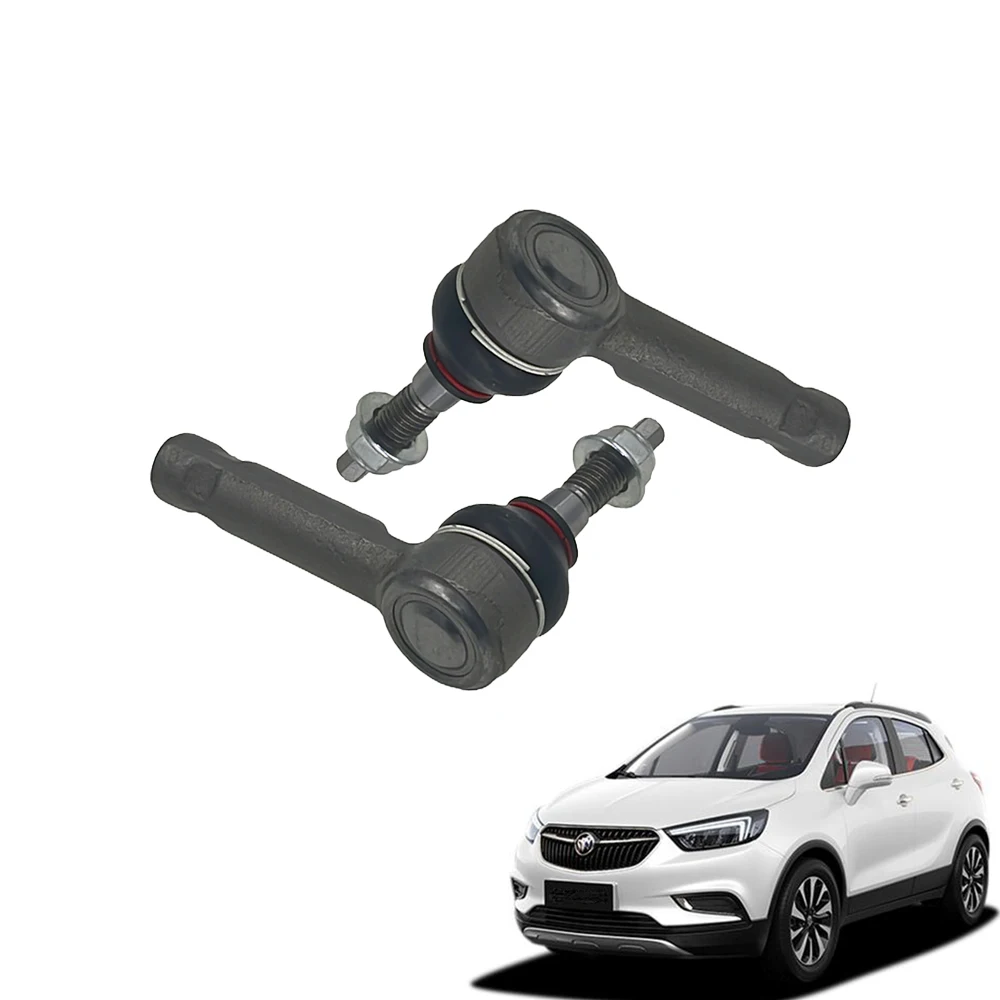
Understanding tie rod end construction, function, failure patterns, and replacement protocols enables automotive businesses to deliver superior service quality while optimizing inventory management and technician training programs. This comprehensive knowledge foundation supports accurate vehicle diagnostics, prevents misdiagnosis of steering complaints, reduces comebacks from improper installation, and positions businesses as trusted advisors rather than simple parts suppliers. Whether your organization services passenger vehicles, commercial fleets, or specialized equipment, the strategic mastery of tie rod end fundamentals creates measurable advantages in service delivery speed, pricing accuracy, and long-term customer retention that directly influence bottom-line business performance.
The Strategic Business Value of Tie Rod End Knowledge
Revenue Protection Through Accurate Diagnostics
Businesses that thoroughly understand tie rod end construction and failure modes protect revenue streams by avoiding misdiagnosis scenarios that lead to unnecessary parts replacement, customer disputes, and reputation damage. When technicians can definitively identify tie rod end wear versus other steering system issues, shops eliminate the costly cycle of replacing incorrect components, issuing refunds, and managing dissatisfied customers. This diagnostic precision becomes particularly valuable when dealing with complex steering complaints where symptoms overlap between tie rod end failure, ball joint deterioration, and alignment issues. Organizations investing in comprehensive tie rod end training report measurable reductions in diagnostic time, improved first-time fix rates, and enhanced customer confidence that translates directly into repeat business and positive online reviews.
Inventory Optimization and Working Capital Efficiency
Mastering tie rod end specifications, vehicle applications, and replacement patterns enables businesses to optimize inventory investment while maintaining service capability across diverse vehicle populations. Understanding which tie rod end designs serve multiple vehicle platforms, recognizing high-turnover applications in your specific market, and identifying quality tier distinctions allows strategic stocking decisions that reduce working capital requirements without compromising service readiness. Businesses applying this knowledge typically maintain 20-30% lower tie rod end inventory values while achieving higher fill rates compared to competitors using generic stocking approaches. This working capital efficiency becomes increasingly critical as vehicle model proliferation continues expanding SKU counts across the automotive aftermarket, making strategic inventory management a competitive differentiator rather than simple operational necessity.
Technician Productivity and Labor Cost Management
Comprehensive tie rod end knowledge directly impacts labor productivity by reducing diagnostic time, eliminating rework, and enabling accurate time estimates for customer quotes. When service advisors understand tie rod end replacement procedures, vehicle-specific complications, and alignment requirements, they provide realistic service timelines that improve shop scheduling efficiency and customer satisfaction. Technicians trained in proper tie rod end inspection techniques, removal methods, and installation protocols complete jobs faster with fewer comebacks, directly improving bay utilization rates and revenue per technician hour. Organizations measuring these productivity metrics consistently find that investing in tie rod end technical training delivers return on investment within the first quarter through reduced diagnostic errors, faster job completion, and decreased warranty work that would otherwise consume profitable service capacity.
Fundamental Tie Rod End Construction and Function
Core Component Architecture
The tie rod end consists of a precision-engineered ball and socket joint housed within a protective boot, connected to a threaded shaft that adjusts steering geometry. This seemingly simple assembly incorporates bearing surfaces designed to withstand extreme loads while maintaining precise articulation through thousands of steering cycles and suspension movements. The internal ball stud connects directly to the steering knuckle, transferring steering rack motion to wheel rotation while accommodating vertical suspension travel and wheel articulation during cornering. Understanding this construction reveals why tie rod end quality varies significantly across manufacturers, as bearing surface treatments, boot material selection, and internal preload specifications dramatically affect service life and performance consistency under real-world operating conditions.
Steering System Integration Points
Each tie rod end functions as the final mechanical link in the steering system chain, connecting the adjustable tie rod to the steering knuckle where it directly influences wheel position and vehicle directional control. Inner tie rod ends attach to the steering rack or center link depending on steering system design, while outer tie rod ends connect to the steering knuckle spindle, with the threaded connection between them enabling toe adjustment during alignment procedures. This dual-end configuration creates a complete steering linkage that must accommodate not only rotational steering input but also suspension compression, rebound, and the complex multi-axis movements occurring during combined steering and suspension events. Businesses recognizing these integration points better understand why tie rod end failure affects multiple vehicle systems and why proper diagnosis requires evaluating the entire steering and suspension assembly rather than isolated component inspection.
Load Management and Articulation Requirements
The tie rod end must simultaneously manage substantial tensile and compressive loads from steering forces while maintaining precise articulation through wide angular ranges as suspension components move through their travel. During aggressive cornering, a single tie rod end may experience loads exceeding several hundred pounds while articulating through angles approaching 40 degrees, all while maintaining zero perceptible play that would translate into steering imprecision or wheel shimmy. This demanding operational environment explains why tie rod end bearing surfaces require specialized treatments, why boot integrity directly affects service life, and why installation torque specifications must be precisely followed to achieve design performance. Organizations understanding these load and articulation requirements can better evaluate quality differences between economy and premium tie rod end options, making informed sourcing decisions that balance initial cost against expected service life and warranty exposure.
Critical Failure Modes and Business Impact
Progressive Wear Patterns and Detection Timing
Tie rod end failure typically progresses through identifiable stages beginning with minor internal wear that creates barely perceptible play, advancing to noticeable steering looseness, and potentially culminating in complete joint separation if left unaddressed. Early-stage wear manifests as subtle steering wander or minor vibration that customers may initially dismiss, while intermediate wear produces audible clunking over bumps and visible steering wheel play that prompts service appointments. Businesses training service advisors to recognize these progressive symptoms can intervene earlier in the wear cycle, preventing the customer inconvenience and safety concerns associated with advanced tie rod end deterioration. This proactive approach also protects businesses from liability exposure while positioning the organization as a trusted maintenance partner rather than reactive repair provider, strengthening customer relationships that generate long-term revenue streams beyond individual repair transactions.
Environmental and Operational Accelerators
Tie rod end service life varies dramatically based on operating environment, with vehicles in northern climates experiencing accelerated wear from road salt exposure, while rough road conditions create increased articulation cycles that reduce component longevity. Commercial vehicles and heavily loaded passenger vehicles impose greater forces on tie rod end assemblies, accelerating bearing surface wear and boot deterioration compared to light-duty applications. Understanding these environmental and operational factors enables businesses to provide informed maintenance recommendations tailored to specific customer use cases, creating value-added advisory relationships that differentiate professional service providers from commodity parts suppliers. Organizations incorporating these factors into inspection protocols and customer communication consistently achieve higher tie rod end sales conversion rates while simultaneously reducing premature failure complaints that damage customer trust and create warranty exposure.
Cascading System Failures and Diagnostic Complexity
Failed tie rod ends rarely exist in isolation, as the excessive play and altered steering geometry resulting from worn joints accelerate tire wear, create alignment instability, and impose abnormal loads on remaining steering components. This cascading failure pattern creates diagnostic complexity where customers present with tire wear complaints or alignment issues that actually originate from undetected tie rod end deterioration. Businesses understanding these failure relationships avoid the frustration of performing alignments that immediately fail or replacing tires that quickly develop irregular wear, instead addressing root causes that deliver lasting repairs and satisfied customers. This systems-thinking approach to tie rod end diagnosis represents a fundamental business differentiator, as it demonstrates technical competence that customers recognize and value, generating referrals and repeat business that exceed the immediate transaction value of the tie rod end replacement itself.
Strategic Replacement Protocols for Business Excellence
Inspection Methodology and Quality Standards
Professional tie rod end inspection requires systematic evaluation beginning with visual boot condition assessment, progressing to physical play testing using standardized techniques, and concluding with dynamic evaluation during test drives when appropriate. Technicians should grasp the outer tie rod end firmly while attempting to move it in multiple planes, feeling for any perceptible movement between the ball stud and housing that indicates internal wear beyond specification. This hands-on inspection technique requires proper vehicle support, wheel positioning, and force application to produce reliable results, making standardized training essential for consistent diagnostic quality across multiple technicians. Businesses implementing documented inspection protocols with clear pass-fail criteria achieve higher diagnostic consistency, reduce disagreements between technicians and service advisors, and create verifiable documentation that supports customer communication and protects against liability claims when steering system failures occur.
Replacement Timing and Preventive Strategies
Optimal tie rod end replacement timing balances component condition against customer budget constraints and vehicle value considerations, requiring business judgment that extends beyond simple pass-fail component evaluation. Vehicles with high mileage, known severe-duty use, or operating in harsh environments may warrant preventive tie rod end replacement even when current play measurements remain within specification, particularly when performing related repairs that require similar disassembly procedures. This strategic replacement approach minimizes customer comebacks, reduces total cost of ownership, and positions businesses as trusted advisors focused on customer success rather than immediate transaction maximization. Organizations developing clear decision frameworks for replacement timing recommendations achieve higher customer acceptance rates while simultaneously reducing warranty exposure and comeback rates that consume profitable service capacity.
Installation Best Practices and Quality Assurance
Proper tie rod end installation extends far beyond simple component substitution, requiring attention to thread preparation, torque specifications, cotter pin installation, protective boot positioning, and post-installation alignment verification. Threaded connections must be clean and properly lubricated, with torque values precisely achieved using calibrated tools rather than impact wrenches that create inconsistent and often excessive tightening. New cotter pins must be properly sized, fully inserted, and correctly bent to prevent backing out under vibration, while protective boots require careful positioning to prevent premature tearing that allows contamination and accelerated wear. Businesses implementing comprehensive installation standards supported by regular quality audits achieve measurably lower comeback rates and warranty claims, protecting profit margins while building customer confidence that generates referrals and repeat business worth many times the value of individual repair transactions.
Quality Tier Selection and Sourcing Strategy
Performance Specification Differences Across Price Points
The tie rod end market segments into distinct quality tiers ranging from economy options suitable for older vehicles with limited remaining service life to premium components engineered for demanding applications and extended durability. These quality differences manifest in bearing surface treatments, boot material specifications, internal preload consistency, and corrosion protection levels that directly affect service life and performance under real-world conditions. Economy tie rod ends typically utilize basic bearing surfaces and standard rubber boots adequate for moderate climates and normal driving, while premium options incorporate advanced surface treatments, synthetic boots, and tighter manufacturing tolerances that extend service life in severe environments. Understanding these specification differences enables businesses to match component quality to specific customer needs and vehicle applications, optimizing value delivery while managing warranty exposure and customer satisfaction across diverse service scenarios.
Application-Specific Selection Criteria
Effective tie rod end selection requires matching component specifications to vehicle application, operating environment, and customer expectations rather than defaulting to single-tier stocking strategies that compromise either cost competitiveness or quality positioning. Fleet vehicles operating in severe-duty commercial applications justify premium tie rod end specifications that minimize downtime and extend replacement intervals, while older passenger vehicles with limited remaining service life may be appropriately served by economy options that balance cost against expected vehicle longevity. Geographic location significantly influences selection strategy, as northern climate operations require enhanced corrosion protection and boot durability compared to temperate region applications. Businesses developing clear application-based selection guidelines enable consistent recommendations across multiple service advisors and technicians, ensuring appropriate quality deployment while supporting pricing strategies that optimize both customer value perception and business profitability.
Supplier Relationship Management and Quality Consistency
Long-term tie rod end sourcing success depends on establishing relationships with suppliers demonstrating consistent quality, reliable availability, and responsive technical support rather than constantly chasing lowest unit cost across multiple vendors. Quality consistency proves particularly critical for tie rod end applications, as specification drift or manufacturing inconsistencies create warranty exposure and customer dissatisfaction that far exceeds any unit cost savings achieved through aggressive price negotiations. Effective supplier relationships include regular quality performance reviews, clear specification documentation, and collaborative problem-solving when issues arise, creating partnerships that support business growth rather than transactional vendor arrangements. Organizations investing in strategic supplier relationships for critical components like tie rod ends report measurably lower warranty rates, reduced inventory obsolescence, and improved customer satisfaction compared to businesses treating parts sourcing as purely price-driven purchasing transactions.
FAQ
How does tie rod end quality affect business warranty exposure and customer satisfaction?
Tie rod end quality directly determines warranty claim rates and customer satisfaction levels through its impact on component service life, installation consistency, and performance reliability under real-world operating conditions. Premium tie rod ends manufactured to tighter tolerances with superior bearing treatments and enhanced boot materials deliver extended service intervals that reduce comeback rates and warranty claims while building customer confidence in your organization's parts selection and technical competence. Conversely, economy tie rod ends may generate acceptable short-term cost savings but create warranty exposure and customer dissatisfaction when premature failures occur, particularly in demanding applications or severe operating environments. Strategic businesses evaluate tie rod end quality against total cost of ownership including warranty expense, comeback labor, and customer lifetime value rather than focusing exclusively on initial component cost, recognizing that quality-driven sourcing decisions protect profit margins while strengthening competitive positioning through superior service delivery and enhanced customer relationships.
What inspection frequency should businesses recommend for tie rod end evaluation?
Professional automotive service providers should incorporate tie rod end inspection into routine maintenance intervals and any service involving steering or suspension system work, typically aligning with oil change services, tire rotations, or alignment procedures. For most passenger vehicles operating under normal conditions, annual tie rod end inspection provides adequate monitoring to detect developing wear before it progresses to failure, while severe-duty applications including commercial vehicles, frequent rough road exposure, or harsh climate operation warrant more frequent evaluation intervals. Businesses implementing systematic inspection protocols during routine service visits identify developing tie rod end issues earlier in the wear cycle, enabling proactive replacement recommendations that prevent customer inconvenience and safety concerns while generating service revenue from maintenance-focused customers who value preventive care. This proactive inspection approach also differentiates professional service providers from competitors offering reactive repair-only services, building customer loyalty through demonstrated technical thoroughness and genuine concern for vehicle reliability rather than transaction-focused sales tactics.
Should businesses replace tie rod ends individually or in pairs across the vehicle?
The decision to replace tie rod ends individually versus in axle pairs depends on vehicle mileage, component condition assessment, failure mode analysis, and customer budget considerations rather than following rigid replacement rules applicable to all situations. When one tie rod end fails on a relatively new vehicle due to impact damage or manufacturing defect while its counterpart shows no wear, individual replacement represents appropriate service that avoids unnecessary expense. However, on higher-mileage vehicles where one tie rod end exhibits wear-related failure, the opposing side typically shows similar deterioration and will likely require replacement within the near future, making pair replacement the more economical long-term approach that prevents repeat service visits and additional alignment costs. Professional businesses develop clear recommendation frameworks considering these factors while empowering service advisors to explain the rationale behind individual versus pair replacement suggestions, building customer trust through transparent communication rather than appearing to upsell unnecessary services that damage credibility and long-term relationship potential.
How does proper tie rod end service support broader business objectives beyond immediate repair revenue?
Mastering tie rod end fundamentals contributes to broader business success by demonstrating technical competence that builds customer confidence, creates referral opportunities, and positions your organization as a trusted automotive partner rather than a commodity service provider. When customers experience accurate diagnosis, appropriate quality recommendations, proper installation, and reliable long-term performance from tie rod end service, they develop trust that extends across all service categories and vehicle systems. This trust translates into higher service acceptance rates for recommended repairs, increased customer lifetime value through extended relationship duration, and referral business from satisfied customers who recommend your organization to friends and colleagues facing vehicle service needs. Additionally, technical excellence in fundamental components like tie rod ends builds technician confidence and job satisfaction, supporting employee retention in a competitive labor market while establishing your organization's reputation as a quality employer that attracts skilled professionals seeking career growth rather than simply collecting paychecks at commodity repair facilities.
Table of Contents
- The Strategic Business Value of Tie Rod End Knowledge
- Fundamental Tie Rod End Construction and Function
- Critical Failure Modes and Business Impact
- Strategic Replacement Protocols for Business Excellence
- Quality Tier Selection and Sourcing Strategy
-
FAQ
- How does tie rod end quality affect business warranty exposure and customer satisfaction?
- What inspection frequency should businesses recommend for tie rod end evaluation?
- Should businesses replace tie rod ends individually or in pairs across the vehicle?
- How does proper tie rod end service support broader business objectives beyond immediate repair revenue?