
 EN
EN

When it comes to automotive suspension components, the lower control arm plays a crucial role in maintaining vehicle stability, steering precision, and overall safety. Many vehicle owners, particularly those dealing with BMW X3 models, often face the temptation of choosing the cheapest replacement parts available in the market. However, opting for substandard lower control arm components can lead to serious safety hazards, increased maintenance costs, and compromised driving performance that far outweigh any initial savings.
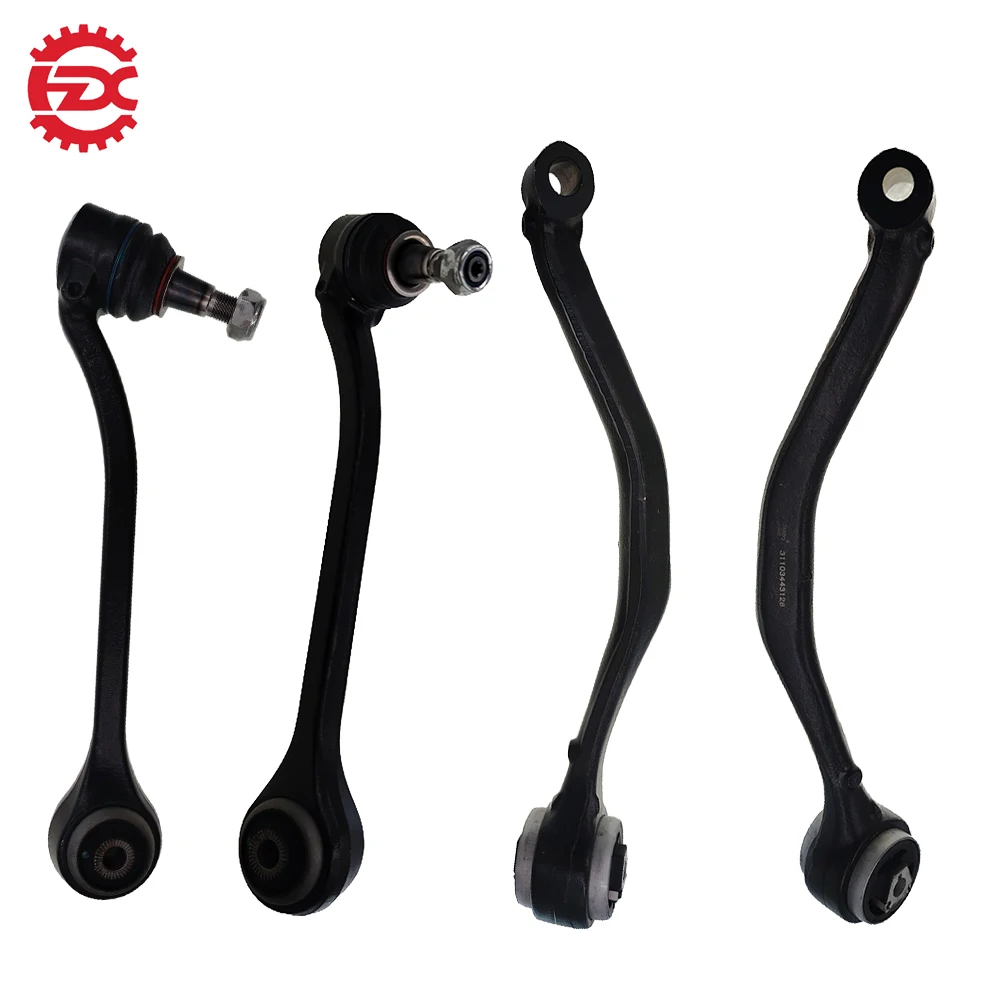
The automotive aftermarket is flooded with inexpensive suspension components that promise similar functionality to original equipment manufacturer parts at a fraction of the cost. While budget constraints are understandable, especially when dealing with multiple vehicle repairs, the lower control arm is not a component where corners should be cut. This critical suspension element directly affects wheel alignment, tire wear patterns, and the vehicle's ability to maintain proper contact with the road surface during various driving conditions.
Understanding the risks associated with cheap lower control arm alternatives becomes particularly important for BMW X3 owners, as these vehicles require precise engineering tolerances to maintain their renowned driving dynamics and safety standards. The consequences of choosing inferior parts extend beyond immediate performance issues, potentially creating long-term mechanical problems that could result in catastrophic failure scenarios.
Material Quality and Manufacturing Standards
Inferior Metal Composition in Budget Parts
Cheap lower control arm components often utilize substandard metals that lack the necessary strength and durability required for suspension applications. These inferior materials typically contain higher levels of impurities and lower-grade steel alloys that cannot withstand the constant stress and loading cycles experienced during normal driving conditions. The manufacturing process for budget parts frequently involves shortcuts that compromise the metallurgical integrity of the component, leading to premature failure and potential safety hazards.
Quality control measures in low-cost manufacturing facilities are often minimal or entirely absent, resulting in inconsistent material properties throughout production batches. This variability means that even identical part numbers from the same manufacturer can exhibit significantly different performance characteristics and failure rates. The lack of proper heat treatment processes and quality metallurgy results in lower control arm components that may appear adequate initially but deteriorate rapidly under real-world operating conditions.
Inadequate Testing and Certification Processes
Reputable manufacturers subject their lower control arm designs to extensive testing protocols that simulate years of operation under various environmental and loading conditions. These tests include fatigue analysis, corrosion resistance evaluation, and stress testing that ensures components can withstand the demanding requirements of modern vehicle suspension systems. Budget manufacturers typically skip these crucial validation steps, instead relying on basic dimensional checks that fail to identify potential failure modes.
The absence of proper certification processes means that cheap lower control arm components may not meet industry safety standards or vehicle-specific requirements. This lack of validation becomes particularly problematic for vehicles like the BMW X3, where precise suspension geometry and component specifications are critical for maintaining the vehicle's engineered performance characteristics and safety margins.
Safety Implications and Performance Degradation
Compromised Vehicle Handling and Stability
Installing inferior lower control arm components directly impacts vehicle handling characteristics, particularly during emergency maneuvers or adverse driving conditions. The reduced structural integrity and improper geometry of cheap parts can cause unpredictable suspension behavior, making the vehicle more difficult to control during sudden steering inputs or braking scenarios. This degradation in handling performance increases the risk of accidents and compromises the driver's ability to maintain control in critical situations.
Poor-quality lower control arm bushings, commonly found in budget replacement kits, fail to provide adequate vibration dampening and positional accuracy. This deficiency results in increased road noise transmission, harsh ride quality, and wandering steering characteristics that can fatigue drivers during extended driving periods. The cumulative effect of these handling degradations creates a less predictable and potentially dangerous driving experience.
Increased Risk of Catastrophic Failure
The most serious concern with cheap lower control arm components is the potential for sudden, catastrophic failure during operation. When inferior materials reach their fatigue limits, they can fracture without warning, causing immediate loss of wheel control and potentially resulting in serious accidents. This type of failure is particularly dangerous at highway speeds or during cornering maneuvers where vehicle stability is already being challenged.
Unlike gradual wear patterns that provide warning signs through noise, vibration, or handling changes, catastrophic lower control arm failure often occurs without advance notice. The brittle nature of poor-quality materials means that once failure initiation begins, complete structural collapse can happen within seconds, leaving drivers with no opportunity to safely respond to the sudden loss of vehicle control.
Long-Term Financial Consequences
Accelerated Component Wear and Replacement Cycles
While cheap lower control arm options may appear cost-effective initially, they typically require replacement much sooner than quality components, ultimately resulting in higher long-term expenses. The inferior materials and manufacturing processes used in budget parts lead to rapid degradation under normal operating conditions, often necessitating replacement within 12-24 months compared to 5-7 years for quality components.
The frequent replacement cycles associated with cheap lower control arm components also increase labor costs and vehicle downtime. Each replacement procedure requires professional installation, wheel alignment adjustments, and potential diagnostic work to address related suspension issues caused by the failing components. These recurring service requirements quickly eliminate any initial savings achieved through purchasing budget parts.
Secondary Damage to Related Systems
Inferior lower control arm components often cause accelerated wear to related suspension and steering components due to their inability to maintain proper geometry and load distribution. Poor-quality bushings and ball joints create excessive play and misalignment that places abnormal stress on tie rod ends, struts, springs, and steering components. This cascade effect results in premature replacement of multiple system components that would otherwise last much longer with proper lower control arm function.
The improper suspension geometry caused by cheap lower control arm installation also leads to irregular tire wear patterns that significantly reduce tire service life. Replacing tires more frequently due to suspension-induced wear patterns represents a substantial hidden cost that must be factored into the total expense of using budget suspension components. Additionally, the reduced fuel efficiency caused by improper wheel alignment and increased rolling resistance further adds to the long-term financial burden.
Quality Indicators and Selection Criteria
Identifying Reliable Lower Control Arm Suppliers
Reputable lower control arm manufacturers typically provide comprehensive technical documentation, including material specifications, torque requirements, and installation procedures that demonstrate their commitment to product quality. These suppliers invest in proper engineering resources and maintain quality management systems that ensure consistent product performance across their manufacturing operations. Look for suppliers that offer detailed product warranties and technical support resources that indicate confidence in their component reliability.
Quality lower control arm suppliers also maintain relationships with original equipment manufacturers and aftermarket distributors who rely on consistent product performance for their reputation. These business relationships serve as validation of the supplier's manufacturing capabilities and quality standards, providing additional assurance for end consumers seeking reliable replacement components.
Performance Specifications and Compatibility Requirements
Proper lower control arm selection requires careful attention to vehicle-specific requirements, including mounting geometry, load ratings, and material specifications that ensure compatibility with the existing suspension system. Quality suppliers provide detailed application guides and technical specifications that help ensure proper component selection for specific vehicle models and operating requirements.
The importance of precise fitment becomes particularly critical for vehicles like the BMW X3, where suspension components are engineered to work together as an integrated system. Cheap lower control arm options often feature generic designs that may physically fit but lack the precise geometry and performance characteristics required to maintain the vehicle's intended handling and safety characteristics.
Professional Installation and Maintenance Considerations
Proper Installation Procedures and Torque Specifications
Quality lower control arm installation requires adherence to specific torque specifications, sequential tightening procedures, and proper use of specialized tools to ensure optimal component performance and longevity. Professional technicians understand these requirements and have access to the necessary equipment and technical information to perform proper installations that maximize component service life and maintain vehicle safety standards.
Improper installation techniques, even with quality lower control arm components, can result in premature failure and compromised vehicle performance. The complex geometry and loading requirements of modern suspension systems demand precise installation procedures that ensure proper component alignment and stress distribution throughout the suspension assembly.
Regular Inspection and Preventive Maintenance
Establishing regular inspection intervals for lower control arm components allows for early detection of wear patterns, bushing degradation, and potential failure indicators before they progress to dangerous conditions. Professional technicians can identify subtle changes in component condition that may not be apparent to vehicle owners, enabling proactive replacement before failure occurs.
Preventive maintenance programs that include lower control arm inspection as part of routine service intervals help ensure continued vehicle safety and performance while minimizing unexpected repair costs. These inspection protocols become particularly important for vehicles operating in harsh environments or high-mileage applications where component stress levels are elevated.
FAQ
How can I tell if my lower control arm needs replacement?
Common signs of lower control arm wear include unusual tire wear patterns, clunking noises during turning or braking, steering wheel vibration, and poor vehicle handling or pulling to one side. Visual inspection may reveal cracked bushings, loose ball joints, or corrosion damage. Professional diagnosis using specialized equipment can detect issues before they become apparent through driving symptoms, making regular inspections important for maintaining vehicle safety.
What is the typical lifespan of a quality lower control arm?
Quality lower control arm components typically last 80,000 to 120,000 miles under normal driving conditions, though this can vary based on driving habits, road conditions, and environmental factors. Vehicles operated in harsh climates with road salt exposure or frequent off-road use may experience shorter component lifespans. Regular maintenance and inspection can help maximize component service life and identify replacement needs before failure occurs.
Can I replace just one lower control arm or should both sides be done together?
While it's possible to replace a single lower control arm, automotive professionals typically recommend replacing both sides simultaneously to maintain balanced suspension characteristics and prevent uneven handling. When one side fails, the opposite side often shows significant wear and may fail shortly after the first replacement. Replacing both sides together also ensures consistent component quality and eliminates the labor costs associated with separate service appointments.
What should I expect to pay for quality lower control arm replacement?
Quality lower control arm replacement costs vary significantly based on vehicle type, component complexity, and regional labor rates, typically ranging from $300 to $800 per side including parts and professional installation. While this represents a substantial investment compared to cheap alternatives, the improved safety, performance, and longevity of quality components provide better value over the component's service life. Consider the total cost of ownership, including installation, alignment, and potential secondary damage when evaluating replacement options.