
 EN
EN
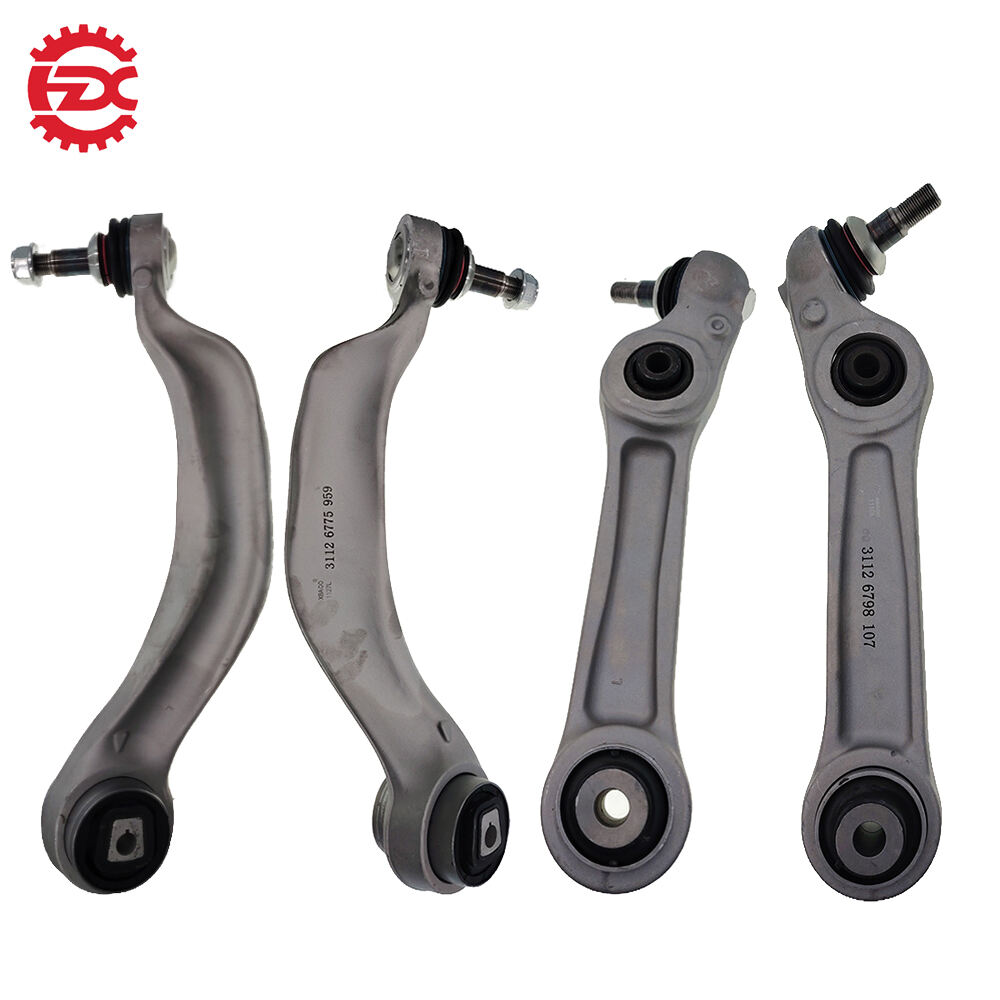
The automotive aftermarket presents vehicle owners with countless decisions when replacing suspension components, with lower control arm price often serving as a primary consideration. Understanding how pricing correlates with quality, performance, and longevity becomes crucial for making informed purchasing decisions. Vehicle owners frequently face the dilemma of balancing immediate cost savings against long-term reliability when evaluating suspension component investments.
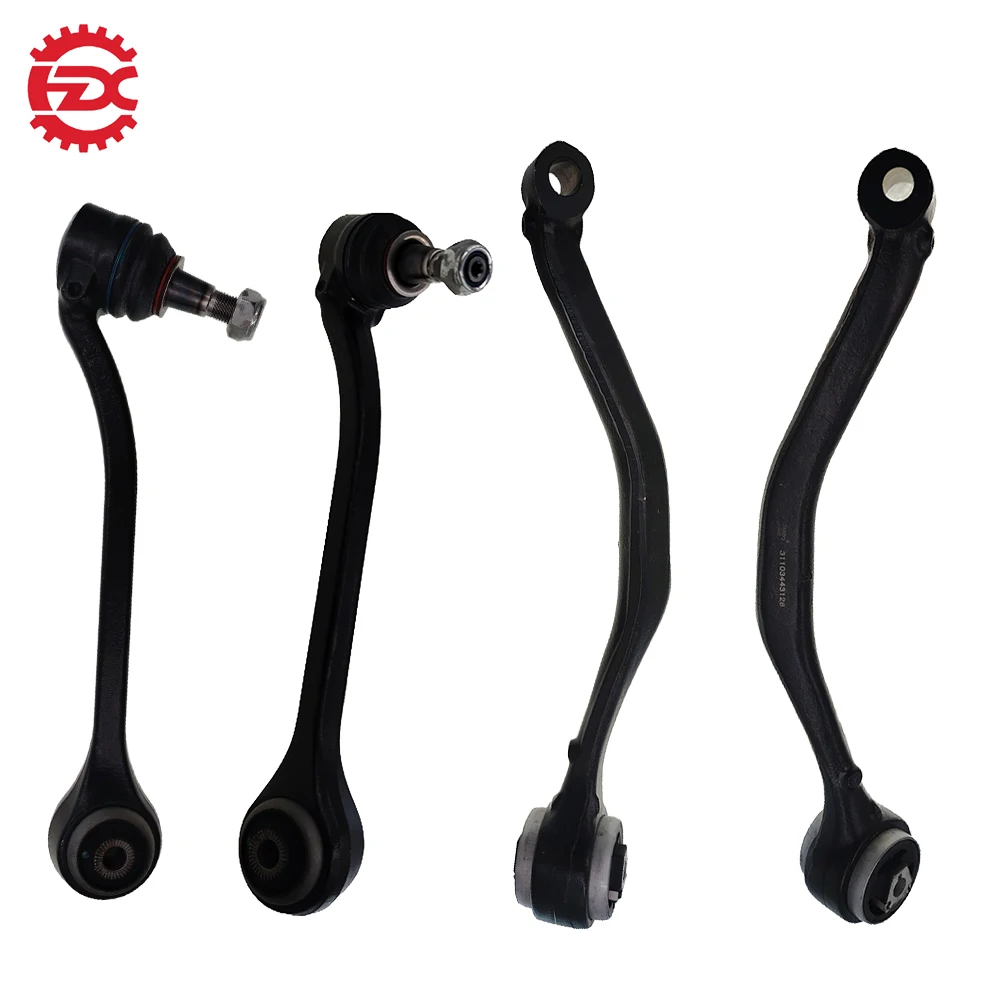
Market dynamics in the automotive parts industry reveal significant variations in lower control arm price across different manufacturers, materials, and quality standards. Premium components typically command higher prices due to advanced engineering, superior materials, and extensive testing protocols. However, budget alternatives flood the market, creating confusion about the true value proposition of different pricing tiers.
Professional mechanics and automotive engineers emphasize that suspension components directly impact vehicle safety, handling characteristics, and overall driving experience. The relationship between lower control arm price and performance outcomes extends beyond initial cost considerations to encompass total ownership expenses, including installation labor, replacement frequency, and potential collateral damage from component failures.
Manufacturing Quality Standards and Price Correlation
Material Composition Impact on Pricing
The foundational element determining lower control arm price lies in material selection and manufacturing processes employed by different suppliers. High-grade steel alloys, aluminum constructions, and advanced composite materials command premium pricing due to their superior strength-to-weight ratios and corrosion resistance properties. Manufacturers utilizing inferior materials can offer significantly lower prices, but these cost savings often translate to reduced component lifespan and compromised performance characteristics.
Precision manufacturing techniques, including CNC machining, advanced welding procedures, and heat treatment processes, contribute substantially to overall production costs. These sophisticated manufacturing methods ensure dimensional accuracy, structural integrity, and consistent quality control standards that justify higher price points. Budget manufacturers frequently employ less precise production methods, resulting in components with greater tolerances and potential fitment issues.
Quality assurance protocols implemented during manufacturing significantly influence final lower control arm price structures. Premium manufacturers conduct extensive testing including stress analysis, fatigue testing, and environmental exposure simulations to validate component durability. These comprehensive quality control measures require substantial investments in testing equipment and personnel, costs that are ultimately reflected in retail pricing.
Engineering Design Complexity
Advanced engineering designs incorporating sophisticated geometry, optimized stress distribution, and integrated bushing systems typically result in higher lower control arm price points. These design enhancements improve vehicle handling characteristics, reduce noise and vibration transmission, and extend component service life. Manufacturers investing in research and development to create superior designs must recover these costs through premium pricing strategies.
Computer-aided design tools, finite element analysis, and prototype testing contribute to development costs that influence final pricing structures. Manufacturers utilizing cutting-edge design technologies can create components with enhanced performance characteristics, but these technological investments require significant financial commitments. The resulting products justify their higher prices through improved functionality and reliability.
Original equipment manufacturer specifications often demand complex designs that comply with stringent automotive industry standards. Components meeting these rigorous requirements typically command higher prices due to the extensive development and validation processes required. Aftermarket alternatives may offer lower prices by simplifying designs or utilizing less stringent quality standards.
Performance Implications of Price Variations
Durability and Service Life Considerations
The relationship between lower control arm price and component longevity represents a critical factor in total cost of ownership calculations. Premium components engineered with superior materials and manufacturing processes typically demonstrate significantly extended service lives compared to budget alternatives. This enhanced durability translates to reduced replacement frequency and lower long-term maintenance costs despite higher initial investment requirements.
Field testing and customer feedback consistently demonstrate that higher-priced components often provide substantially longer service intervals before requiring replacement. Professional automotive technicians report that premium control arms frequently exceed 100,000 miles of service, while budget alternatives may require replacement within 30,000 to 50,000 miles under similar operating conditions.
Environmental factors including road salt exposure, temperature extremes, and driving conditions significantly impact component longevity. Premium components with advanced corrosion protection and materials engineering demonstrate superior resistance to these challenging operating environments, justifying their higher lower control arm price through extended service life and maintained performance characteristics.
Safety and Performance Reliability
Suspension component failures can result in dangerous driving situations, making the reliability aspects of lower control arm price considerations paramount for vehicle safety. Premium components undergo extensive testing to validate their performance under extreme conditions, providing confidence in their ability to maintain vehicle control during emergency maneuvers and adverse driving conditions.
Budget components may exhibit unpredictable failure modes, including sudden structural failures or gradual degradation that compromises vehicle handling characteristics. These reliability concerns create potential safety risks that extend far beyond the initial cost savings achieved through lower-priced component selection. Insurance implications and potential liability issues further complicate the true cost analysis of budget alternatives.
Professional racing and high-performance applications consistently specify premium suspension components due to their predictable behavior and consistent performance characteristics. These demanding applications validate the engineering superiority of higher-priced components and demonstrate the correlation between lower control arm price and performance reliability under extreme operating conditions.
Market Dynamics and Pricing Strategies
Brand Reputation and Market Positioning
Established manufacturers with proven track records in automotive component production typically command premium pricing for their products. These companies have invested decades in building reputations for quality and reliability, costs that are reflected in their lower control arm price structures. Brand recognition provides consumers with confidence in product quality and manufacturer support, justifying higher investment levels.
New market entrants and lesser-known manufacturers often compete primarily on price, offering significant discounts to gain market share. While these companies may produce adequate components, their lack of established reputation and limited quality track records create uncertainty about long-term performance and reliability. Consumers must weigh immediate cost savings against potential risks associated with unproven suppliers.
Distribution networks and marketing investments contribute to overall pricing structures across the automotive aftermarket. Premium manufacturers typically maintain extensive distribution networks, provide comprehensive technical support, and invest heavily in marketing efforts to educate consumers about product benefits. These infrastructure costs are incorporated into final pricing but provide value through improved availability and customer support services.
Supply Chain and Manufacturing Economics
Global supply chain dynamics significantly influence lower control arm price variations across different manufacturers and market segments. Companies with optimized supply chains and strategic manufacturing locations can offer competitive pricing while maintaining quality standards. However, supply chain disruptions, raw material cost fluctuations, and transportation expenses can rapidly impact pricing structures throughout the industry.
Manufacturing scale and production volumes create significant cost advantages for established suppliers. Large manufacturers can spread development costs across higher production volumes, enabling more competitive pricing for equivalent quality levels. Smaller manufacturers may struggle to achieve competitive pricing while maintaining adequate profit margins and quality investment levels.
International trade policies, tariffs, and currency fluctuations introduce additional complexity to lower control arm price dynamics. Manufacturers must navigate these economic factors while maintaining competitive positioning and profitability. These external influences can create rapid price changes that impact consumer purchasing decisions and market dynamics.
Cost-Benefit Analysis for Vehicle Owners
Total Ownership Cost Calculations
Comprehensive cost analysis extends beyond initial lower control arm price considerations to encompass installation labor, replacement frequency, and potential collateral damage from component failures. Premium components often require less frequent replacement, reducing cumulative labor costs and vehicle downtime over extended ownership periods. These factors can significantly offset higher initial investment requirements through reduced long-term maintenance expenses.
Professional installation costs represent substantial portions of total component replacement expenses, making component longevity particularly important for overall cost optimization. Technicians report that premium components typically install more easily due to superior manufacturing tolerances and fitment accuracy, potentially reducing labor time requirements and associated costs.
Warranty coverage and manufacturer support services provide additional value propositions that justify higher lower control arm price points. Premium manufacturers often offer comprehensive warranty programs and technical support services that protect consumers against defective components and provide assistance with installation or performance issues. These services represent tangible value additions beyond the physical component itself.
Performance Value Propositions
Enhanced vehicle handling characteristics, improved ride quality, and reduced noise and vibration transmission represent intangible benefits associated with premium suspension components. These performance improvements contribute to overall driving satisfaction and vehicle refinement, factors that may justify higher investment levels for discerning vehicle owners who prioritize driving experience quality.
Resale value considerations may favor vehicles equipped with premium suspension components, particularly for enthusiast-oriented vehicles where component quality influences buyer perceptions. Documented use of high-quality replacement parts can enhance vehicle marketability and support higher resale values, partially offsetting initial investment premiums through improved asset value retention.
Professional applications including commercial vehicles, fleet operations, and performance driving situations often justify premium component investments through improved reliability, reduced maintenance intervals, and enhanced operational efficiency. These demanding applications demonstrate the tangible benefits of higher lower control arm price investments in critical operating environments.
Industry Trends and Future Considerations
Technological Advancement Impact
Emerging technologies including advanced materials, manufacturing processes, and design optimization techniques continue to influence lower control arm price structures and performance capabilities. Manufacturers investing in research and development to incorporate these technologies typically command premium pricing but offer corresponding improvements in component performance and longevity.
Electric vehicle adoption creates new demands for suspension component design and performance characteristics. These evolving requirements may influence future pricing structures as manufacturers adapt their products to meet the unique challenges of electric vehicle applications, including increased vehicle weights and different performance priorities.
Sustainability considerations and environmental regulations increasingly influence manufacturing processes and material selection decisions. Companies implementing environmentally responsible practices may incur additional costs that impact lower control arm price structures but provide value through reduced environmental impact and compliance with evolving regulatory requirements.
Market Evolution and Consumer Expectations
Consumer awareness of quality and performance differences continues to evolve, potentially supporting market demand for premium components despite higher pricing. Educational efforts by manufacturers and industry organizations help consumers understand the relationship between component quality and long-term value propositions, supporting more informed purchasing decisions.
Online sales channels and direct-to-consumer marketing strategies enable manufacturers to offer competitive pricing while maintaining quality standards. These evolving distribution models may impact traditional pricing structures and provide consumers with improved access to premium components at more competitive price points.
Regulatory compliance requirements and safety standards continue to evolve, potentially influencing minimum quality standards and corresponding lower control arm price floors across the industry. These regulatory developments may reduce the availability of extremely low-cost alternatives while supporting market demand for higher-quality components.
FAQ
What factors contribute most significantly to lower control arm price variations
Material quality, manufacturing processes, and engineering design complexity represent the primary factors influencing lower control arm price variations across different suppliers. Premium materials including high-grade steel alloys and aluminum constructions command higher prices due to superior performance characteristics and durability. Advanced manufacturing techniques such as precision machining and comprehensive quality control protocols add substantial costs but ensure superior component reliability and performance consistency.
How does lower control arm price correlate with component longevity
Higher-priced components typically demonstrate significantly extended service lives due to superior materials and manufacturing quality standards. Premium control arms often exceed 100,000 miles of service under normal operating conditions, while budget alternatives may require replacement within 30,000 to 50,000 miles. This enhanced durability translates to reduced replacement frequency and lower long-term maintenance costs despite higher initial investment requirements.
Are expensive control arms always better than budget alternatives
While higher lower control arm price generally correlates with superior quality and performance, consumers should evaluate specific applications and requirements when making purchasing decisions. Premium components justify their higher costs through enhanced durability, improved performance characteristics, and comprehensive warranty coverage. However, budget alternatives may provide adequate performance for less demanding applications, making cost-benefit analysis essential for optimal purchasing decisions.
What hidden costs should be considered beyond the initial lower control arm price
Installation labor costs, replacement frequency, and potential collateral damage from component failures represent significant hidden expenses beyond initial component pricing. Premium components often install more easily and require less frequent replacement, reducing cumulative labor costs and vehicle downtime. Additionally, component failures can damage related suspension parts or compromise vehicle safety, creating expensive repair requirements that far exceed initial cost savings from budget component selection.