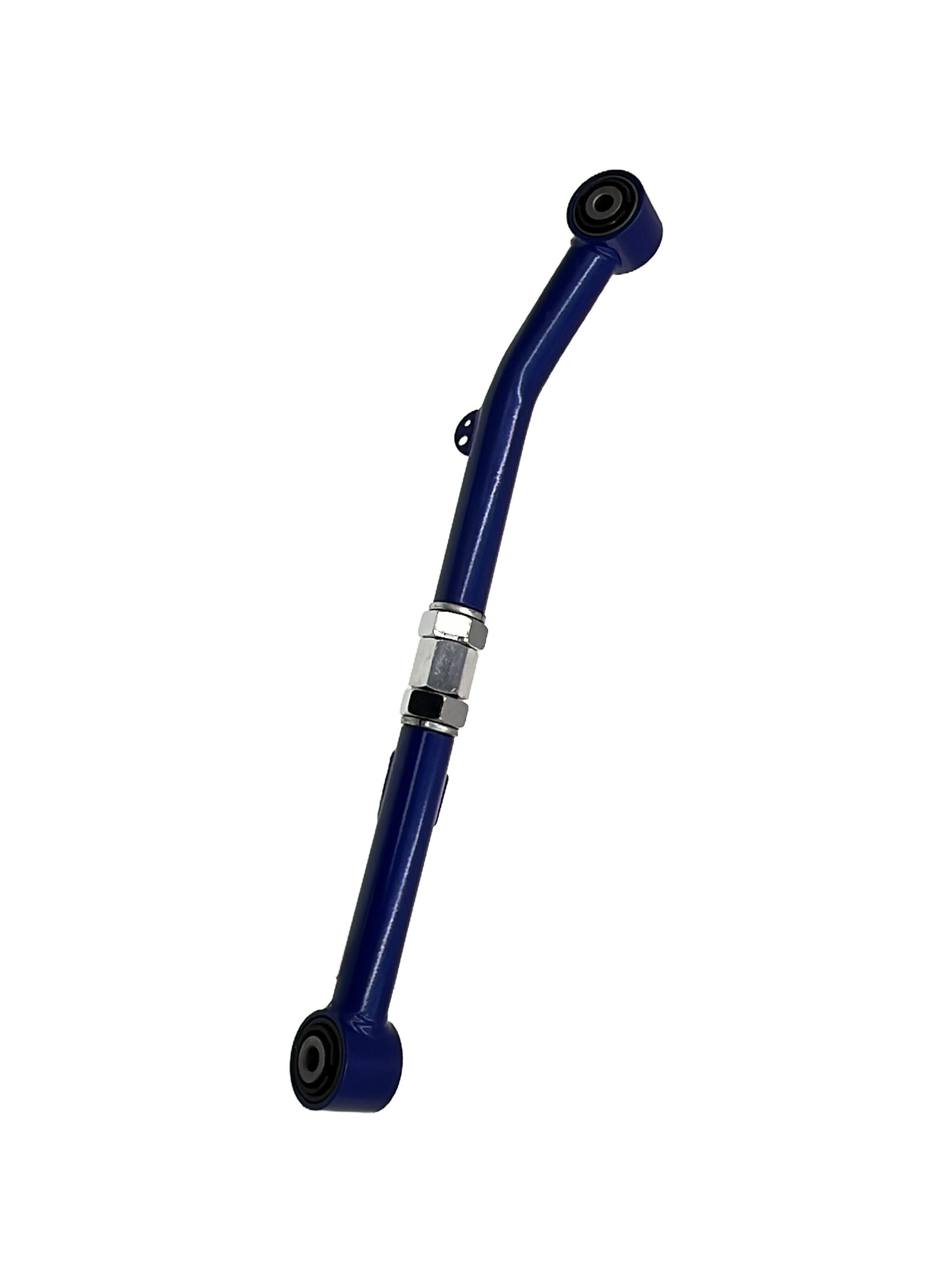
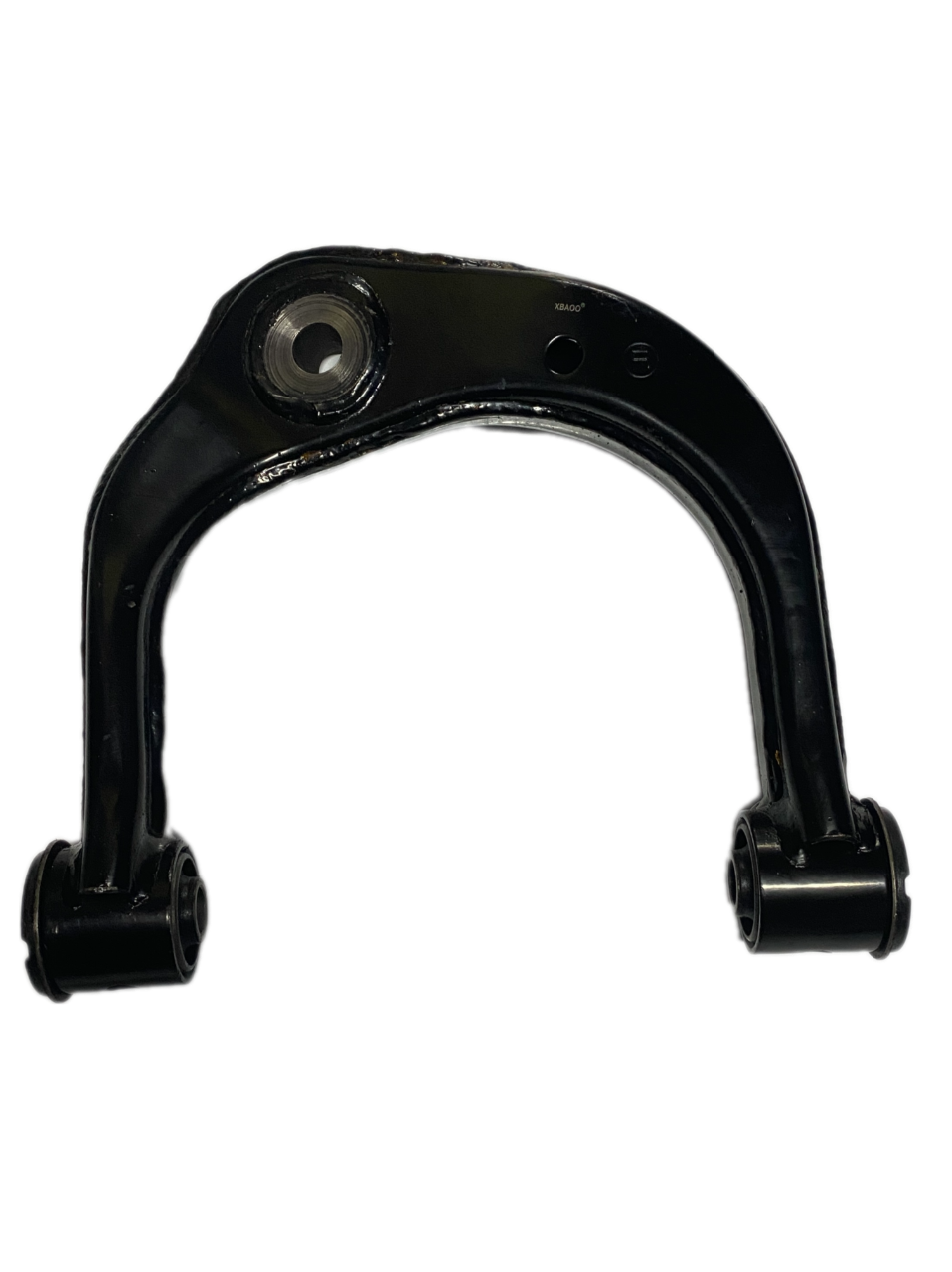
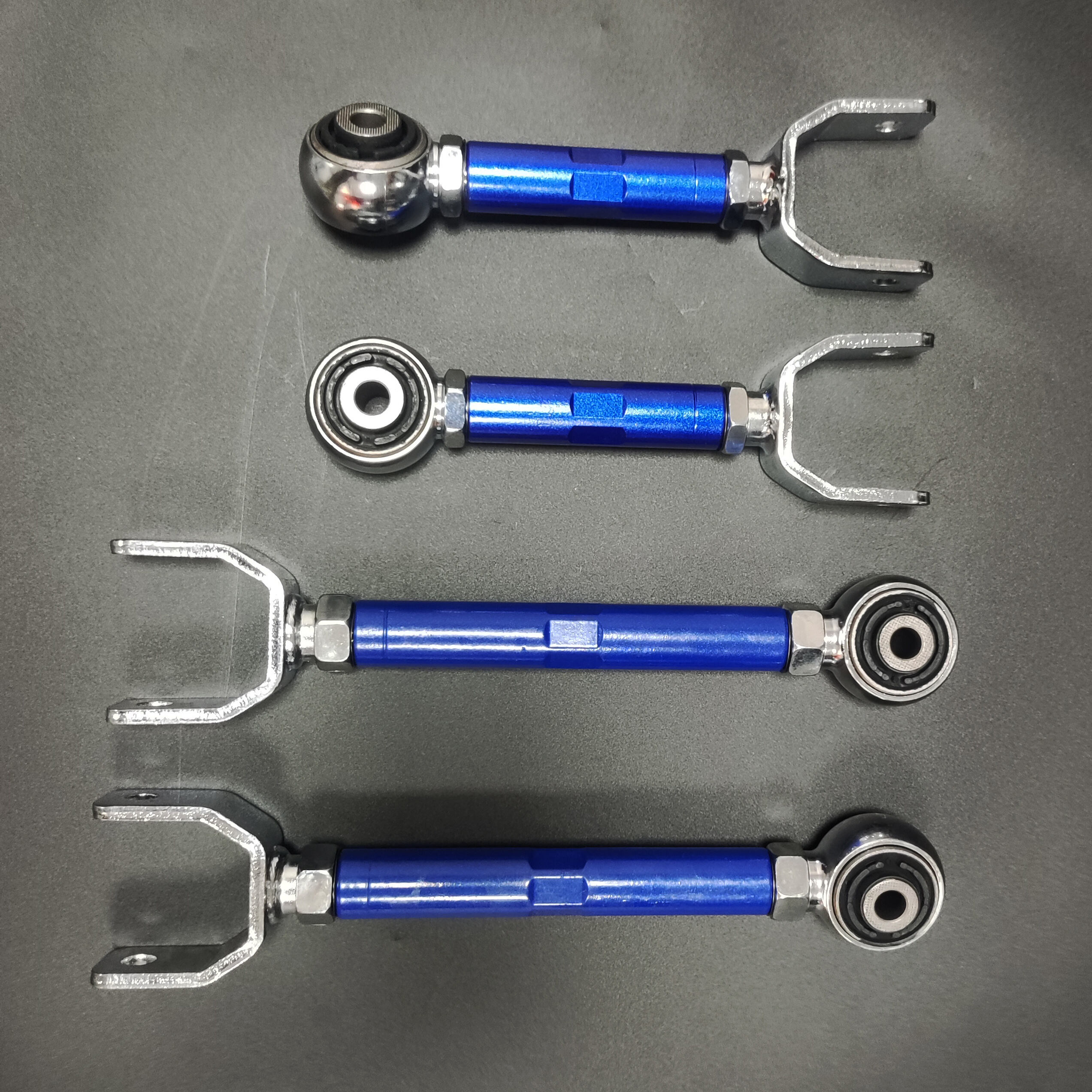
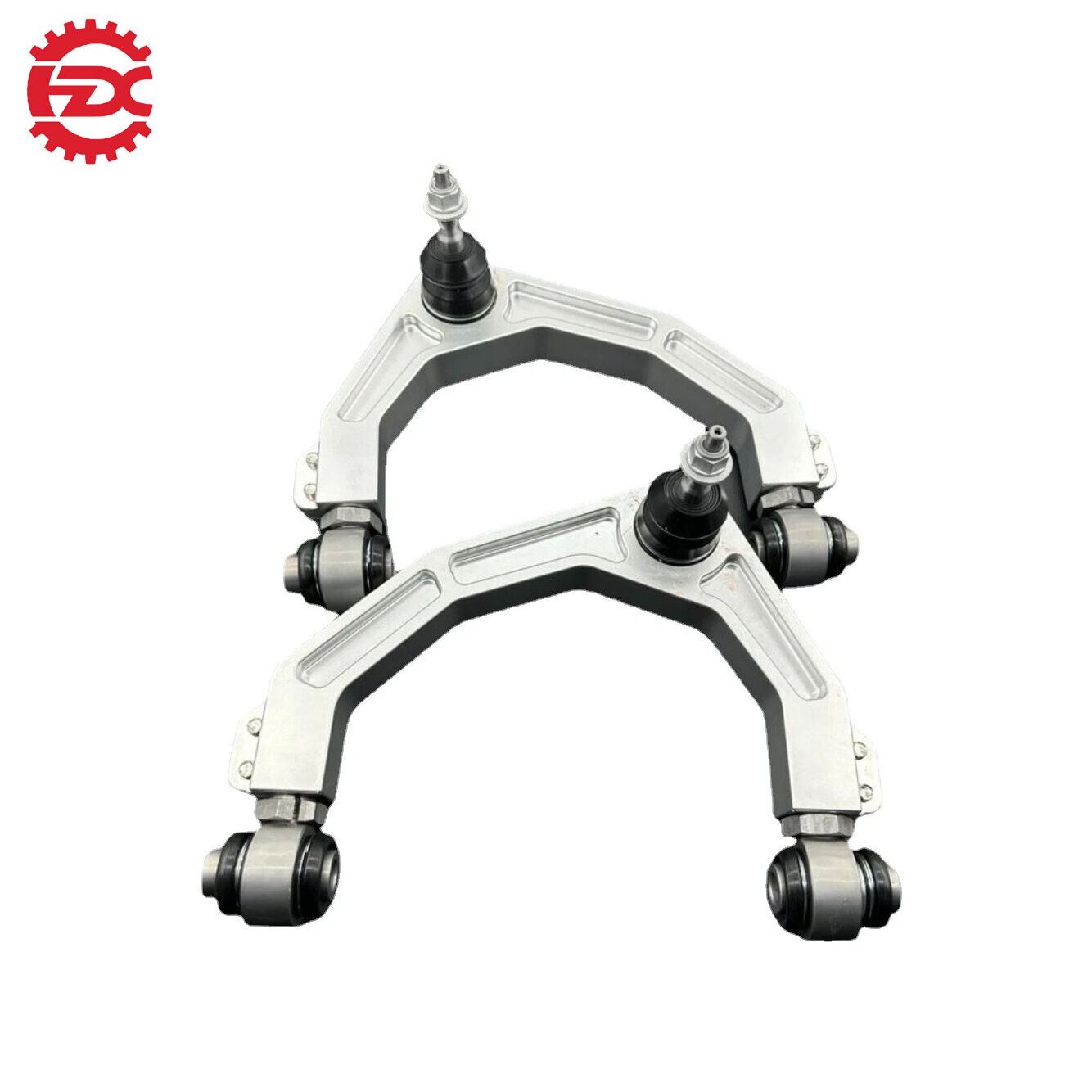
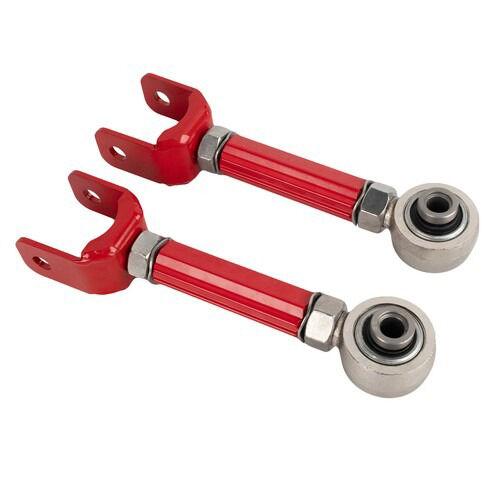
adjustable rear trailing arms
Adjustable rear trailing arms represent a sophisticated suspension component that provides enhanced control over vehicle dynamics and handling characteristics. These precision-engineered components serve as the crucial link between the rear axle and the vehicle chassis, allowing for precise adjustment of rear suspension geometry. Unlike fixed trailing arms, adjustable rear trailing arms feature variable length mechanisms that enable fine-tuning of wheel alignment angles, particularly camber and toe settings. The primary function of these components involves maintaining proper wheel positioning while accommodating various driving conditions and performance requirements. Modern adjustable rear trailing arms incorporate advanced materials such as high-strength aluminum alloys or steel construction, featuring robust bushings and precision-machined adjustment points. The technological features include threaded rod ends, spherical bearings, and corrosion-resistant coatings that ensure long-lasting performance. These components utilize sophisticated engineering principles to provide consistent geometry control throughout the suspension travel range. The adjustment mechanism typically employs either threaded sleeves or cam-bolt systems that allow for precise incremental changes to arm length. This adjustability enables optimization of rear suspension characteristics for different applications, from street performance to competitive racing environments. The applications for adjustable rear trailing arms span across various automotive segments, including sports cars, modified street vehicles, and professional racing applications. These components prove particularly valuable in vehicles equipped with independent rear suspension systems, where precise control of wheel positioning directly impacts handling performance. The installation of adjustable rear trailing arms enables enthusiasts and professionals to compensate for ride height changes, correct suspension geometry after modifications, and optimize tire contact patches for maximum grip. Additionally, these components facilitate easy alignment adjustments without requiring extensive suspension modifications or replacements.

 EN
EN