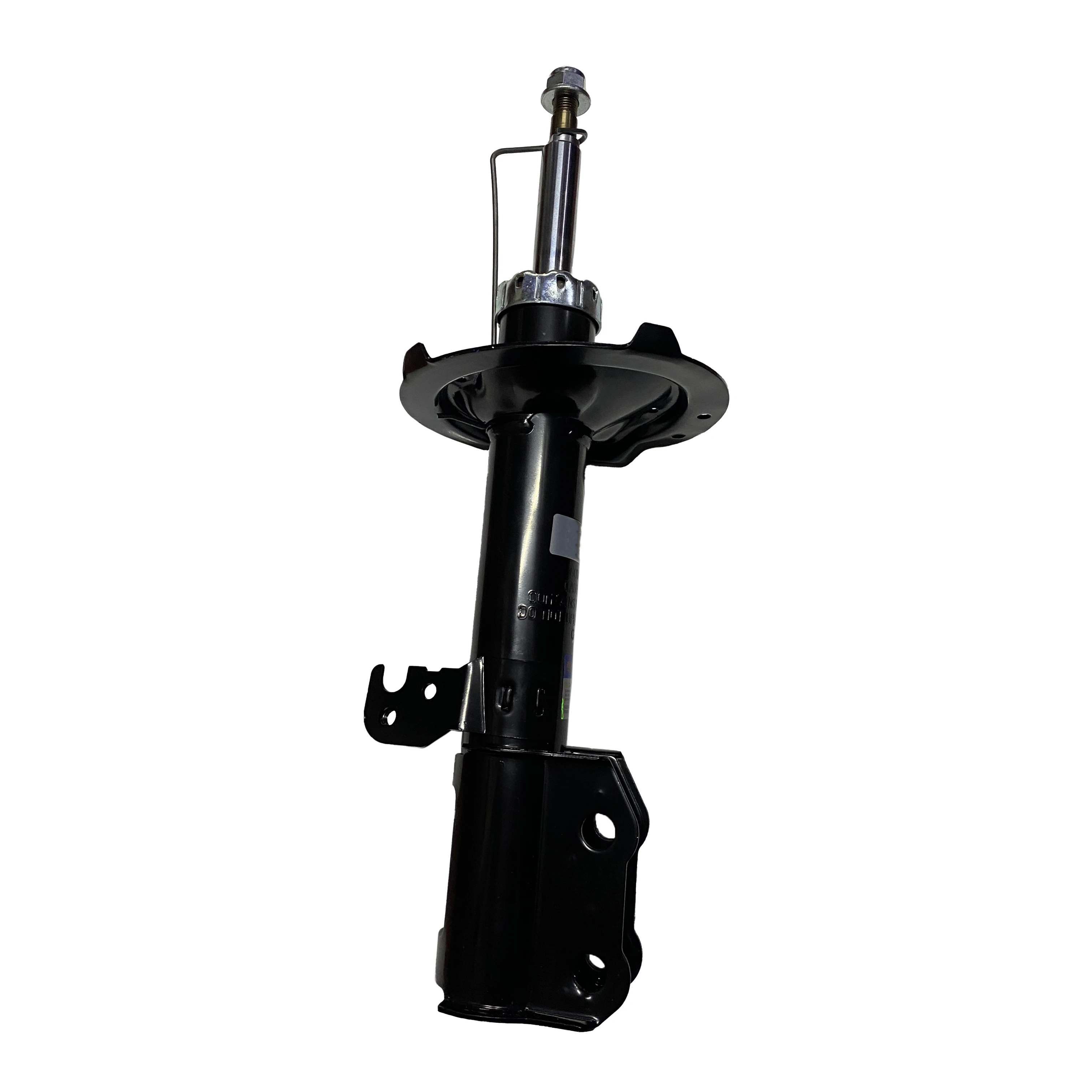
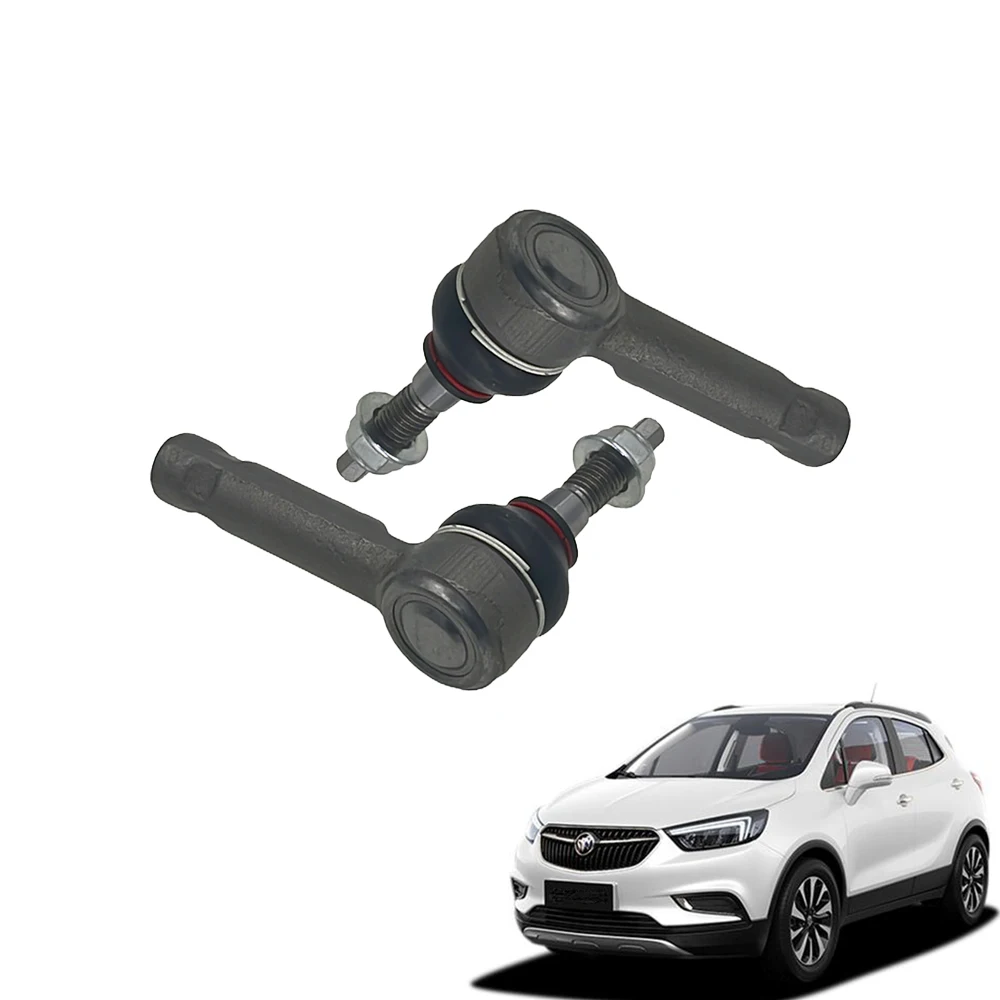
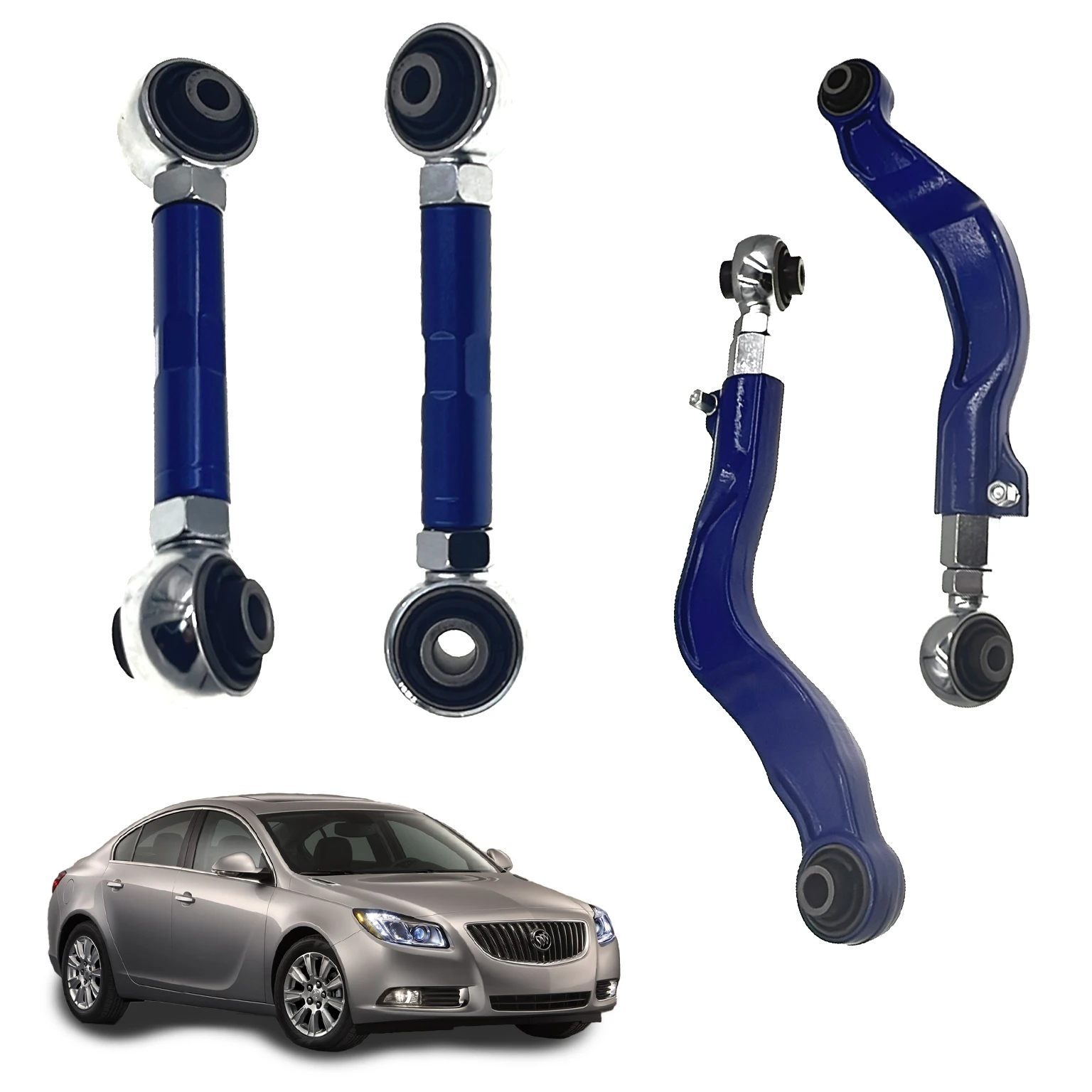
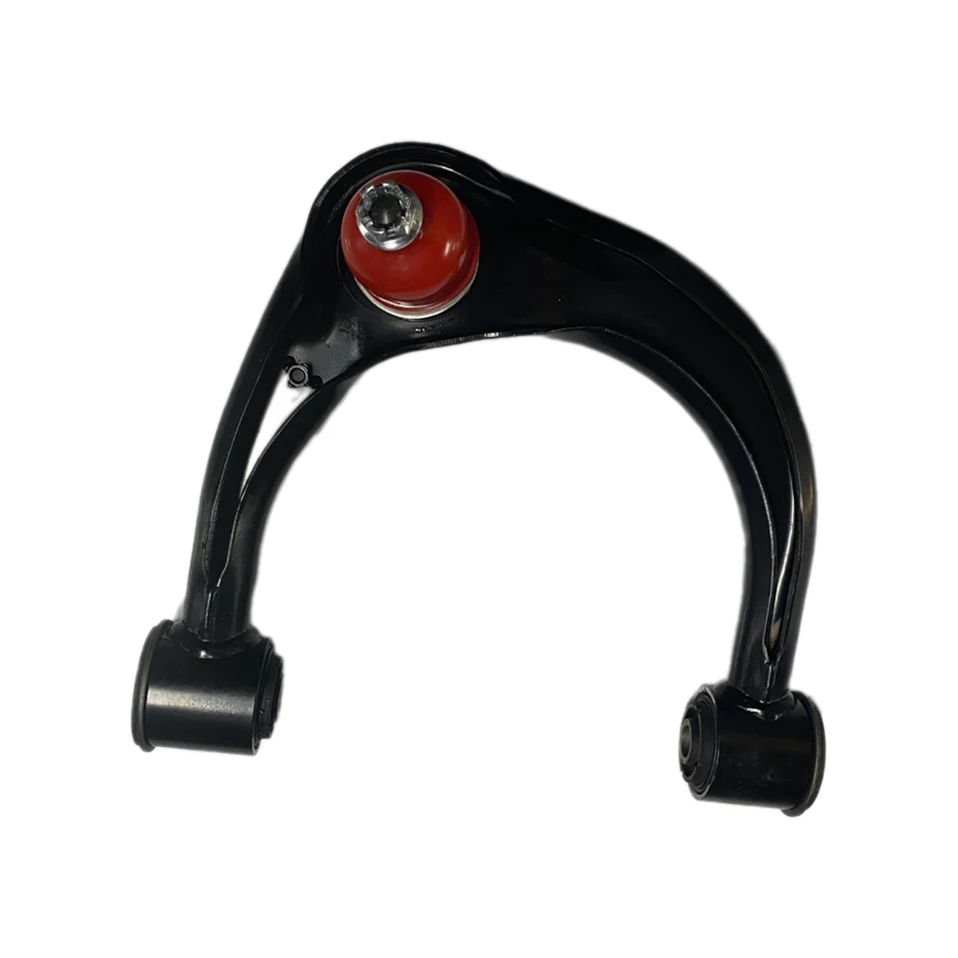
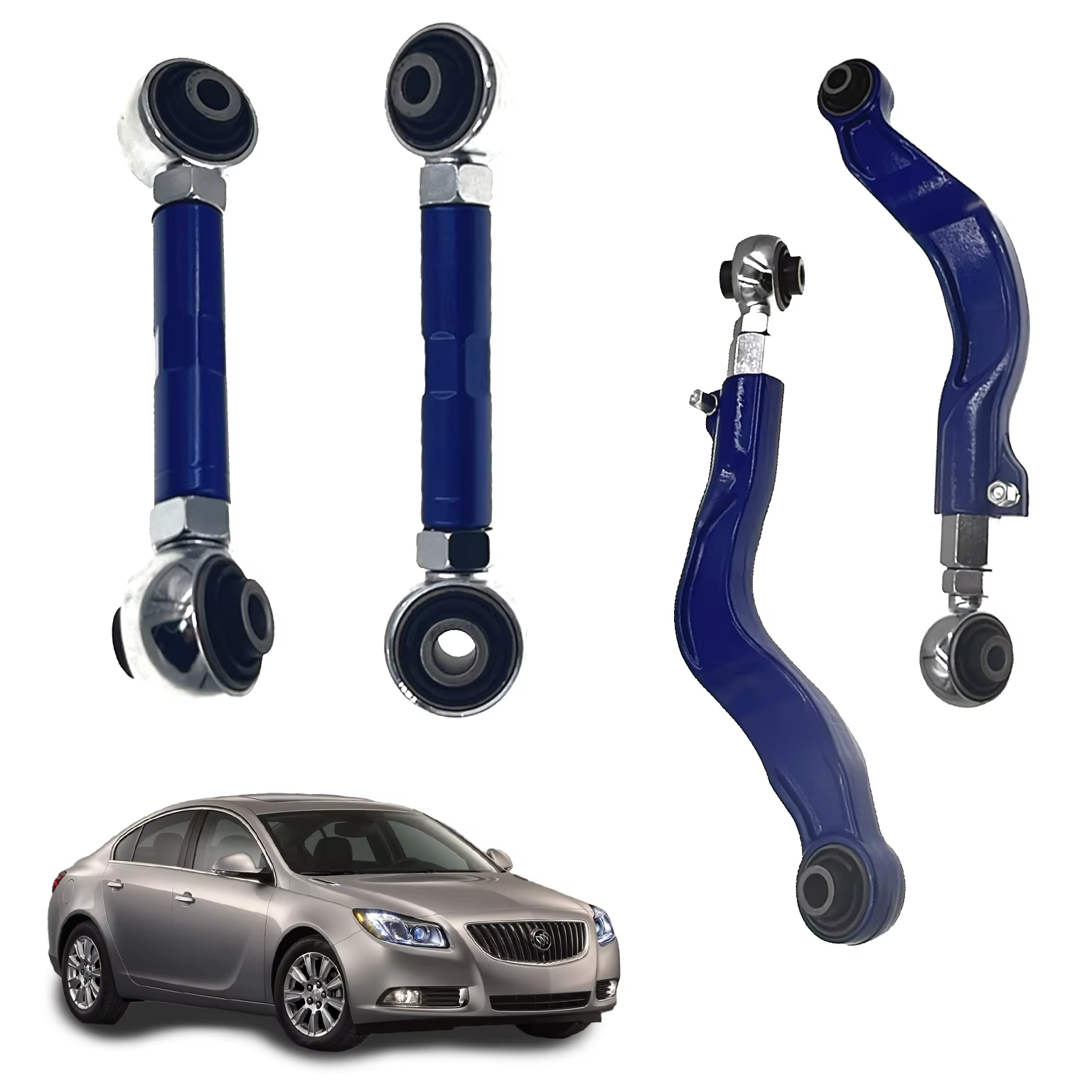
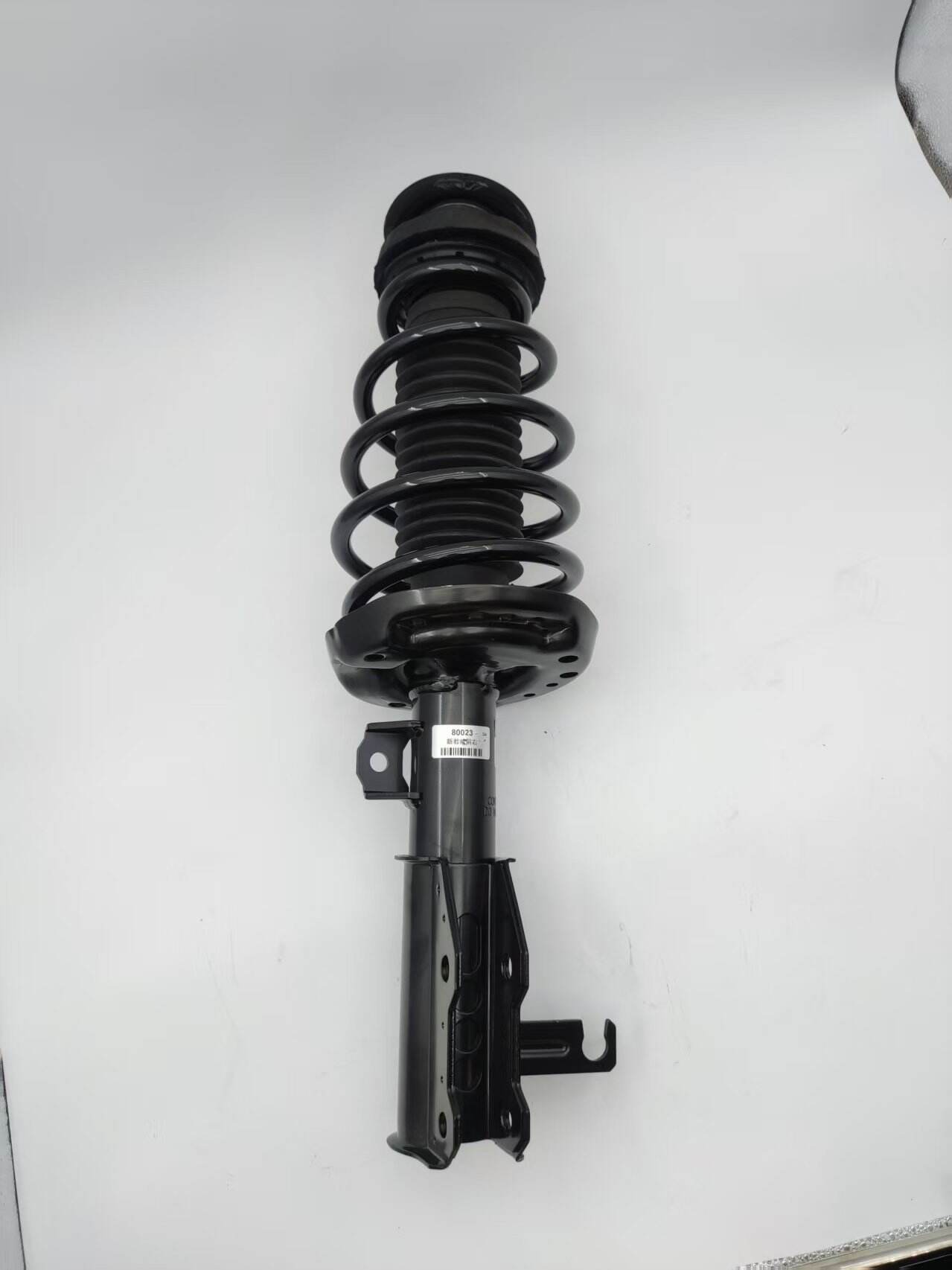
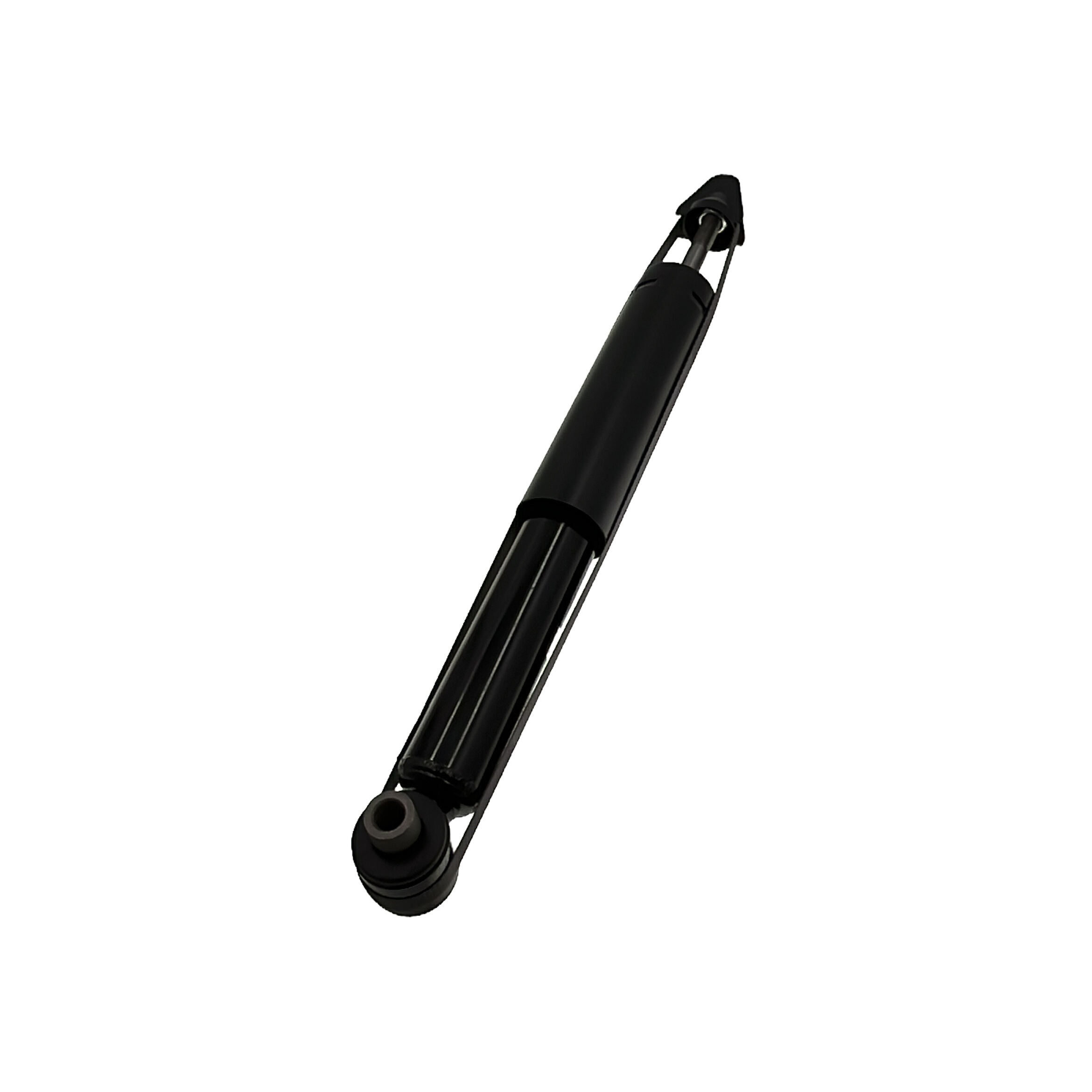
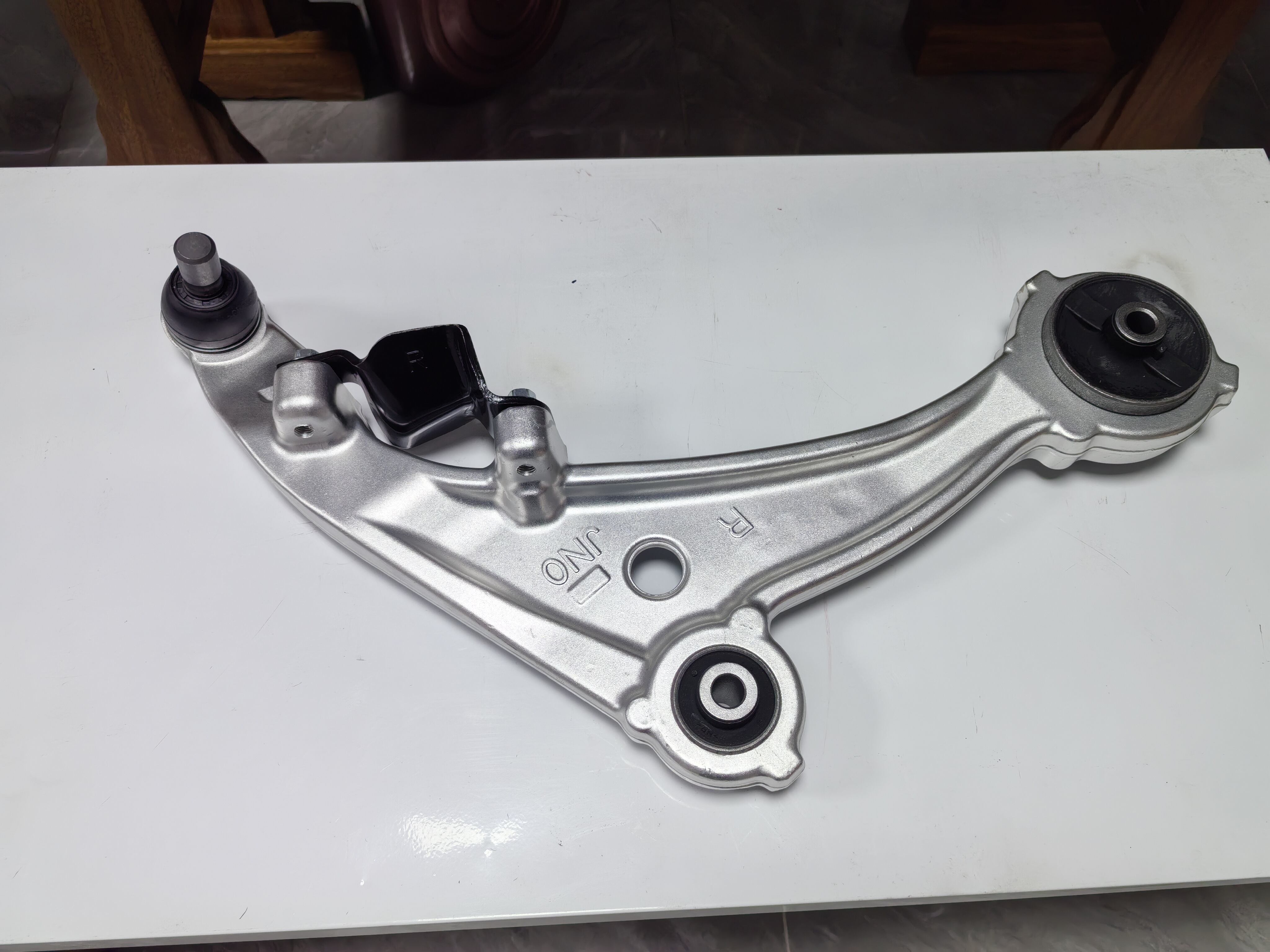
High-Performance Camber Arms for Camber Correction - Precision Alignment Solutions

All Categories

Get a Free Quote

Our representative will contact you soon.
Email
Name
Company Name
Message
0/1000

camber arms for camber correction

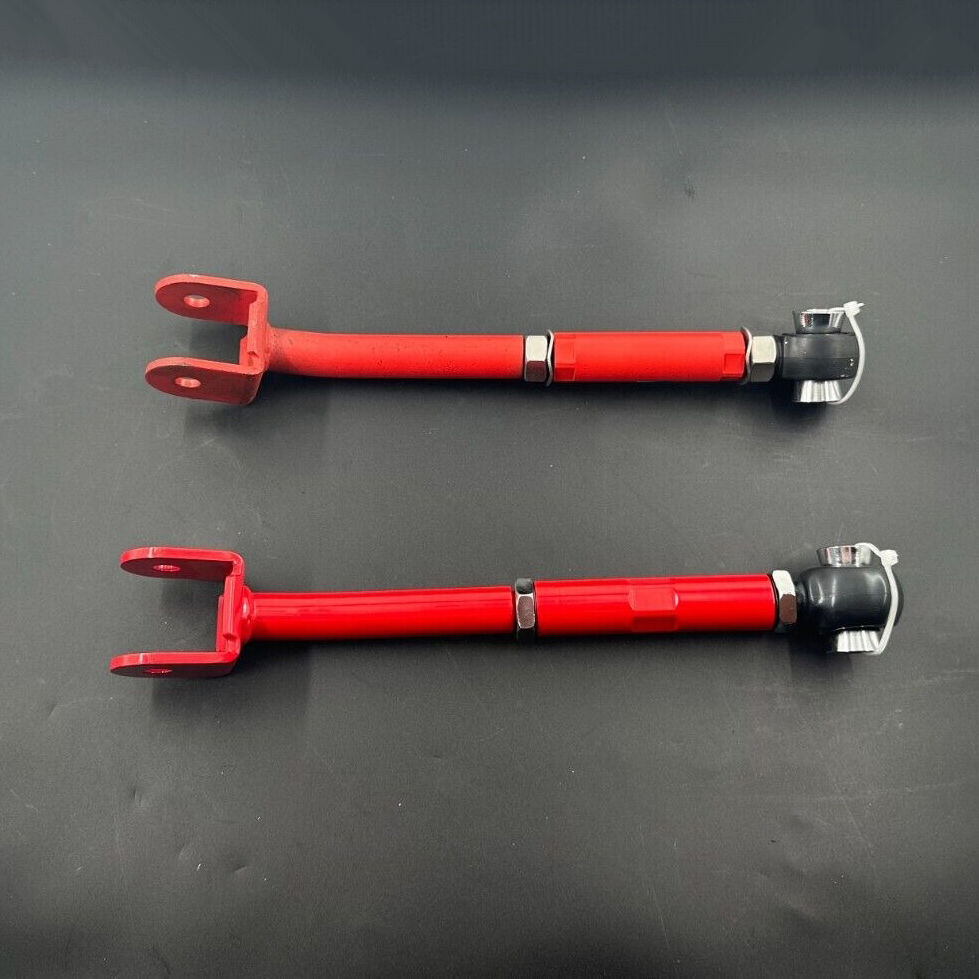
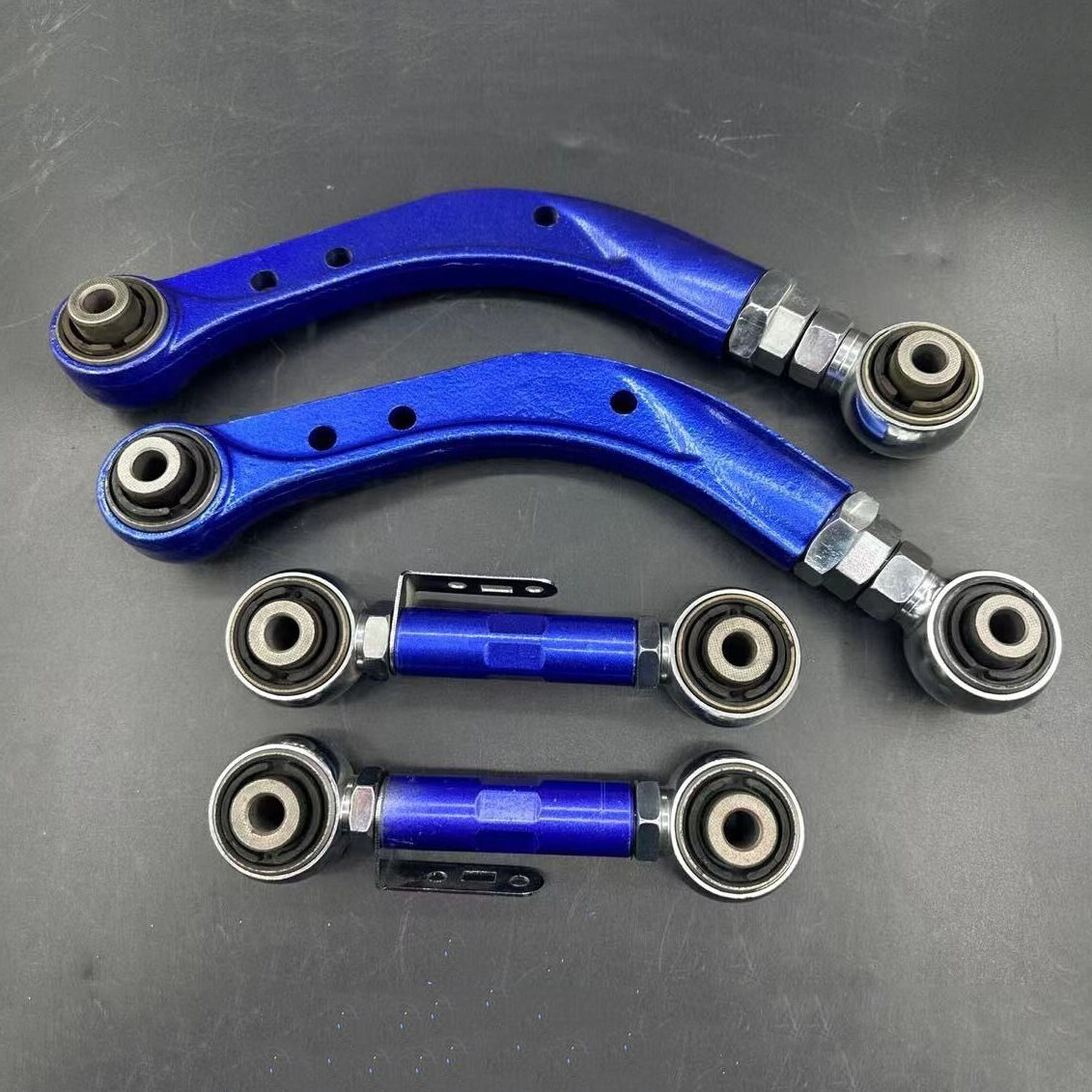
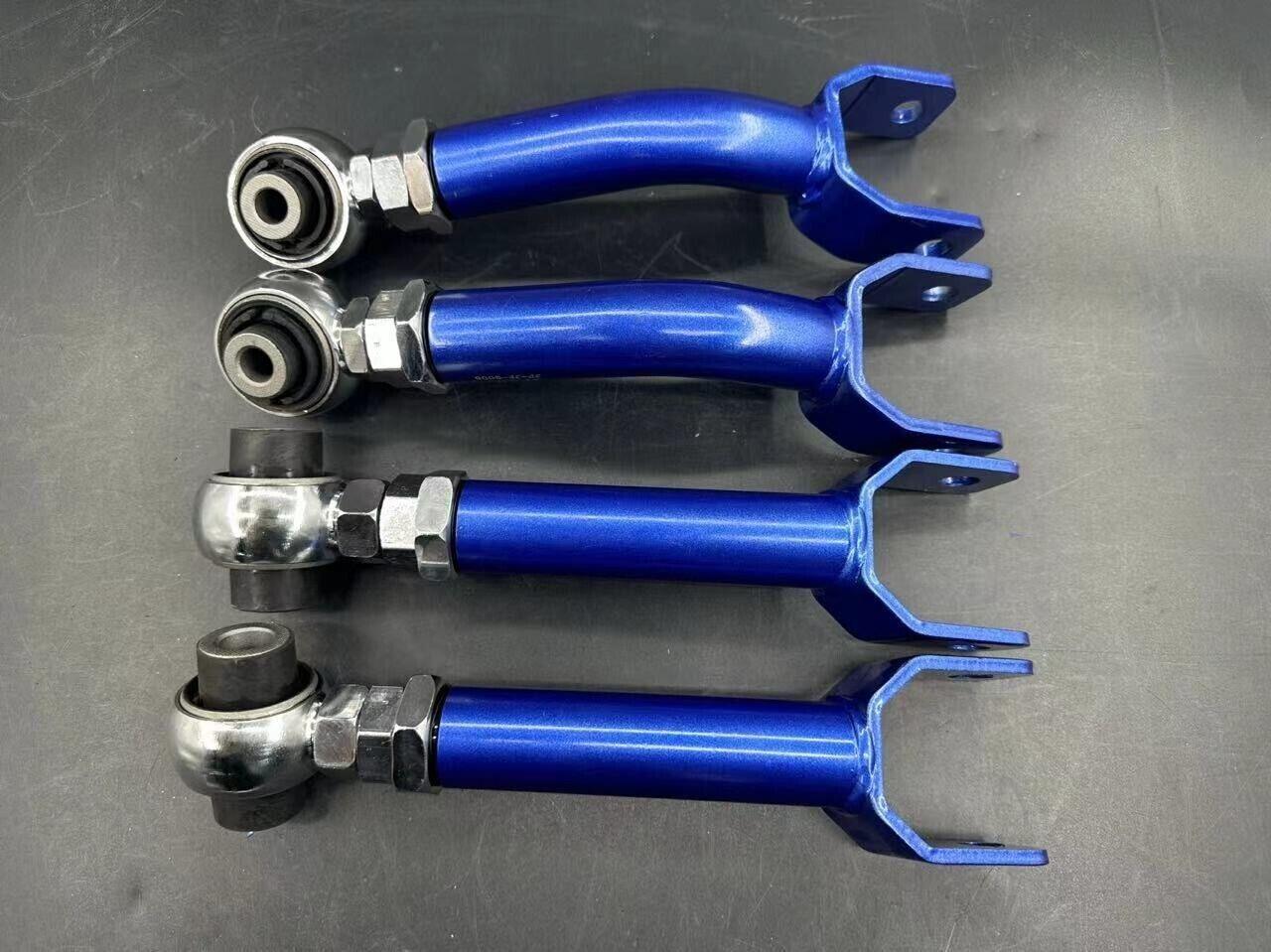
Camber arms for camber correction represent essential suspension components that enable precise wheel alignment adjustments in modern automotive applications. These specialized control arms provide the mechanical interface between the vehicle's chassis and wheel assembly, allowing technicians to modify the camber angle to achieve optimal tire contact with the road surface. The primary function of camber arms for camber correction involves adjusting the vertical inclination of wheels, measured as the angle between the wheel's centerline and true vertical position when viewed from the front or rear of the vehicle. This adjustment capability proves crucial for maintaining proper tire wear patterns, enhancing vehicle handling characteristics, and ensuring maximum grip during cornering maneuvers. Technological features of camber arms for camber correction include adjustable mounting points, high-strength materials such as forged aluminum or steel construction, and precision-engineered bushings that maintain alignment stability under various driving conditions. Many systems incorporate threaded adjustment mechanisms or eccentric bolts that facilitate fine-tuning of camber settings without requiring complete component replacement. The design typically features reinforced attachment points to withstand the substantial forces generated during aggressive driving or track use. Applications for camber arms for camber correction span numerous automotive sectors, including performance tuning, motorsports preparation, lowered vehicle modifications, and restoration projects where original suspension geometry requires correction. Racing applications particularly benefit from these components, as optimal camber settings directly influence lap times and tire longevity. Street performance enthusiasts utilize camber arms for camber correction to compensate for suspension modifications such as lowering springs or coilovers that alter factory alignment specifications. Additionally, these components serve corrective purposes in vehicles experiencing uneven tire wear due to suspension settling, accident damage, or component wear that has affected original camber specifications.


Popular Products

Camber arms for camber correction deliver significant advantages that directly benefit vehicle owners seeking improved performance, reduced maintenance costs, and enhanced driving safety. The most immediate advantage involves extending tire life through proper camber adjustment, which ensures even contact between tire treads and road surfaces. When camber angles remain within optimal specifications, tires wear uniformly across their entire width, preventing premature replacement and reducing long-term operating costs. This benefit becomes particularly valuable for high-performance vehicles or those equipped with expensive tire sets where uneven wear patterns can cost hundreds of dollars in premature replacements. Enhanced handling characteristics represent another major advantage of camber arms for camber correction, as proper camber settings maximize tire contact patches during cornering maneuvers. Vehicles equipped with these adjustable components demonstrate improved steering response, reduced understeer or oversteer tendencies, and increased confidence-inspiring behavior during spirited driving or emergency maneuvers. The ability to fine-tune camber settings allows drivers to optimize their vehicle's handling balance for specific driving conditions or personal preferences. Improved traction represents a direct result of optimized camber angles, particularly beneficial during acceleration, braking, and cornering scenarios. Properly adjusted camber arms for camber correction ensure maximum tire contact with road surfaces, translating improved grip into shorter braking distances, better acceleration traction, and enhanced cornering capabilities. This advantage proves especially valuable in performance driving situations where traction limitations directly impact safety and enjoyment. The adjustability factor provides long-term flexibility that traditional fixed suspension components cannot match. Vehicle owners can adapt their suspension geometry to accommodate different tire sizes, driving styles, or track configurations without purchasing entirely new suspension components. This adaptability makes camber arms for camber correction particularly cost-effective for enthusiasts who regularly modify their vehicles or participate in various driving activities. Installation convenience represents another practical advantage, as many camber arms for camber correction feature direct replacement designs that utilize existing mounting points and hardware. Professional installation typically requires minimal time compared to more complex suspension modifications, reducing labor costs while delivering immediate benefits. The adjustment process itself often requires only basic tools and can be performed during routine alignment services, making ongoing optimization simple and affordable.

Tips And Tricks

The Ultimate Guide to Choosing the Right Adjustable Control Arms for Your Car

30

Jul

The Ultimate Guide to Choosing the Right Adjustable Control Arms for Your Car

Why Suspension Precision Matters More Than Ever Performance upgrades have become increasingly popular among automotive enthusiasts and daily drivers alike. One of the most overlooked yet critical components in ensuring better handling, wheel alignm...
View More
Best Amortiguadores for a Smooth Ride: Our Top Picks

30

Jul

Best Amortiguadores for a Smooth Ride: Our Top Picks

Why Choosing the Right Amortiguadores Matters A smooth and stable ride doesn't happen by accident—it comes down to engineering, quality, and most importantly, the right amortiguadores. These essential components absorb shocks and vibrations, e...
View More
Camber Arms: The Key to Enhanced Vehicle Dynamics

18

Sep

Camber Arms: The Key to Enhanced Vehicle Dynamics

Understanding the Critical Role of Camber Arms in Vehicle Performance Vehicle performance enthusiasts and automotive engineers have long recognized that achieving optimal handling characteristics requires precise control over wheel alignment geometry...
View More
Maximizing Value from Your Rear Toe Arm Investment

27

Nov

Maximizing Value from Your Rear Toe Arm Investment

Vehicle suspension systems represent one of the most critical aspects of automotive performance, safety, and handling characteristics. Among the various components that contribute to optimal suspension geometry, the rear toe arm stands as a pivotal e...
View More

Get a Free Quote

Our representative will contact you soon.
Email
Name
Company Name
Message
0/1000

camber arms for camber correction

Precision Engineering for Optimal Performance

Precision Engineering for Optimal Performance

The precision engineering behind camber arms for camber correction sets these components apart from standard suspension parts through their sophisticated design and manufacturing processes. Each camber arm undergoes extensive computer-aided design development to ensure optimal strength-to-weight ratios while providing the adjustment range necessary for various applications. The engineering process begins with finite element analysis to identify stress concentration points and optimize material distribution throughout the component structure. This analytical approach results in camber arms for camber correction that can withstand the extreme forces encountered during high-performance driving while maintaining precise adjustment capabilities over extended service periods. Manufacturing precision plays a crucial role in the effectiveness of these components, with tolerances measured in thousandths of an inch to ensure consistent performance across production runs. The machining processes used to create adjustment mechanisms maintain accuracy levels that directly translate into reliable camber settings and repeatable alignment specifications. Quality control measures throughout production ensure that each camber arm for camber correction meets strict dimensional standards before leaving the factory. The materials selected for construction represent another aspect of precision engineering, with manufacturers utilizing high-grade aluminum alloys, chromoly steel, or other specialized materials that provide optimal strength characteristics while minimizing unsprung weight. Surface treatments such as anodizing or powder coating not only enhance appearance but also provide corrosion resistance that maintains component integrity in harsh operating environments. The precision-engineered bushings and bearings incorporated into camber arms for camber correction utilize advanced materials and designs that minimize friction while maintaining dimensional stability under load. These components often feature polyurethane or spherical bearing designs that eliminate the compliance found in rubber bushings, resulting in more precise suspension geometry and improved response characteristics. The attention to detail in precision engineering extends to the adjustment mechanisms themselves, which must provide smooth operation throughout their range while maintaining secure positioning under dynamic loads.
Versatile Applications Across Multiple Vehicle Types

Versatile Applications Across Multiple Vehicle Types

The versatile nature of camber arms for camber correction makes them suitable for an exceptionally wide range of vehicle applications, from daily drivers to professional race cars, demonstrating their universal value in automotive suspension systems. Street performance applications represent one of the largest segments benefiting from these components, as enthusiasts frequently modify their vehicles with lowering springs, coilovers, or other suspension upgrades that alter factory camber specifications. The resulting negative camber often exceeds acceptable limits for street use, causing accelerated inner tire wear and compromised straight-line stability. Camber arms for camber correction address these issues by providing the adjustment range necessary to restore proper alignment while maintaining the desired suspension modifications. Track day enthusiasts and weekend racers rely heavily on camber arms for camber correction to optimize their vehicles for circuit use, where aggressive camber settings can significantly improve cornering performance and lap times. The ability to quickly adjust camber settings between different track configurations or tire compounds provides a competitive advantage that fixed suspension components cannot match. Professional motorsports applications showcase the ultimate versatility of these components, with racing teams utilizing camber arms for camber correction to fine-tune vehicle handling characteristics for specific tracks, weather conditions, or driver preferences. The rapid adjustment capability proves invaluable during practice sessions when teams need to optimize setup parameters within limited time frames. Restoration projects benefit significantly from camber arms for camber correction when original suspension components have worn beyond acceptable limits or when upgrading to modern performance standards while maintaining period-appropriate appearance. Classic vehicle owners can address suspension settling, frame modifications, or component wear that has affected original alignment specifications without resorting to major structural modifications. Commercial vehicle applications have begun incorporating camber arms for camber correction to address uneven tire wear issues that impact fleet operating costs. The ability to fine-tune alignment specifications for specific loading conditions or operating environments provides fleet managers with tools to optimize tire life and reduce maintenance expenses across their vehicle inventories.
Cost-Effective Long-Term Investment Solution

Cost-Effective Long-Term Investment Solution

Camber arms for camber correction represent an exceptionally cost-effective long-term investment that delivers ongoing value through reduced maintenance costs, improved performance, and extended component life. The initial investment in quality camber arms typically pays for itself within the first set of tires through extended tire life and improved wear patterns. Traditional suspension systems with fixed camber settings often result in premature tire replacement due to uneven wear patterns, particularly on modified vehicles or those experiencing suspension settling over time. The ability to maintain optimal camber settings throughout the vehicle's service life eliminates these costly tire replacements and provides ongoing savings that compound over years of ownership. The durability engineering built into camber arms for camber correction ensures these components provide reliable service for extended periods, often outlasting multiple sets of other suspension components. High-quality materials and precision manufacturing processes result in components that maintain their adjustment capabilities and structural integrity despite exposure to harsh operating conditions, road salt, and extreme temperatures. This longevity factor makes camber arms for camber correction particularly valuable for vehicle owners who plan to maintain their cars for extended periods rather than frequent replacements. Maintenance cost reductions extend beyond tire savings to include decreased wear on other suspension components that benefit from proper wheel alignment. When camber angles remain within optimal specifications, ball joints, wheel bearings, and other suspension components experience reduced stress and last longer between service intervals. The cascading effect of proper alignment reduces overall vehicle operating costs while improving reliability and safety margins. The flexibility provided by adjustable camber arms eliminates the need for costly suspension component replacements when addressing alignment issues or adapting to different driving requirements. Vehicle owners can optimize their suspension geometry for various tire sizes, driving conditions, or performance modifications without purchasing entirely new suspension systems. This adaptability proves particularly valuable for enthusiasts who regularly modify their vehicles or participate in different types of driving activities throughout ownership periods. Professional installation costs remain reasonable due to the direct replacement nature of most camber arms for camber correction designs, which utilize existing mounting points and require minimal additional modifications during installation.

Get a Free Quote

Our representative will contact you soon.
Email
Name
Company Name
Message
0/1000