
 EN
EN
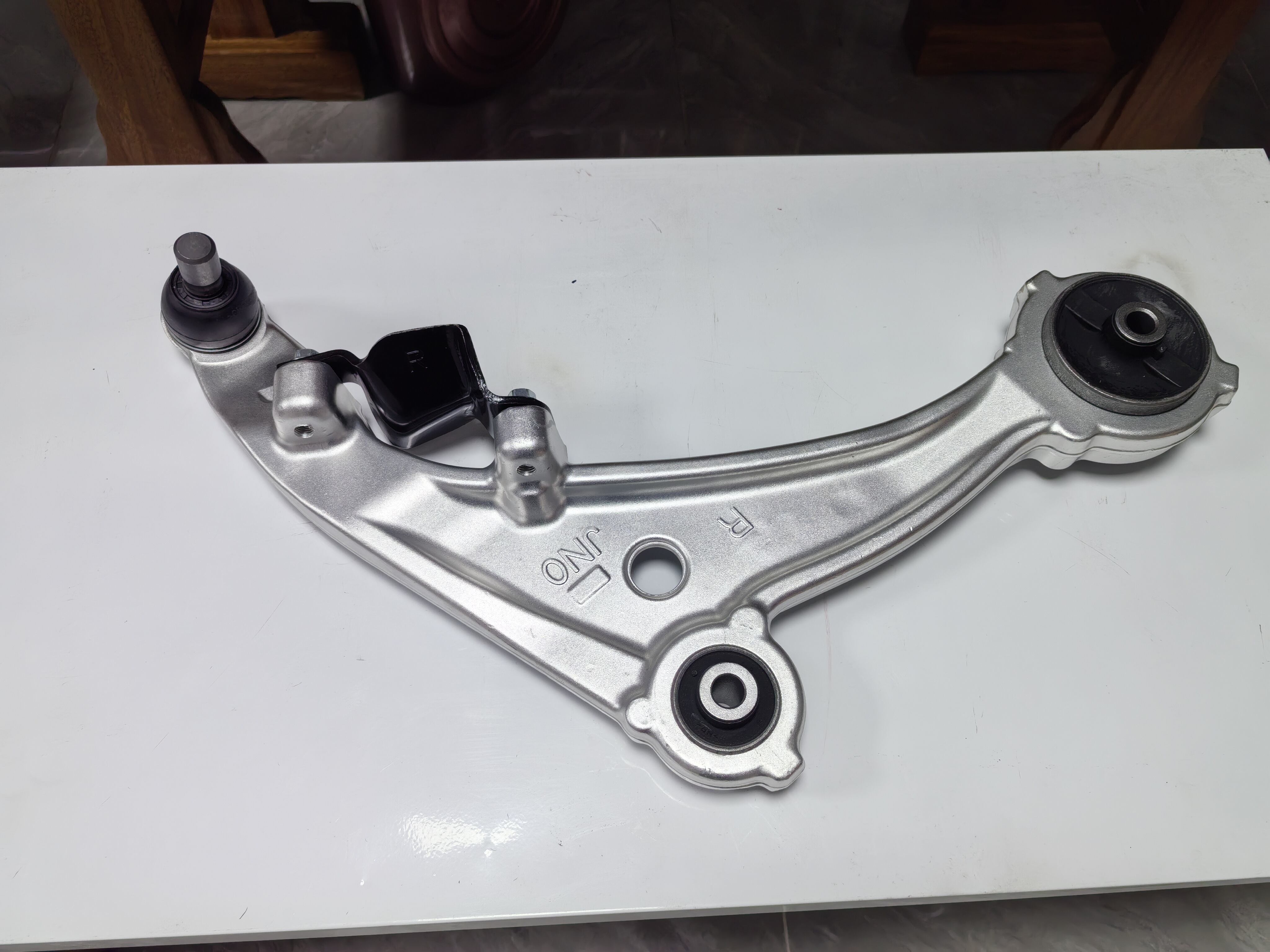
Vehicle suspension systems represent one of the most critical aspects of automotive performance, safety, and handling characteristics. Among the various components that contribute to optimal suspension geometry, the rear toe arm stands as a pivotal element that directly influences wheel alignment, tire wear patterns, and overall driving dynamics. Understanding how to maximize the value from your rear toe arm investment requires comprehensive knowledge of suspension mechanics, proper installation techniques, and ongoing maintenance protocols that ensure long-term performance benefits.
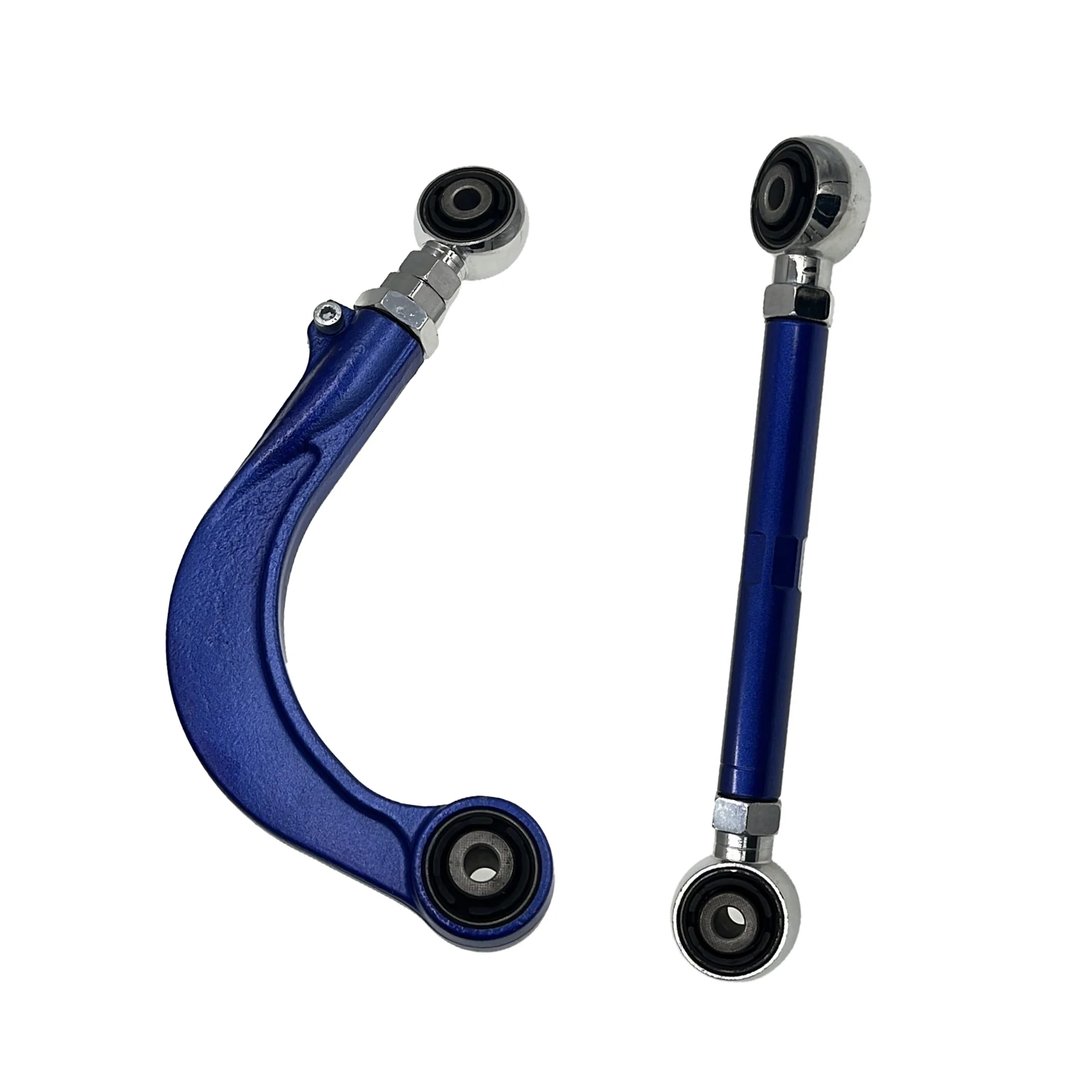
Modern automotive engineering demands precise control over wheel positioning to achieve optimal contact patch geometry between tires and road surfaces. The rear toe arm configuration plays an essential role in maintaining proper toe angles during various driving conditions, from aggressive cornering maneuvers to highway cruising scenarios. Professional automotive technicians and performance enthusiasts alike recognize that investing in quality rear toe arm components represents a fundamental step toward achieving superior handling characteristics and extended tire service life.
Understanding Rear Toe Arm Functionality and Design
Mechanical Principles Behind Toe Angle Control
The fundamental purpose of rear toe arm assemblies centers around maintaining precise control over the toe angle of rear wheels throughout the suspension's range of motion. Toe angle refers to the degree to which wheels point inward or outward when viewed from above the vehicle. Proper toe alignment ensures that tires maintain optimal contact with road surfaces while minimizing scrubbing forces that lead to premature wear patterns and reduced fuel efficiency.
Advanced rear toe arm designs incorporate sophisticated geometry calculations that account for suspension kinematics during compression and extension cycles. These components must withstand significant loads while maintaining dimensional stability across varying temperature ranges and operating conditions. Engineering teams develop rear toe arm specifications based on extensive computer modeling and real-world testing protocols that validate performance characteristics under diverse driving scenarios.
Material Selection and Manufacturing Considerations
Premium rear toe arm construction typically utilizes high-strength steel alloys or lightweight aluminum materials that offer optimal strength-to-weight ratios for demanding automotive applications. Manufacturing processes include precision machining, heat treatment protocols, and surface finishing techniques that enhance corrosion resistance and dimensional accuracy. Quality control measures ensure that each rear toe arm component meets strict tolerance requirements that are essential for proper suspension geometry maintenance.
Advanced coating technologies protect rear toe arm surfaces from environmental contaminants that could compromise structural integrity over extended service intervals. These protective finishes resist salt corrosion, chemical exposure, and mechanical abrasion while maintaining the precise dimensional characteristics required for optimal suspension performance. Manufacturing documentation provides traceability for material certifications and quality assurance testing results that validate component reliability.
Installation Best Practices for Optimal Performance
Pre-Installation Assessment and Preparation
Successful rear toe arm installation begins with comprehensive assessment of existing suspension components to identify potential issues that could affect alignment accuracy or component longevity. Professional technicians examine related bushings, ball joints, and mounting hardware for signs of wear or damage that require attention before proceeding with new component installation. This proactive approach prevents premature failure of new parts due to compromised supporting components.
Proper vehicle preparation includes securing the automobile on appropriate lifting equipment and ensuring adequate workspace for safe component access. Tool selection encompasses specialized alignment equipment, precision torque wrenches, and measurement devices that enable accurate installation according to manufacturer specifications. Documentation of existing alignment settings provides baseline references for post-installation verification procedures.
Professional Installation Techniques and Procedures
Expert installation of rear toe arm assemblies requires adherence to specific torque specifications and sequence protocols that ensure proper load distribution across mounting points. Technicians utilize calibrated equipment to achieve precise fastener tension values while avoiding over-tightening that could damage component threads or create stress concentrations. Sequential tightening procedures distribute loads evenly and prevent binding that could affect suspension articulation.
Quality installation practices include verification of component orientation and clearance measurements that confirm proper fitment within suspension assemblies. Experienced professionals check for interference issues with brake lines, exhaust components, or other chassis elements that could create operational problems. Post-installation inspection protocols validate that all connections are secure and that suspension geometry falls within acceptable parameters for safe vehicle operation.
Maximizing Performance Through Proper Alignment
Precision Alignment Procedures and Equipment
Achieving optimal value from rear toe arm investments requires professional alignment services utilizing state-of-the-art equipment capable of measuring minute angular variations in wheel positioning. Modern alignment systems employ laser technology or computer vision systems that provide real-time feedback during adjustment procedures. These sophisticated tools enable technicians to achieve alignment specifications that maximize tire contact patch optimization and minimize rolling resistance.
Professional alignment procedures account for vehicle loading conditions, ride height variations, and suspension settling that occurs during initial service intervals. Experienced technicians understand that rear toe arm adjustments interact with other suspension parameters and make compensatory changes to maintain overall geometry balance. Comprehensive alignment reports document final specifications and provide references for future maintenance intervals.
Performance Optimization Strategies
Advanced rear toe arm tuning involves fine-tuning toe angles to match specific driving requirements and tire characteristics. Performance-oriented applications may benefit from slightly different toe settings compared to comfort-focused configurations. Professional technicians consider factors such as tire compound, tread pattern, and intended usage scenarios when determining optimal toe angle specifications that maximize both performance and component longevity.
Ongoing optimization requires periodic reassessment of alignment specifications as suspension components settle and wear patterns develop. Regular monitoring enables proactive adjustments that maintain optimal tire wear characteristics and handling performance throughout the service life of rear toe arm components. Documentation of adjustment history provides valuable data for predicting future maintenance requirements and identifying potential issues before they become problematic.
Maintenance Protocols for Extended Service Life
Routine Inspection and Monitoring Procedures
Maximizing rear toe arm investment value requires implementation of systematic inspection protocols that identify potential issues before they compromise performance or safety. Regular visual examinations check for signs of wear, corrosion, or damage that could affect component integrity. Professional technicians utilize specialized tools to measure bushing condition, joint wear, and mounting hardware tightness during routine maintenance intervals.
Comprehensive monitoring programs track tire wear patterns that provide early indication of alignment drift or component deterioration. Unusual wear characteristics often signal the need for alignment adjustment or component replacement before complete failure occurs. Documentation of inspection findings enables trend analysis that helps predict maintenance requirements and budget for future component replacements.
Preventive Maintenance Strategies
Effective preventive maintenance for rear toe arm assemblies includes regular lubrication of serviceable joints and protection of exposed surfaces from environmental contamination. Quality lubricants extend component service life by reducing friction and preventing corrosion in critical wear areas. Protective treatments maintain the integrity of rubber bushings and prevent premature deterioration from ozone exposure and temperature cycling.
Proactive replacement of wear components such as bushings and ball joint boots prevents contamination that leads to accelerated deterioration of expensive assemblies. Scheduled maintenance intervals based on mileage or time periods ensure that components receive attention before problems develop. Investment in quality replacement parts maintains the performance characteristics that justify the original rear toe arm investment.
FAQ
How often should rear toe arm components be inspected for wear or damage
Professional automotive technicians recommend comprehensive rear toe arm inspection every 12,000 to 15,000 miles or during routine suspension service intervals. More frequent inspection may be necessary for vehicles subjected to harsh driving conditions, including frequent off-road use, aggressive driving styles, or exposure to corrosive environments. Visual inspection for obvious damage should occur whenever unusual tire wear patterns or handling characteristics are noticed.
What are the primary indicators that rear toe arm replacement is necessary
Key indicators for rear toe arm replacement include excessive play in suspension joints, visible damage to component structures, inability to maintain proper alignment specifications, and abnormal tire wear patterns that persist after alignment adjustment. Professional diagnostic procedures may reveal internal wear that is not visible during routine inspection but affects component performance and safety.
Can rear toe arm upgrades improve vehicle handling and performance characteristics
High-quality aftermarket rear toe arm assemblies often provide enhanced adjustability and improved materials compared to original equipment components. Performance-oriented designs may incorporate features such as increased adjustment range, lightweight materials, and enhanced durability that benefit enthusiast applications. However, proper installation and alignment remain critical factors in realizing performance improvements from component upgrades.
What factors influence the cost-effectiveness of rear toe arm investments
Cost-effectiveness depends on component quality, installation expertise, alignment accuracy, and maintenance protocols. Premium components with extended service life may provide better long-term value compared to economy alternatives that require frequent replacement. Professional installation and alignment services ensure optimal performance and prevent premature failure due to incorrect installation procedures.
Table of Contents
- Understanding Rear Toe Arm Functionality and Design
- Installation Best Practices for Optimal Performance
- Maximizing Performance Through Proper Alignment
- Maintenance Protocols for Extended Service Life
-
FAQ
- How often should rear toe arm components be inspected for wear or damage
- What are the primary indicators that rear toe arm replacement is necessary
- Can rear toe arm upgrades improve vehicle handling and performance characteristics
- What factors influence the cost-effectiveness of rear toe arm investments