Complete Guide to Camber Arms Torque Specifications - Performance, Safety & Installation

All Categories

Get a Free Quote

Our representative will contact you soon.
Email
Name
Company Name
Message
0/1000

camber arms torque specifications

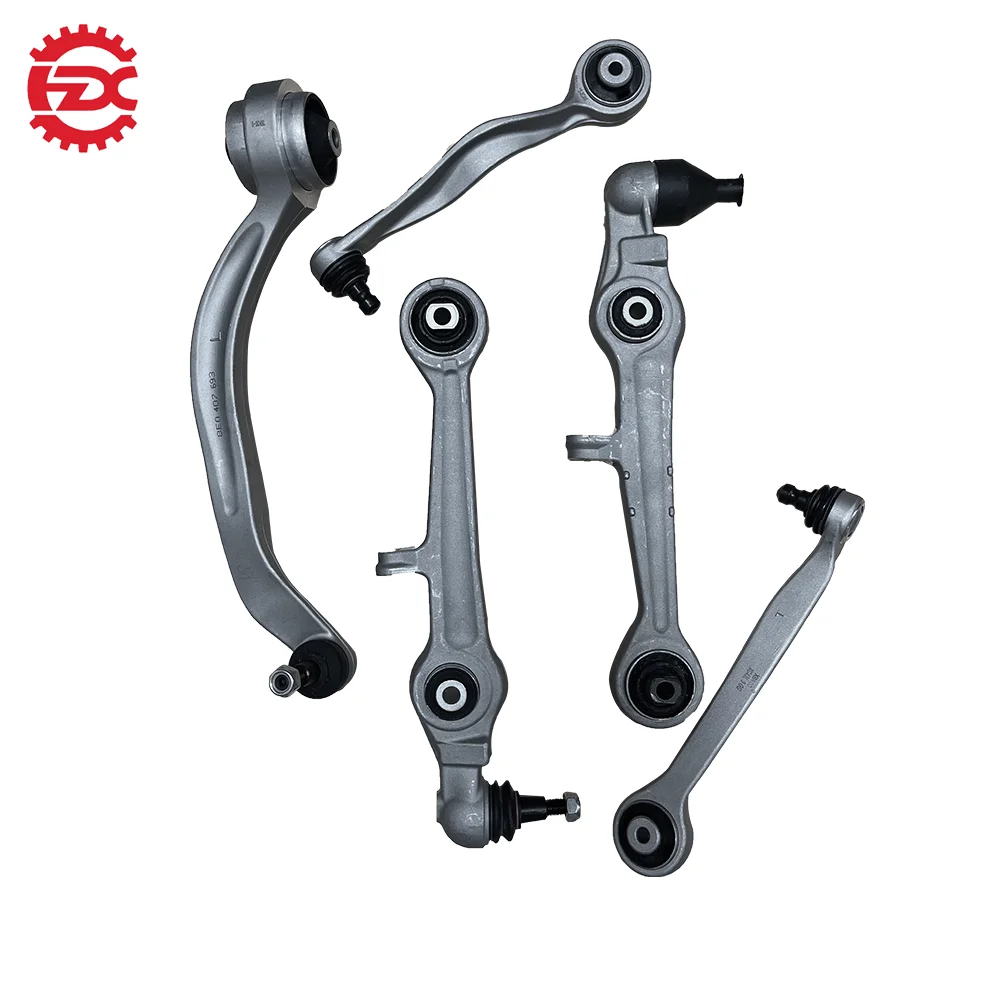
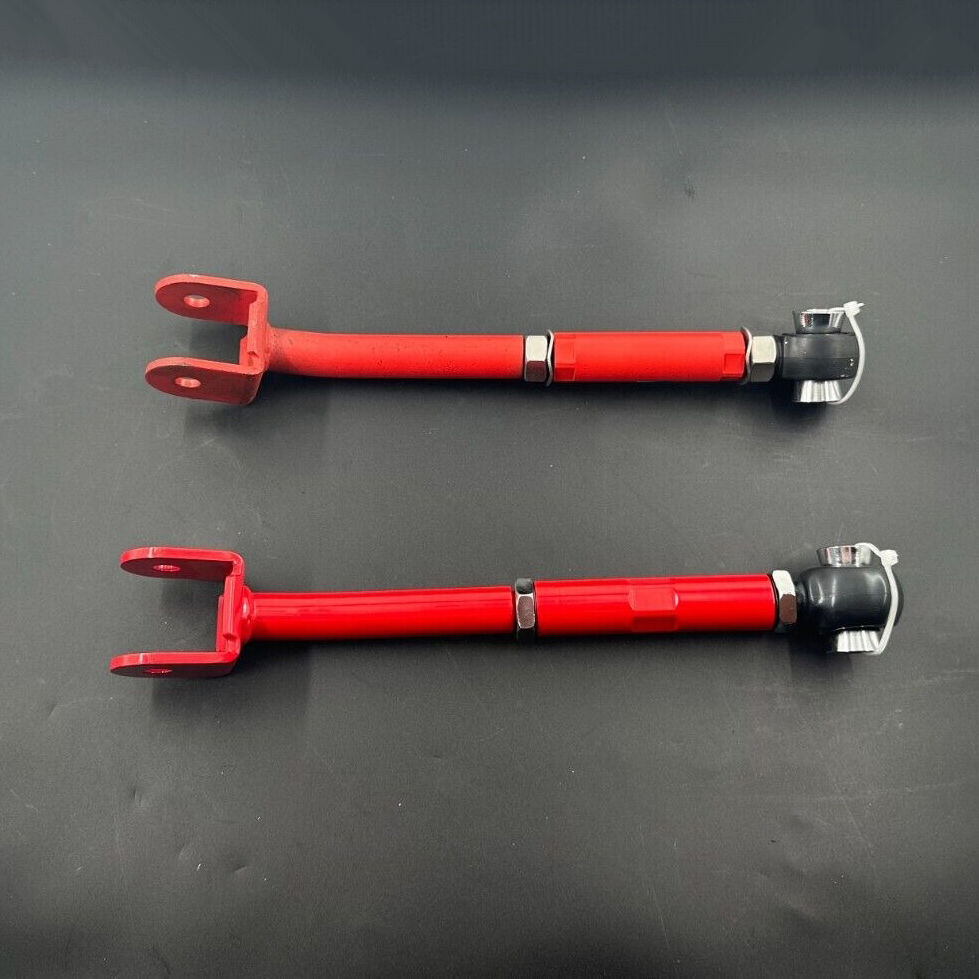
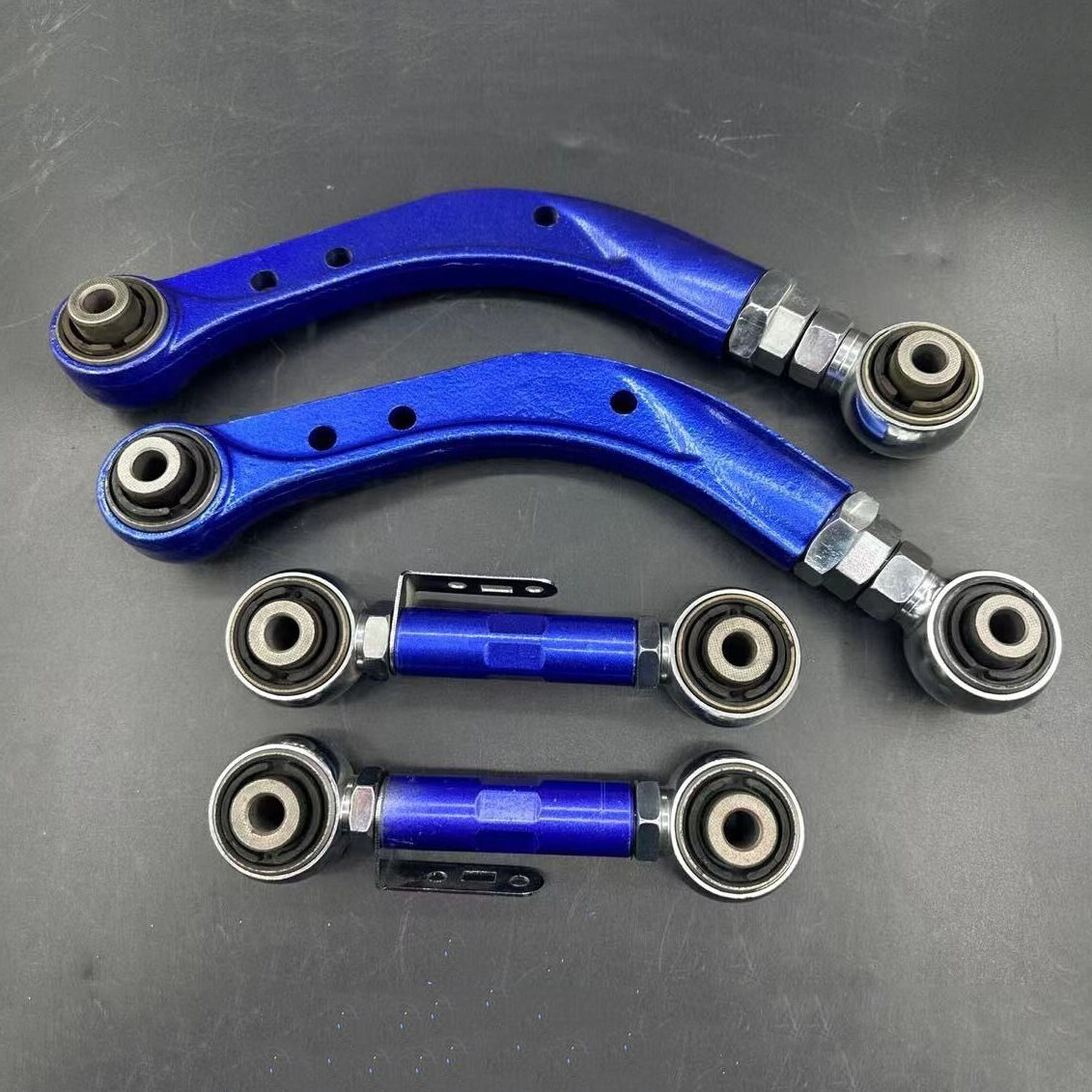
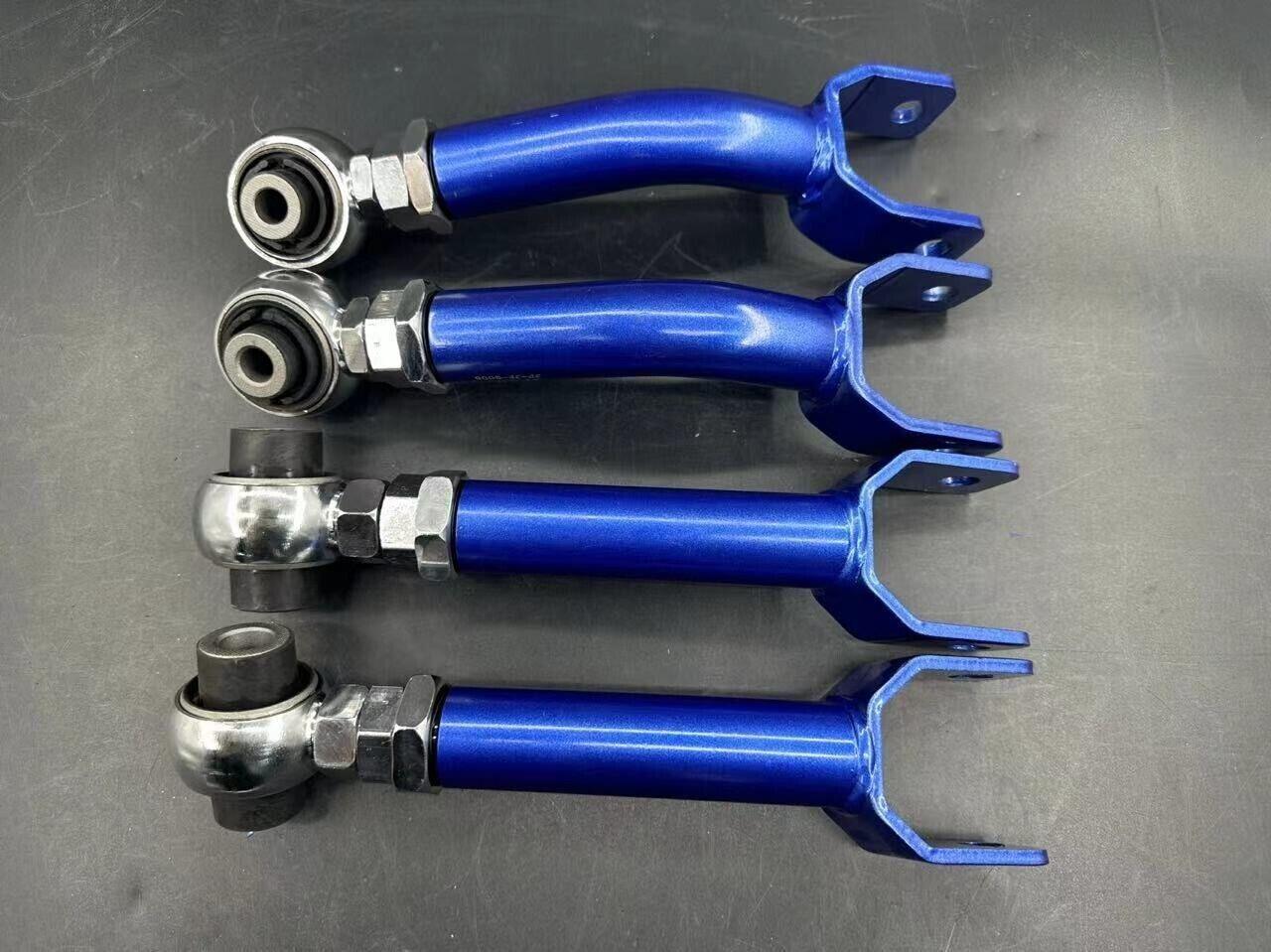
Camber arms torque specifications represent critical engineering parameters that define the precise installation and maintenance requirements for suspension system components. These specifications establish the exact force measurements needed to properly secure camber arms within automotive suspension assemblies, ensuring optimal wheel alignment and vehicle performance. The primary function of camber arms torque specifications involves providing standardized fastening requirements that maintain structural integrity while allowing controlled movement during suspension operation. These precision-engineered components connect the wheel hub assembly to the vehicle chassis, enabling fine adjustments to wheel camber angles that directly influence tire contact patches, handling characteristics, and overall driving dynamics. Technological features of camber arms torque specifications include material-specific values that account for different alloy compositions, thread pitch variations, and environmental factors such as temperature and humidity. Modern specifications incorporate advanced metallurgical considerations, recognizing that different materials expand and contract at varying rates under operational stress. The specifications also account for coating treatments, surface finishes, and corrosion resistance requirements that affect long-term fastener reliability. Applications for camber arms torque specifications extend across multiple vehicle categories, including passenger cars, commercial trucks, racing vehicles, and specialty applications. Performance vehicles require particularly precise specifications due to increased stress loads and dynamic forces encountered during aggressive driving conditions. The specifications serve as fundamental guidelines for automotive technicians, ensuring consistent installation procedures across different service facilities and maintaining manufacturer warranty compliance. Professional mechanics rely on these specifications to prevent over-tightening that could damage threads or under-tightening that might allow component loosening during operation.

New Products

The advantages of properly applied camber arms torque specifications deliver substantial benefits that enhance vehicle safety, performance, and longevity. Precise torque application prevents component failure by ensuring fasteners maintain optimal clamping force without exceeding material stress limits. This controlled approach eliminates the guesswork traditionally associated with suspension installation, replacing subjective feel-based tightening with scientific precision. Vehicle owners experience improved handling characteristics when camber arms torque specifications are correctly followed, as proper fastening maintains consistent geometry throughout the suspension travel range. This consistency translates to predictable steering response, reduced tire wear, and enhanced cornering stability that drivers can rely upon in various driving conditions. Cost savings represent another significant advantage, as correct torque application extends component lifespan and reduces premature replacement requirements. Over-tightened fasteners often lead to stripped threads, cracked housings, or seized components that necessitate expensive repairs. Conversely, under-tightened connections may allow movement that accelerates wear and creates safety hazards. Following camber arms torque specifications eliminates these costly scenarios while maintaining optimal performance parameters. Professional service facilities benefit from standardized procedures that improve efficiency and reduce comeback issues. Technicians can work confidently knowing that specification compliance ensures proper installation, reducing the time spent troubleshooting installation-related problems. This standardization also facilitates training programs and quality control measures that maintain consistent service standards. Safety improvements constitute perhaps the most important advantage, as properly torqued camber arms maintain structural integrity under dynamic loads. During emergency maneuvers, hard braking, or aggressive cornering, correctly fastened components provide reliable performance when drivers need it most. The specifications account for worst-case loading scenarios, ensuring adequate safety margins that protect occupants and other road users. Long-term reliability benefits emerge from following camber arms torque specifications, as proper installation reduces stress concentrations and fatigue failures. Components installed according to specifications typically exceed their design life, providing owners with dependable transportation and reduced maintenance costs over the vehicle's operational lifetime.

Latest News

Understanding Rear Toe Arm Impact on Stability

18

Sep

Understanding Rear Toe Arm Impact on Stability

The Critical Role of Suspension Geometry in Vehicle Performance When it comes to automotive engineering, few components play as vital a role in vehicle handling and stability as the rear toe arm. This crucial suspension element helps maintain proper ...
View More
Exploring Performance Rear Toe Arm Upgrade Benefits

24

Sep

Exploring Performance Rear Toe Arm Upgrade Benefits

Understanding the Impact of Advanced Suspension Components Vehicle performance enthusiasts understand that every component plays a crucial role in achieving optimal handling and stability. Among these critical elements, the rear toe arm upgrade stand...
View More
Camber Arms vs. Standard Solutions: Key Differences

27

Nov

Camber Arms vs. Standard Solutions: Key Differences

Vehicle suspension systems play a crucial role in determining driving performance, handling characteristics, and overall vehicle dynamics. Among the various suspension components that enthusiasts and professional mechanics consider for upgrades, camb...
View More
Advanced Camber Arms Techniques for Performance Gains

27

Nov

Advanced Camber Arms Techniques for Performance Gains

Precision suspension tuning represents the pinnacle of automotive performance enhancement, where every component plays a crucial role in achieving optimal handling characteristics. Among the most influential yet often overlooked components are camber...
View More

Get a Free Quote

Our representative will contact you soon.
Email
Name
Company Name
Message
0/1000

camber arms torque specifications

Precision Engineering for Maximum Safety

Precision Engineering for Maximum Safety

The precision engineering behind camber arms torque specifications represents a critical safety feature that directly impacts vehicle stability and occupant protection. These specifications are developed through extensive testing protocols that simulate real-world driving conditions, including emergency braking scenarios, high-speed cornering, and extreme weather situations. Engineers analyze stress distribution patterns, fatigue characteristics, and failure modes to establish torque values that provide optimal safety margins while maintaining component functionality. The precision aspect extends beyond simple force measurements to encompass thread engagement calculations, material compatibility assessments, and environmental degradation factors that could affect long-term performance. Modern camber arms torque specifications incorporate advanced finite element analysis that maps stress concentrations throughout the fastening system, ensuring that loads are distributed evenly across all contact surfaces. This engineering approach prevents localized stress points that could lead to catastrophic failure during critical driving situations. The specifications also account for dynamic loading conditions where forces can exceed static values by significant margins during suspension compression and rebound cycles. Temperature variations present another critical consideration, as thermal expansion and contraction can affect fastener preload and joint integrity. The precision engineering process evaluates these thermal effects to ensure specifications remain valid across the entire operating temperature range encountered in automotive applications. Quality assurance protocols validate these specifications through rigorous testing procedures that exceed normal operational requirements, providing confidence that properly torqued camber arms will perform reliably under extreme conditions. The safety implications extend to all vehicle occupants and other road users, making precise specification compliance a responsibility that automotive professionals take seriously. This precision engineering approach has evolved from decades of automotive experience and continues to improve through ongoing research and development efforts that incorporate new materials, manufacturing techniques, and performance requirements.
Enhanced Performance and Handling Characteristics

Enhanced Performance and Handling Characteristics

Enhanced performance and handling characteristics represent fundamental benefits that emerge from proper application of camber arms torque specifications, directly influencing vehicle dynamics and driver satisfaction. When camber arms are torqued to specification, they maintain precise wheel alignment geometry that optimizes tire contact patches and ensures consistent handling response across various driving conditions. This geometric precision affects multiple performance parameters, including cornering grip, straight-line stability, and braking effectiveness. The relationship between proper torque application and performance enhancement stems from the critical role that camber arms play in controlling wheel position relative to the road surface. Incorrect torque values can allow unwanted movement that disrupts alignment settings, leading to unpredictable handling characteristics and compromised performance. Professional race teams understand this relationship intimately, as even minor deviations from specified torque values can significantly impact lap times and vehicle competitiveness. The performance benefits extend to everyday driving situations where consistent handling response builds driver confidence and enhances overall driving enjoyment. Properly torqued camber arms maintain suspension geometry throughout the entire range of motion, ensuring that handling characteristics remain predictable during transitions between straight-line driving and cornering maneuvers. This consistency becomes particularly important during emergency situations where drivers rely on familiar vehicle responses to avoid accidents or maintain control. The specifications also influence ride quality by ensuring that suspension components move smoothly through their intended range without binding or excessive play that could create noise, vibration, or harshness issues. Performance enthusiasts particularly benefit from correct camber arms torque specifications when upgrading suspension components or adjusting alignment settings for specific driving applications. Track-focused setups require precise fastener torque to maintain aggressive alignment settings under high-stress conditions, while comfort-oriented configurations depend on proper torque to ensure smooth operation and component longevity. The cumulative effect of following these specifications results in optimized vehicle performance that meets or exceeds manufacturer design intentions while providing the foundation for future modifications or adjustments.
Long-Term Reliability and Cost Effectiveness

Long-Term Reliability and Cost Effectiveness

Long-term reliability and cost effectiveness represent compelling advantages of adhering to camber arms torque specifications, delivering substantial value to vehicle owners through reduced maintenance requirements and extended component lifespans. The economic benefits begin immediately upon proper installation and continue throughout the vehicle's operational life, making specification compliance a wise investment strategy. Correct torque application prevents the two primary failure modes associated with fastener problems: over-tightening that damages threads and creates stress concentrations, and under-tightening that allows movement and accelerated wear. By avoiding these failure modes, vehicle owners significantly reduce the likelihood of unexpected repairs and component replacements that can be both costly and inconvenient. The reliability aspect extends to the entire suspension system, as properly torqued camber arms maintain alignment settings that reduce stress on adjacent components such as bushings, ball joints, and steering components. This system-wide approach to reliability ensures that the initial investment in proper installation continues to pay dividends through reduced maintenance costs across multiple components. Insurance against premature failure represents another important economic consideration, as suspension component failures can lead to tire damage, alignment issues, and potential safety hazards that far exceed the original component cost. The specifications provide a proven methodology for preventing these cascading failure scenarios while maintaining optimal performance characteristics. Fleet operators particularly benefit from the cost-effectiveness of following camber arms torque specifications, as consistent maintenance procedures reduce training requirements and standardize repair protocols across multiple vehicles and service locations. This standardization leads to bulk purchasing advantages, reduced inventory requirements, and improved technician efficiency that translates to lower overall maintenance costs. The long-term reliability benefits also extend to warranty considerations, as proper installation procedures typically satisfy manufacturer requirements and maintain coverage for related components. Documentation of specification compliance provides legal protection and demonstrates professional maintenance practices that can be valuable during warranty claims or resale negotiations. Environmental benefits emerge from extended component life, as longer-lasting parts reduce manufacturing demand and waste generation while providing equivalent or superior performance compared to frequently replaced components.

Get a Free Quote

Our representative will contact you soon.
Email
Name
Company Name
Message
0/1000