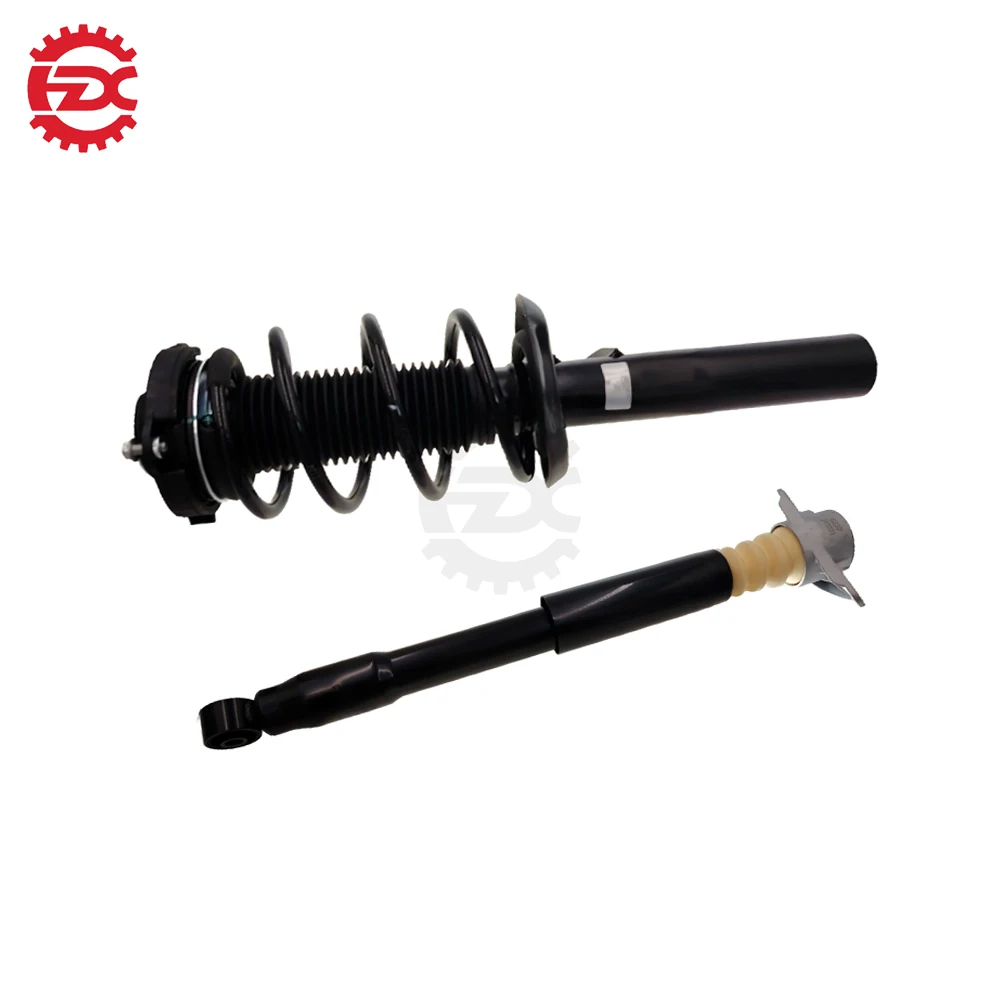
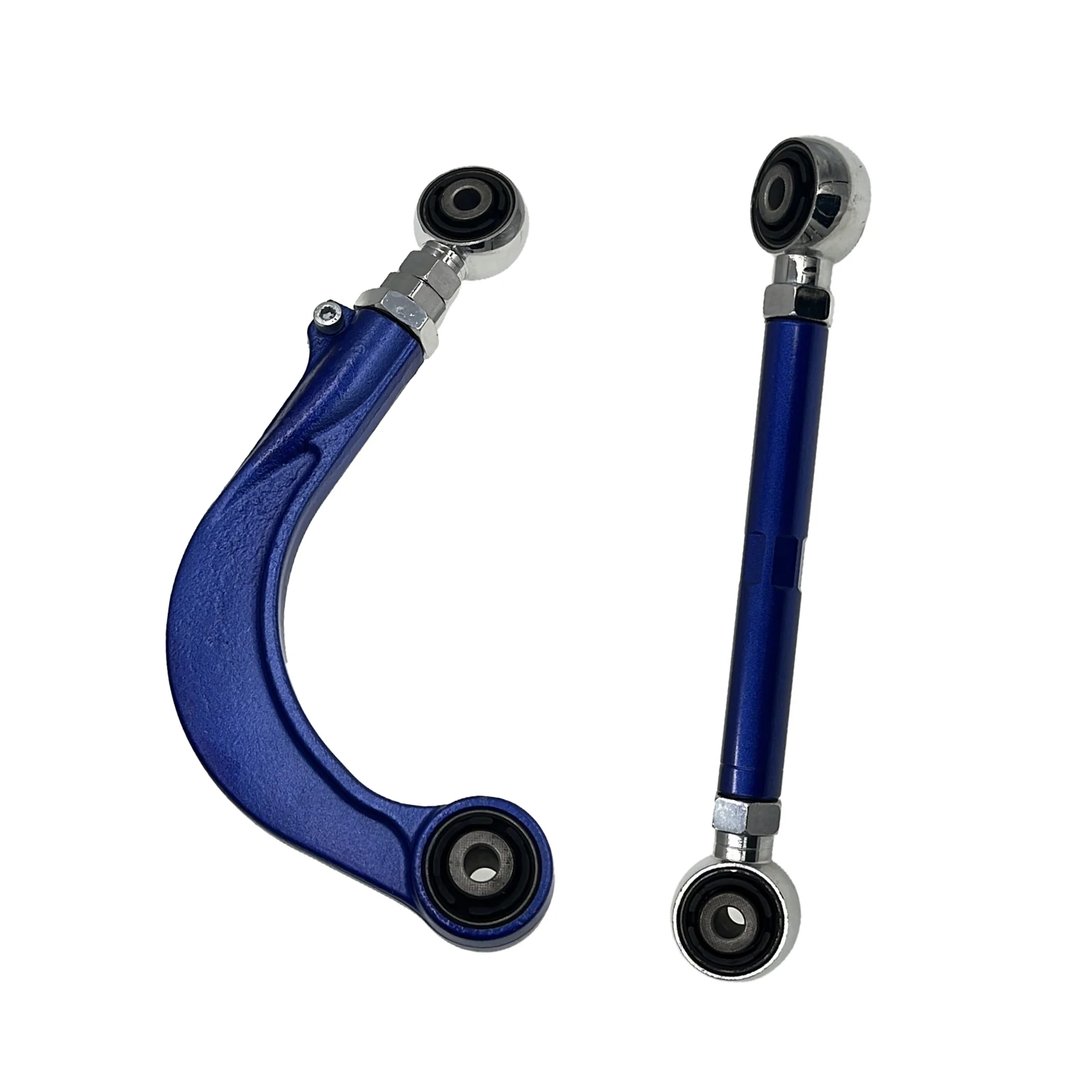
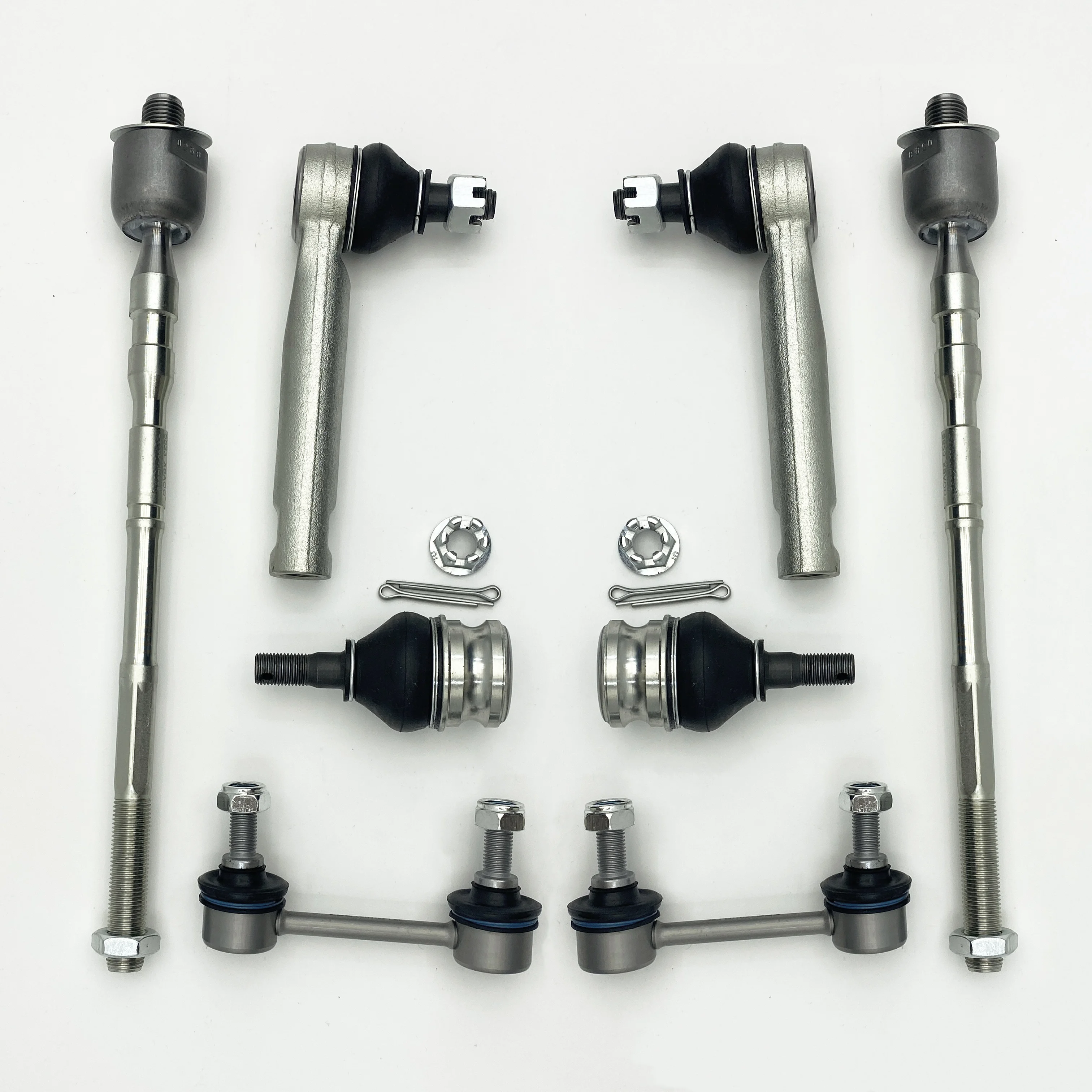
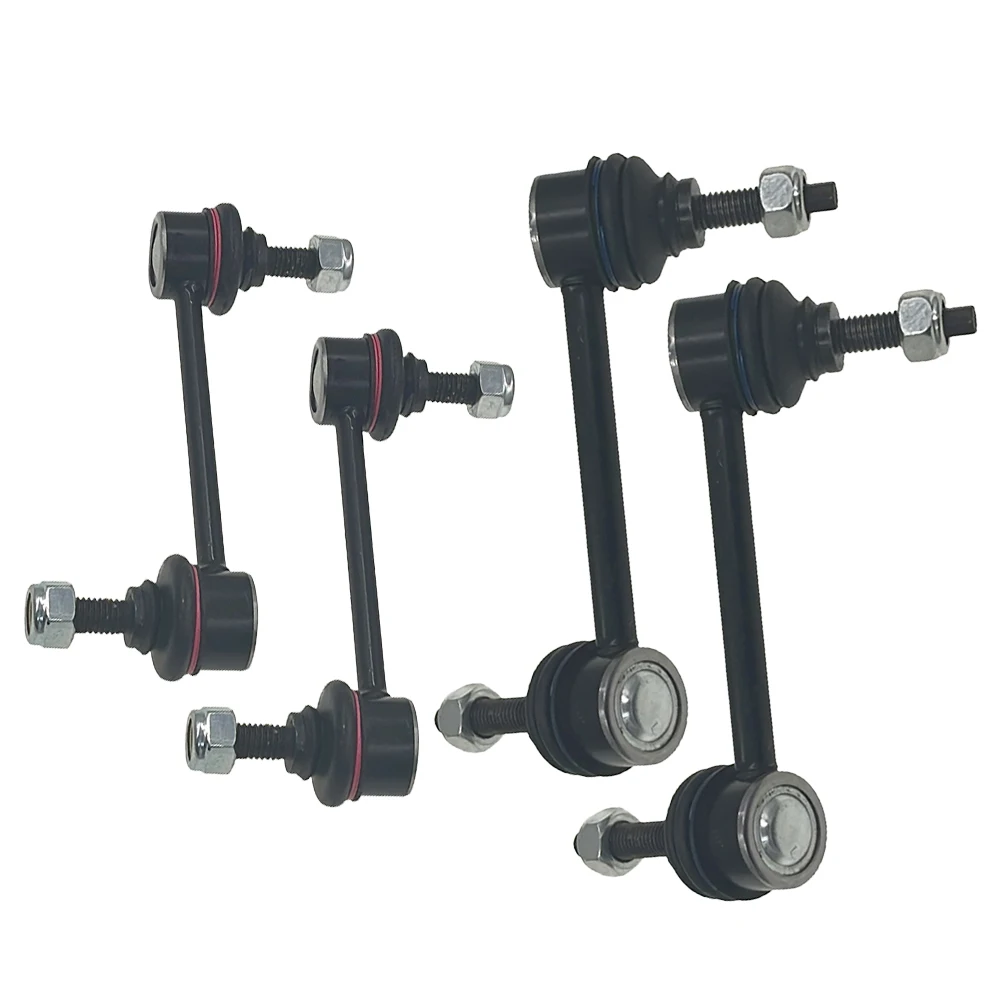
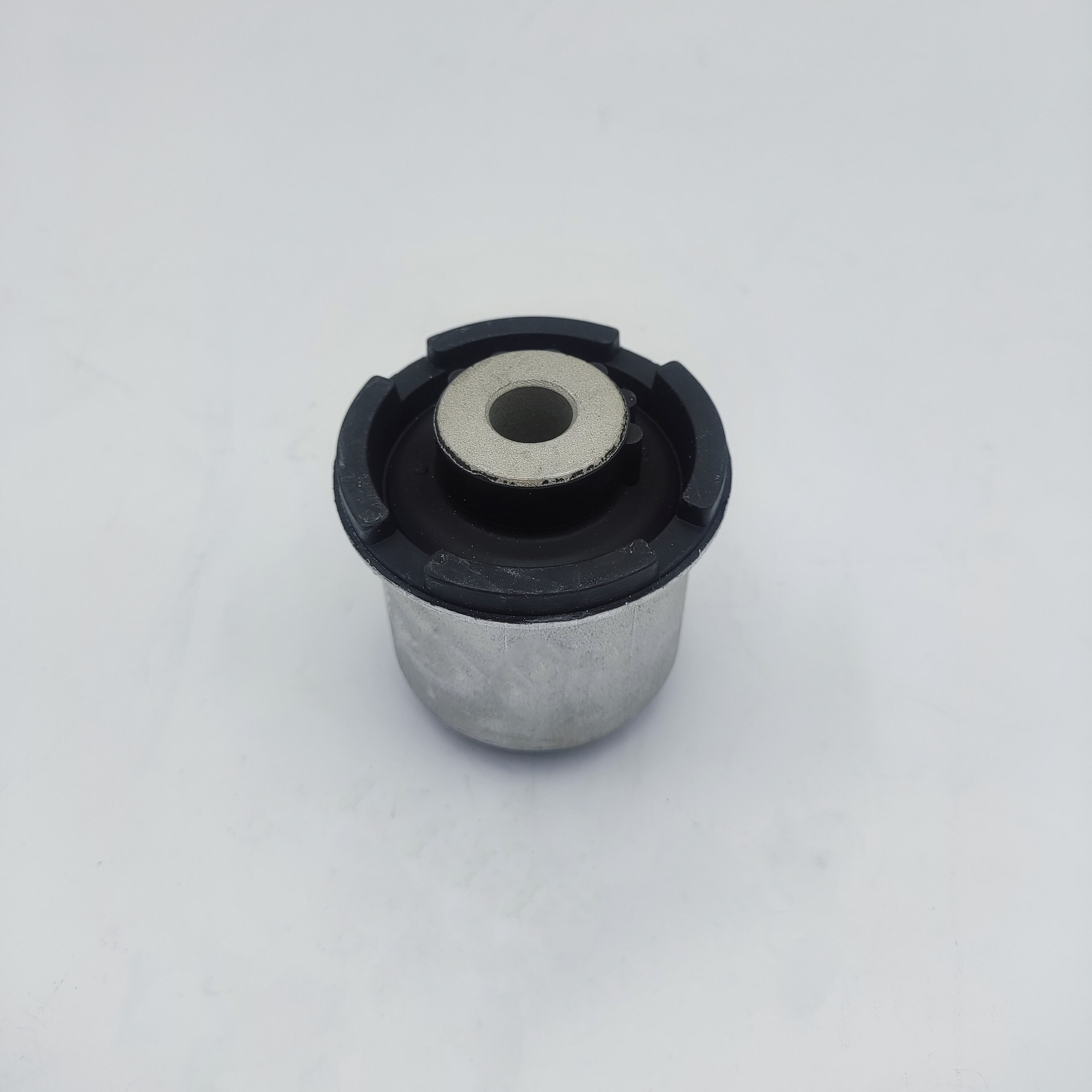
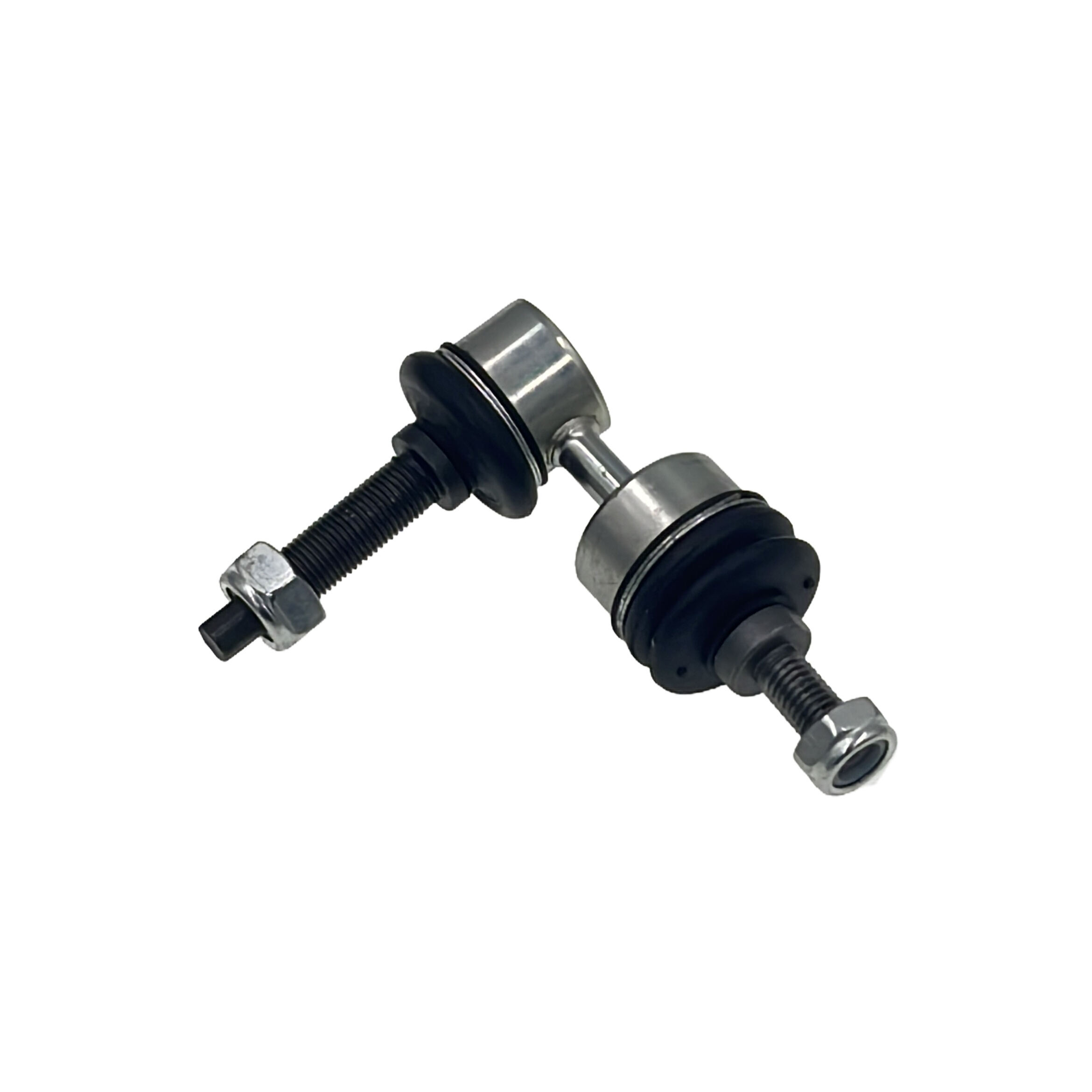
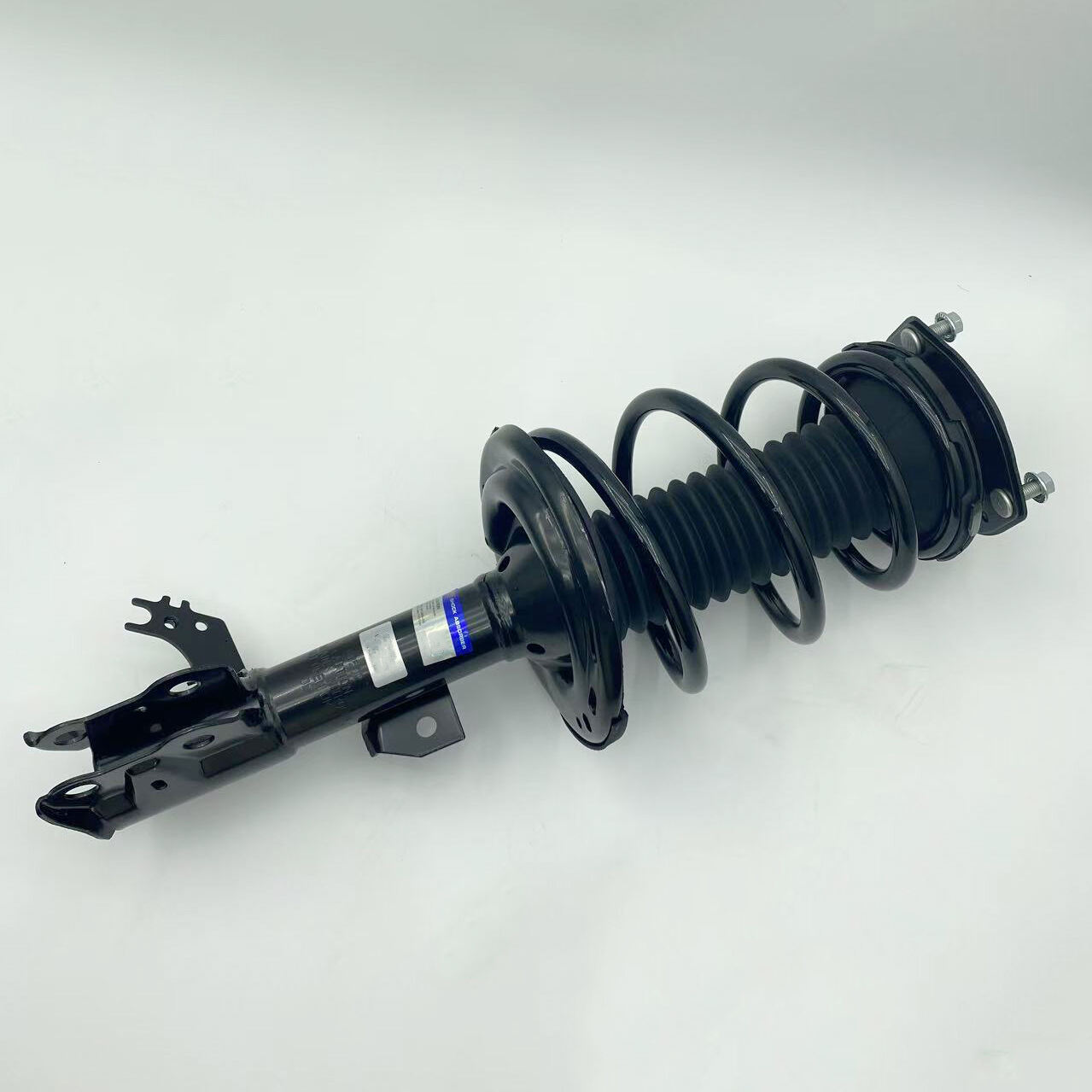
front suspension bushes
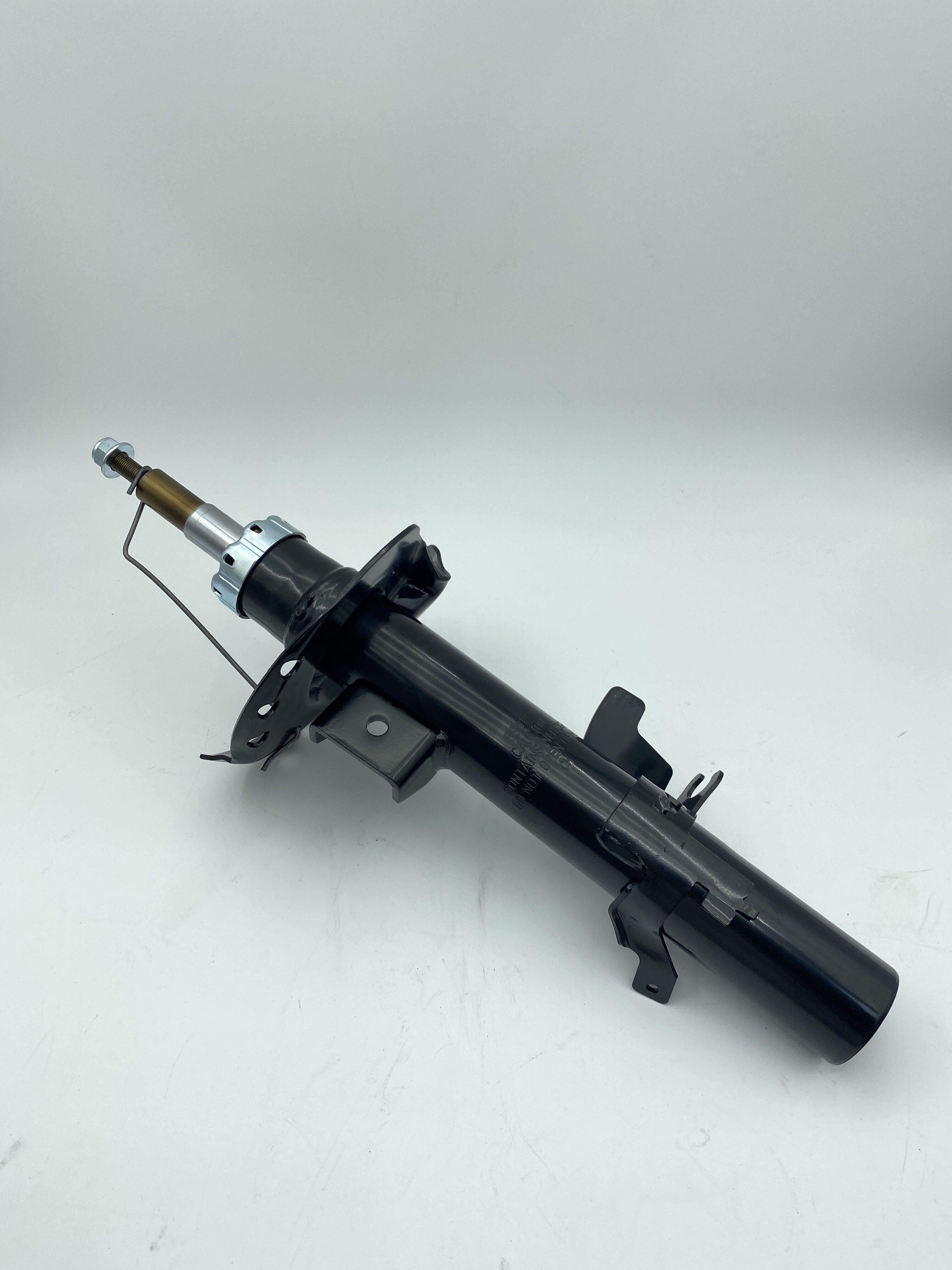
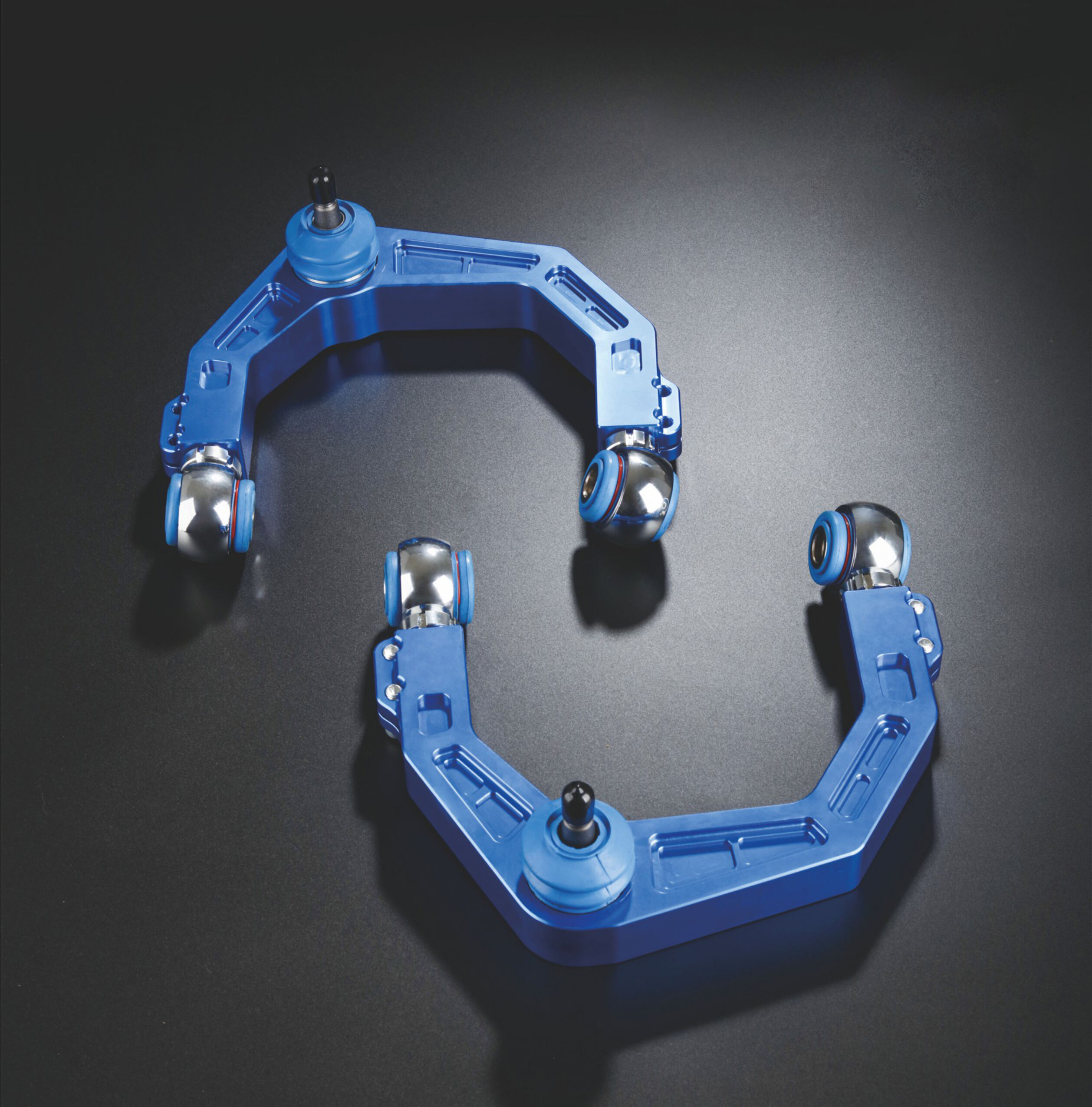
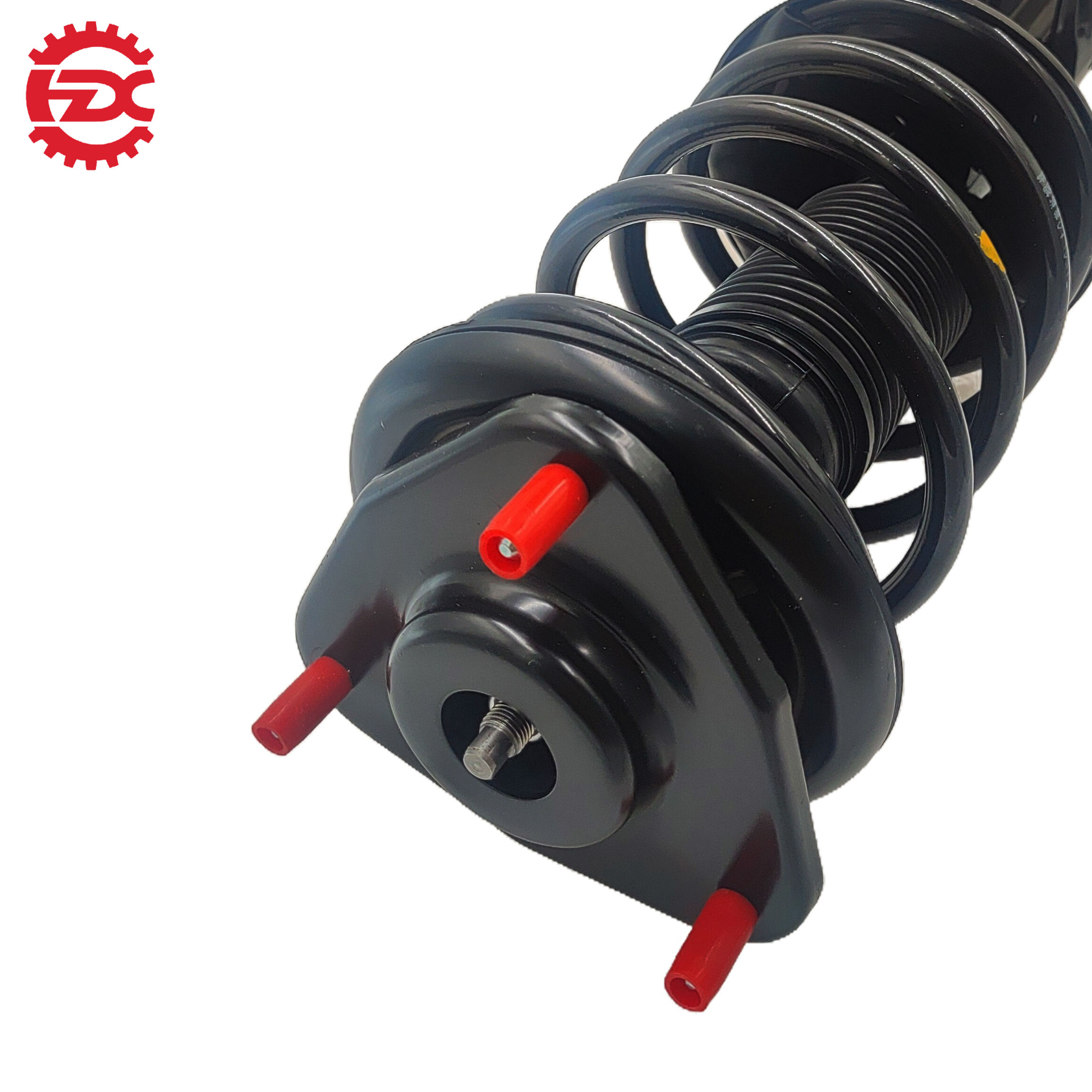
Front suspension bushes serve as critical components in modern automotive suspension systems, acting as flexible connections between various suspension elements and the vehicle chassis. These specialized rubber or polyurethane components provide essential cushioning and isolation between metal parts, preventing direct contact that would otherwise cause excessive wear, noise, and vibration. Front suspension bushes are strategically positioned at key mounting points throughout the suspension assembly, including control arm connections, sway bar links, and strut tower mounts. The primary function of front suspension bushes revolves around absorbing road shock and vibrations while maintaining proper wheel alignment and suspension geometry. These components utilize advanced material compositions that balance flexibility with durability, ensuring optimal performance across varying temperature ranges and driving conditions. Technologically, front suspension bushes incorporate sophisticated engineering designs that account for multi-directional movement patterns, compression forces, and rotational stresses encountered during vehicle operation. Modern front suspension bushes feature enhanced material formulations that resist degradation from environmental factors such as oil, salt, and temperature extremes. The installation locations of front suspension bushes vary depending on vehicle design, but commonly include upper and lower control arm bushings, stabilizer bar bushings, and subframe mounting points. These applications require front suspension bushes to withstand constant flexing and compression cycles while maintaining structural integrity. Advanced manufacturing processes ensure consistent quality and precise tolerances in front suspension bushes, contributing to improved vehicle handling characteristics and ride comfort. The technological evolution of front suspension bushes has led to specialized variants designed for specific performance requirements, including sport-tuned options that offer increased stiffness for enhanced handling precision, and comfort-oriented designs that prioritize vibration isolation and noise reduction for passenger comfort.

 EN
EN