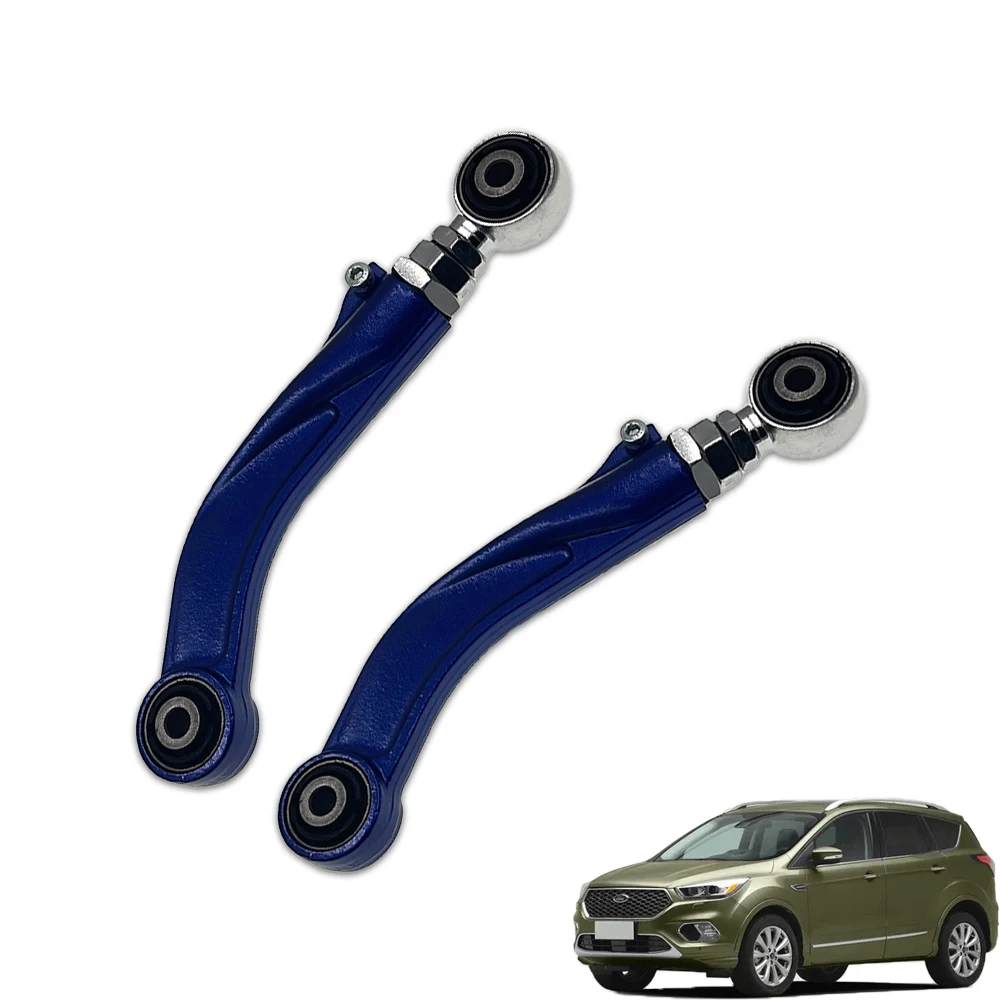
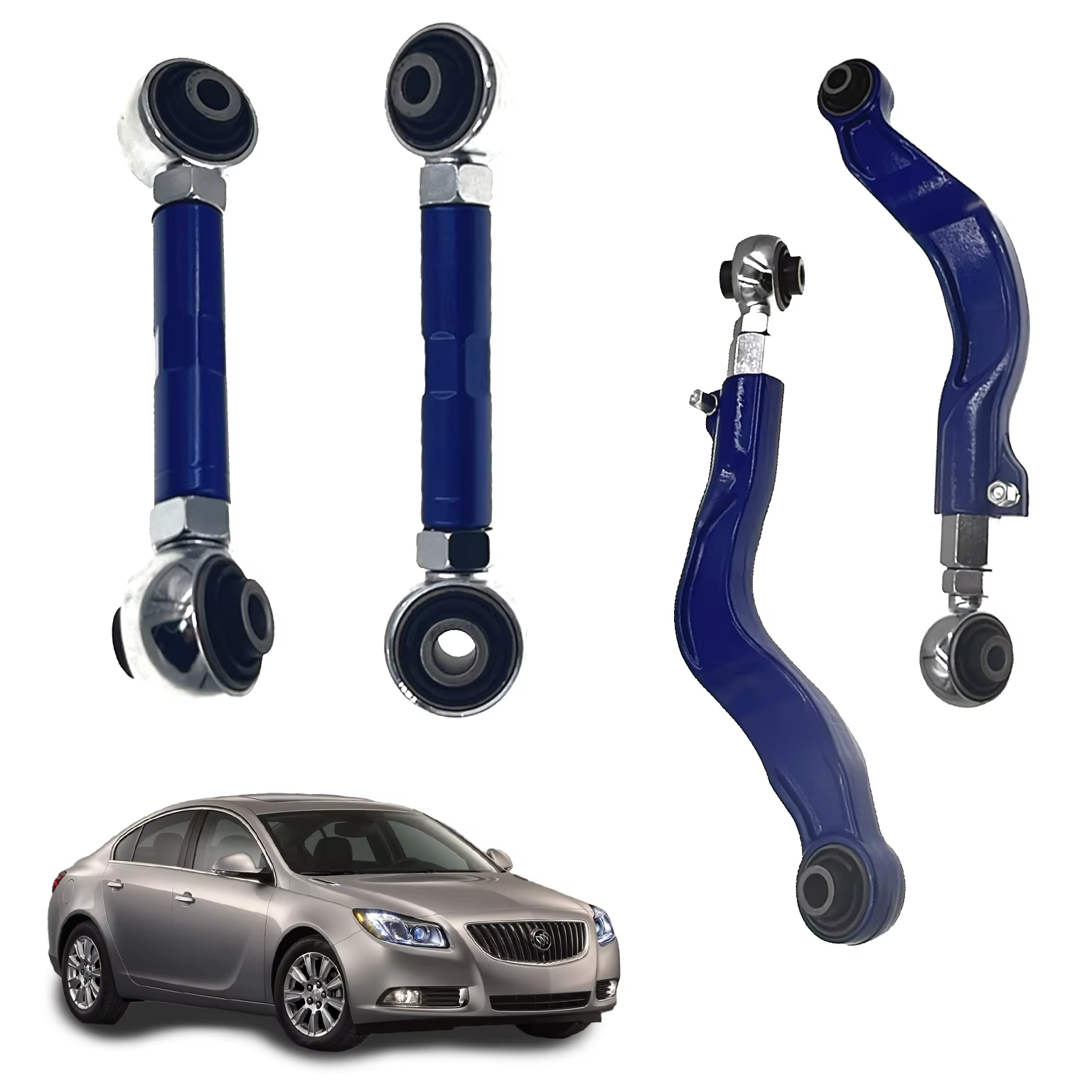
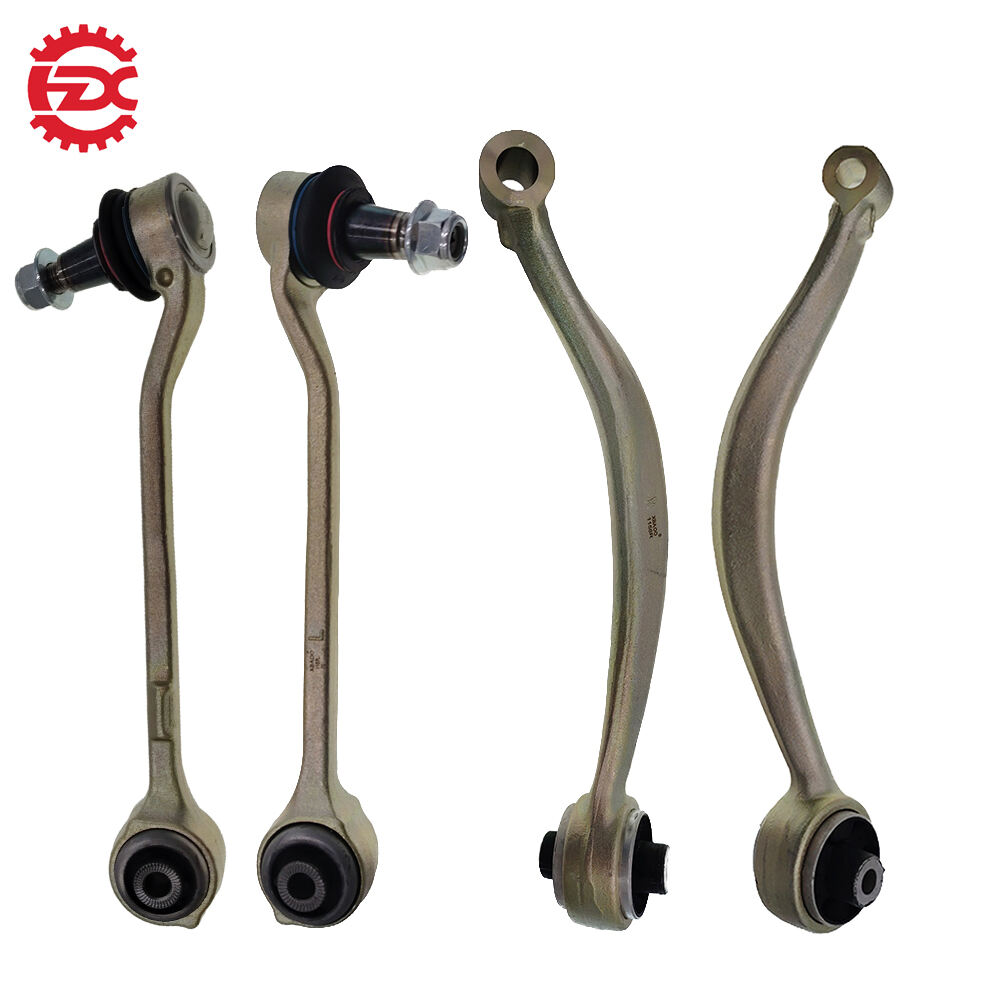
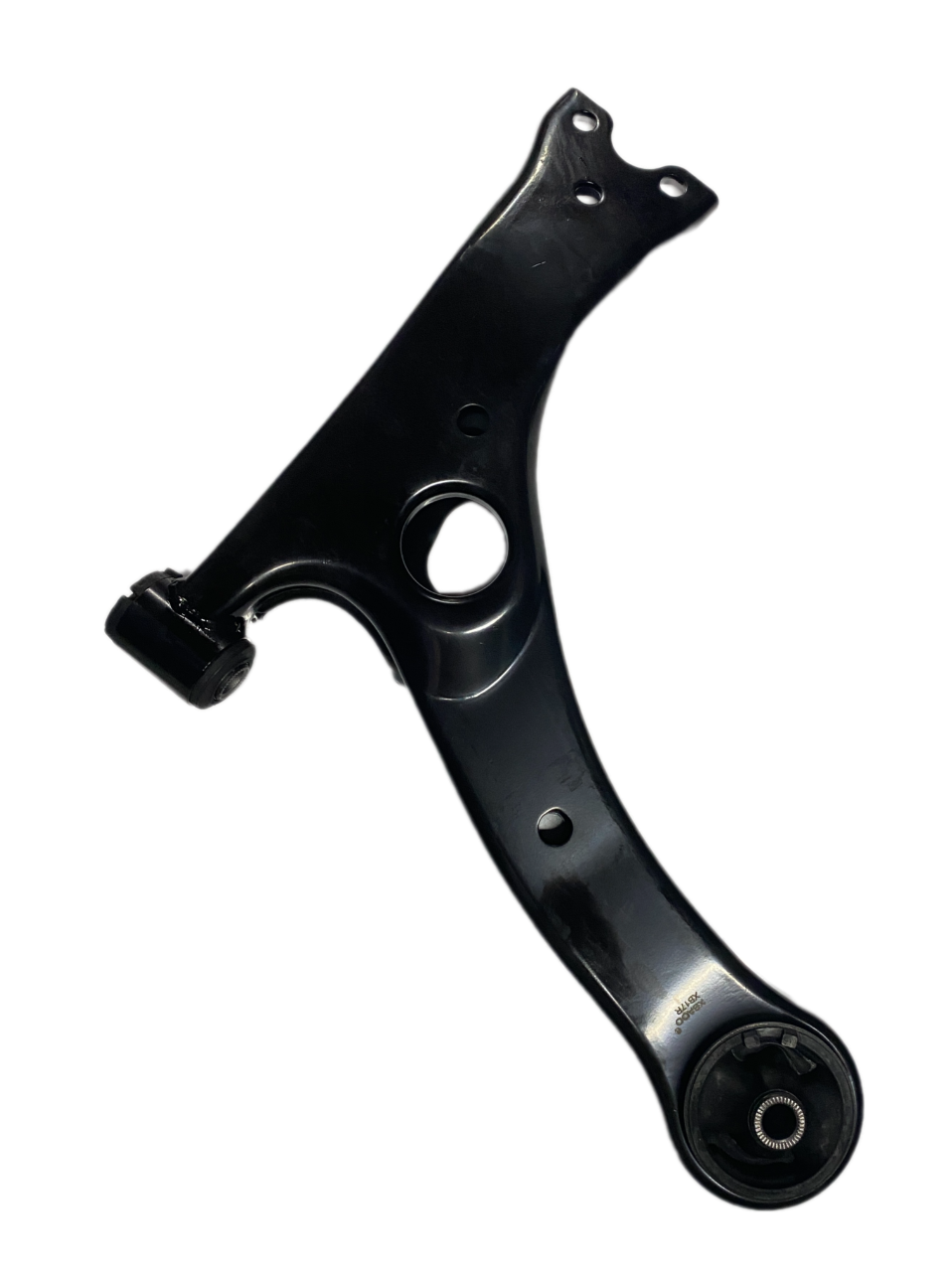
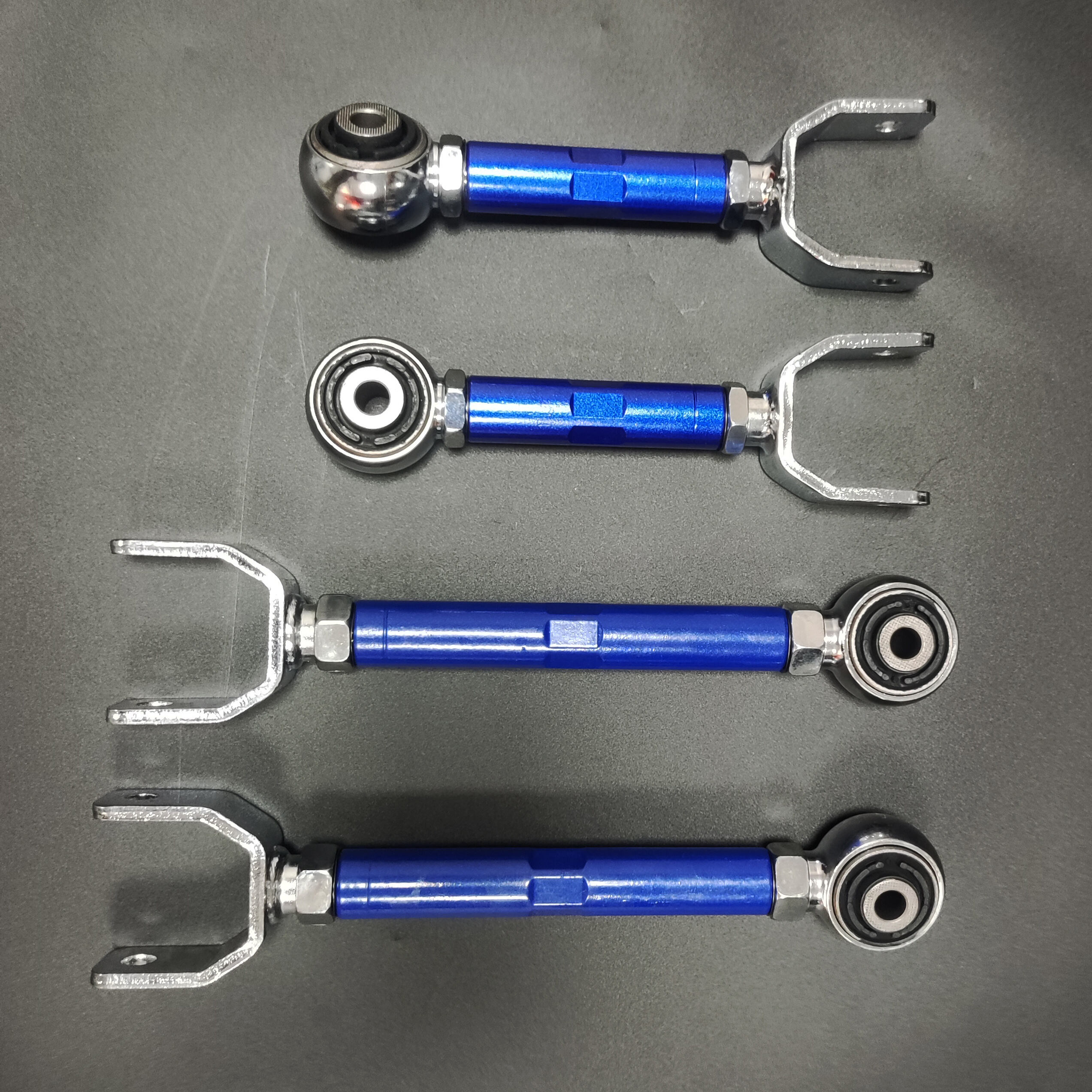
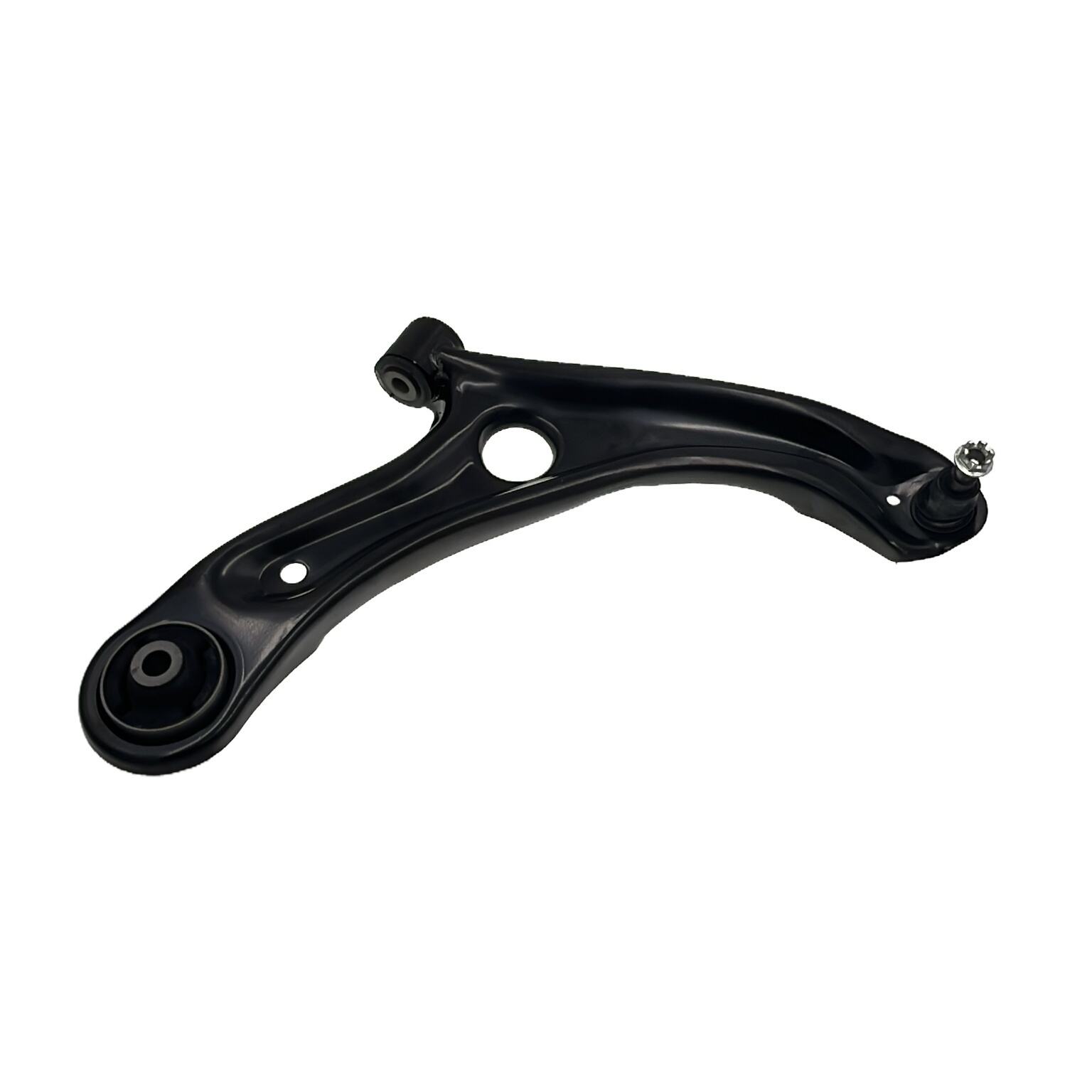
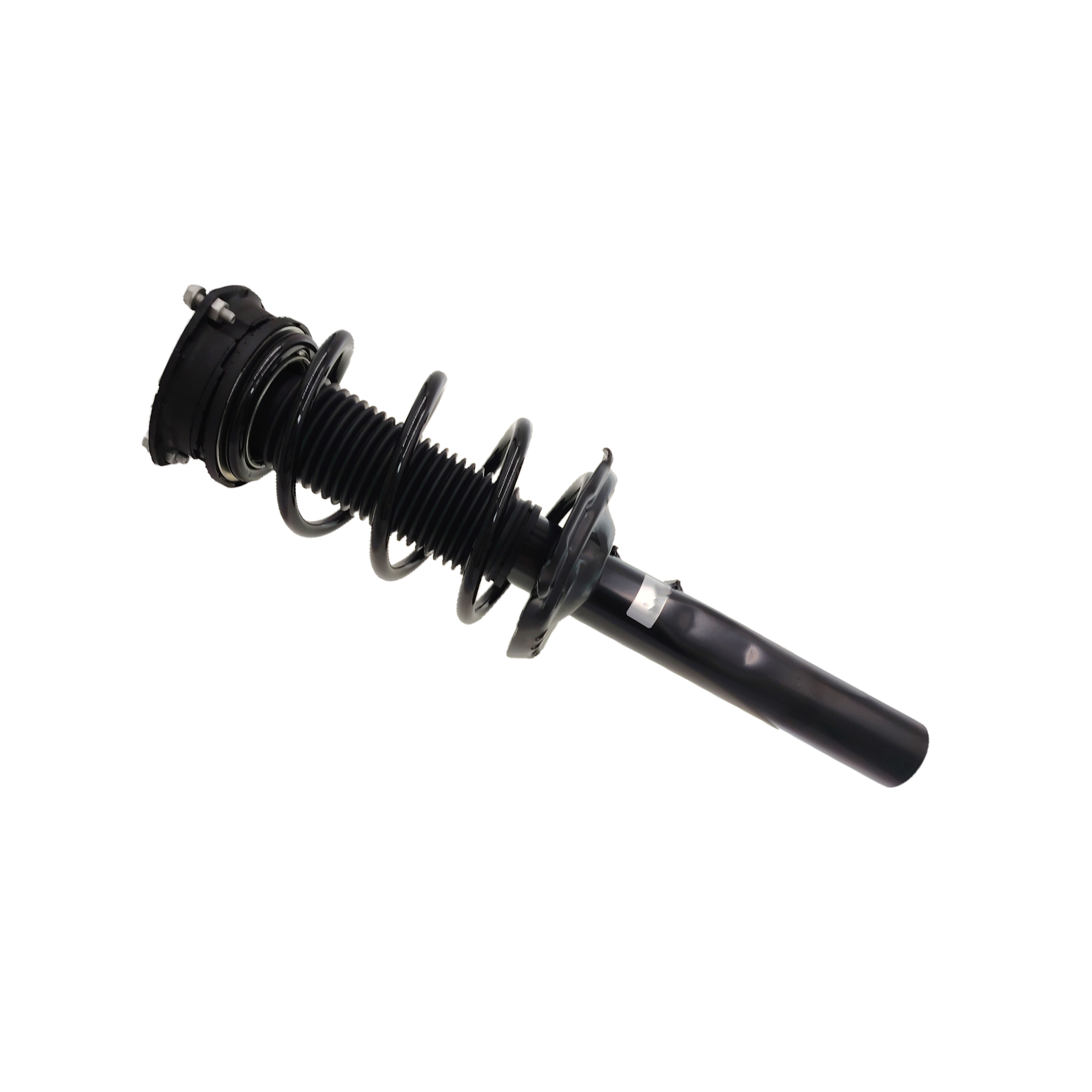
lower suspension bushing
The lower suspension bushing serves as a critical component in modern vehicle suspension systems, positioned strategically between the control arm and the vehicle's chassis. This essential rubber or polyurethane component acts as a cushioning interface that absorbs vibrations, impacts, and road irregularities while maintaining proper wheel alignment and handling characteristics. The lower suspension bushing operates within the lower control arm assembly, where it experiences constant stress from road forces, braking loads, and steering inputs. Its primary engineering purpose involves isolating the passenger compartment from harsh road conditions while ensuring precise wheel positioning during various driving scenarios. The lower suspension bushing incorporates advanced material science, utilizing specially formulated rubber compounds or high-performance polyurethane that can withstand extreme temperature variations, chemical exposure, and mechanical stress cycles. These materials are engineered to provide optimal flexibility while maintaining structural integrity over extended service periods. The component features precision-molded construction with specific durometer ratings that balance comfort and performance requirements. Modern lower suspension bushing designs often incorporate progressive rate characteristics, meaning they become stiffer under increased loads while remaining compliant during normal driving conditions. This sophisticated engineering approach ensures optimal performance across diverse driving situations. The technological features of the lower suspension bushing include specialized bonding agents that secure the elastomeric material to metal sleeves, preventing separation under extreme conditions. Many contemporary designs feature graphite or silicone impregnation to reduce friction and extend service life. The lower suspension bushing finds applications across passenger vehicles, commercial trucks, SUVs, and performance automobiles, with each application requiring specific material formulations and geometric configurations to meet unique operational demands and performance criteria.

 EN
EN