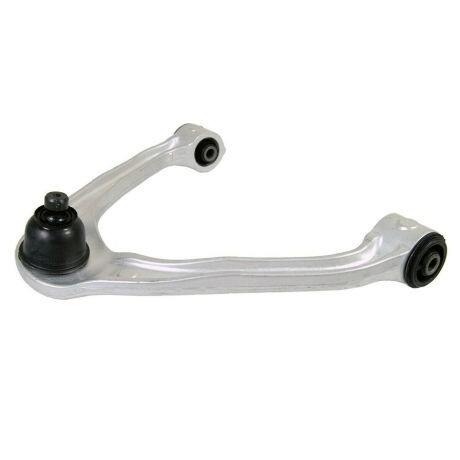
Left Lower Control Arm - Premium Suspension Components for Enhanced Vehicle Performance and Safety

All Categories

Get a Free Quote

Our representative will contact you soon.
Email
Name
Company Name
Message
0/1000

left lower control arm

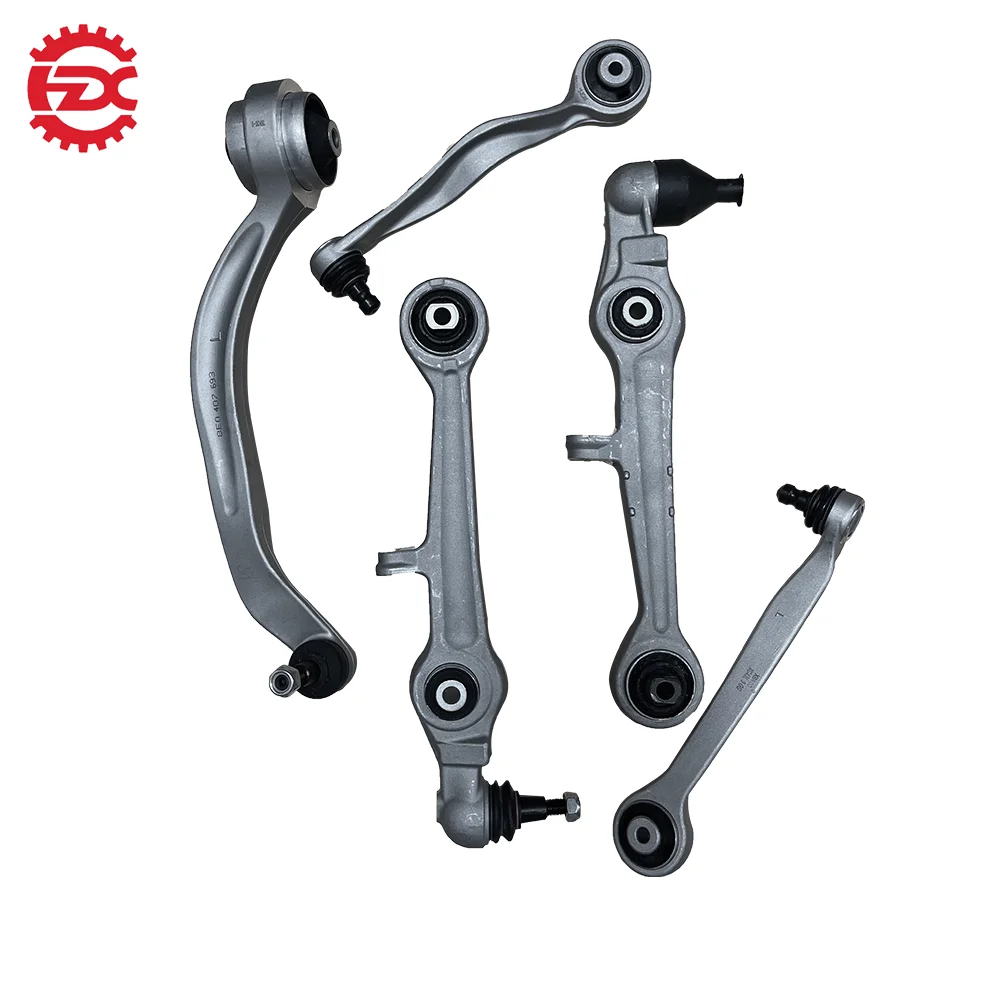
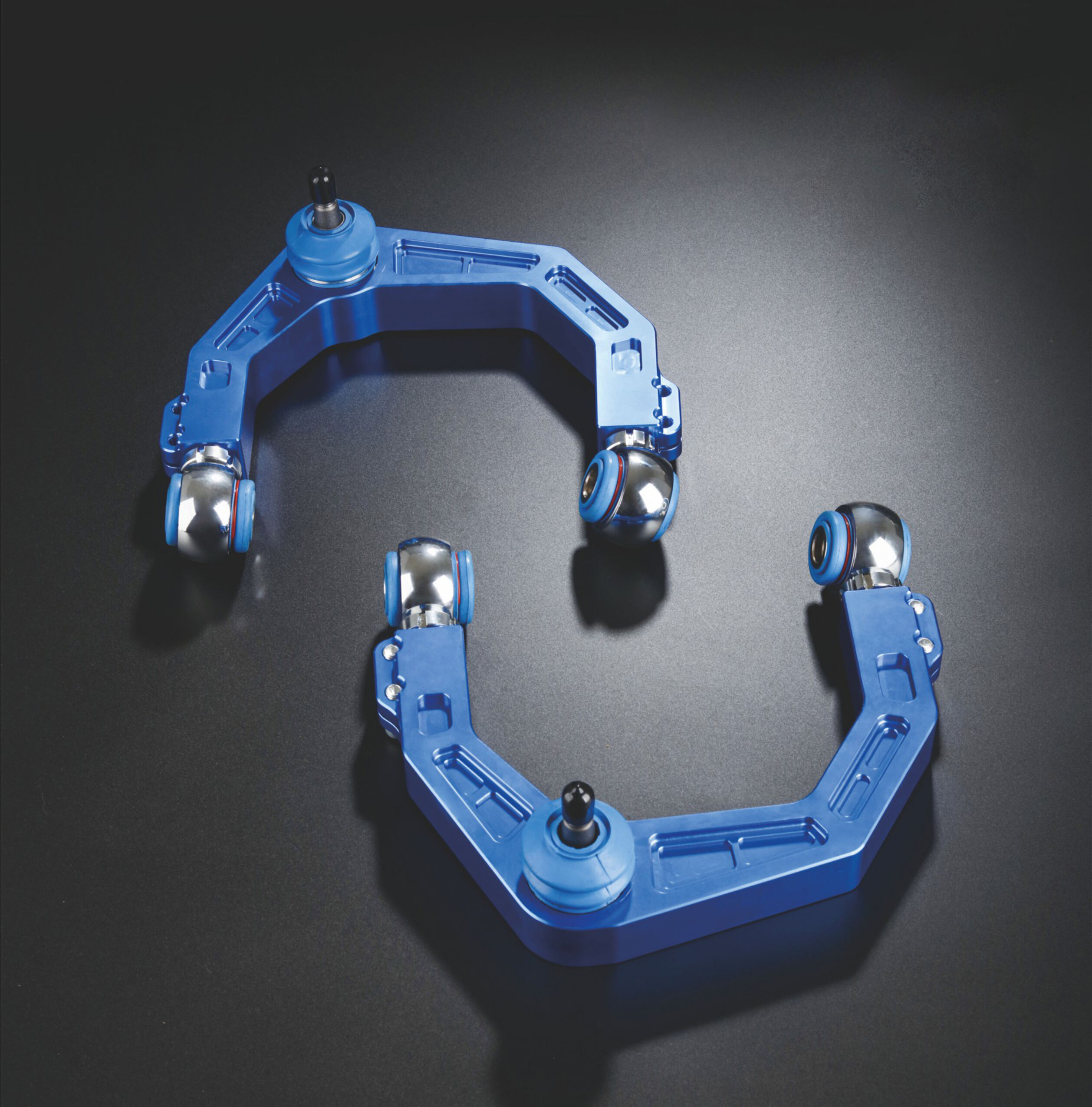
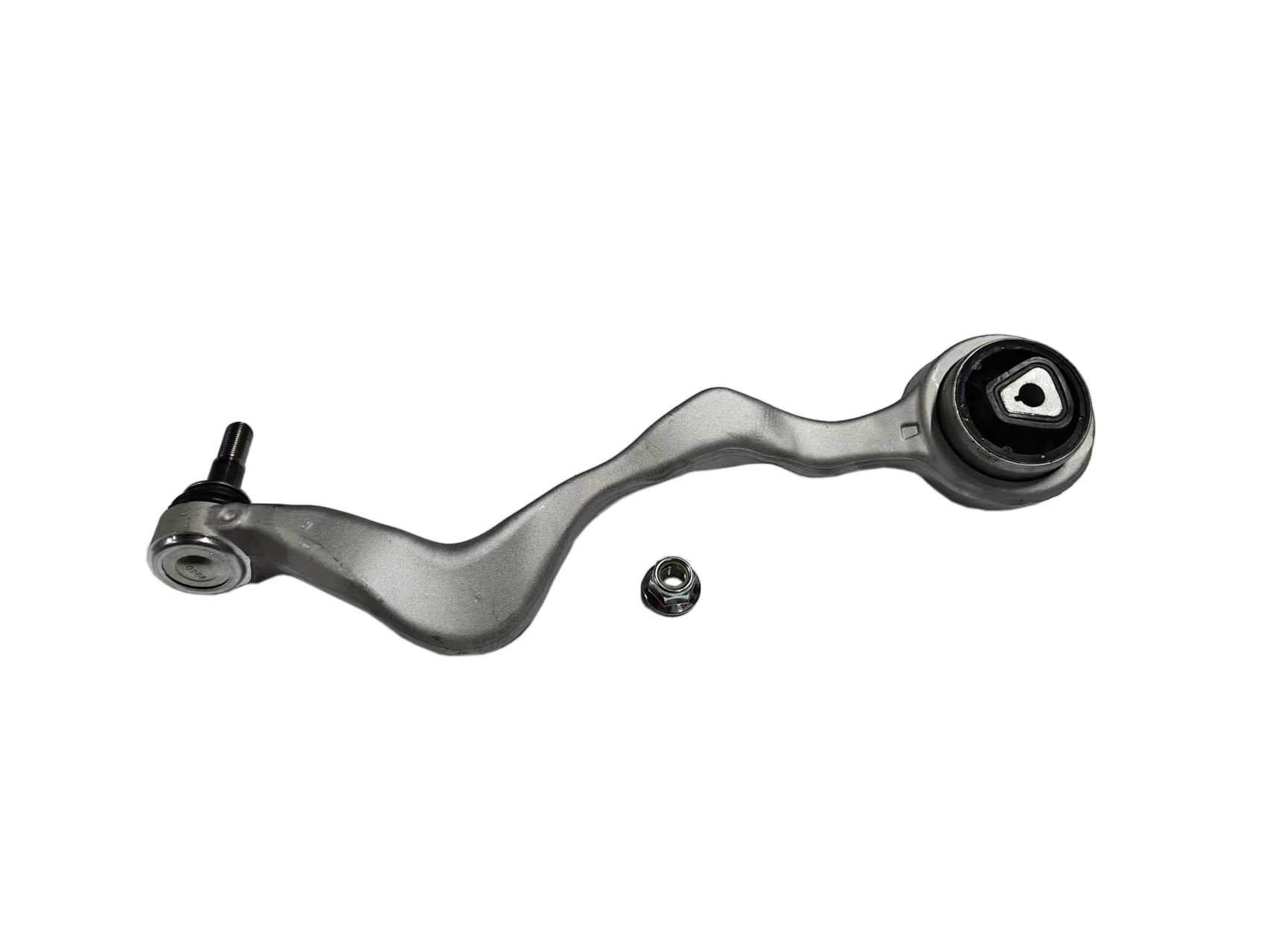
The left lower control arm serves as a fundamental component in modern vehicle suspension systems, connecting the wheel hub assembly to the vehicle frame while maintaining proper wheel alignment and handling characteristics. This precision-engineered suspension component operates as part of the independent front suspension system, allowing each wheel to move independently while maintaining optimal contact with the road surface. The left lower control arm works in conjunction with the upper control arm, struts, and other suspension elements to create a sophisticated system that absorbs road impacts and maintains vehicle stability. Manufacturing typically involves high-strength steel or aluminum alloy construction, with integrated mounting points for ball joints, bushings, and sway bar connections. The component features a triangular or A-shaped design that distributes forces effectively across multiple attachment points, ensuring durability under various driving conditions. Modern left lower control arm designs incorporate advanced engineering principles to optimize weight distribution, reduce unsprung mass, and improve overall vehicle dynamics. The assembly includes precision-machined mounting surfaces that accommodate rubber or polyurethane bushings, which isolate vibrations and allow controlled movement during suspension travel. Quality control measures during production ensure each left lower control arm meets strict tolerance specifications for proper fitment and performance. The component undergoes rigorous testing protocols including stress analysis, fatigue testing, and corrosion resistance evaluation to guarantee long-term reliability. Installation requires specific torque specifications and proper alignment procedures to ensure optimal performance and safety. Regular inspection of the left lower control arm helps identify wear patterns, damage, or deterioration that could affect vehicle handling and tire wear characteristics.


Popular Products

The left lower control arm delivers exceptional performance benefits that directly enhance your driving experience and vehicle safety. This critical suspension component provides superior wheel control during various driving conditions, ensuring your vehicle maintains proper road contact for optimal traction and stability. The precision-engineered design reduces vibrations transmitted to the passenger cabin, creating a smoother and more comfortable ride quality for all occupants. Enhanced steering responsiveness represents another significant advantage, as the left lower control arm maintains precise wheel alignment that translates driver inputs accurately and predictably. This improved control becomes particularly noticeable during cornering, braking, and acceleration maneuvers where suspension geometry plays a crucial role in vehicle dynamics. The component contributes to extended tire life by maintaining proper camber and alignment angles, preventing uneven wear patterns that result in premature tire replacement costs. Durability advantages include resistance to harsh environmental conditions, road salt, and temperature extremes that commonly affect suspension components. The left lower control arm features corrosion-resistant coatings and materials that extend service life significantly compared to inferior alternatives. Cost-effectiveness emerges through reduced maintenance requirements and longer replacement intervals, providing excellent value for vehicle owners. The component supports improved fuel efficiency by maintaining proper wheel alignment, which reduces rolling resistance and optimizes vehicle aerodynamics. Safety benefits include predictable handling characteristics during emergency maneuvers and consistent braking performance across various road surfaces. The left lower control arm accommodates modern vehicle weight distributions and performance requirements while maintaining compatibility with original equipment specifications. Easy installation procedures reduce labor costs and minimize vehicle downtime during replacement or maintenance services. Quality assurance protocols ensure each component meets or exceeds manufacturer specifications for fit, finish, and performance standards. The design accommodates aftermarket upgrades and modifications while preserving warranty coverage and vehicle integrity.

Practical Tips

Why Adjustable Control Arms Matter for Vehicles

31

Jul

Why Adjustable Control Arms Matter for Vehicles

Why Adjustable Control Arms Matter for Vehicles Control arms are key parts of a vehicle’s suspension system, linking the frame to the wheels and guiding how wheels move when you steer, brake, or hit a bump. While standard control arms work for ...
View More
Exploring Performance Rear Toe Arm Upgrade Benefits

24

Sep

Exploring Performance Rear Toe Arm Upgrade Benefits

Understanding the Impact of Advanced Suspension Components Vehicle performance enthusiasts understand that every component plays a crucial role in achieving optimal handling and stability. Among these critical elements, the rear toe arm upgrade stand...
View More
Comparing Rear Toe Arm Options for 2025

30

Sep

Comparing Rear Toe Arm Options for 2025

Understanding the Evolution of Rear Suspension Components Automotive suspension technology has made remarkable strides in recent years, with rear toe arm designs playing an increasingly crucial role in vehicle handling and performance. As we approach...
View More
Camber Arms vs. Standard Solutions: Key Differences

27

Nov

Camber Arms vs. Standard Solutions: Key Differences

Vehicle suspension systems play a crucial role in determining driving performance, handling characteristics, and overall vehicle dynamics. Among the various suspension components that enthusiasts and professional mechanics consider for upgrades, camb...
View More

Get a Free Quote

Our representative will contact you soon.
Email
Name
Company Name
Message
0/1000

left lower control arm

Advanced Engineering Design for Superior Performance

Advanced Engineering Design for Superior Performance

The left lower control arm incorporates cutting-edge engineering principles that deliver unmatched performance characteristics and reliability standards. This sophisticated component utilizes computer-aided design technologies and finite element analysis to optimize stress distribution patterns and minimize weight while maximizing strength capabilities. The triangular geometry provides multiple load paths that effectively distribute forces encountered during normal driving conditions, aggressive cornering, and emergency braking situations. Advanced metallurgy techniques create a component structure that resists deformation under extreme conditions while maintaining flexibility necessary for proper suspension function. The integration of precision mounting points ensures accurate alignment with corresponding suspension components, creating a harmonious system that responds predictably to driver inputs and road surface variations. Manufacturing processes include heat treatment procedures that enhance material properties and create uniform stress characteristics throughout the entire left lower control arm structure. Quality control measures verify dimensional accuracy within strict tolerances, ensuring proper fitment and optimal performance across diverse vehicle applications. The component design accommodates various bushing materials and configurations, allowing customization for specific performance requirements or comfort preferences. Corrosion protection features include specialized coatings and treatments that extend service life significantly, particularly in harsh environmental conditions where salt exposure and temperature fluctuations challenge component integrity. The left lower control arm design facilitates efficient heat dissipation during extended driving periods, preventing thermal stress that could compromise performance or durability. Engineering specifications account for modern vehicle weight distributions and performance characteristics, ensuring compatibility with contemporary suspension technologies and safety systems. Testing protocols verify component performance under simulated real-world conditions, including vibration testing, impact resistance evaluation, and long-term durability assessment procedures that guarantee reliable operation throughout the component service life.
Precision Manufacturing for Optimal Fitment and Reliability

Precision Manufacturing for Optimal Fitment and Reliability

The manufacturing process for the left lower control arm employs state-of-the-art production techniques that ensure consistent quality and precise dimensional accuracy across every component produced. Advanced CNC machining operations create mounting surfaces and attachment points with tolerances measured in thousandths of an inch, guaranteeing perfect alignment with vehicle suspension systems and eliminating installation difficulties. Material selection processes prioritize high-strength steel alloys and aluminum compositions that provide optimal strength-to-weight ratios while maintaining cost-effectiveness for consumers. Quality assurance protocols include comprehensive inspection procedures at multiple production stages, verifying material composition, dimensional accuracy, surface finish quality, and overall component integrity before shipment. The left lower control arm undergoes specialized heat treatment processes that enhance material properties and create uniform hardness characteristics throughout critical stress areas. Surface preparation techniques include cleaning, degreasing, and conditioning procedures that optimize coating adhesion and ensure long-term corrosion protection performance. Precision welding operations, where applicable, utilize automated systems that create consistent joint quality and eliminate human error factors that could compromise component strength or reliability. Assembly procedures incorporate torque specifications and positioning requirements that ensure proper component geometry and maintain design specifications throughout the manufacturing process. Testing protocols include stress testing, fatigue analysis, and environmental exposure simulations that verify component performance under extreme conditions and extended service periods. The manufacturing facility maintains ISO certification standards that guarantee consistent production quality and adherence to international quality management principles. Traceability systems track each left lower control arm through production stages, enabling quality control verification and facilitating warranty support when required. Packaging and shipping procedures protect components during transit and storage, preventing damage that could affect installation or performance characteristics upon delivery to customers.
Enhanced Safety and Performance Benefits for Modern Vehicles

Enhanced Safety and Performance Benefits for Modern Vehicles

The left lower control arm provides critical safety enhancements that protect vehicle occupants and improve overall driving confidence across diverse operating conditions. This essential suspension component maintains proper wheel alignment geometry that ensures predictable handling characteristics during emergency maneuvers, adverse weather conditions, and high-performance driving situations. The component contributes to electronic stability control system effectiveness by providing consistent suspension geometry that allows safety systems to operate within designed parameters. Improved braking performance results from maintained wheel alignment that ensures optimal tire contact patches and prevents brake system imbalances that could compromise stopping distances. The left lower control arm supports modern vehicle safety features including anti-lock braking systems, traction control, and electronic brake distribution by maintaining precise wheel positioning throughout suspension travel ranges. Enhanced steering precision eliminates unpredictable handling characteristics that could lead to driver fatigue or reduced confidence during extended driving periods. The component design accommodates modern tire technologies and performance requirements, ensuring compatibility with low-profile tires, run-flat designs, and high-performance compounds that demand precise suspension geometry. Vibration isolation capabilities reduce driver fatigue by minimizing road noise and harshness transmitted through the suspension system to the passenger compartment. The left lower control arm maintains consistent performance characteristics throughout its service life, preventing gradual deterioration that could compromise vehicle handling or safety systems operation. Impact resistance features protect against road hazard damage while maintaining structural integrity necessary for continued safe operation. The component supports proper vehicle stance and ride height that optimizes aerodynamic performance and fuel efficiency while maintaining ground clearance requirements. Integration with modern suspension technologies including adaptive damping systems and variable spring rates ensures compatibility with advanced vehicle dynamics control systems. Long-term reliability characteristics prevent sudden component failure that could result in dangerous driving situations or expensive emergency repairs, providing peace of mind for vehicle owners and consistent performance throughout the component service life.

Get a Free Quote

Our representative will contact you soon.
Email
Name
Company Name
Message
0/1000