lower control arm vendors
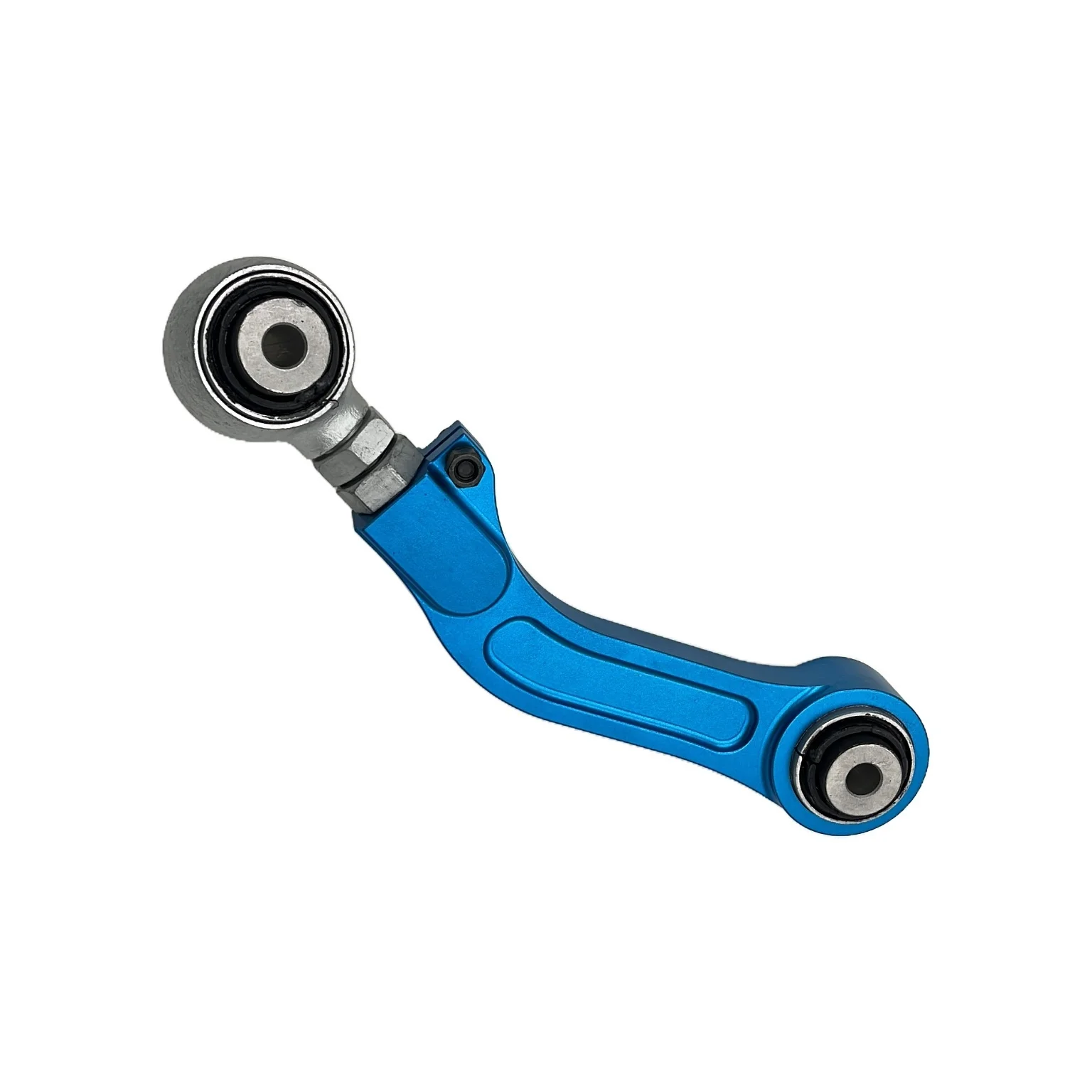
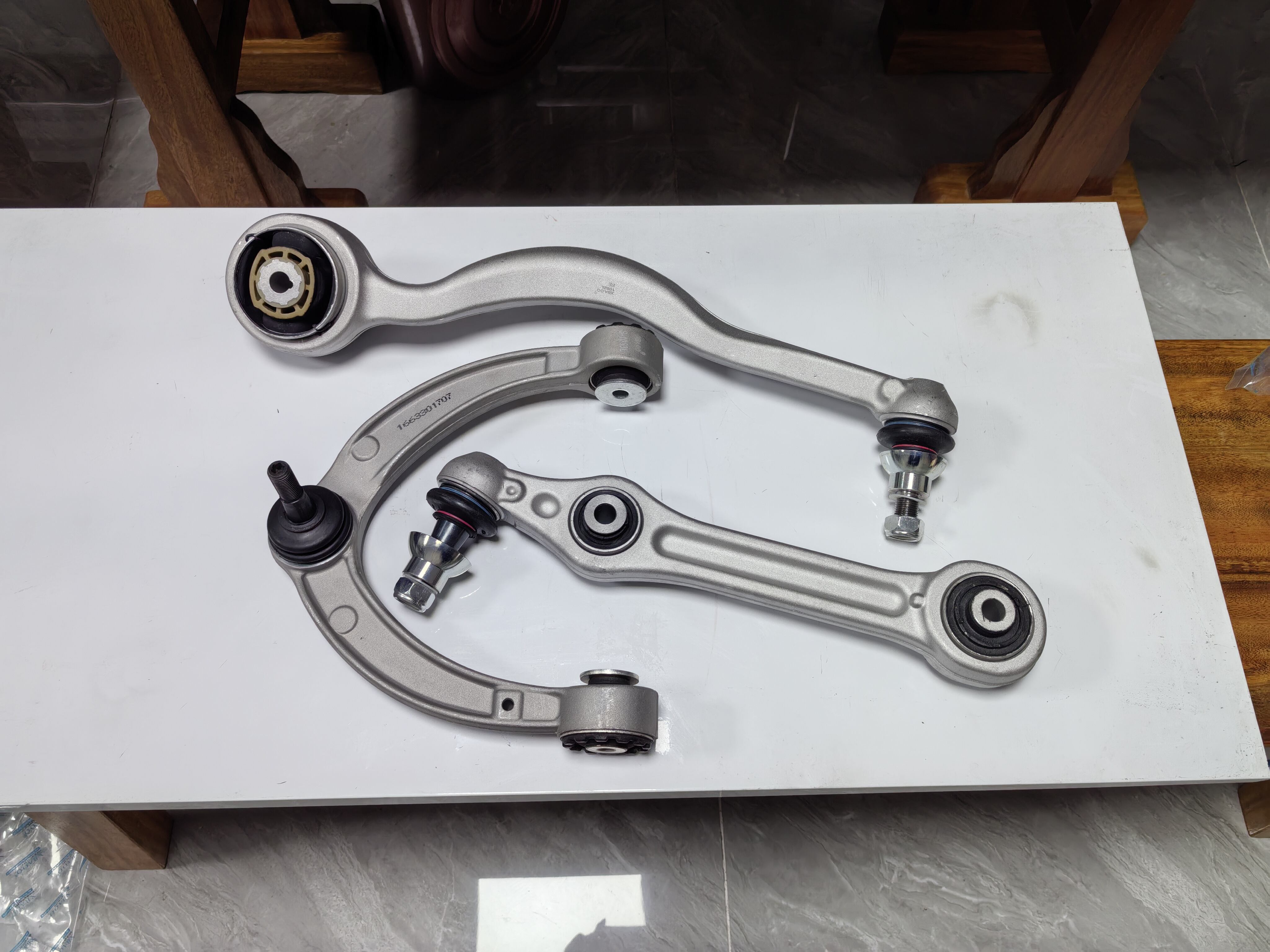
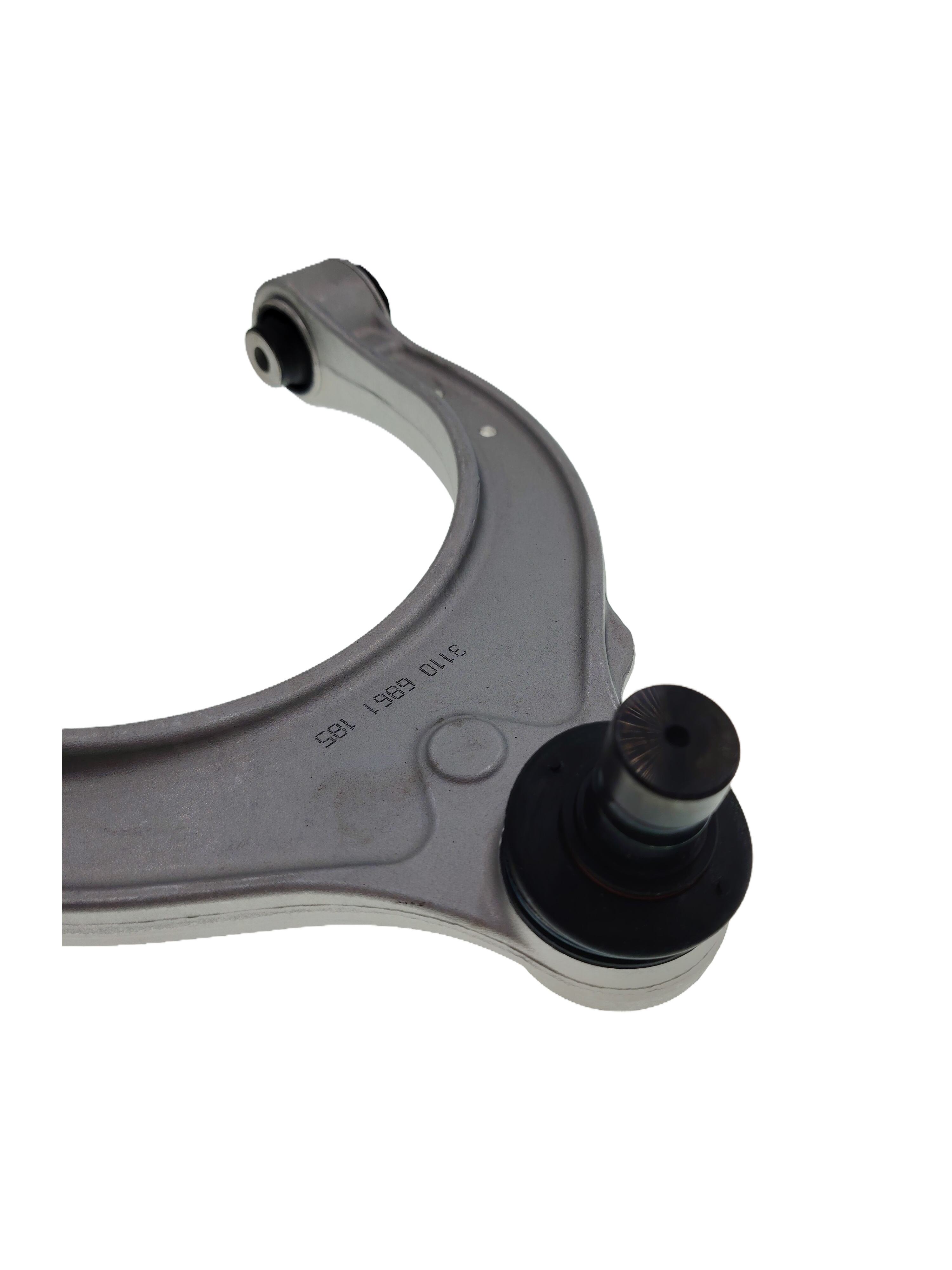
Lower control arm vendors represent a crucial segment within the automotive aftermarket and original equipment manufacturing sectors, providing essential suspension components that directly impact vehicle safety, performance, and ride quality. These specialized manufacturers focus on producing control arms that serve as the primary connection point between a vehicle's frame and the wheel assembly, allowing for controlled vertical movement while maintaining proper wheel alignment during various driving conditions. The lower control arm functions as a critical pivot point in the suspension system, enabling the wheel to move up and down with road irregularities while preventing unwanted lateral movement that could compromise steering precision and tire wear patterns. Modern lower control arm vendors have evolved significantly from traditional manufacturing approaches, incorporating advanced materials science, precision engineering techniques, and comprehensive quality control measures to meet increasingly demanding automotive specifications. These vendors typically specialize in multiple vehicle applications, ranging from compact passenger cars to heavy-duty trucks and commercial vehicles, requiring extensive research and development capabilities to address diverse load requirements and operational environments. The technological sophistication of contemporary lower control arm vendors extends beyond basic manufacturing, encompassing computer-aided design systems, finite element analysis, and rigorous testing protocols that simulate real-world conditions including extreme temperatures, corrosive environments, and high-stress loading scenarios. Many leading lower control arm vendors maintain strategic partnerships with major automotive manufacturers, participating in early-stage vehicle development programs to ensure optimal integration and performance characteristics. The applications for products from lower control arm vendors span across various automotive segments including passenger vehicles, light trucks, SUVs, commercial vehicles, and specialty applications such as racing and off-road vehicles, each requiring specific engineering considerations and performance characteristics to meet distinct operational demands and regulatory requirements.
 EN
EN