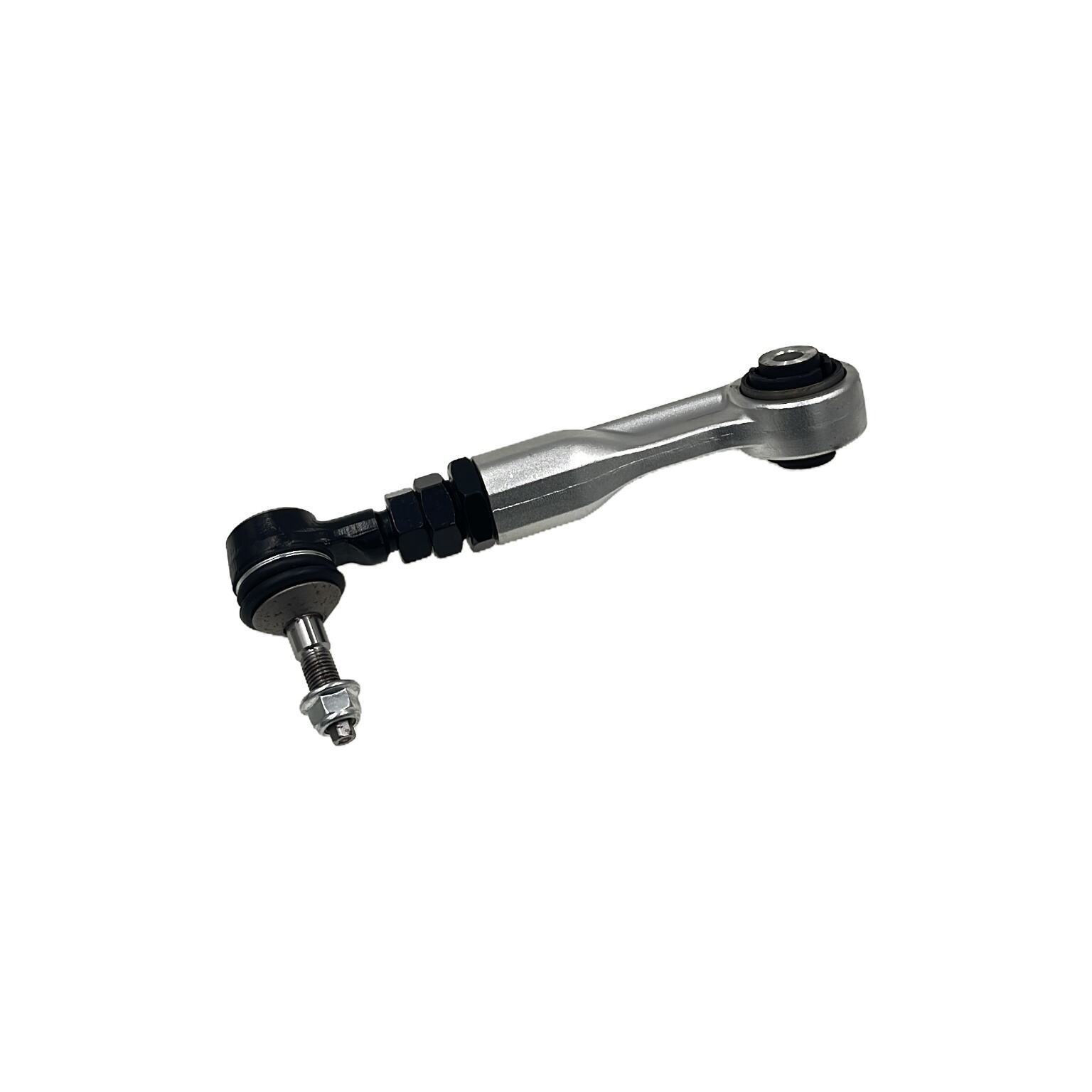
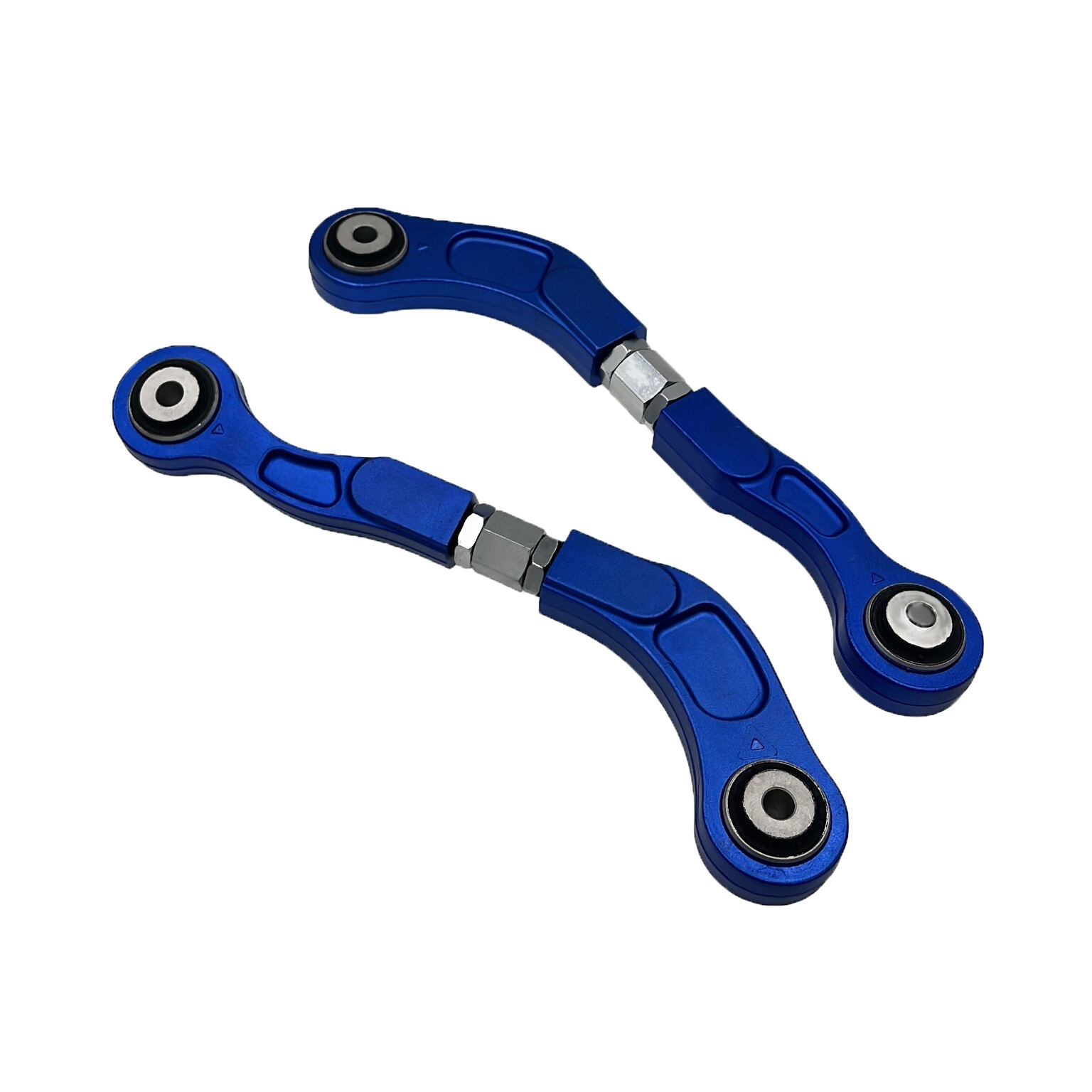
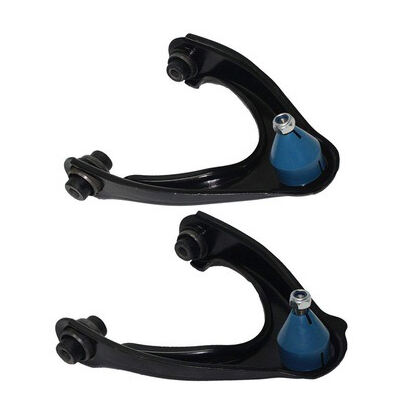
replacing outer tie rod
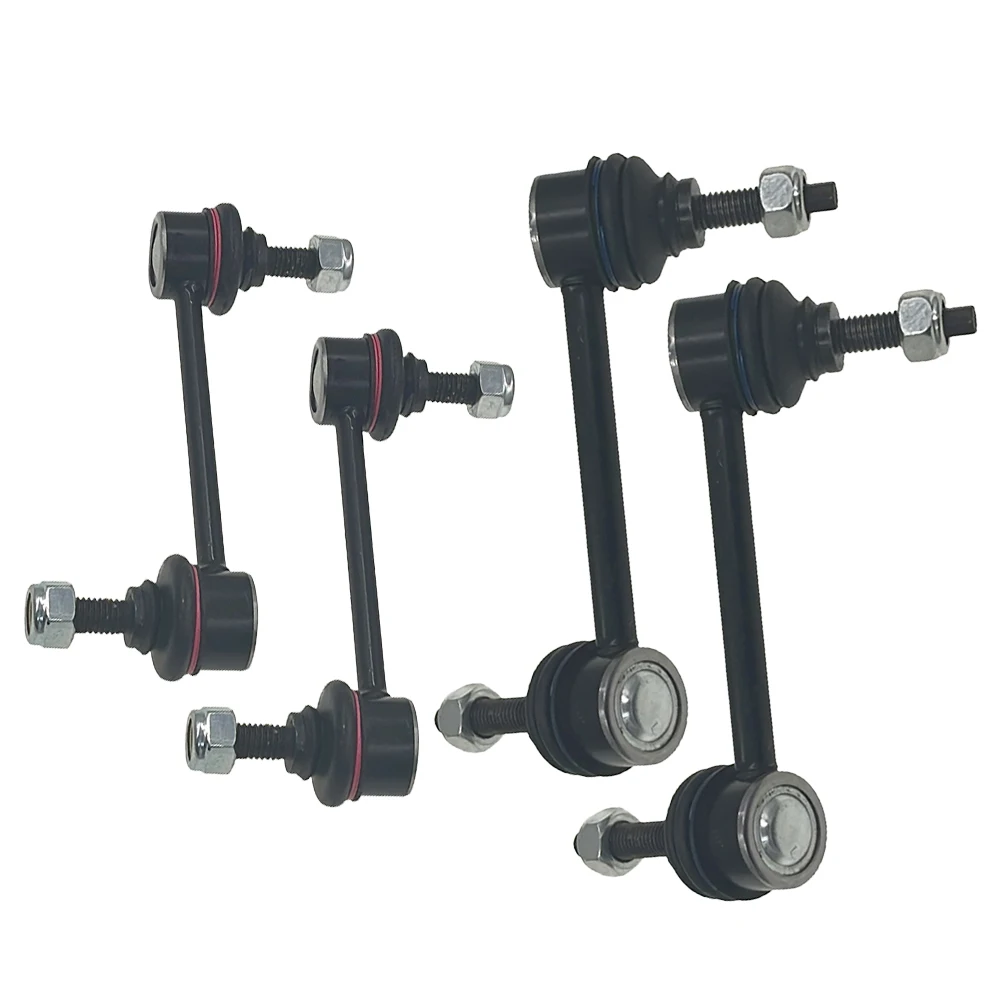
The replacing outer tie rod serves as a fundamental component within automotive steering systems, establishing the critical connection between the steering rack and wheel assembly. This precision-engineered part transforms steering wheel input into directional movement of the vehicle's front wheels, ensuring accurate control and safe driving operations. When the original outer tie rod experiences wear, damage, or failure, replacing outer tie rod becomes essential for maintaining optimal vehicle performance and safety standards. The outer tie rod consists of a threaded rod end with a ball joint mechanism that connects to the steering knuckle, allowing for smooth articulation during steering maneuvers while accommodating suspension movement. Modern replacing outer tie rod units incorporate advanced materials and manufacturing techniques to deliver enhanced durability and performance compared to standard components. The ball joint design features a hardened steel ball enclosed within a reinforced housing, providing smooth rotation and articulation under various driving conditions. Quality replacing outer tie rod assemblies utilize premium grease formulations and improved sealing systems to extend service life and maintain consistent performance throughout their operational lifespan. The threading mechanism allows for precise toe adjustment during wheel alignment procedures, ensuring proper tire contact with the road surface. Replacing outer tie rod applications span across passenger vehicles, light trucks, SUVs, and commercial fleet vehicles, with specific designs tailored to accommodate different weight capacities and performance requirements. Professional technicians rely on these components during routine maintenance, collision repairs, and performance upgrades. The replacing outer tie rod maintains structural integrity under demanding conditions including extreme temperatures, road salt exposure, and continuous mechanical stress. Installation requires proper torque specifications and alignment procedures to ensure optimal function and safety compliance.
 EN
EN