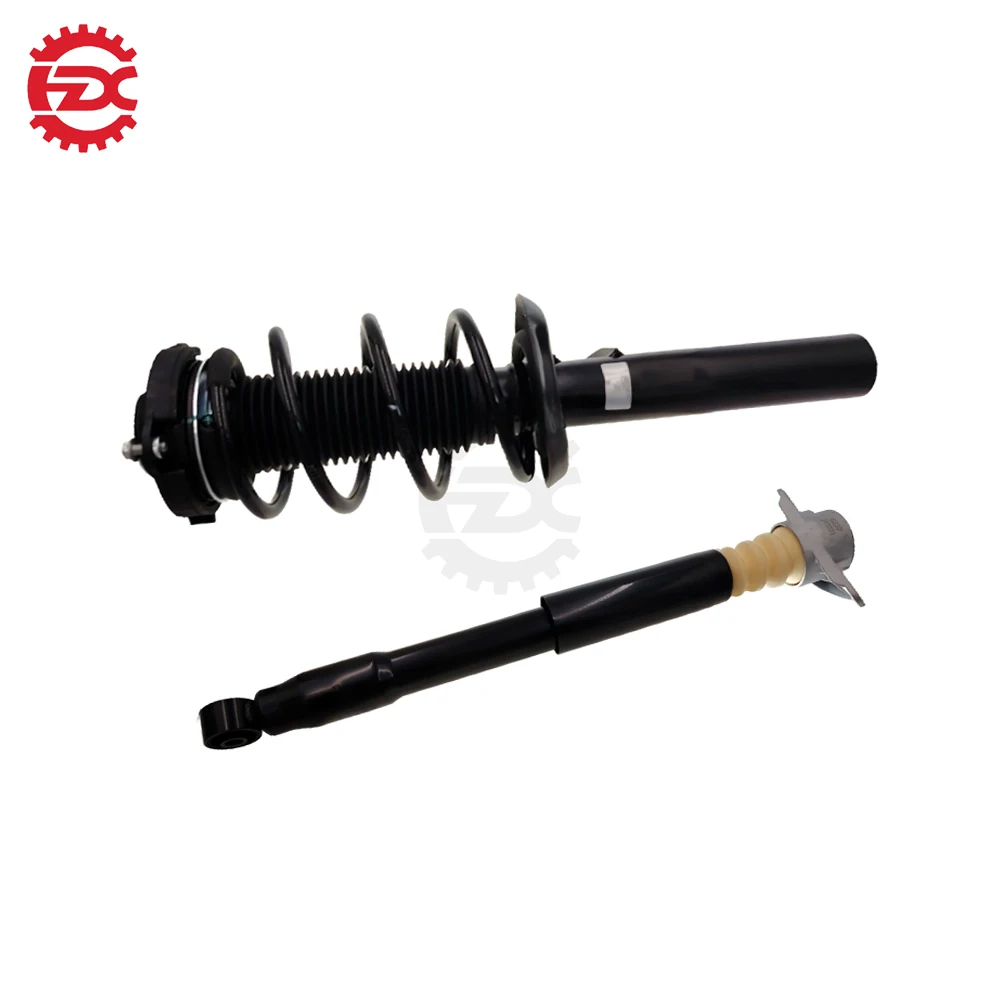
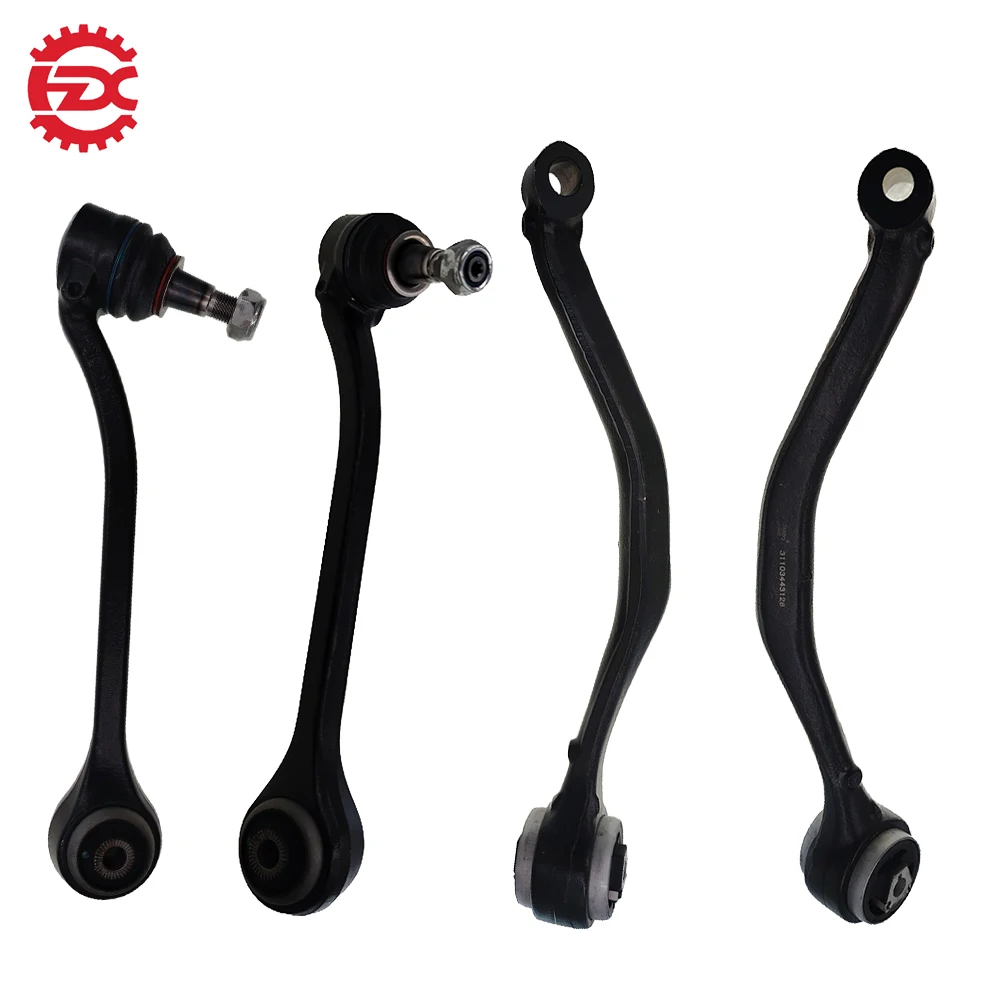
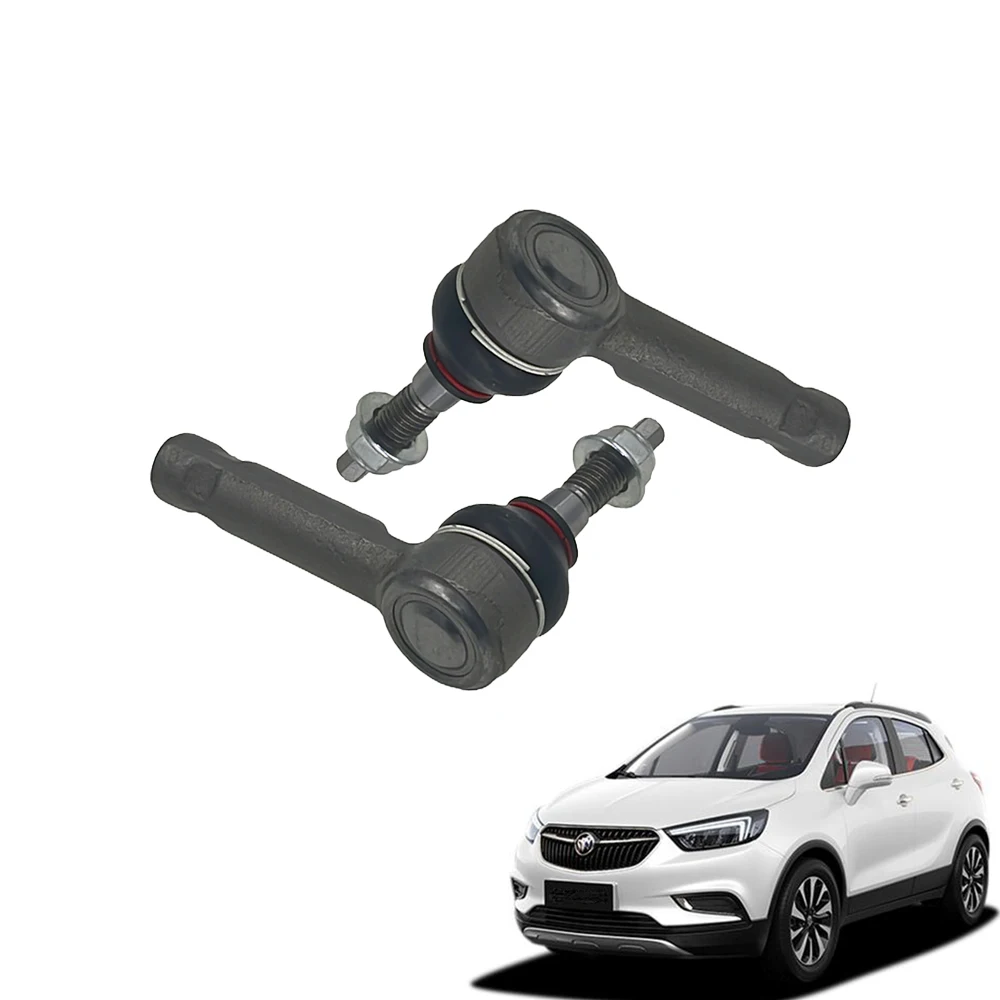
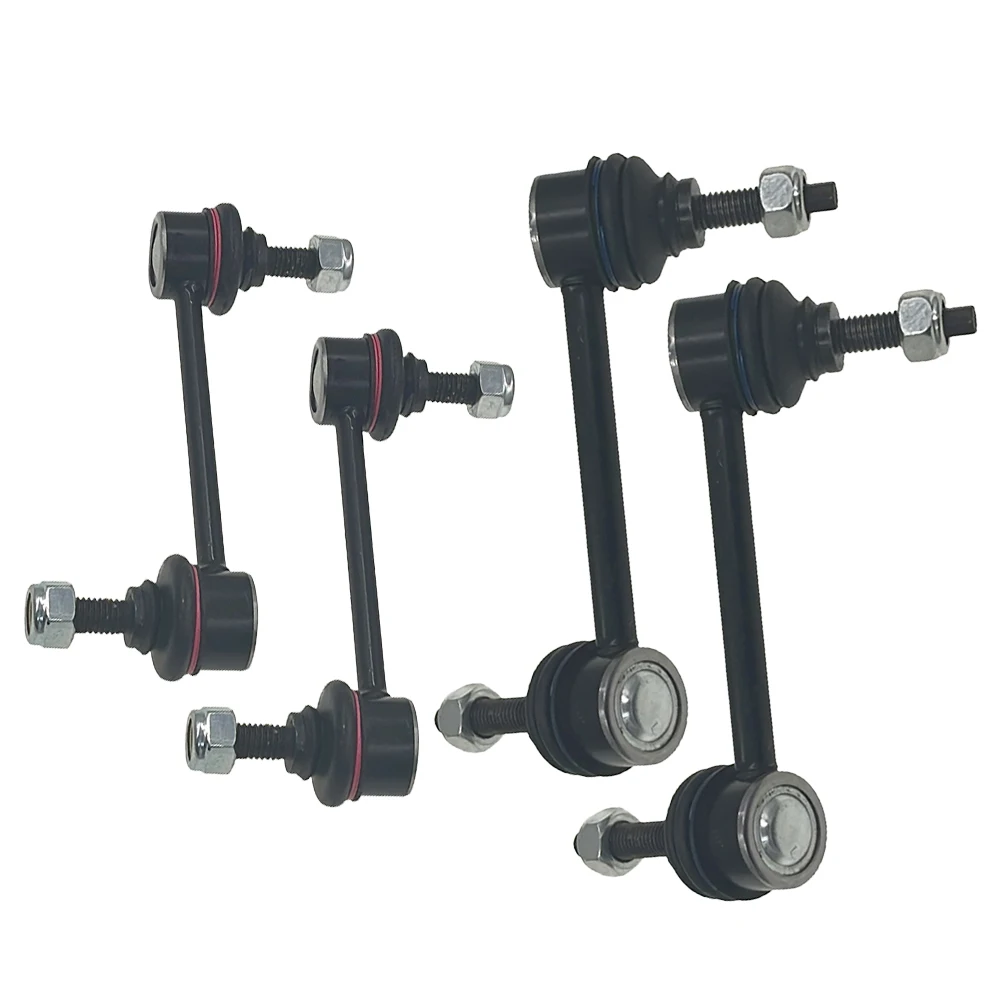
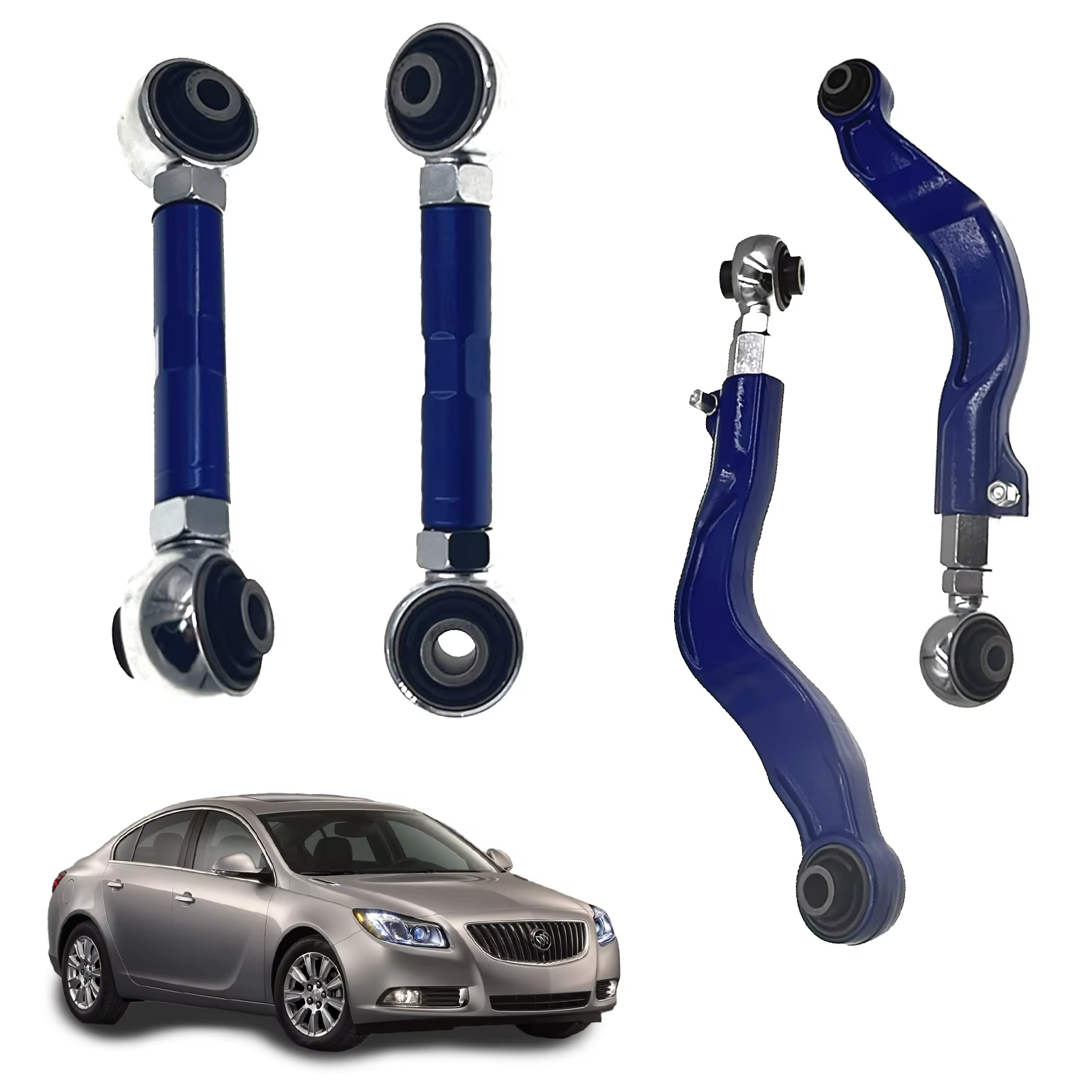
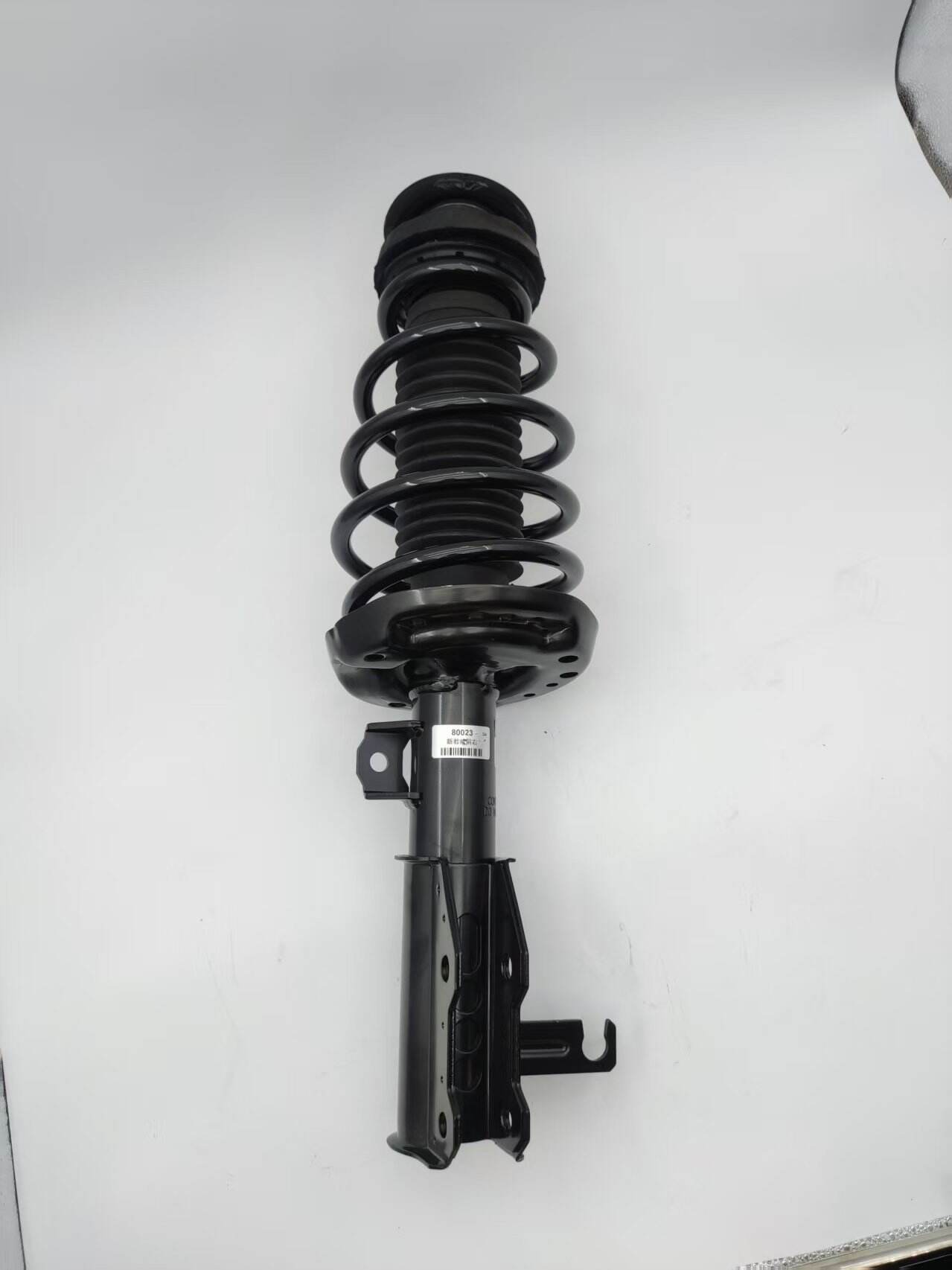
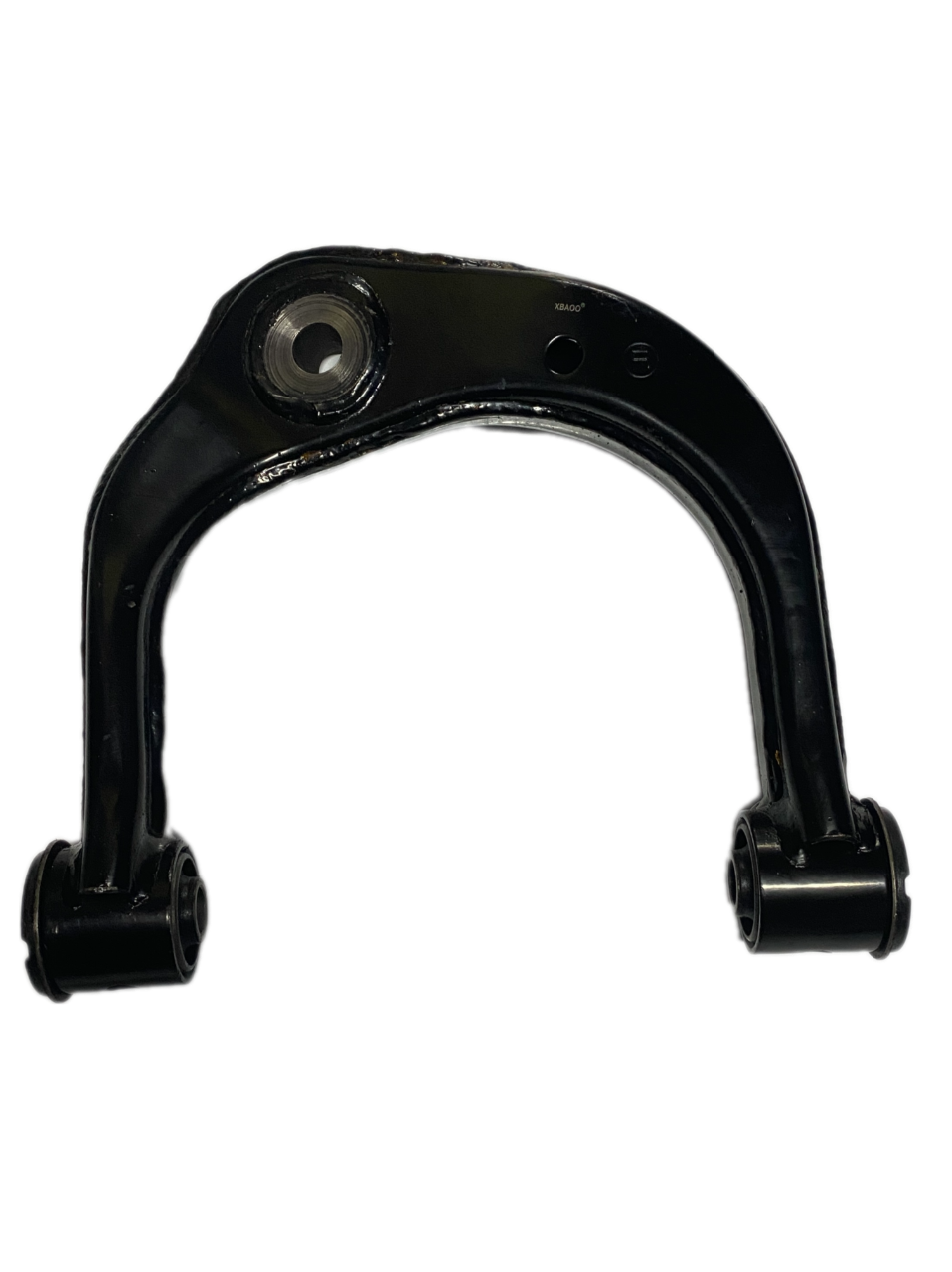
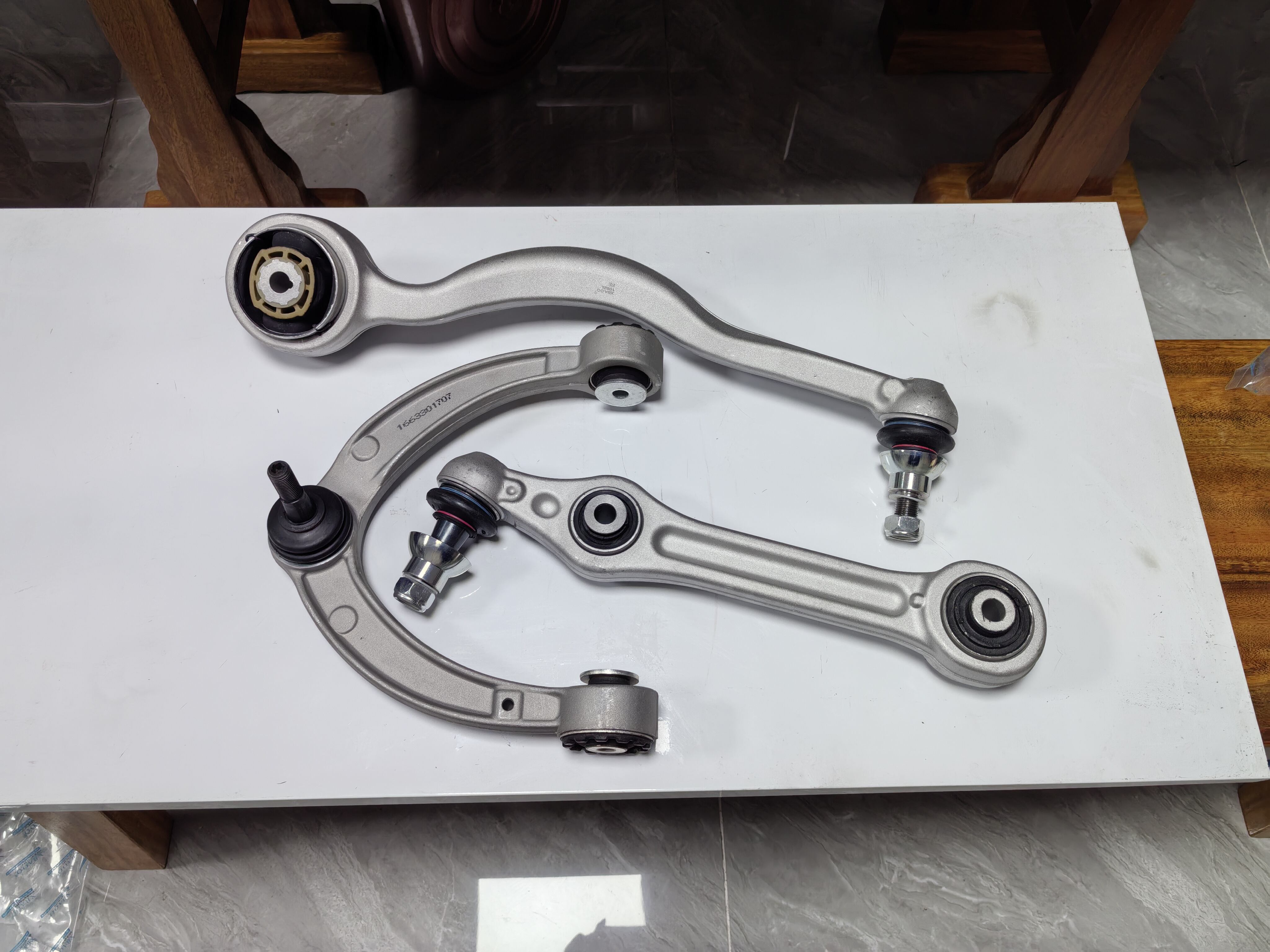
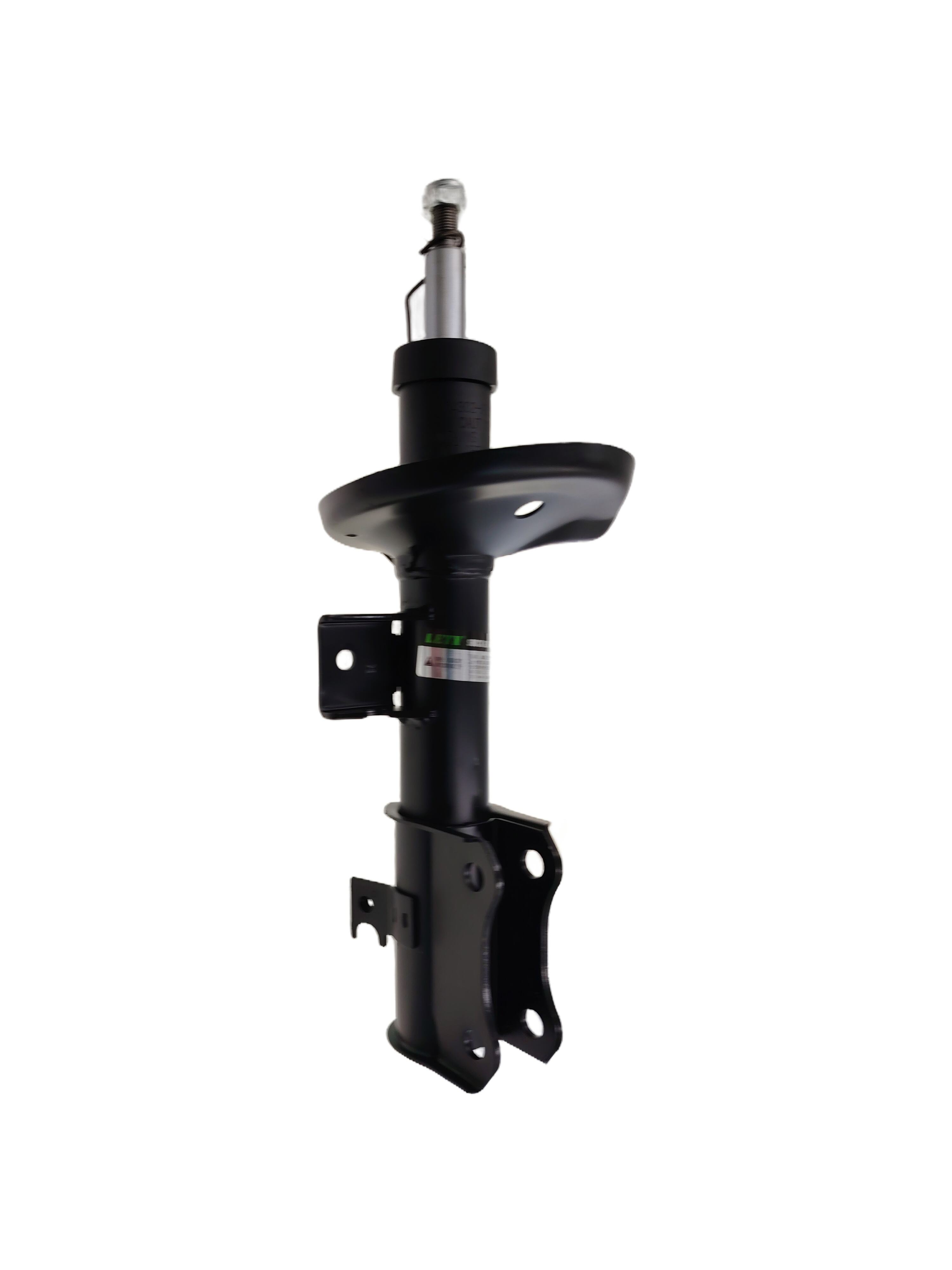
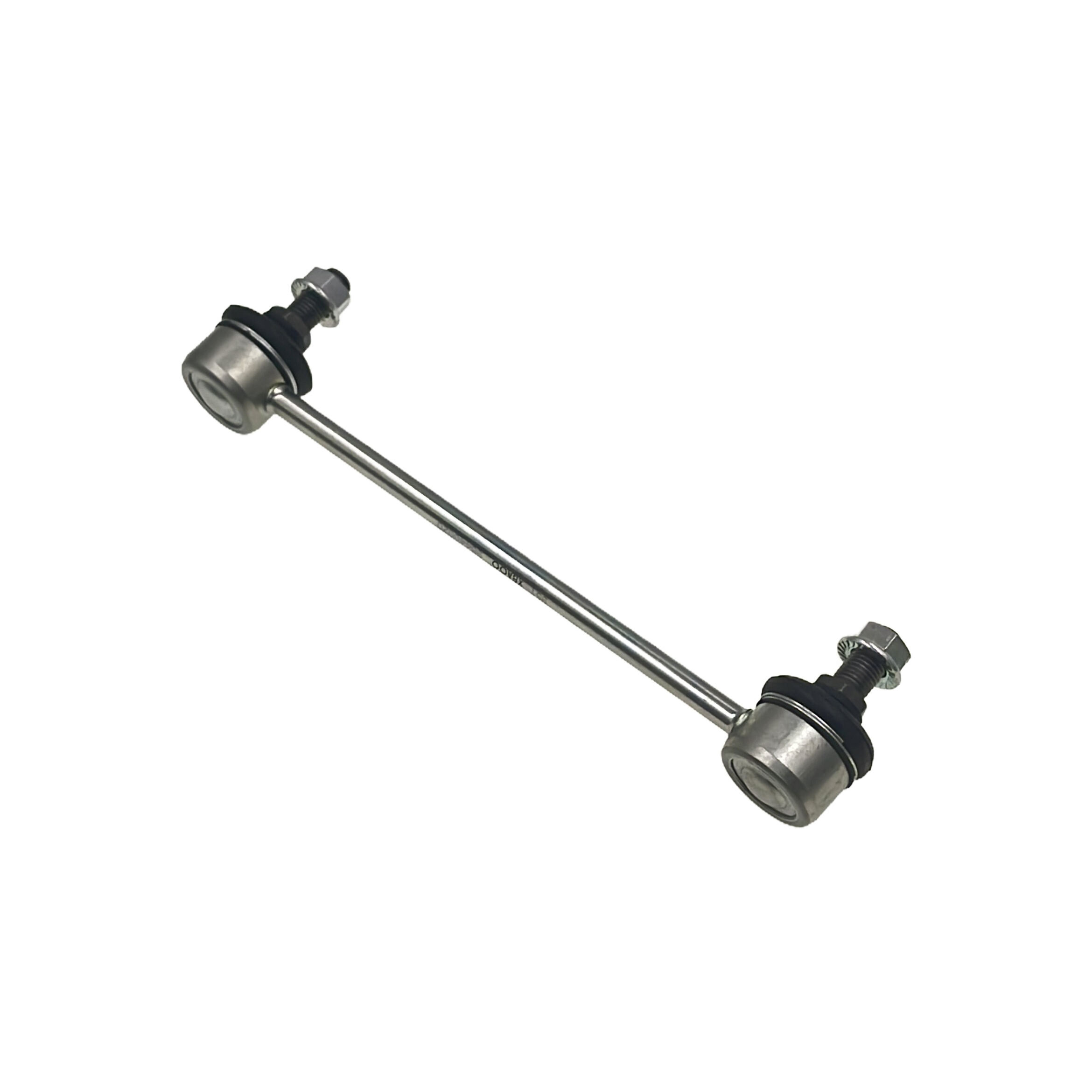
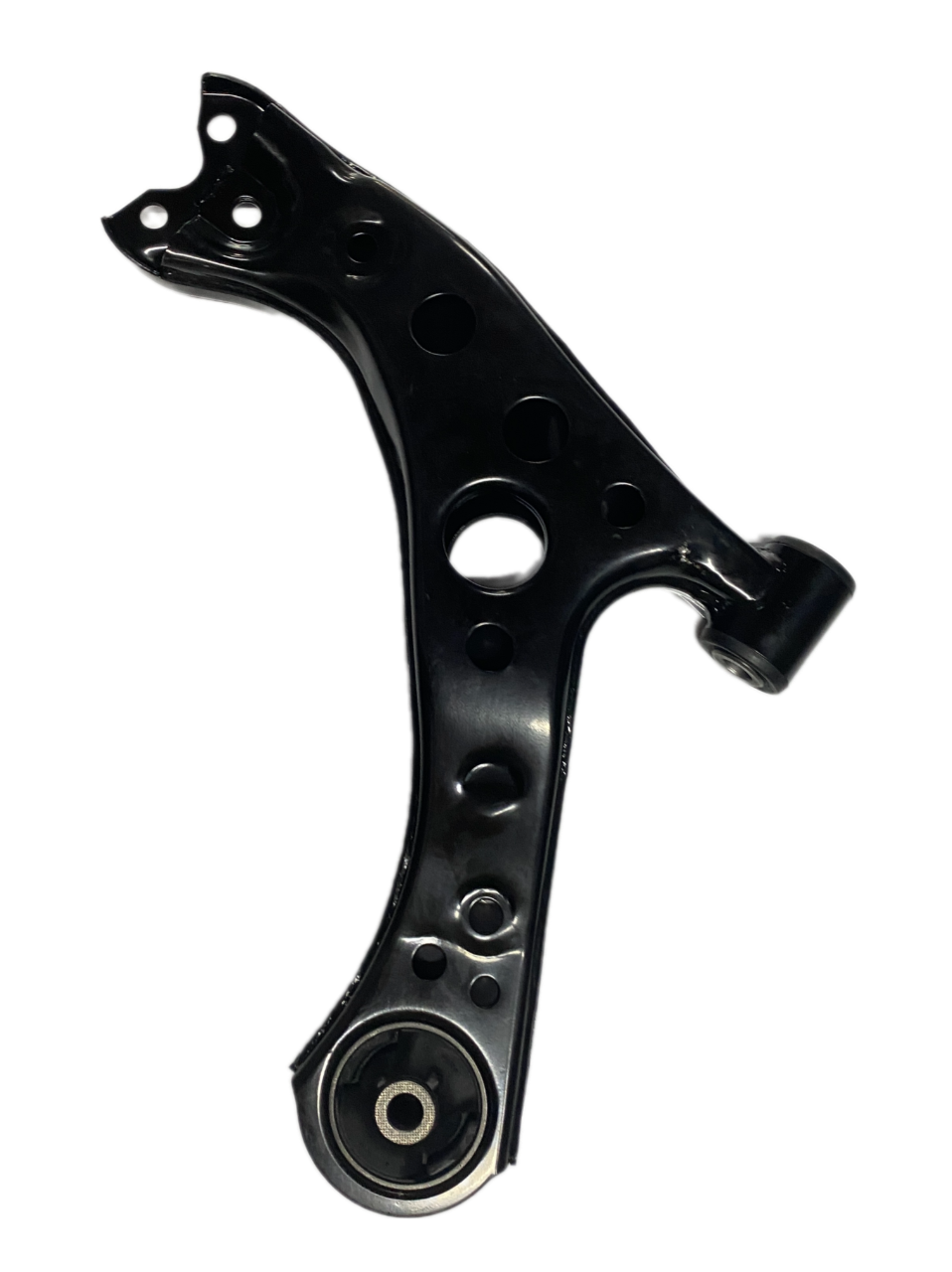
adjustable tie rod
An adjustable tie rod serves as a critical component in automotive suspension and steering systems, providing essential connection between various mechanical elements while offering precise adjustment capabilities. This versatile mechanical device consists of threaded rod ends connected by a central body that allows for length modification through rotation. The adjustable tie rod functions primarily to maintain proper wheel alignment, control suspension geometry, and ensure optimal vehicle handling characteristics. Its technological features include high-strength steel construction, precision threading, and corrosion-resistant coatings that guarantee long-lasting performance under demanding conditions. The component incorporates specialized ball joints or rod ends that facilitate smooth articulation while maintaining structural integrity. Advanced manufacturing processes ensure consistent thread pitch and dimensional accuracy, enabling precise adjustments during installation and maintenance procedures. The adjustable tie rod finds extensive applications across multiple industries, including automotive manufacturing, agricultural machinery, construction equipment, and marine vessels. In automotive applications, these components connect steering linkages, control arms, and stabilizer bars to the chassis, enabling drivers to maintain directional control and stability. Agricultural equipment utilizes adjustable tie rods for implement positioning and hydraulic system connections, while construction machinery relies on these components for boom articulation and bucket positioning. Marine applications benefit from the corrosion-resistant properties of specialized adjustable tie rods designed for saltwater environments. The adjustable nature of these components eliminates the need for multiple fixed-length alternatives, reducing inventory requirements and simplifying maintenance procedures. Modern adjustable tie rod designs incorporate advanced materials such as chromoly steel and specialized alloys that provide superior strength-to-weight ratios while maintaining flexibility for various load conditions and operational environments.

 EN
EN