Precision Alignment Control for Optimal Performance
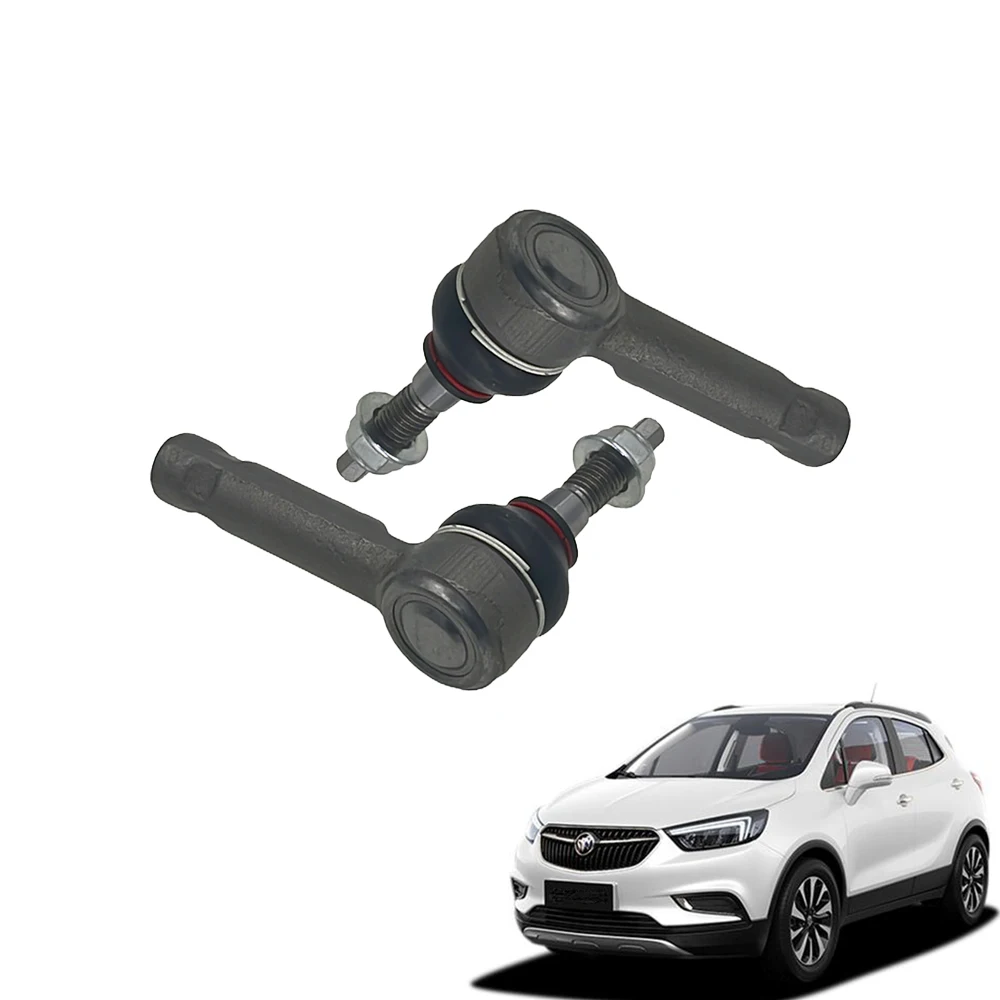
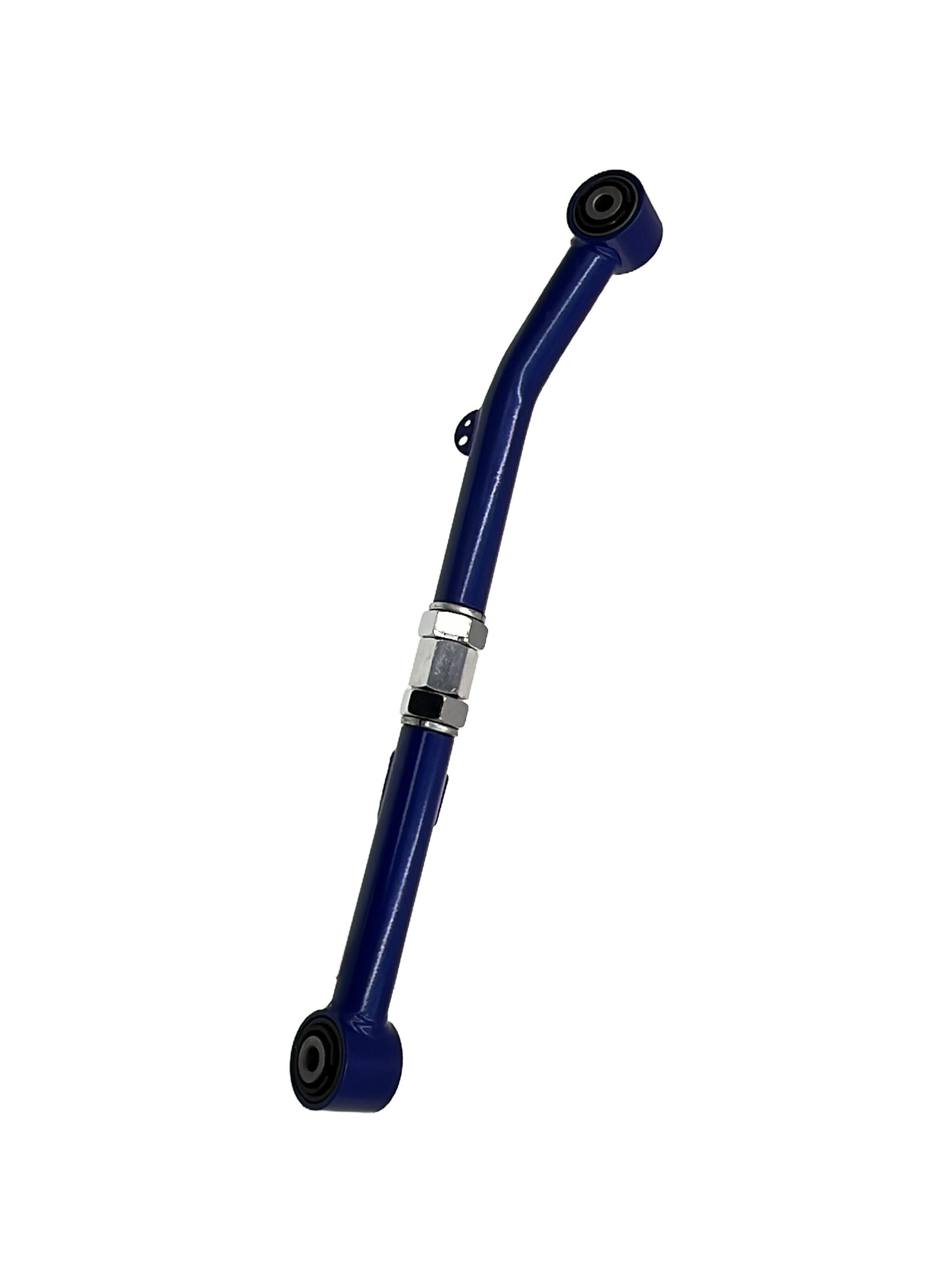
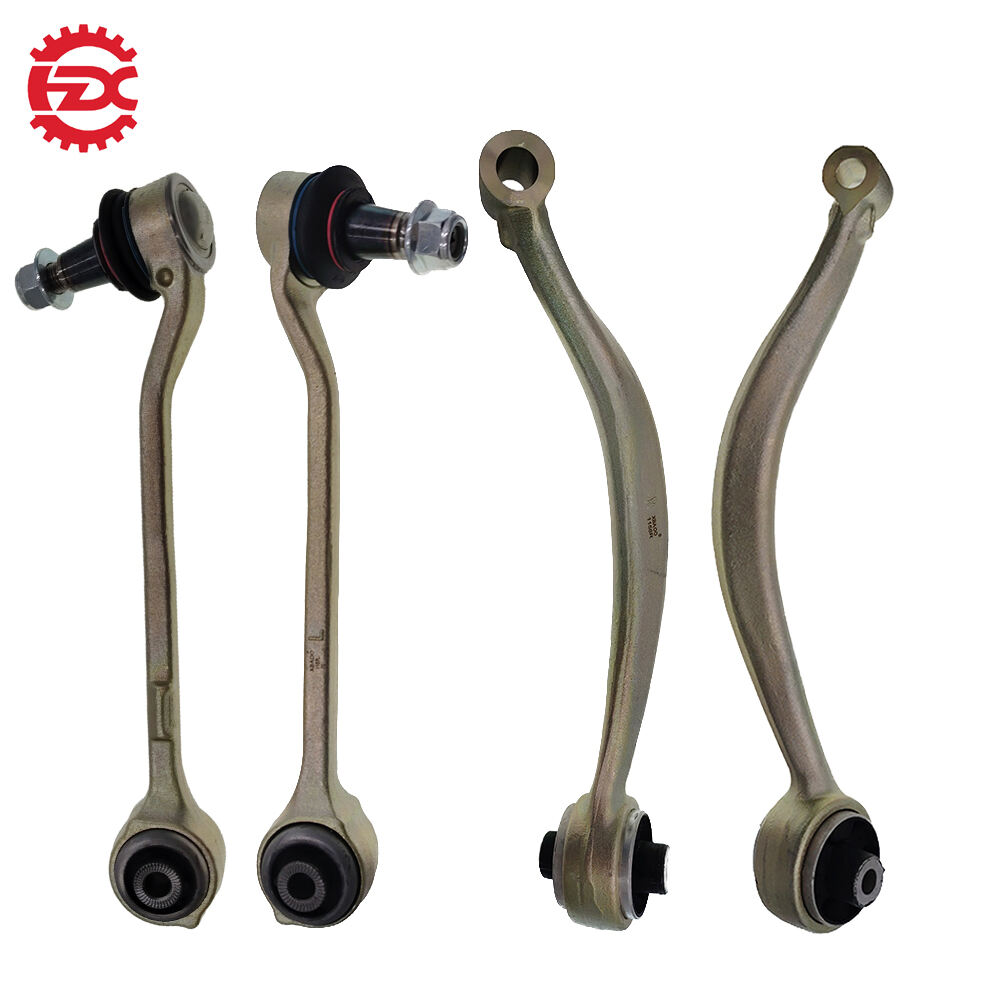
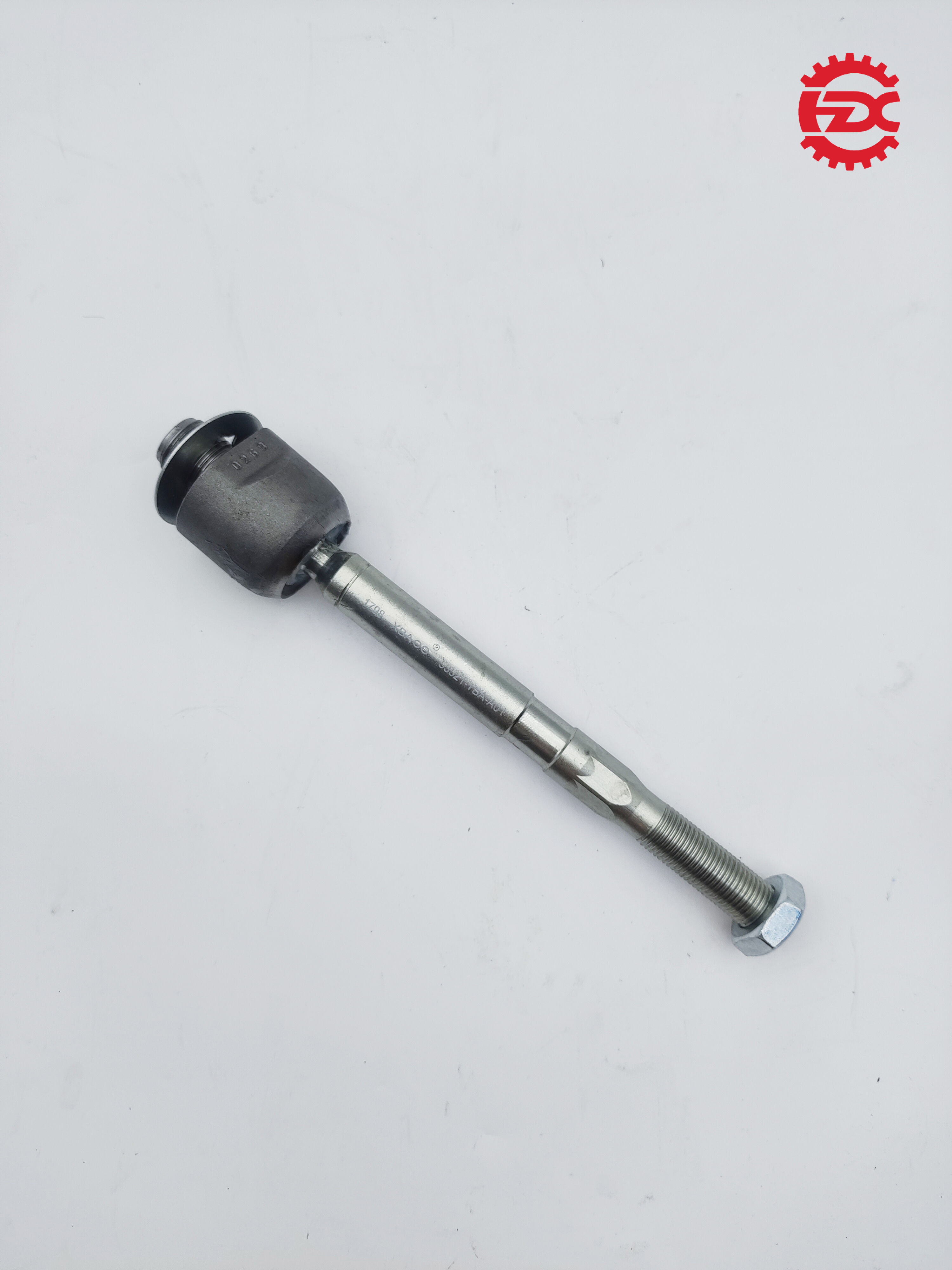
Front outer tie rods provide precise alignment control capabilities that directly impact vehicle performance, safety, and operating costs through their sophisticated adjustment mechanisms and engineering design. The threaded adjustment system incorporated into front outer tie rods enables technicians to achieve exact toe alignment specifications, ensuring optimal wheel positioning that maximizes tire contact with the road surface. This precision alignment capability prevents irregular tire wear patterns that can reduce tire lifespan by thousands of miles, representing significant cost savings for vehicle owners over time. The accurate alignment maintained by properly functioning front outer tie rods ensures even distribution of forces across the tire tread, promoting uniform wear characteristics and extending overall tire service life substantially. Vehicle handling characteristics improve dramatically when front outer tie rods maintain correct alignment specifications, as proper wheel positioning ensures predictable steering response and enhanced stability during cornering, braking, and acceleration maneuvers. The precision engineering of front outer tie rods eliminates unwanted play or looseness in the steering system, providing drivers with immediate feedback and responsive control that enhances both performance and safety. Fuel efficiency benefits result from the reduced rolling resistance achieved through proper wheel alignment, as correctly positioned wheels minimize energy losses that occur when wheels are not tracking straight ahead. The alignment precision facilitated by quality front outer tie rods contributes to reduced stress on other suspension components, preventing premature wear of ball joints, control arms, and steering system elements that could result in expensive repairs. Professional alignment procedures utilizing front outer tie rods with proper adjustment capabilities ensure that vehicles meet manufacturer specifications for handling, safety, and performance, maintaining warranty compliance and optimal operation. The long-term benefits of precision alignment control extend beyond immediate performance improvements to encompass reduced maintenance costs, enhanced safety margins, and improved overall vehicle reliability throughout the ownership period.

 EN
EN