Premium Suspension Upper Arm Components - Enhanced Vehicle Performance and Reliability

All Categories

Get a Free Quote

Our representative will contact you soon.
Email
Name
Company Name
Message
0/1000

suspension upper arm

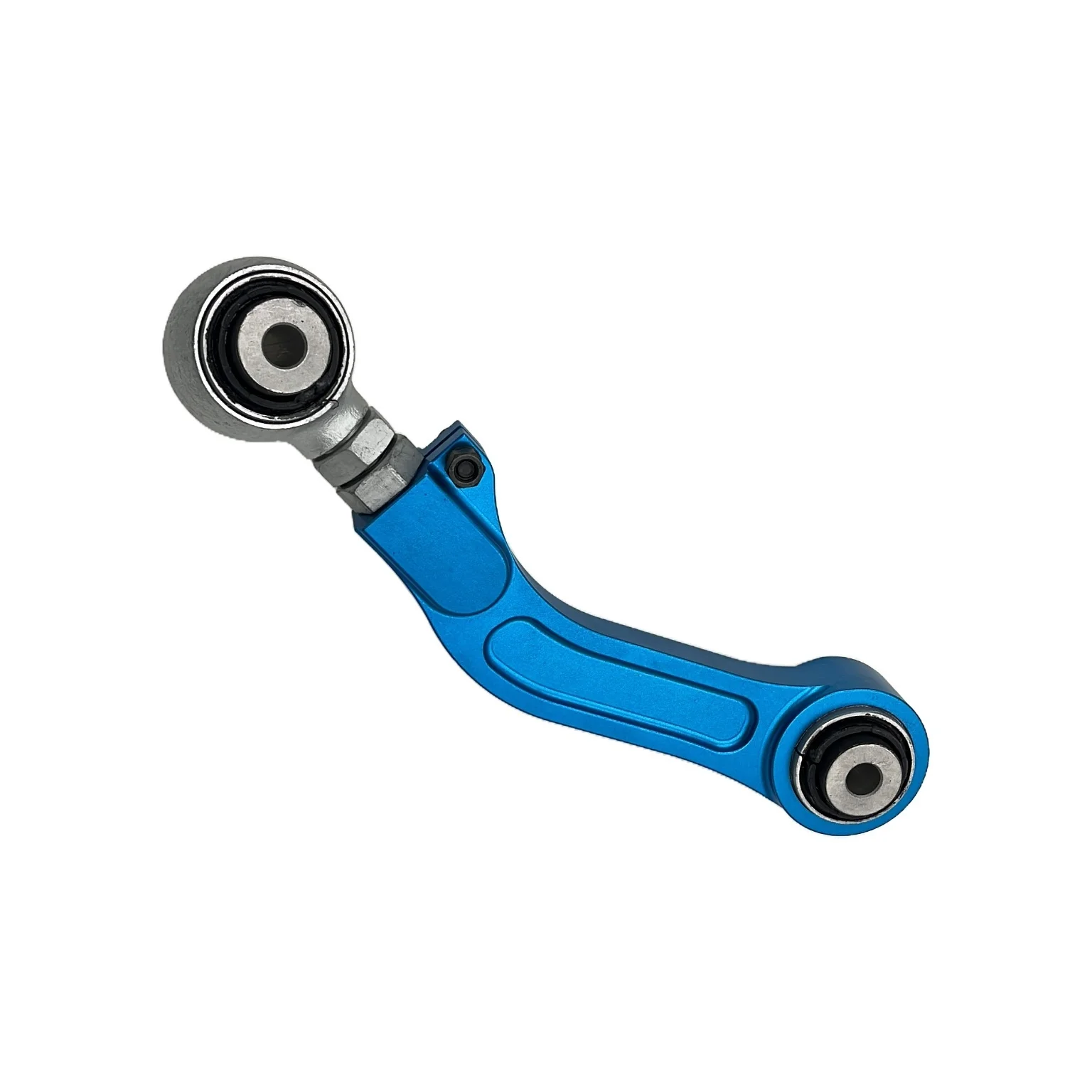
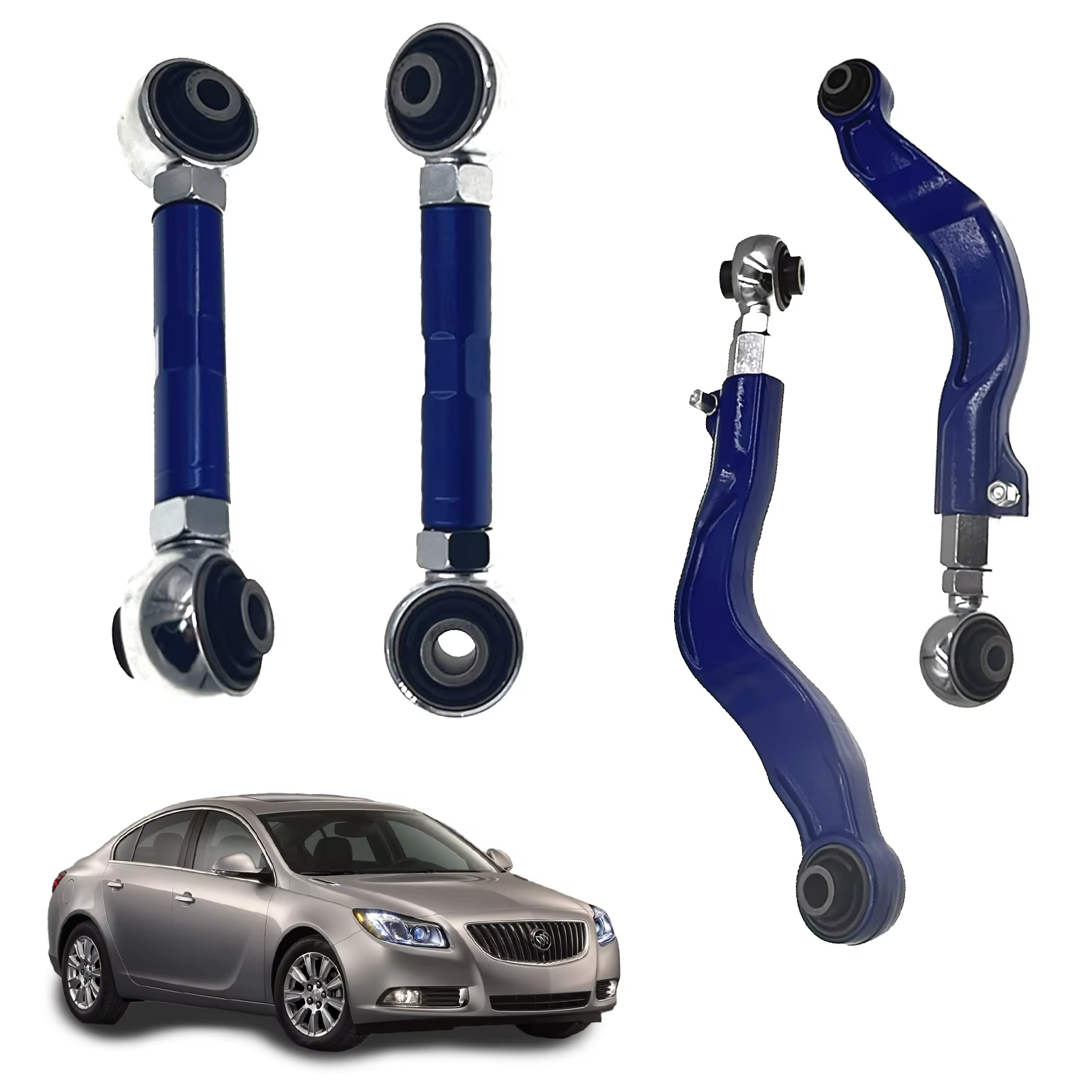
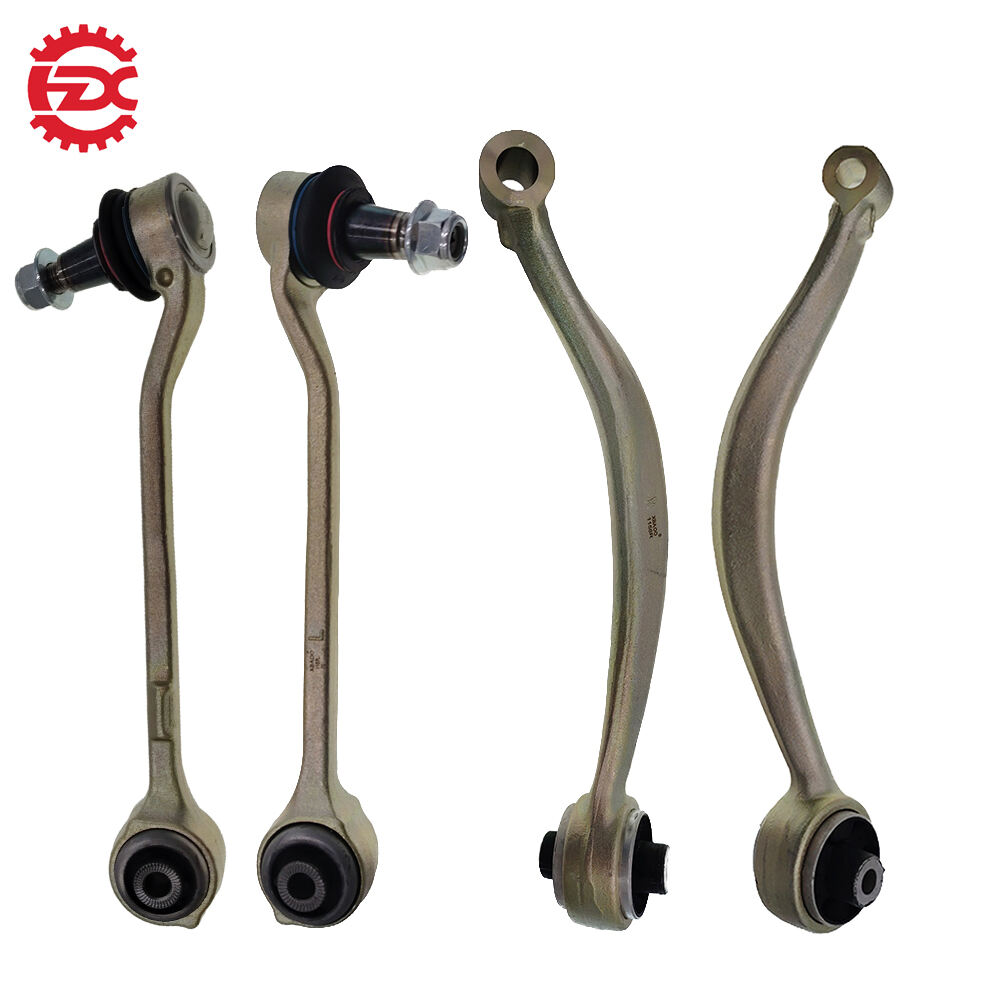
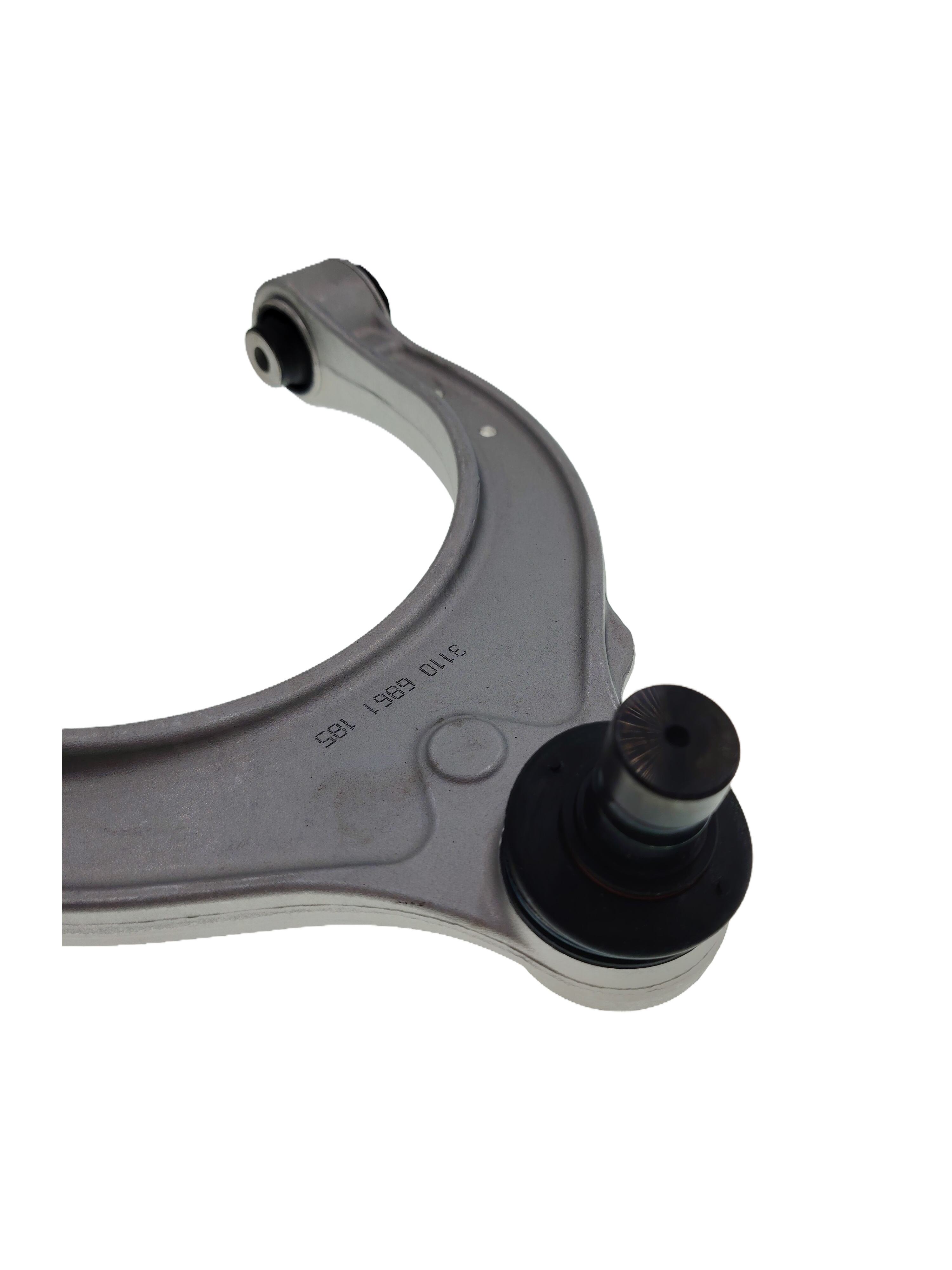
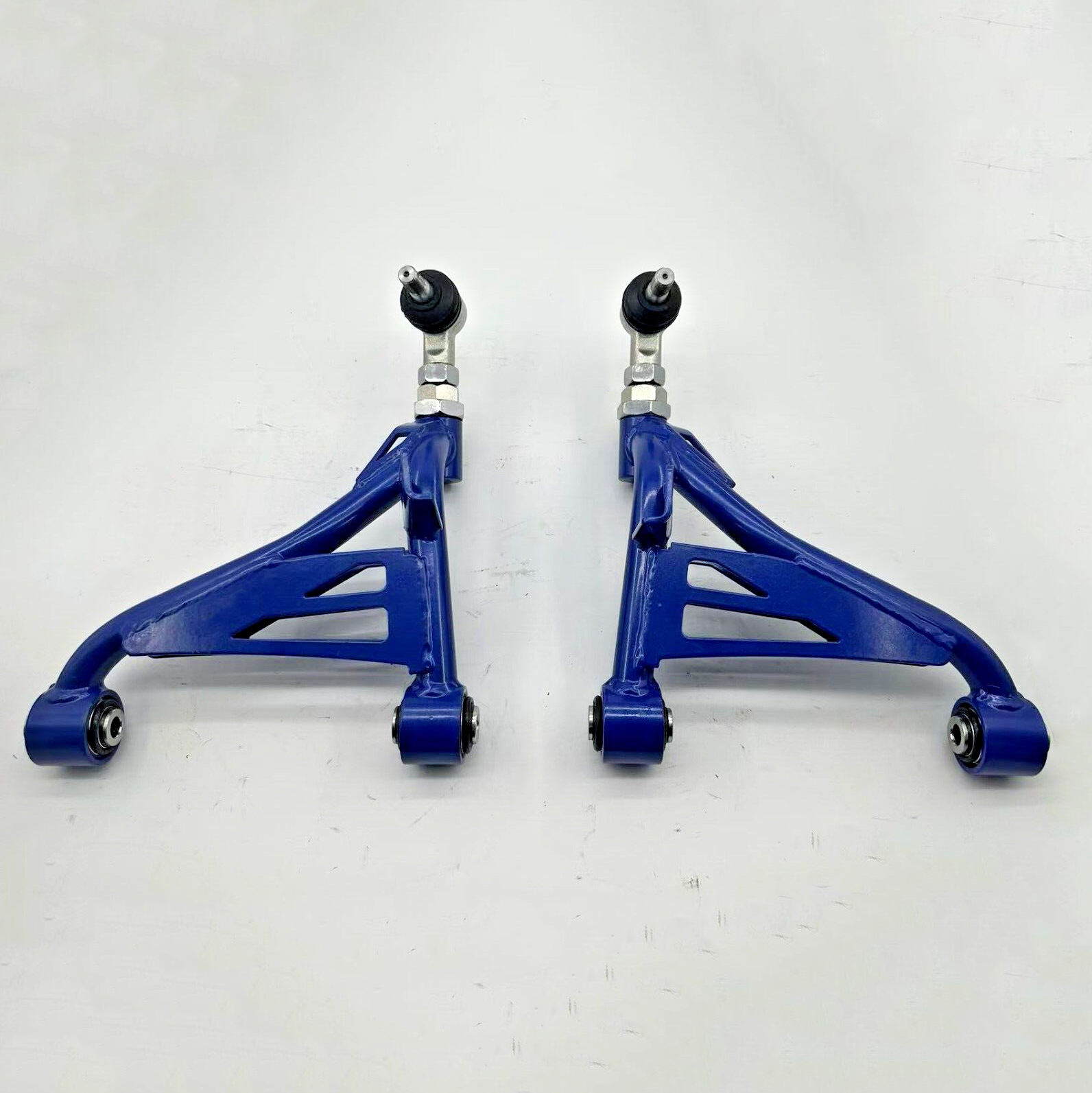
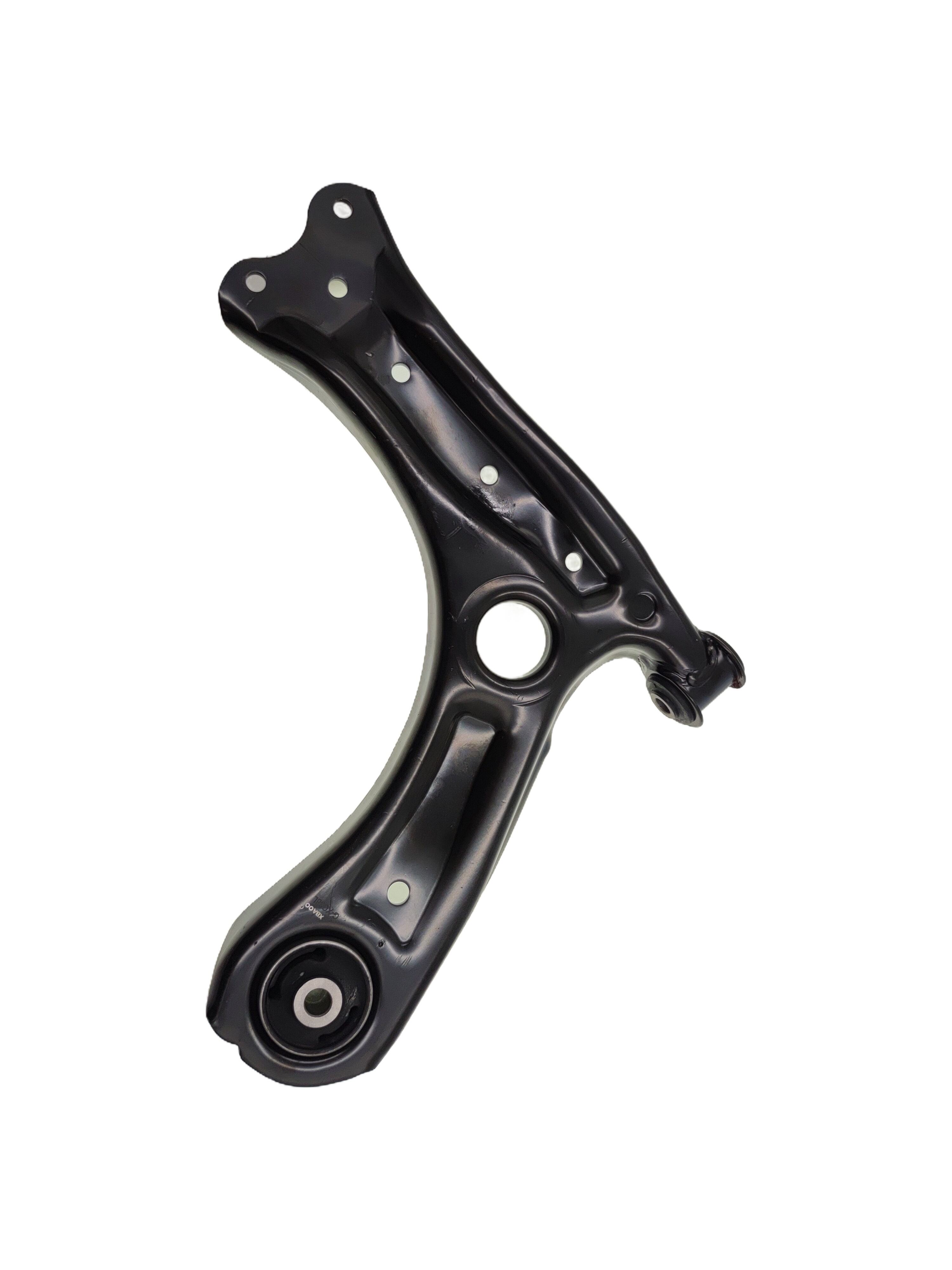
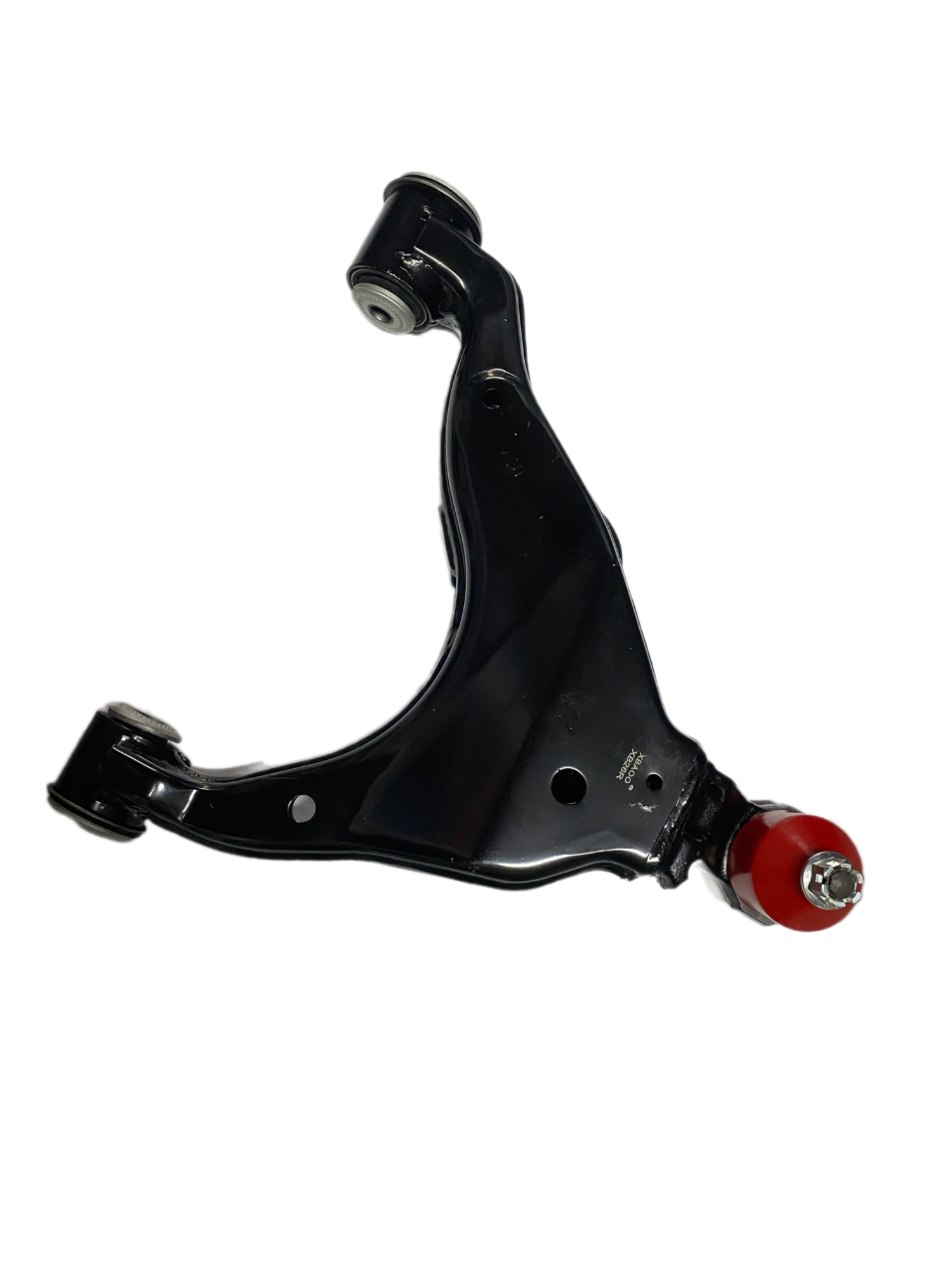
The suspension upper arm represents a critical component in modern vehicle suspension systems, serving as the primary link between the chassis and the wheel assembly. This essential automotive part operates as part of the upper control arm mechanism, working in conjunction with the lower control arm to maintain proper wheel alignment and vehicle stability. The suspension upper arm functions as a pivotal connection point that allows controlled vertical movement while maintaining lateral stability during various driving conditions. Its primary responsibility involves supporting the vehicle's weight while simultaneously permitting the wheels to move up and down in response to road irregularities. The suspension upper arm incorporates sophisticated engineering principles to deliver precise control over wheel geometry, ensuring optimal tire contact with the road surface. This component features robust construction materials, typically utilizing high-strength steel or aluminum alloys that provide exceptional durability while minimizing unsprung weight. The design incorporates strategically positioned bushings and ball joints that facilitate smooth articulation while dampening vibrations and road noise. Modern suspension upper arm designs incorporate advanced metallurgy and precision manufacturing techniques to deliver consistent performance across diverse operating conditions. The component's geometry plays a crucial role in determining suspension characteristics, including camber angles, caster settings, and overall handling dynamics. Vehicle manufacturers engineer suspension upper arm assemblies to meet specific performance criteria, balancing comfort, handling precision, and durability requirements. The suspension upper arm undergoes rigorous testing procedures to ensure compliance with safety standards and performance specifications. Installation typically requires specialized tools and expertise to maintain proper alignment and torque specifications. Regular maintenance and inspection of the suspension upper arm contribute significantly to vehicle safety and performance longevity. The component's failure can result in compromised handling, irregular tire wear, and potentially dangerous driving conditions, emphasizing the importance of quality construction and proper maintenance protocols.


New Products

The suspension upper arm delivers numerous practical benefits that directly impact vehicle performance, safety, and overall driving experience. Vehicle owners experience enhanced ride comfort through the suspension upper arm's ability to effectively isolate road irregularities from the passenger compartment. This component works continuously to absorb impacts from potholes, speed bumps, and uneven surfaces, preventing harsh jolts from transferring directly to the vehicle's occupants. The suspension upper arm contributes significantly to improved handling characteristics by maintaining precise wheel positioning during cornering, braking, and acceleration maneuvers. Drivers notice increased confidence when navigating curves and corners, as the suspension upper arm helps maintain optimal tire contact patches with the road surface. Enhanced vehicle stability represents another key advantage, particularly during emergency maneuvers or sudden directional changes. The suspension upper arm's design ensures consistent wheel alignment, which translates to predictable vehicle behavior and reduced driver fatigue during extended journeys. Cost savings emerge through extended tire life, as properly functioning suspension upper arm components prevent irregular wear patterns that necessitate premature tire replacement. Vehicle owners benefit from reduced maintenance costs when the suspension upper arm operates within design parameters, preventing cascading failures throughout the suspension system. Improved fuel efficiency results from the suspension upper arm's role in maintaining optimal wheel alignment, reducing rolling resistance and parasitic drag. The component's contribution to overall vehicle dynamics enhances braking performance by ensuring maximum tire contact during emergency stops. Professional mechanics appreciate the suspension upper arm's accessibility for routine maintenance and replacement procedures. Quality suspension upper arm components provide exceptional longevity, often lasting throughout the vehicle's operational lifetime under normal driving conditions. The suspension upper arm's robust construction withstands extreme environmental conditions, including temperature fluctuations, road salt exposure, and continuous stress cycling. Vehicle resale value benefits from well-maintained suspension upper arm assemblies, as potential buyers recognize the importance of properly functioning suspension components. The suspension upper arm's design incorporates safety features that prevent catastrophic failure, typically exhibiting gradual wear characteristics that allow for planned maintenance intervals.

Practical Tips

The Ultimate Guide to Choosing the Right Adjustable Control Arms for Your Car

30

Jul

The Ultimate Guide to Choosing the Right Adjustable Control Arms for Your Car

Why Suspension Precision Matters More Than Ever Performance upgrades have become increasingly popular among automotive enthusiasts and daily drivers alike. One of the most overlooked yet critical components in ensuring better handling, wheel alignm...
View More
Custom Control Arms: Aligning with Business Needs

31

Jul

Custom Control Arms: Aligning with Business Needs

Custom Control Arms: Aligning with Business Needs Custom control arms are specialized suspension components designed to meet specific vehicle requirements, unlike mass-produced “one-size-fits-all” parts. For businesses in industries like ...
View More
Optimizing Custom Control Arms for Maximum Value

31

Jul

Optimizing Custom Control Arms for Maximum Value

Optimizing Custom Control Arms for Maximum Value Custom control arms are key parts of a vehicle’s suspension system, connecting the frame to the wheels and controlling how the wheels move. Unlike standard control arms made for mass-produced car...
View More
Troubleshooting Common Adjustable Control Arms Issues

11

Sep

Troubleshooting Common Adjustable Control Arms Issues

Understanding Control Arm Functionality in Vehicle Suspension The suspension system of your vehicle plays a crucial role in delivering a smooth, controlled ride, and adjustable control arms are at the heart of this complex mechanism. These essential ...
View More

Get a Free Quote

Our representative will contact you soon.
Email
Name
Company Name
Message
0/1000

suspension upper arm

Superior Load Distribution and Weight Management

Superior Load Distribution and Weight Management

The suspension upper arm excels in distributing vehicle loads efficiently across the suspension system, representing a fundamental advantage that directly impacts both performance and longevity. This sophisticated load distribution mechanism ensures that forces generated during acceleration, braking, and cornering are properly channeled through the suspension geometry rather than concentrating stress points that could lead to premature component failure. The suspension upper arm's strategic positioning within the suspension architecture allows it to work in harmony with other components, creating a balanced system that effectively manages both static and dynamic loads. Vehicle weight distribution becomes optimized through the suspension upper arm's precise geometry, which maintains proper weight transfer characteristics during various driving scenarios. This load management capability proves particularly beneficial for vehicles carrying varying passenger and cargo loads, as the suspension upper arm adapts to changing weight distributions while maintaining stable handling characteristics. The component's robust construction materials and engineering design enable it to withstand significant stress cycles without compromising structural integrity or performance parameters. Professional automotive engineers recognize the suspension upper arm's critical role in preventing overloading of adjacent components, thereby extending the overall suspension system's operational lifespan. The suspension upper arm's load distribution properties contribute to enhanced ride quality by preventing harsh impacts from transferring directly through the vehicle structure. Commercial vehicle operators particularly benefit from the suspension upper arm's ability to handle heavy-duty applications while maintaining precise control over wheel positioning. The component's design incorporates safety margins that prevent catastrophic failure even under extreme loading conditions, ensuring continued vehicle operability and occupant protection. Manufacturing quality standards ensure that each suspension upper arm meets strict load-bearing requirements through comprehensive testing protocols. The suspension upper arm's contribution to load management extends beyond basic weight support, encompassing dynamic forces generated during high-performance driving situations. Regular inspection and maintenance of the suspension upper arm's load-bearing components help identify potential issues before they compromise vehicle safety or performance.
Advanced Vibration Control and Noise Reduction Technology

Advanced Vibration Control and Noise Reduction Technology

The suspension upper arm incorporates sophisticated vibration dampening technology that significantly enhances passenger comfort while protecting vehicle components from harmful oscillations and road-induced disturbances. This advanced vibration control system utilizes specially engineered bushings and mounting points that effectively isolate high-frequency vibrations originating from road surface irregularities, tire interactions, and drivetrain operations. The suspension upper arm's vibration control properties extend beyond basic comfort improvements, actively protecting sensitive vehicle systems from potentially damaging resonance frequencies that could compromise long-term reliability. Noise reduction capabilities represent another significant benefit of modern suspension upper arm designs, which incorporate sound dampening materials and geometric configurations that minimize the transmission of road noise into the passenger compartment. The component's strategic positioning allows it to interrupt noise transmission paths while maintaining structural integrity and performance characteristics. Vehicle occupants experience noticeably quieter cabin environments, particularly during highway driving and over rough road surfaces where traditional suspension designs might transmit excessive noise and vibration. The suspension upper arm's vibration control technology proves especially valuable for luxury vehicles and commercial applications where passenger comfort and cargo protection are paramount concerns. Advanced materials science contributes to the suspension upper arm's vibration dampening capabilities through the integration of specialized elastomeric compounds that provide optimal isolation characteristics across a wide frequency spectrum. The component's design incorporates multiple dampening stages that progressively attenuate different vibration frequencies, ensuring comprehensive isolation performance. Professional drivers and fleet operators recognize the suspension upper arm's contribution to reduced driver fatigue during extended operating periods. The suspension upper arm's vibration control properties also protect electronic components and sensitive instrumentation from potentially damaging oscillations. Manufacturing precision ensures consistent vibration dampening performance across all suspension upper arm units, maintaining quality standards that meet or exceed original equipment specifications. The component's noise reduction capabilities contribute to improved vehicle refinement and overall perceived quality, enhancing the ownership experience for discriminating customers.
Precision Alignment Maintenance and Handling Optimization

Precision Alignment Maintenance and Handling Optimization

The suspension upper arm delivers exceptional precision in maintaining critical wheel alignment parameters, ensuring optimal vehicle handling characteristics and maximizing tire performance throughout the component's operational lifetime. This precision alignment capability represents a cornerstone of modern suspension design, where the suspension upper arm's geometric relationships directly influence camber angles, caster settings, and overall suspension geometry. Vehicle dynamics benefit significantly from the suspension upper arm's ability to maintain consistent alignment parameters even under varying load conditions and road surface irregularities. The component's rigid construction and precise manufacturing tolerances ensure that wheel positioning remains within specified parameters, preventing the gradual alignment drift that commonly affects inferior suspension components. Professional alignment technicians appreciate the suspension upper arm's design characteristics that facilitate accurate adjustment procedures and long-term stability. The suspension upper arm's precision engineering enables fine-tuned handling characteristics that can be optimized for specific driving applications, whether prioritizing comfort, performance, or load-carrying capability. Tire wear patterns remain uniform when the suspension upper arm maintains proper alignment, resulting in extended tire life and reduced operating costs for vehicle owners. The component's ability to preserve alignment accuracy translates directly to improved fuel efficiency through reduced rolling resistance and optimized tire contact patches. Racing and high-performance applications particularly benefit from the suspension upper arm's precision characteristics, which enable consistent handling behavior under extreme driving conditions. The suspension upper arm's design incorporates adjustment mechanisms that allow for fine-tuning of suspension geometry to compensate for vehicle modifications or specific performance requirements. Manufacturing quality control ensures that each suspension upper arm meets strict dimensional tolerances necessary for precision alignment maintenance. The component's contribution to handling optimization extends to stability during emergency maneuvers, where precise wheel control can significantly impact vehicle safety. Fleet operators recognize the suspension upper arm's role in maintaining consistent handling characteristics across vehicle fleets, ensuring predictable performance and driver confidence. The suspension upper arm's precision capabilities support advanced vehicle dynamics systems, including electronic stability control and adaptive suspension technologies that rely on accurate wheel positioning data.

Get a Free Quote

Our representative will contact you soon.
Email
Name
Company Name
Message
0/1000