Precision Geometry and Adjustability Features
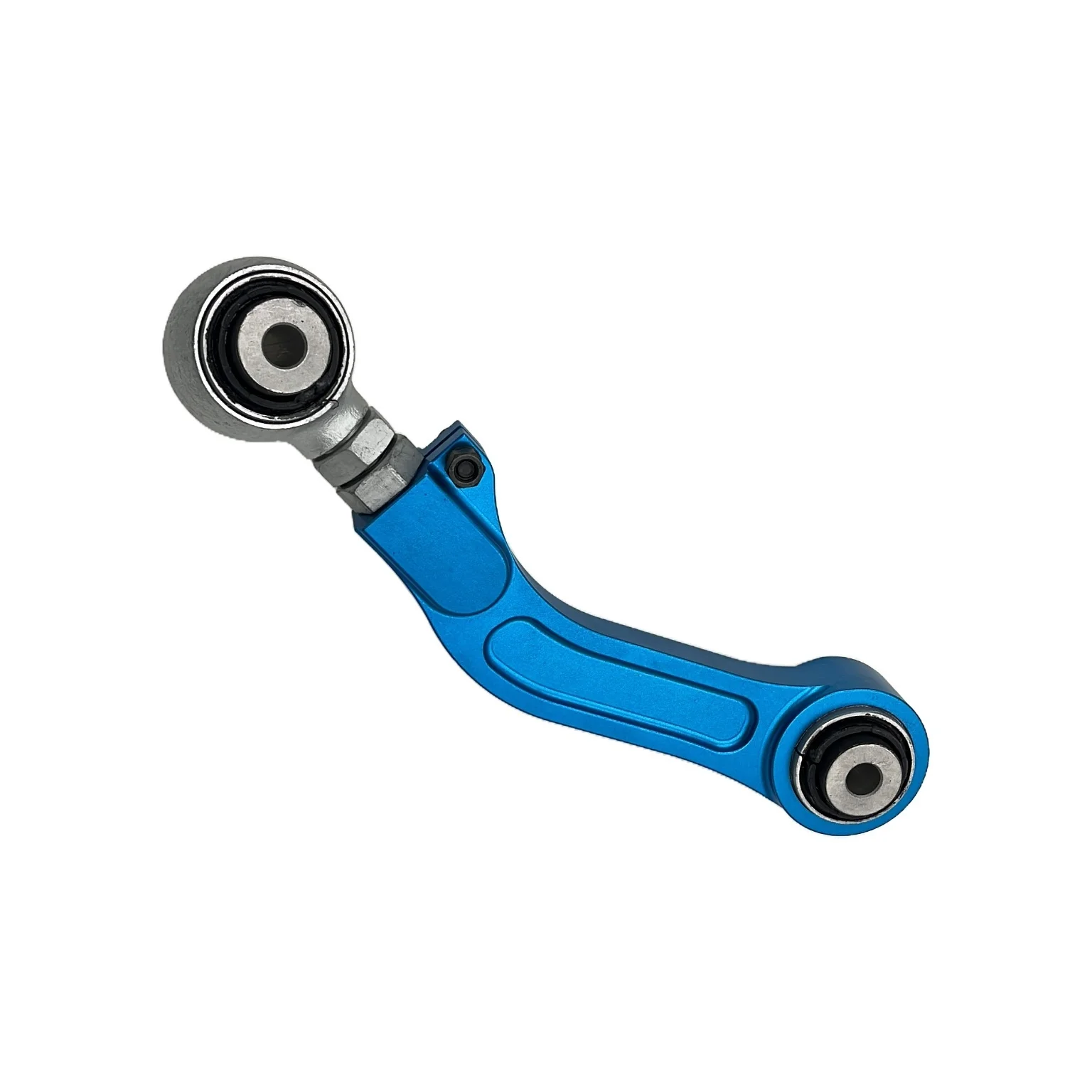
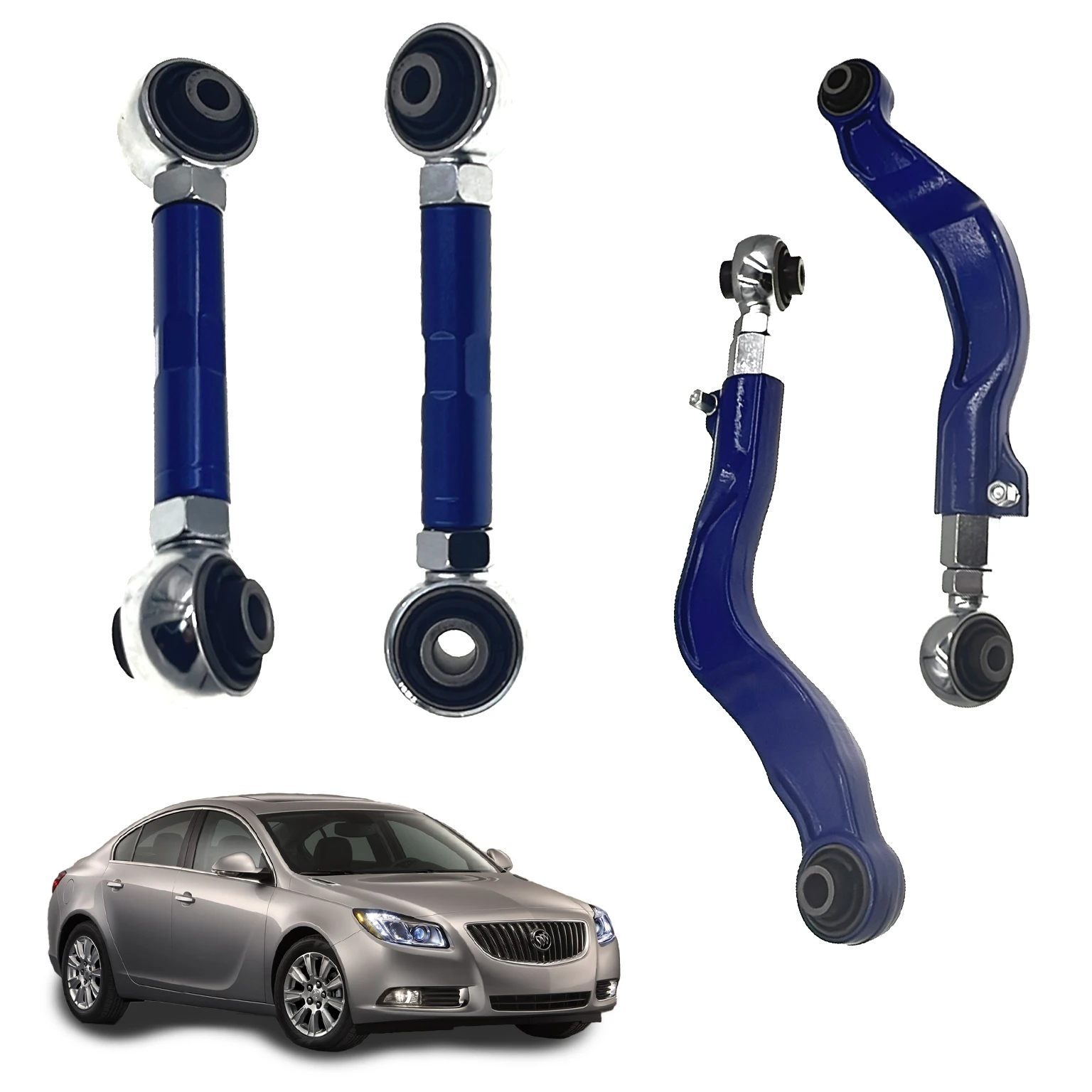
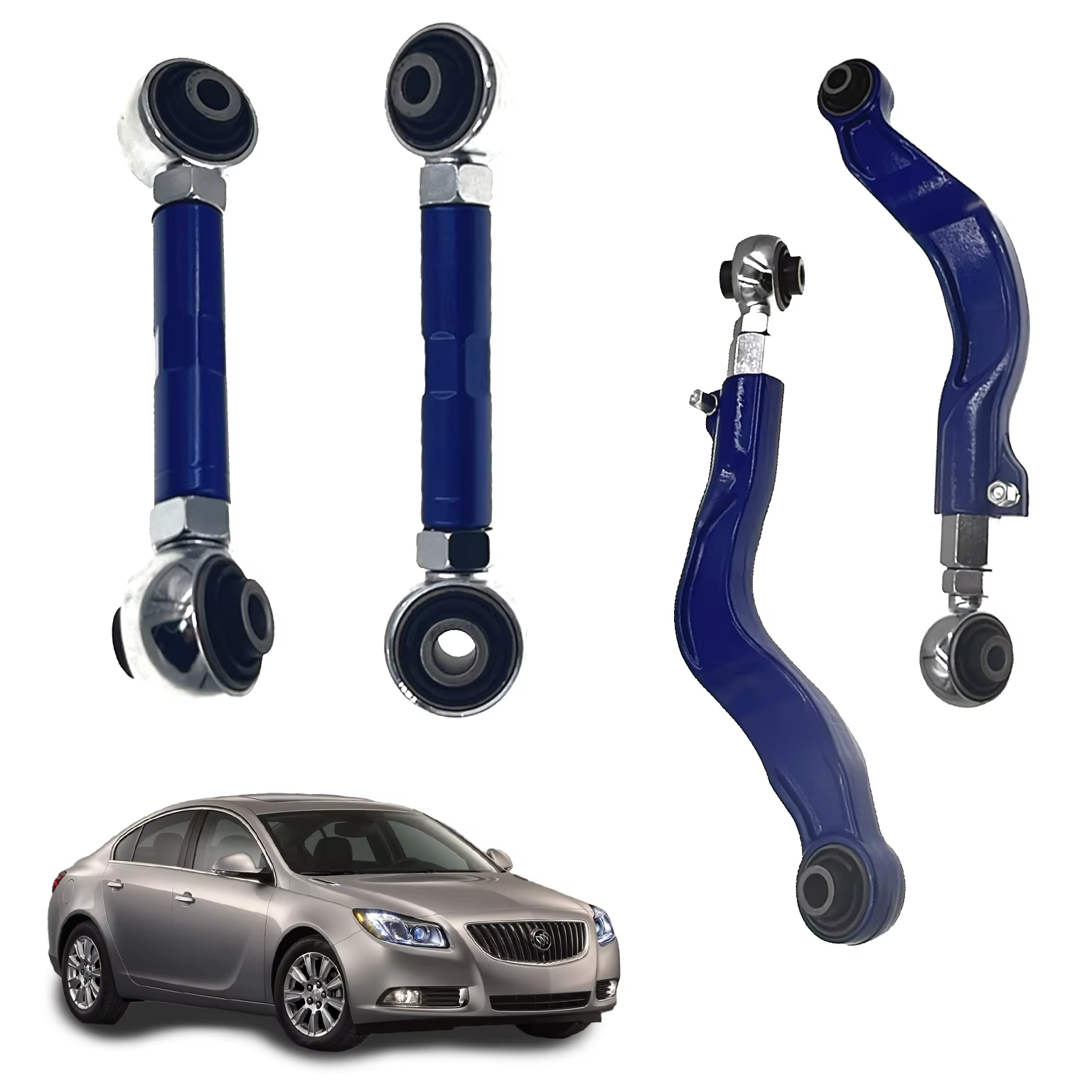
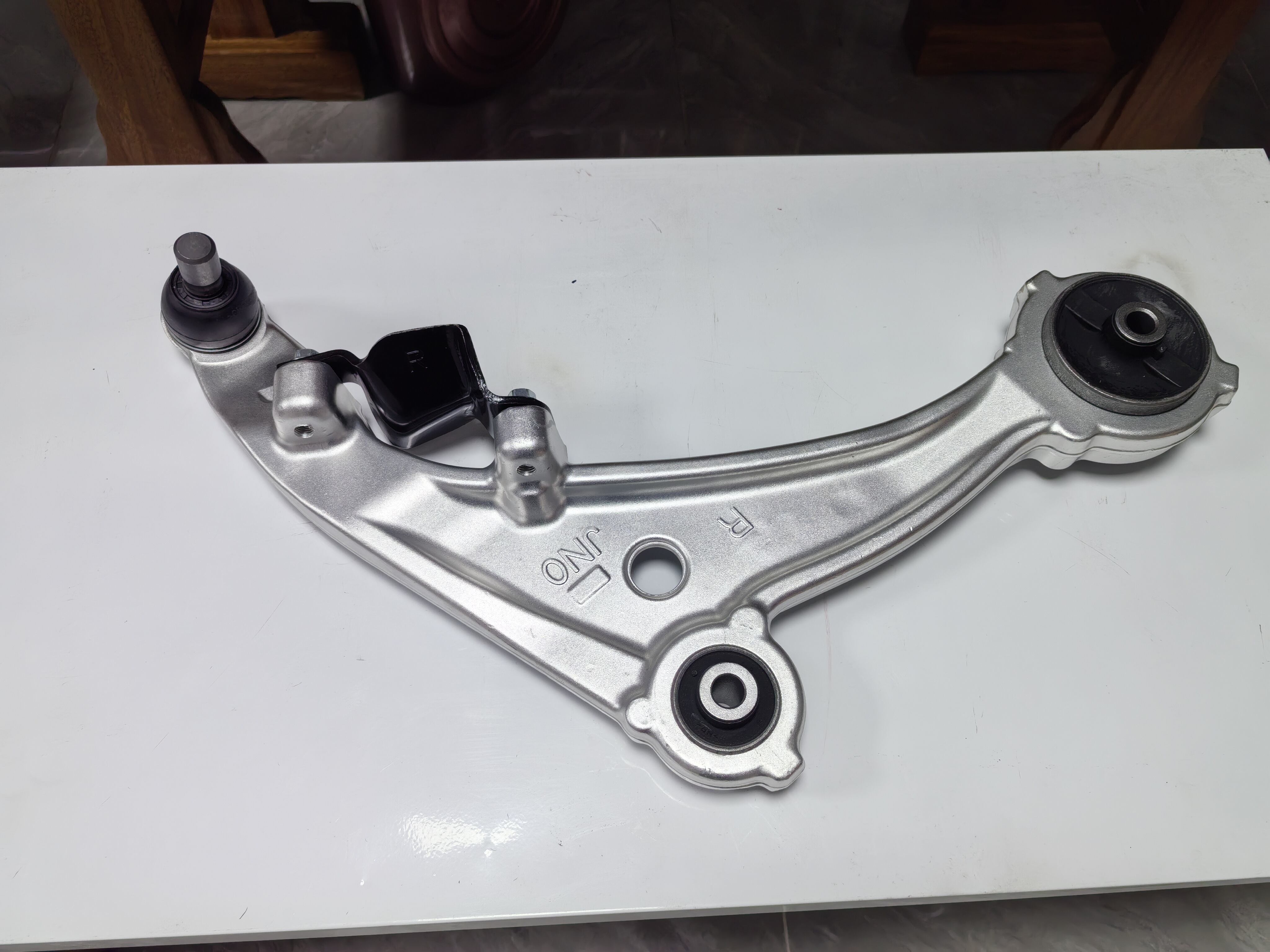
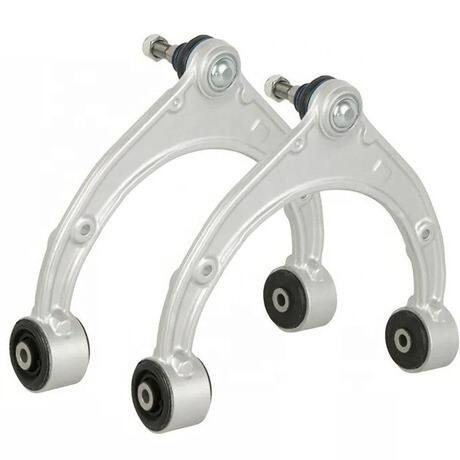
The best upper control arms incorporate sophisticated geometric designs and adjustability features that optimize suspension performance for diverse driving applications and vehicle configurations. These components utilize computer-aided design software and finite element analysis to achieve optimal arm lengths, mounting angles, and pivot point locations that maintain ideal wheel alignment throughout the suspension travel range. The precision geometry ensures proper camber curves that keep tires flat against the road surface during cornering, maximizing contact patch area and grip levels. Advanced designs feature multiple adjustment points that allow technicians to fine-tune caster, camber, and toe settings to accommodate different tire sizes, driving styles, and performance requirements. The best upper control arms often incorporate eccentric bushings or threaded adjustment mechanisms that provide precise incremental changes without requiring component replacement. These adjustability features prove invaluable for vehicles with modified ride heights, different wheel and tire combinations, or specific performance applications such as track use or off-road driving. The mounting hardware utilizes high-grade fasteners with precise torque specifications that maintain consistent clamping forces and prevent loosening under dynamic loading conditions. Quality upper control arms feature optimized pivot axis locations that minimize scrub radius and reduce steering effort while maintaining directional stability. The integration of sealed ball joints with premium bearing surfaces ensures smooth articulation without play or binding that could affect steering precision. Advanced designs incorporate compliance characteristics that provide controlled flexibility under load, improving ride quality while maintaining structural integrity. The geometric optimization extends to clearance considerations, ensuring adequate space for brake components, CV joints, and other suspension elements throughout the full range of motion. Manufacturing tolerances maintained to aerospace standards ensure consistent performance and proper fit with existing suspension components, eliminating installation issues and ensuring reliable operation.

 EN
EN