upper control arm replacement cost
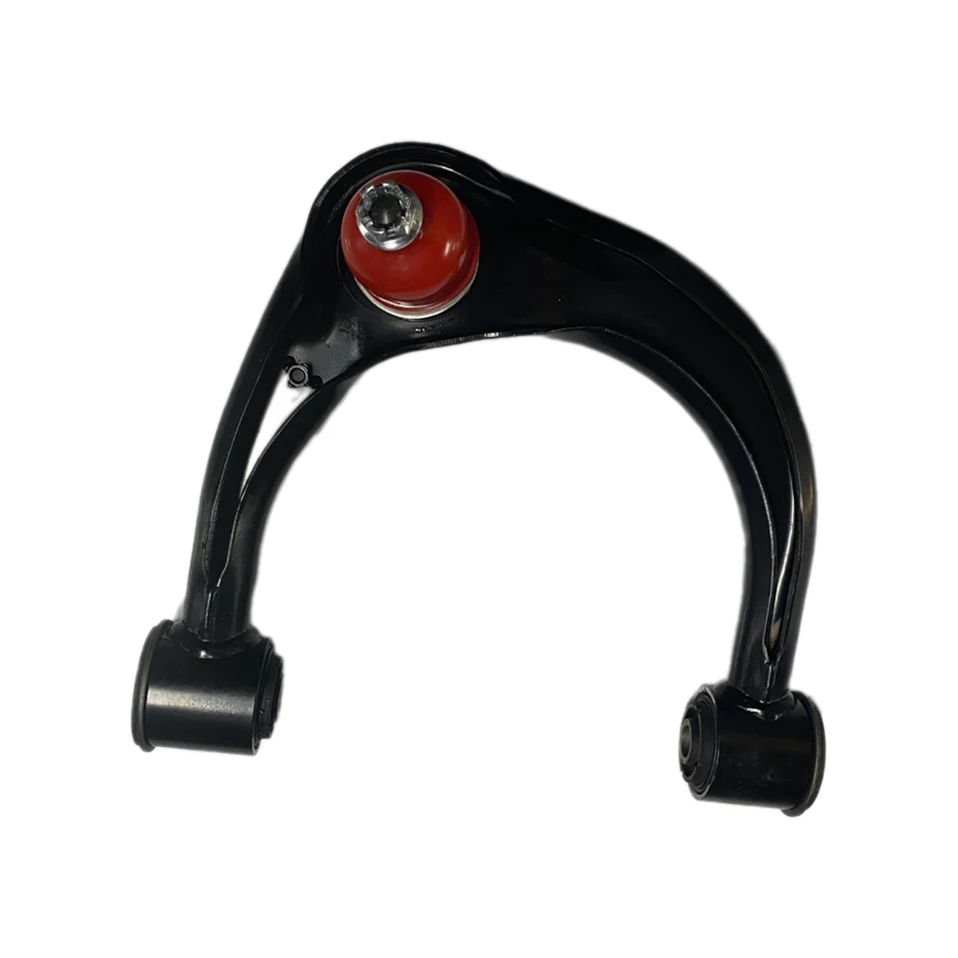
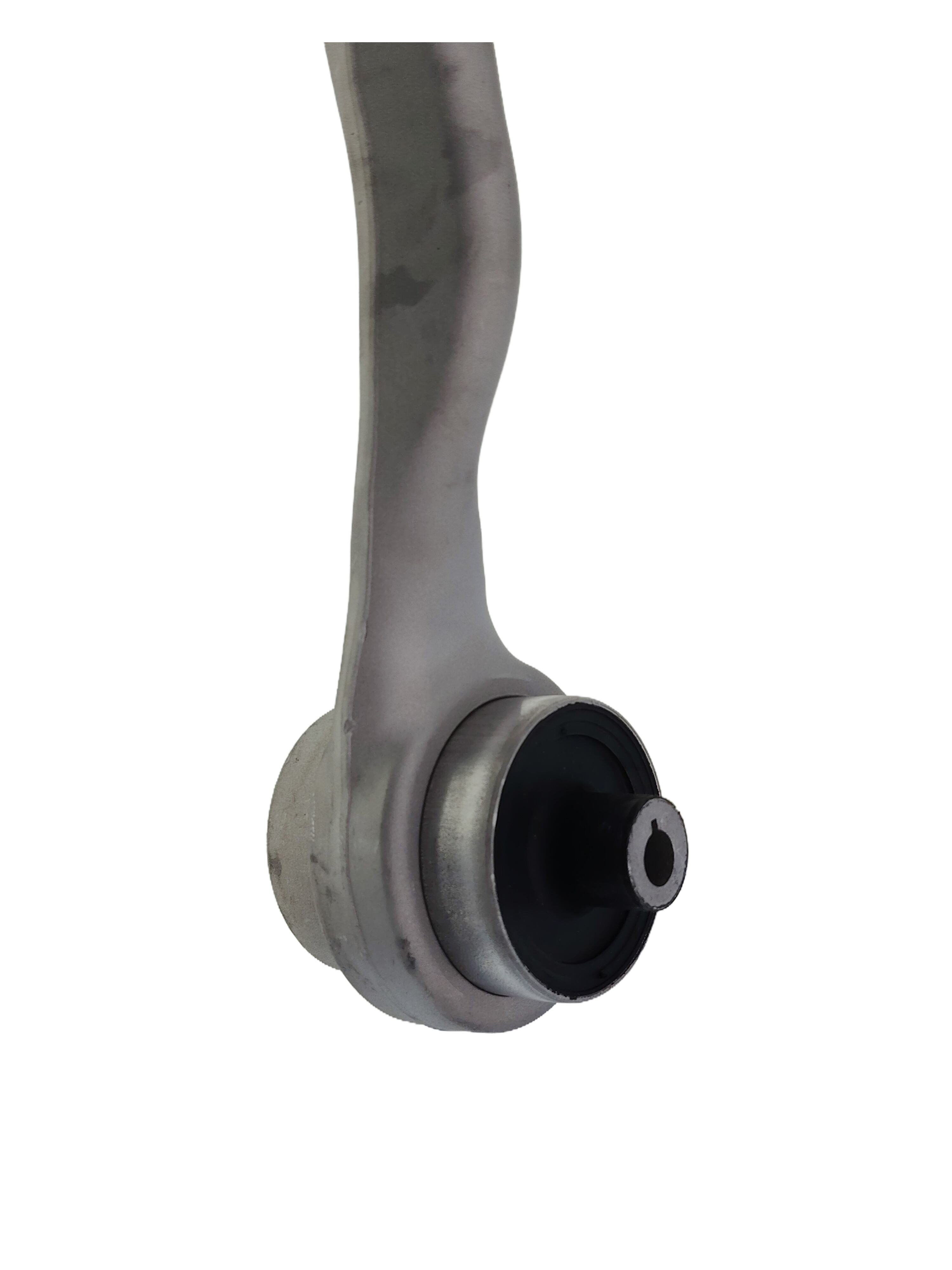
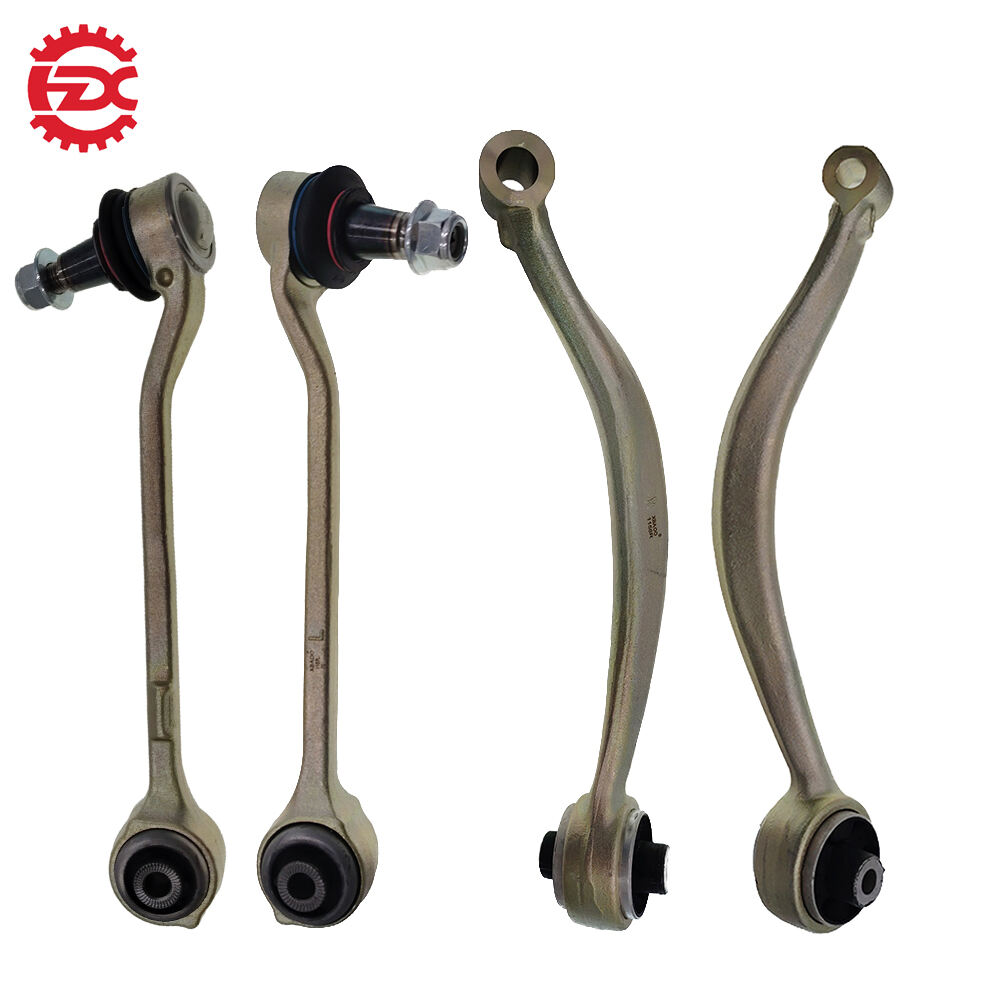
The upper control arm replacement cost represents a crucial investment in vehicle safety and performance, typically ranging from $200 to $800 depending on your vehicle make, model, and labor rates in your area. Upper control arms serve as essential suspension components that connect the vehicle's frame to the wheel assembly, enabling smooth steering control and maintaining proper wheel alignment during driving operations. These components work continuously to absorb road impacts, support vehicle weight, and ensure optimal tire contact with the road surface. When considering upper control arm replacement cost, vehicle owners must understand that these parts contain sophisticated ball joints, bushings, and mounting points engineered to withstand thousands of miles of driving stress. The technological features of modern upper control arms include advanced rubber or polyurethane bushings that reduce noise and vibration transmission, precision-machined ball joints for smooth articulation, and corrosion-resistant coatings that extend component lifespan. Applications for upper control arm replacement span across passenger cars, SUVs, and light trucks, with each vehicle requiring specific designs tailored to weight distribution and suspension geometry. The upper control arm replacement cost varies significantly based on whether you choose original equipment manufacturer parts, aftermarket alternatives, or performance-oriented upgrades. Professional installation typically adds $150 to $400 to the total upper control arm replacement cost, though this investment ensures proper torque specifications and alignment procedures. Signs indicating the need for replacement include uneven tire wear, steering wheel vibration, clunking noises during turns, and visible wear on ball joints or bushings. Regular inspection of these components helps prevent more expensive repairs while maintaining vehicle safety standards. Understanding upper control arm replacement cost factors enables informed decision-making when scheduling maintenance, ensuring optimal vehicle performance and road safety for years to come.

 EN
EN