
 EN
EN
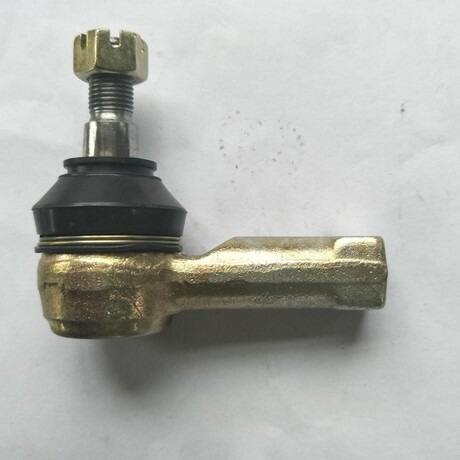
Automotive suspension systems rely heavily on critical components that ensure vehicle stability and driver safety. Among these components, the ball joint stands as one of the most essential elements connecting the control arm to the steering knuckle. Understanding proper maintenance and replacement strategies for ball joint assemblies can significantly extend their operational lifespan while preventing costly repairs down the road.
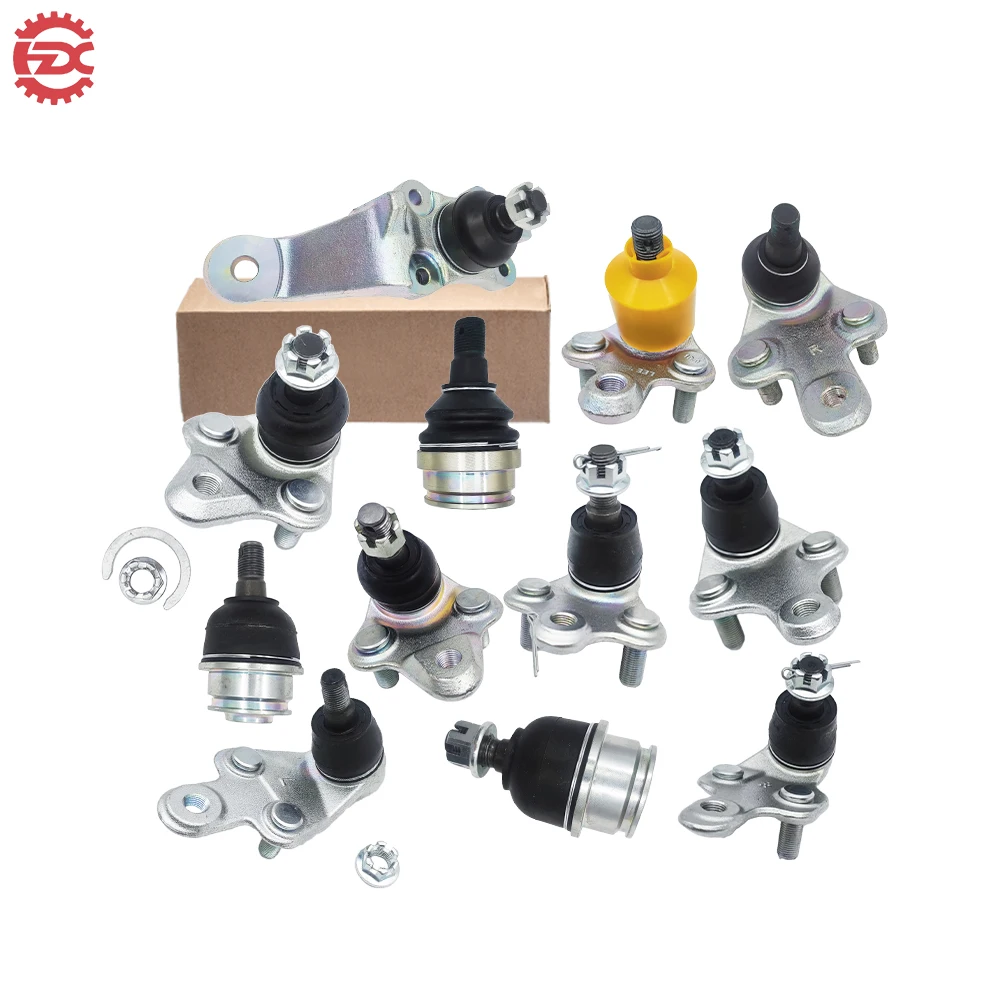
Modern vehicles depend on precision-engineered ball joint mechanisms to facilitate smooth steering response and maintain proper wheel alignment. These spherical bearings endure constant stress from road conditions, weight distribution, and steering inputs throughout their service life. Implementing comprehensive maintenance protocols can dramatically improve ball joint durability while ensuring optimal vehicle performance across various driving scenarios.
Professional automotive technicians recognize that ball joint longevity directly correlates with systematic inspection procedures and proactive replacement strategies. Vehicle owners who prioritize regular maintenance schedules often experience extended component lifecycles and reduced overall maintenance costs. Understanding the fundamental principles of ball joint operation enables informed decision-making regarding maintenance intervals and replacement timing.
Understanding Ball Joint Mechanics and Function
Core Components and Design Principles
The ball joint assembly consists of a hardened steel ball stud encased within a socket housing filled with specialized lubricant. This design allows multidirectional movement while maintaining structural integrity under substantial loading conditions. The socket housing typically features a polymer or metal bearing surface that accommodates the ball stud's rotational and pivoting motions during steering and suspension travel.
Manufacturing specifications for ball joint assemblies vary significantly based on vehicle weight, suspension geometry, and intended application. Heavy-duty ball joint designs incorporate reinforced materials and enhanced sealing systems to withstand increased stress levels. Understanding these design variations helps vehicle owners select appropriate replacement components when maintenance becomes necessary.
Modern ball joint construction often includes advanced sealing technologies that prevent contamination while retaining essential lubricants. These sealing systems represent critical failure points that require regular inspection and maintenance attention. Proper seal integrity directly influences ball joint operational lifespan and performance characteristics throughout the component's service life.
Load Distribution and Stress Analysis
Vehicle dynamics create complex loading patterns that affect ball joint wear characteristics and failure modes. Vertical loads from vehicle weight combine with lateral forces from steering inputs and suspension articulation to create multidirectional stress concentrations. Understanding these load patterns enables more effective maintenance scheduling and inspection protocols.
Dynamic loading conditions during cornering, braking, and acceleration significantly impact ball joint wear rates and component longevity. High-performance driving scenarios generate increased stress levels that accelerate normal wear patterns. Regular monitoring of these stress indicators helps identify potential issues before complete component failure occurs.
Environmental factors such as road salt exposure, temperature variations, and contamination levels further influence ball joint deterioration rates. Vehicles operating in harsh conditions require more frequent inspection intervals and potentially upgraded component specifications to maintain optimal performance standards.
Preventive Maintenance Strategies
Regular Inspection Protocols
Systematic ball joint inspection procedures should encompass both visual assessment and functional testing methodologies. Visual inspections focus on identifying obvious signs of wear, damage, or contamination around the ball joint assembly. Technicians examine boot condition, grease leakage, and mounting hardware integrity during routine maintenance intervals.
Functional testing involves assessing ball joint movement characteristics and detecting excessive play or binding conditions. Professional diagnostic equipment can measure precise movement tolerances and identify developing issues before they compromise vehicle safety. These measurements provide objective data for determining replacement timing and component specifications.
Documentation of inspection results enables trend analysis and predictive maintenance scheduling for ball joint assemblies. Historical data helps establish optimal replacement intervals based on specific vehicle usage patterns and operating conditions. This approach minimizes unexpected failures while optimizing maintenance costs over the vehicle's operational lifespan.
Lubrication Management
Proper lubrication represents a fundamental requirement for maximizing ball joint longevity and operational performance. Many modern ball joint designs feature sealed construction that eliminates traditional grease fittings in favor of lifetime lubrication systems. However, serviceable designs still require periodic lubrication according to manufacturer specifications.
Lubricant selection significantly impacts ball joint performance characteristics and component lifespan. High-quality automotive greases provide superior protection against wear, corrosion, and temperature extremes compared to standard lubricants. Understanding proper lubricant specifications ensures optimal component protection throughout the service interval.
Over-lubrication can cause seal damage and contamination issues that compromise ball joint integrity. Following manufacturer-specified lubrication quantities and intervals prevents these problems while ensuring adequate protection. Professional technicians use calibrated equipment to deliver precise lubricant volumes during maintenance procedures.
Environmental Protection and Longevity Enhancement
Contamination Prevention Methods
Environmental contamination represents one of the primary causes of premature ball joint failure in modern vehicles. Road salt, dirt, moisture, and debris infiltration accelerates wear processes and compromises lubrication effectiveness. Implementing protective measures can significantly extend component operational life while maintaining performance standards.
Boot and seal integrity monitoring provides the first line of defense against contamination-related ball joint deterioration. Regular inspection of protective boots identifies developing cracks, tears, or displacement issues before they allow contamination entry. Prompt replacement of damaged protective components prevents costly ball joint failures.
Vehicle washing and undercarriage cleaning help remove corrosive materials and contamination buildup around suspension components. Regular cleaning schedules become particularly important for vehicles operating in harsh environments or winter conditions where road salt exposure occurs frequently. Professional undercarriage cleaning services provide thorough contamination removal that extends component life.
Temperature and Climate Considerations
Temperature extremes significantly affect ball joint material properties and lubrication characteristics throughout the operational range. Cold weather conditions can cause lubricant thickening and increased component stress during initial operation. Hot weather accelerates lubricant breakdown and increases wear rates under normal operating conditions.
Climate-specific maintenance adjustments help optimize ball joint performance across varying environmental conditions. Vehicles operating in extreme climates may benefit from specialized lubricants or modified inspection intervals to account for accelerated wear patterns. Understanding these environmental influences enables more effective maintenance planning and component selection.
Seasonal maintenance scheduling addresses climate-related stress factors that affect ball joint longevity and performance. Pre-winter inspections identify potential issues before harsh weather conditions accelerate component deterioration. Spring maintenance addresses winter damage and prepares components for increased driving activity during warmer months.
Advanced Diagnostic Techniques
Technology-Enhanced Inspection Methods
Modern diagnostic technology enables precise assessment of ball joint condition and performance characteristics beyond traditional visual inspection methods. Electronic measurement systems can detect microscopic wear patterns and movement irregularities that indicate developing problems. These advanced diagnostic capabilities support predictive maintenance strategies and optimal replacement timing.
Vibration analysis equipment identifies abnormal ball joint operation through frequency signature analysis and amplitude measurements. These diagnostic tools detect early-stage wear conditions before they become apparent through conventional inspection methods. Professional technicians use this data to make informed maintenance decisions and prevent unexpected component failures.
Digital imaging systems document ball joint condition over time and provide objective evidence of wear progression. High-resolution photography and measurement software enable precise tracking of component deterioration rates. This documentation supports warranty claims and helps establish optimal replacement intervals for specific vehicle applications.
Performance Testing Protocols
Comprehensive ball joint performance testing encompasses static and dynamic evaluation procedures that assess component functionality under various loading conditions. Static testing measures play tolerance, binding resistance, and structural integrity without vehicle operation. Dynamic testing evaluates performance characteristics during actual vehicle operation and movement scenarios.
Load testing procedures apply controlled forces to ball joint assemblies while monitoring movement characteristics and failure thresholds. These tests provide objective data regarding component condition and remaining service life. Professional diagnostic equipment enables precise load application and measurement for accurate assessment results.
Road testing protocols evaluate ball joint performance under actual operating conditions and identify issues that may not appear during static testing. Professional technicians use standardized driving procedures to assess steering response, noise levels, and vibration characteristics. These real-world evaluations provide comprehensive assessment data for maintenance decision-making.
Replacement Strategies and Component Selection
Optimal Replacement Timing
Determining appropriate ball joint replacement timing requires careful analysis of wear indicators, performance characteristics, and safety considerations. Premature replacement wastes resources while delayed replacement risks safety compromise and additional component damage. Professional assessment protocols help establish optimal replacement intervals based on objective criteria rather than arbitrary mileage schedules.
Wear limit specifications provide quantitative thresholds for ball joint replacement decisions based on measurable parameters rather than subjective assessment. These specifications account for safety margins and performance requirements while optimizing component utilization. Understanding manufacturer wear limits enables informed replacement timing that balances cost considerations with safety requirements.
Progressive wear monitoring enables trend analysis and predictive replacement scheduling for ball joint assemblies. Regular measurement tracking identifies wear acceleration patterns and helps predict remaining service life. This approach supports proactive maintenance scheduling and prevents unexpected component failures during critical vehicle operation.
Quality Standards and Specifications
Component quality significantly impacts ball joint longevity and performance characteristics throughout the service interval. Premium aftermarket components often provide enhanced durability and performance compared to standard replacement parts. Understanding quality indicators helps vehicle owners make informed purchasing decisions that optimize long-term value and reliability.
Material specifications and manufacturing standards vary considerably among ball joint suppliers and product lines. High-quality components feature superior materials, precision manufacturing, and comprehensive testing protocols that ensure reliable performance. Professional technicians recommend specific brands and part numbers based on proven performance records and customer satisfaction data.
Installation procedures significantly affect ball joint performance and operational lifespan regardless of component quality. Proper torque specifications, alignment procedures, and break-in protocols ensure optimal component integration and longevity. Professional installation techniques maximize the investment in quality replacement components while preventing premature failure due to improper procedures.
FAQ
How often should ball joints be inspected for optimal longevity
Ball joint inspection frequency depends on vehicle usage patterns, operating conditions, and manufacturer recommendations. Most automotive professionals suggest comprehensive ball joint inspection every 12,000 to 15,000 miles or during routine maintenance intervals. Vehicles operating in harsh conditions may require more frequent inspection to identify potential issues before they compromise safety or performance.
What are the most common signs of ball joint wear that indicate replacement needs
Common ball joint wear indicators include excessive play in the steering system, unusual tire wear patterns, clicking or popping noises during steering input, and visual signs of boot damage or grease leakage. Vibration through the steering wheel and wandering during straight-line driving also suggest potential ball joint deterioration that requires professional evaluation and possible replacement.
Can driving habits significantly impact ball joint lifespan and performance
Driving habits dramatically influence ball joint longevity and wear characteristics throughout the component's service life. Aggressive cornering, rapid acceleration, hard braking, and rough road navigation accelerate normal wear patterns and reduce component lifespan. Smooth, controlled driving techniques help maximize ball joint longevity while maintaining optimal vehicle performance and safety standards.
What environmental factors pose the greatest threat to ball joint durability
Road salt exposure, temperature extremes, moisture infiltration, and contamination represent the primary environmental threats to ball joint durability and performance. Vehicles operating in coastal areas or regions with harsh winter conditions face accelerated corrosion and seal degradation. Regular cleaning and protective maintenance help mitigate these environmental impacts while extending component operational life.