
 EN
EN
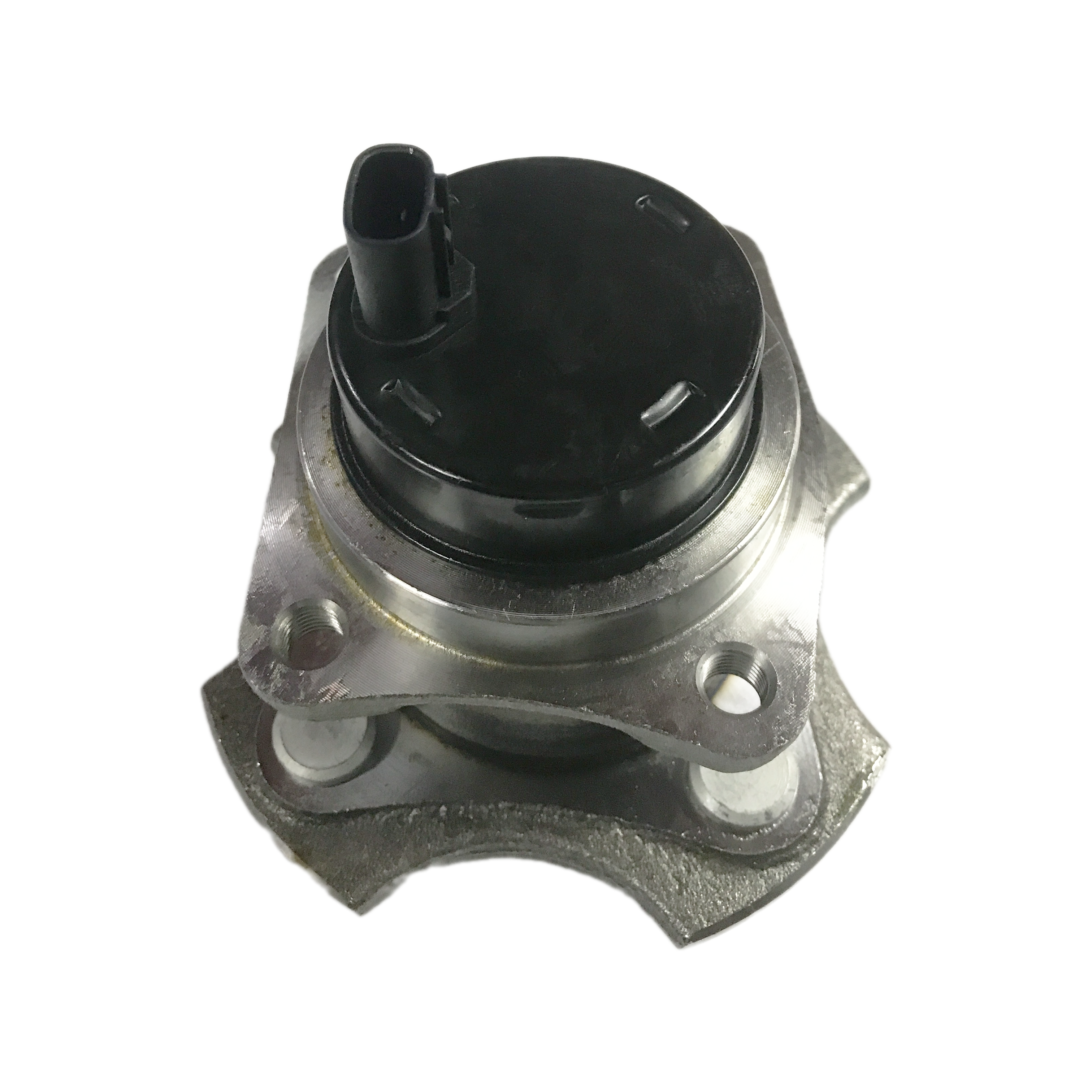
Fleet managers understand that vehicle reliability directly impacts operational costs and service quality. Among the critical components requiring systematic maintenance, the wheel hub bearing stands as a fundamental element that affects vehicle safety, fuel efficiency, and overall performance. Proper maintenance protocols for these precision-engineered assemblies can significantly extend service life while reducing unexpected downtime and costly roadside repairs.
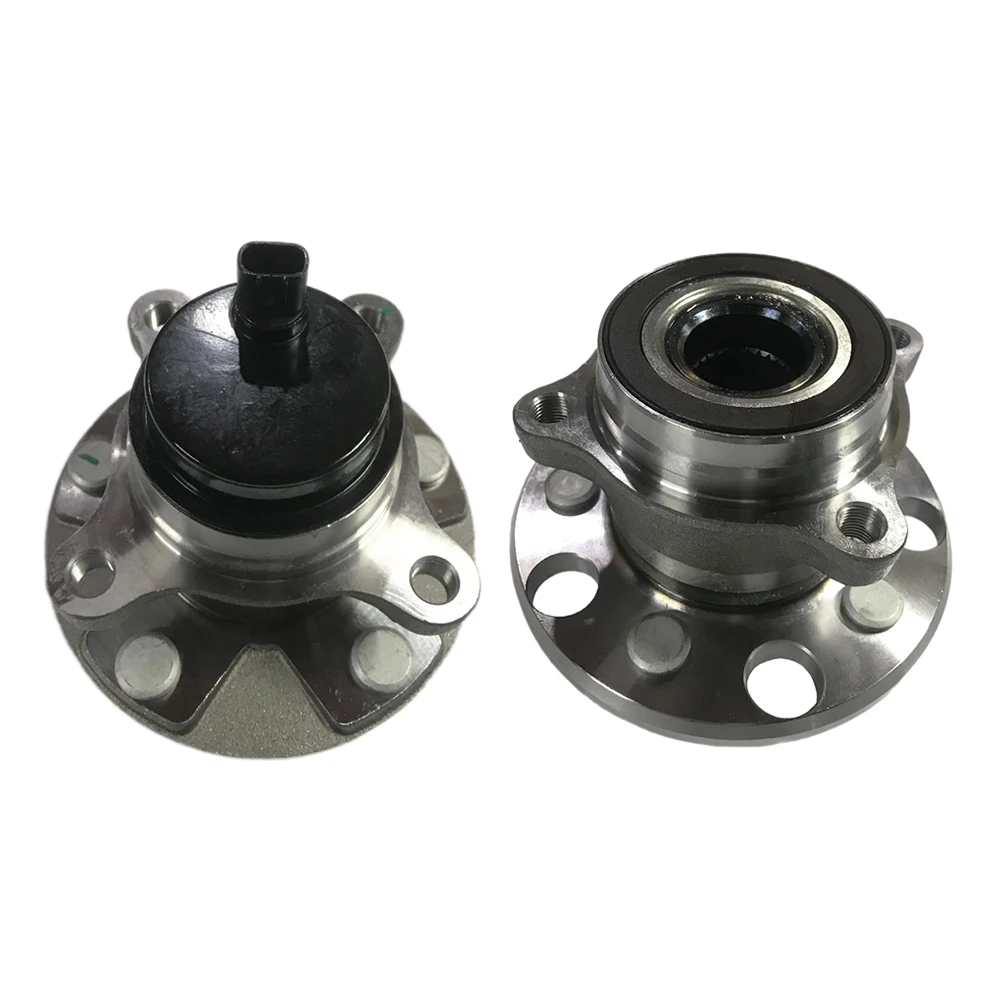
Modern commercial vehicles operate under demanding conditions that place substantial stress on bearing assemblies. Temperature fluctuations, heavy loads, extended operating hours, and varying road conditions create an environment where bearing degradation occurs gradually but inevitably. Understanding the mechanics of bearing wear and implementing proactive maintenance strategies enables fleet operators to maximize component lifespan while maintaining optimal vehicle performance standards.
The economic implications of bearing failure extend beyond simple replacement costs. When a wheel hub bearing fails during operation, the consequences include emergency repair expenses, vehicle downtime, potential cargo delays, and safety concerns that can impact fleet reputation and regulatory compliance. Preventive maintenance approaches offer substantial cost savings compared to reactive repair strategies.
Understanding Wheel Hub Bearing Function and Design
Load Distribution Mechanisms
Wheel hub bearings support the entire weight of the vehicle while enabling smooth rotational movement of the wheels. These assemblies consist of inner and outer races, rolling elements such as balls or rollers, and protective seals that prevent contaminant entry. The bearing design must accommodate both radial loads from vehicle weight and axial loads generated during cornering, braking, and acceleration.
The precision manufacturing tolerances required for proper bearing function demand careful handling during installation and maintenance procedures. Even minor damage to bearing surfaces can result in premature failure due to stress concentration and irregular load distribution patterns. Fleet maintenance teams must understand these design principles to implement appropriate service procedures.
Modern sealed bearing assemblies incorporate advanced materials and lubricants designed to operate under severe service conditions. However, these improvements do not eliminate the need for regular inspection and maintenance protocols that ensure optimal performance throughout the bearing service life.
Sealing Systems and Contamination Control
Effective sealing represents a critical aspect of bearing longevity. The sealing system prevents the ingress of water, dirt, road salt, and other contaminants that can cause premature bearing degradation. Different seal designs offer varying levels of protection depending on the specific application requirements and operating environment.
Fleet vehicles operating in harsh environments such as construction sites, mining operations, or regions with heavy winter salt application face increased contamination risks. Understanding seal limitations and implementing appropriate protective measures becomes essential for maintaining bearing efficiency under these challenging conditions.
Regular seal inspection during routine maintenance intervals allows early detection of damage or wear that could compromise bearing protection. Identifying seal deterioration before contamination occurs prevents costly bearing replacement and extends service intervals.
Implementing Predictive Maintenance Strategies
Vibration Analysis Techniques
Advanced fleet maintenance programs utilize vibration analysis to monitor bearing condition without disassembly. Specialized equipment can detect characteristic frequency patterns associated with bearing defects, enabling maintenance scheduling based on actual component condition rather than arbitrary time intervals. This approach optimizes maintenance costs while preventing unexpected failures.
Vibration monitoring requires trained technicians who understand how to interpret frequency spectra and identify developing problems. Investment in proper training and equipment yields significant returns through reduced maintenance costs and improved vehicle availability. The technology continues advancing with portable analyzers that make routine condition monitoring more practical for fleet applications.
Establishing baseline measurements for new or recently serviced bearings provides reference points for future comparisons. Trending analysis reveals gradual deterioration patterns that allow planned maintenance scheduling during convenient service windows rather than emergency situations.
Temperature Monitoring Applications
Bearing temperature provides valuable insights into component condition and lubrication effectiveness. Infrared thermography enables non-contact temperature measurement during vehicle operation, revealing heat patterns that indicate developing problems. Abnormal temperature rises often precede bearing failure by sufficient time to schedule maintenance without service interruption.
Fleet operators can implement temperature monitoring through various approaches, from handheld infrared thermometers during routine inspections to continuous monitoring systems for critical applications. The investment level depends on fleet size, vehicle utilization, and the economic impact of unexpected downtime.
Temperature trending data combined with vibration analysis provides comprehensive bearing condition assessment. This dual approach increases diagnostic accuracy and reduces the risk of premature component replacement or unexpected failure.
Lubrication Management for Extended Service Life
Grease Selection Criteria
Proper lubrication represents the most critical factor affecting bearing service life. Fleet managers must understand the relationship between grease characteristics and operating conditions to select appropriate lubricants for their specific applications. Temperature range, load capacity, water resistance, and compatibility with sealing materials all influence grease selection decisions.
High-quality bearing greases incorporate advanced base oils and additives designed to maintain performance under severe operating conditions. However, using premium lubricants incorrectly can result in poor performance compared to properly applied standard greases. Understanding application requirements enables cost-effective lubricant selection.
Fleet operations often involve vehicles operating under varied conditions, from highway transport to urban delivery routes. Selecting versatile lubricants that perform adequately across different applications simplifies inventory management while maintaining adequate protection levels.
Relubrication Procedures and Intervals
Serviceable wheel hub bearing assemblies require periodic relubrication to maintain optimal performance. However, both under-lubrication and over-lubrication can cause premature failure. Establishing proper relubrication intervals based on operating conditions, manufacturer recommendations, and bearing condition monitoring results ensures optimal service life.
Fleet maintenance personnel must understand proper greasing techniques to avoid bearing damage during service procedures. Excessive grease application can cause seal damage and churning losses, while insufficient lubrication leads to accelerated wear and heat generation. Training programs should emphasize proper procedures and quantities for different bearing types.
Documentation of relubrication activities enables tracking of service intervals and lubricant consumption patterns. This data helps optimize maintenance schedules and identify vehicles or routes that place unusual demands on wheel hub bearing assemblies.
Installation and Replacement Best Practices
Proper Handling Techniques
Wheel hub bearing installation requires careful attention to manufacturer specifications and proper handling techniques. Bearing assemblies can sustain damage from impacts, improper mounting procedures, or contamination during installation. Fleet maintenance facilities must establish procedures that protect bearing integrity throughout the replacement process.
Specialized tools designed for bearing installation help prevent damage while ensuring proper seating and alignment. Generic tools may appear adequate but can cause subtle damage that leads to premature failure. Investment in proper equipment reduces long-term costs through improved bearing service life and reduced warranty claims.
Cleanliness during installation cannot be overstated. Contamination introduced during bearing replacement can cause immediate or delayed failure depending on the type and quantity of contaminants. Establishing clean work areas and proper handling procedures protects the investment in quality components.
Torque Specifications and Assembly Procedures
Proper torque application during bearing installation affects both immediate performance and long-term reliability. Under-torquing can result in bearing movement and fretting corrosion, while over-torquing creates excessive stress that leads to premature failure. Fleet maintenance procedures must specify proper torque values and sequences for different vehicle applications.
Torque wrench calibration represents a critical aspect of quality control that many maintenance facilities overlook. Inaccurate torque application due to uncalibrated tools can negate the benefits of quality components and proper procedures. Regular calibration schedules ensure consistent results across maintenance activities.
Assembly procedures should include verification steps that confirm proper installation before returning vehicles to service. These checks help identify installation errors that could result in premature failure or safety concerns. Simple verification procedures can prevent costly callbacks and maintain fleet reliability standards.
Cost Analysis and Performance Optimization
Total Cost of Ownership Calculations
Effective fleet management requires understanding the total cost of ownership for wheel hub bearing assemblies, including initial component costs, installation labor, downtime expenses, and maintenance activities throughout the service life. This comprehensive approach enables informed decisions about component quality, maintenance intervals, and replacement strategies.
Premium bearing assemblies typically command higher initial costs but may offer superior service life and reliability under severe operating conditions. Fleet operators must analyze their specific operating requirements to determine whether premium components provide adequate return on investment compared to standard alternatives.
Tracking actual service life and failure patterns for different bearing brands and types provides valuable data for future purchasing decisions. This historical information helps identify suppliers that consistently deliver value and performance that matches fleet requirements.
Performance Benchmarking Methods
Establishing performance benchmarks enables fleet managers to evaluate the effectiveness of their maintenance programs and identify opportunities for improvement. Key metrics include service life, failure rates, maintenance costs, and downtime associated with bearing-related issues.
Comparative analysis between different vehicle models, operating routes, and maintenance approaches reveals factors that influence bearing performance. This information guides decisions about vehicle specifications, route assignments, and maintenance procedures that optimize overall fleet efficiency.
Regular performance reviews should include input from maintenance technicians, drivers, and operations personnel who interact with the equipment daily. Their observations often provide insights that purely statistical analysis might miss, leading to more effective maintenance strategies.
FAQ
How often should wheel hub bearings be inspected in commercial fleet vehicles
Commercial fleet vehicles should have wheel hub bearings inspected every 25,000 to 50,000 miles, depending on operating conditions and manufacturer recommendations. Vehicles operating in severe conditions such as frequent stop-and-go traffic, heavy loads, or harsh environments may require more frequent inspections. Regular inspection intervals help identify developing problems before they result in costly failures or safety concerns.
What are the most common signs of wheel hub bearing failure in fleet operations
Common signs of wheel hub bearing failure include unusual noise from the wheel area, particularly grinding or rumbling sounds that increase with vehicle speed, excessive wheel play or looseness when the wheel is manually moved, uneven tire wear patterns, and abnormal heat buildup in the wheel hub area. Vibrations felt through the steering wheel or vehicle body during operation can also indicate bearing problems that require immediate attention.
Can wheel hub bearing service life be extended through specific maintenance practices
Yes, wheel hub bearing service life can be significantly extended through proper maintenance practices including regular lubrication according to manufacturer specifications, maintaining proper wheel alignment and tire pressure, avoiding overloading vehicles beyond recommended limits, and implementing condition monitoring programs that detect problems early. Clean installation procedures and using quality replacement parts also contribute to extended service life.
What factors should be considered when selecting wheel hub bearing suppliers for fleet applications
Fleet managers should consider supplier reputation for quality and reliability, availability of technical support and training programs, warranty coverage and claim procedures, consistency of product availability, and total cost of ownership rather than just initial purchase price. Local parts availability and supplier ability to support emergency needs also represent important factors for maintaining fleet uptime and operational efficiency.
Table of Contents
- Understanding Wheel Hub Bearing Function and Design
- Implementing Predictive Maintenance Strategies
- Lubrication Management for Extended Service Life
- Installation and Replacement Best Practices
- Cost Analysis and Performance Optimization
-
FAQ
- How often should wheel hub bearings be inspected in commercial fleet vehicles
- What are the most common signs of wheel hub bearing failure in fleet operations
- Can wheel hub bearing service life be extended through specific maintenance practices
- What factors should be considered when selecting wheel hub bearing suppliers for fleet applications