
 EN
EN

Modern vehicle suspension systems rely on precise alignment components to deliver optimal handling, tire wear characteristics, and overall driving performance. Among these critical components, the rear toe arm plays a fundamental role in maintaining proper wheel alignment and ensuring predictable vehicle behavior. Professional mechanics and automotive enthusiasts increasingly recognize the importance of upgrading factory rear toe arm assemblies to achieve enhanced performance characteristics and improved adjustability. This comprehensive guide explores the technical aspects, installation procedures, and performance benefits associated with implementing a high-quality rear toe arm upgrade in contemporary vehicles.
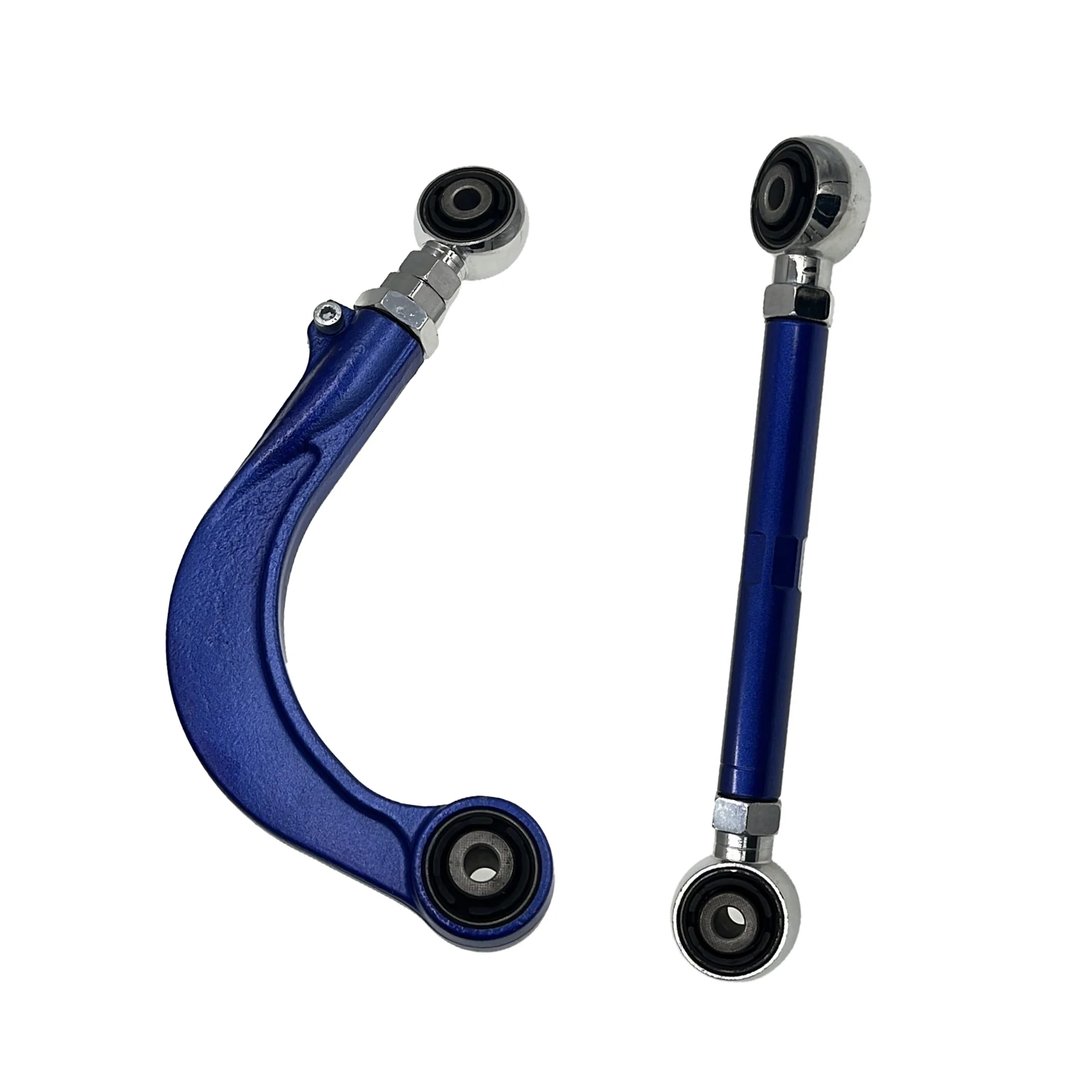
Understanding Rear Toe Arm Functionality and Design
Primary Functions of Rear Toe Arms
The rear toe arm serves multiple critical functions within the vehicle's suspension geometry. This component directly controls the toe angle of the rear wheels, which represents the inward or outward angle when viewed from above the vehicle. Proper toe angle adjustment ensures optimal tire contact patch distribution and minimizes unnecessary scrubbing during cornering maneuvers. Factory rear toe arm assemblies typically provide limited adjustment range, restricting the ability to fine-tune alignment settings for specific driving applications or compensate for worn suspension components.
Beyond basic toe angle control, the rear toe arm contributes to overall suspension compliance and wheel location accuracy. During dynamic driving conditions, forces transmitted through the suspension system can cause slight deflection in the rear toe arm assembly. High-quality aftermarket units feature enhanced rigidity and precision-engineered bushings that minimize unwanted movement while maintaining appropriate compliance characteristics. This improved control translates directly into more predictable handling behavior and enhanced driver confidence during aggressive cornering or emergency maneuvers.
Construction Materials and Engineering Considerations
Contemporary performance rear toe arm assemblies utilize advanced materials and manufacturing techniques to achieve superior strength-to-weight ratios compared to original equipment components. Forged aluminum construction offers significant weight reduction while maintaining structural integrity under high-stress conditions. Some manufacturers incorporate steel reinforcement inserts at critical stress points to further enhance durability without compromising the overall weight savings. The choice of construction materials directly impacts both performance characteristics and long-term reliability of the rear toe arm assembly.
Engineering considerations for premium rear toe arm designs include bearing selection, adjustment mechanism precision, and corrosion resistance properties. High-quality units feature sealed ball bearings or spherical bearings that provide smooth adjustment operation while resisting contamination from road debris and environmental elements. Advanced surface treatments and anodized finishes protect against corrosion in harsh operating environments, ensuring consistent performance throughout the component's service life.
Performance Benefits of Upgrading Rear Toe Arms
Enhanced Handling Precision and Stability
Installing a performance rear toe arm delivers immediate improvements in vehicle handling characteristics and overall stability. The increased adjustment range allows precise tuning of rear wheel toe angles to optimize tire contact patches for specific driving conditions or tire compounds. This enhanced adjustability proves particularly beneficial for track-focused applications where maximum grip and predictable handling behavior are paramount. Professional racing teams and serious enthusiasts rely on adjustable rear toe arm assemblies to achieve optimal suspension geometry for various track configurations and weather conditions.
The improved rigidity of aftermarket rear toe arm components reduces unwanted deflection under cornering loads, resulting in more consistent wheel alignment throughout the suspension's range of motion. This enhanced consistency translates into improved tire wear patterns and extended tire life, particularly important for high-performance applications where tire costs represent a significant operational expense. The ability to maintain precise toe settings under dynamic loads also contributes to improved braking stability and reduced tendency toward oversteer or understeer conditions.
Tire Wear Optimization and Cost Benefits
Proper rear toe arm adjustment significantly impacts tire wear patterns and overall tire longevity. Factory suspension components often lack sufficient adjustment range to compensate for normal wear in other suspension components, leading to progressive misalignment and accelerated tire wear. Performance rear toe arm assemblies provide the adjustment latitude necessary to maintain optimal alignment settings throughout the suspension system's service life. This capability proves especially valuable in vehicles with higher mileage where cumulative wear in multiple suspension components can compound alignment issues.
The economic benefits of improved tire wear characteristics extend beyond simple tire replacement costs. Properly aligned vehicles exhibit improved fuel efficiency due to reduced rolling resistance and decreased drivetrain losses associated with tire scrubbing. Additionally, maintaining optimal alignment reduces stress on other suspension components, potentially extending their service life and reducing long-term maintenance costs. Professional fleet operators and performance driving enthusiasts recognize these cumulative cost benefits as compelling reasons to invest in high-quality rear toe arm upgrades.
Installation Procedures and Technical Requirements
Pre-Installation Assessment and Preparation
Successful rear toe arm installation requires thorough assessment of existing suspension components and proper preparation of the work environment. Begin by conducting a comprehensive inspection of all related suspension elements, including control arms, bushings, ball joints, and alignment hardware. Document current alignment settings and measure existing toe angles to establish baseline measurements for post-installation comparison. This documentation proves invaluable for troubleshooting potential issues and verifying proper installation results.
Prepare the necessary tools and equipment before beginning the installation process. Essential tools include precision torque wrenches, alignment gauges, safety stands, and appropriate hand tools for component removal and installation. Ensure adequate workspace lighting and access to the vehicle's underside. Many rear toe arm installations require removal of exhaust components or other ancillary parts, so plan accordingly and obtain necessary replacement gaskets or hardware before beginning the work.
Step-by-Step Installation Process
The rear toe arm installation process typically begins with safely raising the vehicle and removing the rear wheels to access the suspension components. Support the vehicle securely on jack stands and never rely solely on hydraulic jacks for safety. Remove the existing rear toe arm assembly by disconnecting it from both the suspension knuckle and chassis mounting points. Pay careful attention to the orientation and position of washers, spacers, or alignment shims that may be present in the factory installation.
Install the new rear toe arm assembly using the manufacturer's specified torque values and procedures. Many performance units require initial adjustment to approximate the factory settings before final installation. Apply thread-locking compound to adjustment threads as specified by the manufacturer to prevent unwanted movement during vehicle operation. Verify that all hardware is properly seated and torqued to specification before proceeding to the alignment phase of the installation.
Alignment Procedures and Fine-Tuning Techniques
Professional Alignment Services Versus DIY Approaches
While basic rear toe arm adjustments can be performed using string alignment methods or simple measuring techniques, professional alignment services provide superior accuracy and comprehensive assessment of overall suspension geometry. Professional alignment equipment offers precision measurement capabilities and simultaneous adjustment of multiple parameters to achieve optimal settings. The investment in professional alignment services typically pays dividends through improved tire life and enhanced vehicle performance characteristics.
For enthusiasts who prefer DIY approaches, several aftermarket alignment tools and techniques can achieve acceptable results with careful attention to detail. String alignment methods, laser alignment systems, and digital angle gauges provide reasonable accuracy for basic toe adjustments. However, these methods require significant time investment and may not account for interactions between different alignment parameters. Consider the complexity of your specific application and your experience level when deciding between professional and DIY alignment approaches.
Performance Tuning and Application-Specific Settings
Optimal rear toe arm settings vary significantly based on intended vehicle use, tire characteristics, and driving style preferences. Street-driven vehicles typically benefit from slightly toe-in settings that promote stability at highway speeds while minimizing tire wear. Track-focused applications may utilize different settings that prioritize maximum grip and turn-in response over tire longevity. The adjustability provided by performance rear toe arm assemblies enables experimentation with different settings to determine optimal configurations for specific applications.
Document all adjustment changes and their corresponding effects on vehicle behavior to develop a comprehensive understanding of your suspension's characteristics. Many performance drivers maintain detailed logs of alignment settings, tire pressures, and handling observations to optimize their vehicle's setup for different tracks or driving conditions. This systematic approach to tuning maximizes the benefits of the rear toe arm upgrade and contributes to improved overall performance.
Maintenance and Long-Term Care Considerations
Regular Inspection and Adjustment Protocols
Performance rear toe arm assemblies require periodic inspection and maintenance to ensure continued optimal performance. Establish a regular inspection schedule that includes visual examination of adjustment mechanisms, bearing condition, and overall component integrity. Look for signs of wear, corrosion, or damage that could affect adjustment accuracy or structural integrity. Many manufacturers recommend specific inspection intervals based on vehicle usage patterns and operating conditions.
During routine maintenance intervals, verify that adjustment settings remain within specified parameters and that no unwanted movement has occurred in the rear toe arm assembly. Road impacts, temperature cycling, and normal wear can cause gradual changes in alignment settings over time. Regular monitoring and minor adjustments help maintain optimal performance and prevent accelerated wear in related components. Keep detailed maintenance records to track component performance and identify any recurring issues that may require attention.
Troubleshooting Common Issues and Solutions
Common rear toe arm issues include binding adjustment mechanisms, worn bearings, and loosened hardware. Binding adjusters often result from contamination or corrosion in the adjustment threads, requiring thorough cleaning and lubrication with appropriate compounds. Worn bearings typically manifest as play or roughness in the adjustment mechanism and may require bearing replacement or complete unit overhaul depending on the design.
Hardware loosening can occur due to insufficient initial torque, missing thread-locking compound, or excessive vibration conditions. Address loose hardware immediately to prevent damage to adjustment threads or mounting points. In severe cases, hardware loosening may indicate inadequate component design for the specific application, requiring consultation with the manufacturer or consideration of alternative solutions. Proper installation procedures and regular maintenance typically prevent most common rear toe arm issues from developing into serious problems.
FAQ
How often should rear toe arm settings be checked and adjusted
Rear toe arm settings should be inspected every 10,000 to 15,000 miles for street-driven vehicles, or more frequently for track-focused applications. Signs that adjustment may be needed include uneven tire wear, changes in handling characteristics, or following any suspension work or impact events. Professional alignment shops can quickly verify settings and make necessary adjustments to maintain optimal performance.
Can rear toe arm upgrades affect vehicle warranty coverage
Installing aftermarket rear toe arm components may impact warranty coverage for related suspension components, depending on manufacturer policies and installation quality. Consult with your dealership before installation and ensure that any modifications are performed by qualified technicians using appropriate procedures. Proper documentation of installation and maintenance can help protect against unwarranted warranty denials.
What tools are required for rear toe arm adjustment procedures
Basic rear toe arm adjustments require standard hand tools, precision measuring equipment, and proper safety equipment for vehicle lifting. Professional-grade alignment equipment provides superior accuracy, while DIY approaches can utilize string alignment methods, digital angle gauges, or laser alignment tools. Always use appropriate torque specifications and thread-locking compounds as specified by the manufacturer.
How do rear toe arm upgrades affect overall suspension performance
Rear toe arm upgrades typically improve overall suspension precision, handling consistency, and adjustability without negatively affecting other suspension characteristics. The enhanced rigidity and adjustment range can complement other suspension modifications and help optimize overall vehicle setup for specific applications. Proper installation and alignment are essential to realize the full benefits of rear toe arm upgrades.