 EN
EN
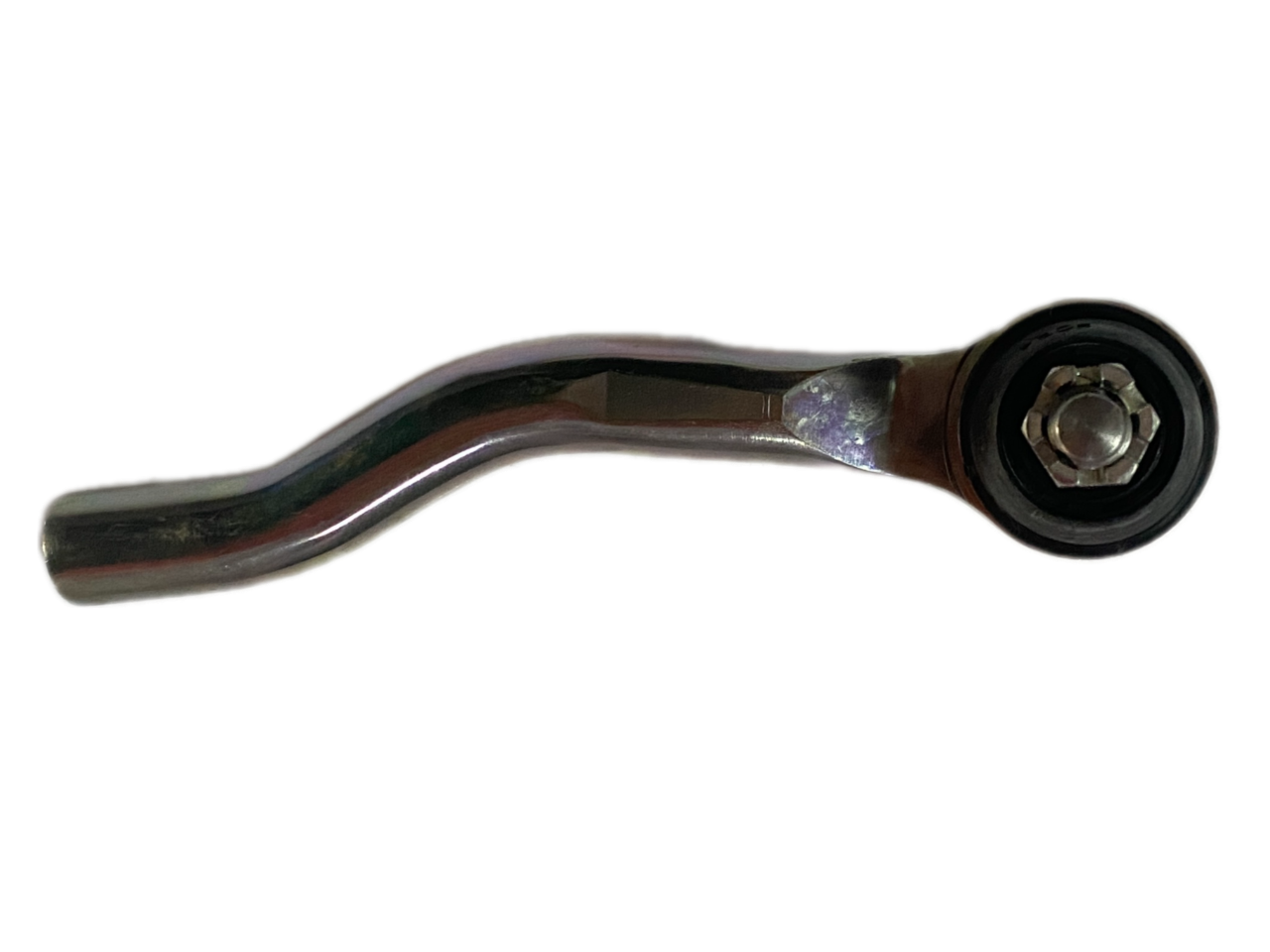
The automotive suspension system relies on various components to ensure smooth vehicle operation and handling, with the ball joint serving as one of the most critical elements in modern vehicle design. As vehicles continue to evolve and manufacturers explore new technologies, understanding the differences between traditional ball joint assemblies and their alternatives becomes increasingly important for automotive professionals, mechanics, and vehicle owners. This comprehensive analysis examines the performance characteristics, applications, and practical considerations that distinguish ball joint systems from competing suspension technologies in today's automotive market.
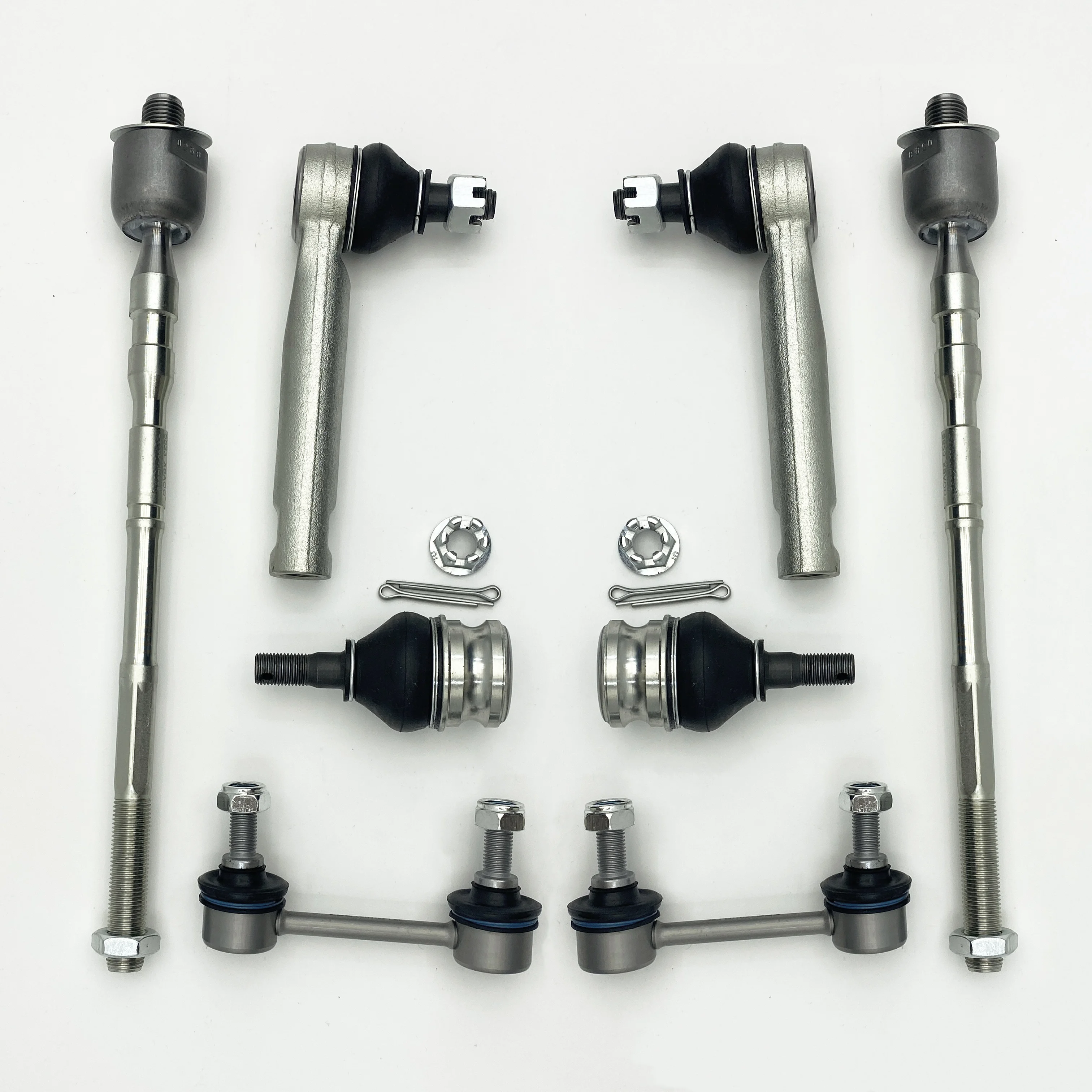
Understanding Ball Joint Technology and Design Principles
Core Construction Elements
The fundamental design of a ball joint incorporates a spherical bearing enclosed within a protective housing, allowing for multi-directional movement while maintaining structural integrity under various load conditions. This spherical bearing configuration enables the suspension system to accommodate both vertical wheel movement and steering articulation simultaneously. The housing typically consists of a metal casing with integrated mounting points, while the internal bearing utilizes specialized materials designed to withstand constant friction and environmental exposure.
Modern ball joint construction employs advanced metallurgy and precision manufacturing techniques to achieve optimal performance characteristics. The bearing surfaces often feature specialized coatings or treatments that enhance wear resistance and reduce maintenance requirements. Additionally, contemporary designs incorporate improved sealing systems that protect internal components from contamination while allowing necessary lubrication retention throughout the component's operational lifespan.
Operational Mechanics and Load Distribution
The operational principles of a ball joint system center on its ability to transfer loads between the vehicle's chassis and wheel assembly while accommodating necessary movement ranges. Under normal driving conditions, these components experience complex load patterns including vertical forces from road irregularities, lateral forces during cornering, and longitudinal forces during acceleration and braking. The spherical bearing design distributes these forces efficiently across the bearing surface, minimizing stress concentrations that could lead to premature failure.
Load distribution characteristics vary significantly based on vehicle weight, suspension geometry, and driving conditions. Heavy-duty applications require ball joint designs with enhanced load capacity and durability features, while performance-oriented vehicles may prioritize precision and responsiveness over maximum load capacity. Understanding these load distribution patterns helps engineers optimize ball joint specifications for specific vehicle applications and operating environments.
Alternative Suspension Connection Technologies
Kingpin and Axle Beam Systems
Traditional kingpin systems represent one of the earliest alternatives to modern ball joint technology, particularly prevalent in heavy-duty commercial vehicles and older automotive designs. These systems utilize a vertical pin that passes through the axle beam and steering knuckle, providing a pivot point for steering movement while supporting vehicle weight. The kingpin arrangement offers exceptional durability and simplified maintenance procedures, making it suitable for applications where longevity outweighs performance considerations.
Contemporary kingpin systems incorporate improved materials and manufacturing techniques while maintaining the fundamental design principles established decades ago. These systems typically feature replaceable bushings and wear surfaces that can be serviced without complete component replacement. However, the kingpin configuration limits suspension travel and steering precision compared to modern ball joint alternatives, restricting its application primarily to specialized commercial and industrial vehicle segments.
MacPherson Strut Integration
MacPherson strut suspension designs integrate multiple functions within a single assembly, potentially eliminating the need for separate upper ball joint components in certain configurations. This integrated approach combines shock absorption, spring support, and wheel location functions within a unified structure. The strut assembly connects directly to the steering knuckle through a lower ball joint while the upper connection utilizes a strut mount bearing that accommodates steering movement.
The MacPherson strut configuration offers packaging advantages and reduced component count compared to traditional double-wishbone systems that require both upper and lower ball joint assemblies. However, this design approach places additional stress on the remaining ball joint components and may limit suspension tuning flexibility. Modern strut designs address these limitations through advanced materials and optimized geometry, but the fundamental trade-offs between integration and specialization remain relevant considerations.
Performance Characteristics and Comparative Analysis
Durability and Maintenance Requirements
Durability characteristics vary significantly between ball joint systems and their alternatives, with each technology offering distinct advantages under specific operating conditions. Traditional ball joint assemblies typically provide excellent service life when properly maintained and operated within design parameters. The enclosed bearing design protects internal components from contamination while allowing for periodic lubrication in serviceable designs. However, sealed ball joint variants eliminate maintenance requirements at the cost of reduced service life expectations.
Alternative suspension technologies often exhibit different durability patterns based on their fundamental design approaches. Kingpin systems generally offer superior longevity in heavy-duty applications but require more frequent maintenance intervals. Integrated strut designs may reduce overall system maintenance requirements but concentrate wear patterns on remaining ball joint components. Understanding these durability characteristics helps inform maintenance scheduling and component replacement planning for various vehicle applications.
Performance and Handling Characteristics
The performance characteristics of suspension connection technologies directly influence vehicle handling, ride quality, and steering precision. Ball joint systems excel in applications requiring precise wheel control and responsive steering feedback, making them popular in passenger vehicle and performance applications. The spherical bearing design allows for optimal suspension geometry throughout the range of wheel movement, maintaining consistent tire contact patterns and predictable handling characteristics.
Alternative technologies may prioritize different performance aspects based on their intended applications. Kingpin systems sacrifice some handling precision for improved durability and simplified maintenance in commercial applications. Integrated strut designs optimize space utilization and manufacturing efficiency while potentially limiting suspension tuning capabilities. These performance trade-offs become particularly significant in applications where handling precision and ride quality represent primary design objectives.
Application-Specific Considerations and Selection Criteria
Vehicle Type and Operating Environment
Vehicle type and intended operating environment significantly influence the optimal selection between ball joint systems and alternative technologies. Passenger vehicles typically benefit from ball joint precision and responsiveness, particularly in applications requiring sharp handling and comfortable ride characteristics. The compact design and multi-directional movement capability of ball joint assemblies align well with modern passenger vehicle suspension requirements and packaging constraints.
Commercial and heavy-duty applications may favor alternative technologies based on durability and maintenance considerations. Vehicles operating in harsh environments or carrying heavy loads often benefit from the robust construction and serviceability of kingpin systems. Agricultural, construction, and industrial vehicles frequently utilize these alternative technologies to achieve extended service intervals and reduced operational complexity in demanding operating conditions.
Cost Considerations and Economic Factors
Economic factors play a crucial role in suspension technology selection, encompassing initial component costs, installation complexity, maintenance requirements, and service life expectations. Ball joint systems typically offer competitive initial costs while providing good service life in appropriate applications. The widespread availability of replacement components and standardized installation procedures help control long-term ownership costs for most passenger vehicle applications.
Alternative technologies may present different cost profiles based on their specific characteristics and applications. While kingpin systems might have higher initial costs, their extended service life and serviceability can provide economic advantages in appropriate applications. Integrated strut designs may reduce assembly costs while potentially increasing individual component replacement expenses. Comprehensive cost analysis should consider total lifecycle expenses rather than focusing solely on initial component pricing.
Future Developments and Industry Trends
Material Science Advances
Ongoing material science developments continue to enhance the performance and durability of both ball joint systems and alternative technologies. Advanced polymer compounds, composite materials, and specialized metal alloys are being integrated into suspension components to improve wear resistance, reduce weight, and extend service life. These material advances particularly benefit ball joint applications where the combination of strength, precision, and durability requirements demand sophisticated engineering solutions.
Nanotechnology applications and surface treatment innovations are creating new opportunities for suspension component enhancement. Self-lubricating bearing surfaces, corrosion-resistant coatings, and smart materials that adapt to operating conditions represent emerging technologies that may influence future suspension design approaches. These advances benefit all suspension technologies but may provide particular advantages for ball joint systems due to their precision movement requirements and enclosed bearing configurations.
Electric Vehicle Integration Considerations
The growing adoption of electric vehicles introduces new considerations for suspension component selection and design. Electric vehicle characteristics including increased weight from battery systems, different weight distribution patterns, and reduced noise levels place unique demands on suspension technologies. Ball joint systems may require modifications to accommodate these changing requirements while maintaining their fundamental performance advantages.
Electric vehicle integration also creates opportunities for advanced suspension technologies including active and semi-active systems that may influence the role of traditional mechanical components. While these electronic enhancements supplement rather than replace fundamental mechanical elements, they may influence the selection criteria between ball joint systems and alternatives based on integration complexity and system response requirements.
FAQ
What are the main advantages of ball joint systems over kingpin alternatives
Ball joint systems provide superior precision and responsiveness compared to kingpin alternatives, offering better handling characteristics and improved ride quality. The spherical bearing design allows for more compact packaging while accommodating complex suspension geometries that optimize wheel control throughout the range of movement. Additionally, modern ball joint designs often require less frequent maintenance than traditional kingpin systems while providing more predictable wear patterns.
How do integrated strut designs affect ball joint requirements
Integrated strut designs typically eliminate upper ball joint requirements while placing additional demands on lower ball joint components. This configuration reduces overall component count and simplifies assembly processes but may increase stress concentrations on remaining ball joint elements. The integrated approach requires careful consideration of load distribution and may limit suspension tuning flexibility compared to systems utilizing separate upper and lower ball joint assemblies.
What factors should be considered when choosing between suspension technologies
Key selection factors include vehicle application requirements, operating environment conditions, maintenance capabilities, and cost considerations throughout the component lifecycle. Performance requirements such as handling precision, ride quality, and load capacity significantly influence technology selection. Additionally, factors including component availability, installation complexity, and expected service life should be evaluated based on specific application needs and operational constraints.
How do material advances affect future suspension component development
Material science advances are creating opportunities for enhanced performance and durability across all suspension technologies. Advanced polymers, composite materials, and specialized coatings are improving wear resistance while reducing component weight. These developments particularly benefit precision applications where ball joint systems excel, while also enabling improvements in alternative technologies. Future developments may blur traditional distinctions between different suspension approaches through innovative material applications and design integration.