
 EN
EN
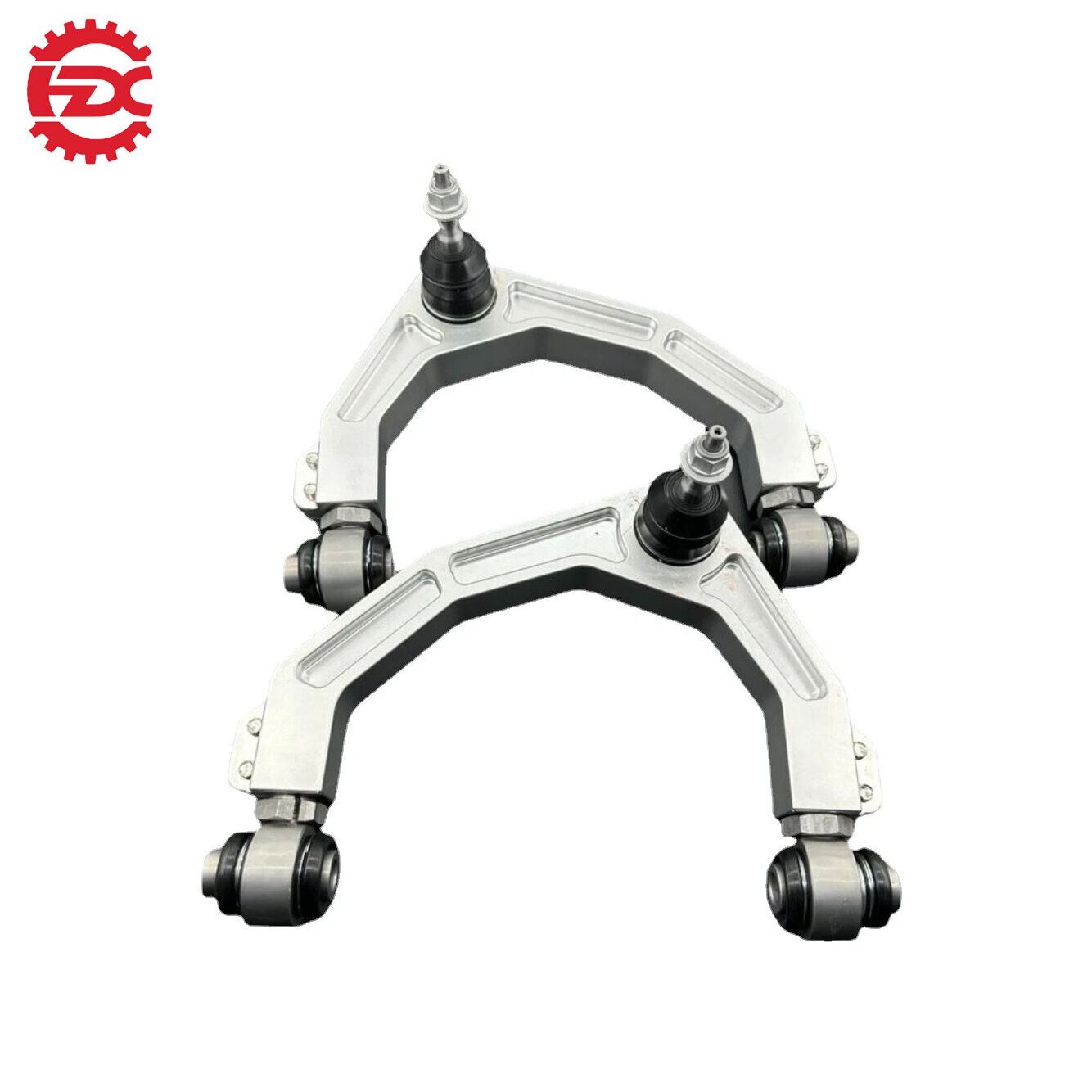
The integrity of wheel hub bearings plays a crucial role in vehicle safety, directly impacting steering precision, braking effectiveness, and overall driving stability. When wheel hub bearings deteriorate or fail, they can compromise the entire suspension system's performance, creating dangerous conditions for drivers and passengers. Understanding how these components interact with other suspension elements, including adjustable control arms, helps maintain optimal vehicle safety and performance standards.
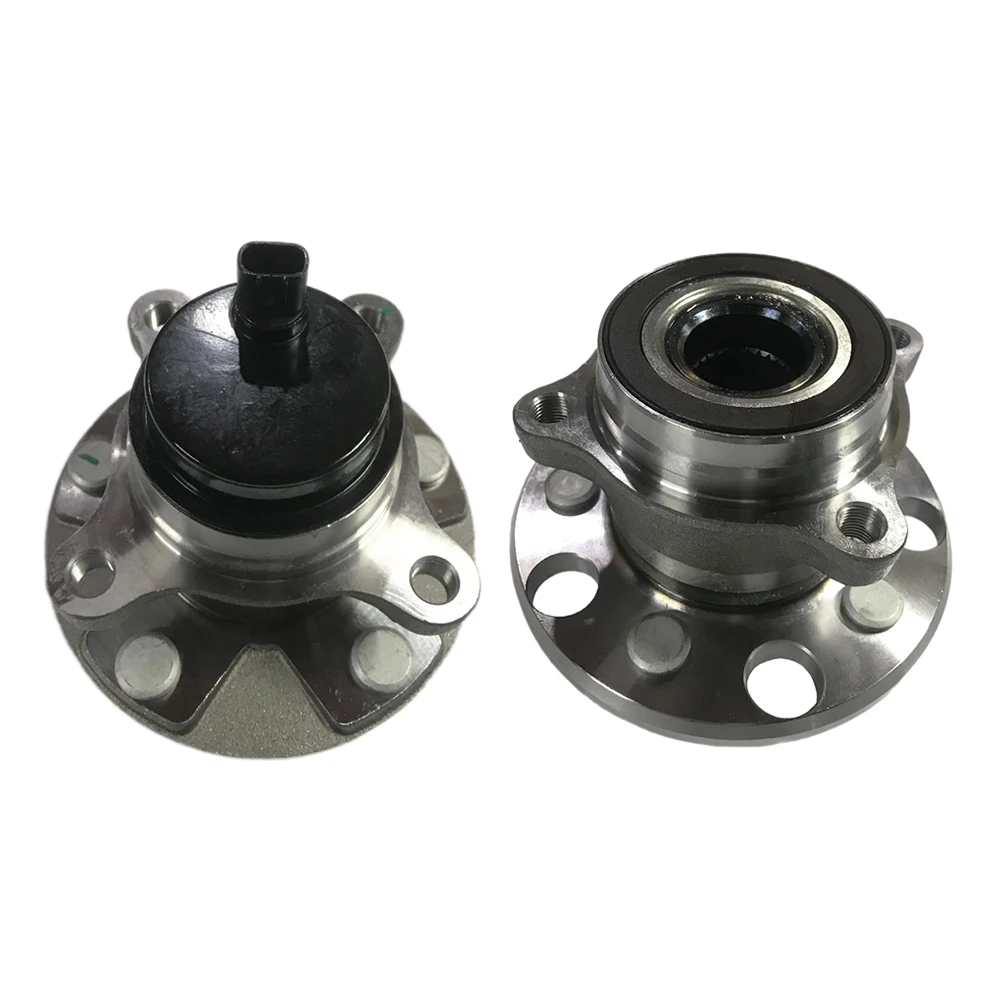
Understanding Wheel Hub Bearing Fundamentals
Core Components and Design
Wheel hub bearings consist of inner and outer races with steel balls or rollers positioned between them, enabling smooth rotational movement while supporting substantial loads. These precision-engineered components must withstand radial forces from the vehicle's weight and lateral forces during cornering maneuvers. The bearing assembly integrates with the hub, creating a sealed unit that protects internal components from contaminants while maintaining proper lubrication.
Modern wheel hub bearings incorporate advanced sealing systems and pre-loaded configurations that eliminate the need for periodic adjustment. The sealed design prevents moisture, dirt, and debris from entering the bearing cavity, significantly extending service life compared to older serviceable designs. High-quality materials and precise manufacturing tolerances ensure consistent performance under varying load conditions and temperature extremes.
Load Distribution and Stress Management
Effective load distribution through wheel hub bearings requires proper alignment of all suspension components, including the interaction with adjustable control arms that maintain wheel positioning. When bearings operate within design parameters, they efficiently transfer forces from the wheel assembly to the suspension system without generating excessive heat or wear. This balanced load distribution prevents premature failure and maintains predictable handling characteristics.
The bearing's ability to manage stress depends on maintaining proper preload and ensuring adequate lubrication throughout its service life. Excessive preload creates unnecessary friction and heat buildup, while insufficient preload allows damaging play that accelerates wear patterns. Professional installation and quality replacement parts ensure optimal stress management and extended component longevity.
Safety Implications of Bearing Deterioration
Steering and Handling Degradation
Deteriorating wheel hub bearings progressively compromise steering precision and vehicle stability, creating potentially dangerous driving conditions. As internal clearances increase due to wear, the wheel assembly develops excessive play that translates into steering wheel vibration and reduced responsiveness. This degradation becomes particularly hazardous during emergency maneuvers when precise control is essential for avoiding accidents.
The relationship between wheel hub bearings and suspension geometry becomes critical when considering how worn bearings affect alignment angles and tire contact patches. Poor bearing condition can alter camber and toe settings, leading to uneven tire wear patterns and reduced traction during braking or cornering. These changes compound over time, creating cumulative effects that significantly impact vehicle safety margins.
Braking System Performance Impact
Wheel hub bearing integrity directly influences braking system effectiveness through its impact on rotor stability and caliper alignment. Excessive bearing play allows the brake rotor to move laterally during braking events, creating uneven pad contact and reduced stopping power. This condition becomes especially dangerous during high-stress braking situations where maximum performance is required.
The connection between bearing condition and brake pedal feel becomes apparent as worn bearings create inconsistent feedback through the brake system. Drivers may experience pedal pulsation, longer stopping distances, and unpredictable brake response that compromises their ability to maintain control during critical situations. Regular bearing inspection and timely replacement prevent these safety-related issues from developing.
Diagnostic Indicators and Warning Signs
Audible and Tactile Symptoms
Early detection of wheel hub bearing problems relies on recognizing characteristic sounds and vibrations that indicate developing issues. A distinctive humming or grinding noise that increases with vehicle speed typically signals bearing wear, with the sound often becoming more pronounced during turns when lateral forces stress the compromised components. These audible warnings provide valuable diagnostic information before visual inspection or mechanical testing.
Tactile feedback through the steering wheel and vehicle body offers additional diagnostic clues about bearing condition and its relationship to other suspension components. Vibrations felt through the steering wheel during highway driving often indicate front wheel bearing issues, while rear bearing problems typically manifest as general vehicle vibration or handling instability. Professional mechanics can correlate these symptoms with specific bearing locations for targeted diagnosis.
Visual Inspection Techniques
Comprehensive visual inspection reveals bearing-related problems through examination of associated components and wear patterns. Uneven tire wear, particularly on the inner or outer edges, may indicate bearing-related alignment issues that affect wheel positioning relative to adjustable control arms and other suspension elements. Oil or grease residue around the bearing area suggests seal failure and internal contamination.
Physical inspection for wheel play requires lifting the vehicle and checking for excessive movement in multiple directions. Technicians grasp the wheel at opposing points and attempt to rock it while monitoring for any detectable play that exceeds manufacturer specifications. This hands-on assessment provides definitive evidence of bearing wear and helps determine replacement urgency based on safety considerations.
Maintenance Strategies and Best Practices
Preventive Maintenance Protocols
Implementing systematic preventive maintenance protocols significantly extends wheel hub bearing service life while maintaining safety standards. Regular inspection schedules based on mileage intervals or time periods allow early detection of developing problems before they compromise vehicle safety. These protocols should include visual inspections, audible assessments during test drives, and periodic measurement of bearing play using appropriate tools.
Environmental factors influence maintenance frequency, with vehicles operated in harsh conditions requiring more frequent inspections and potential earlier replacement. Salt exposure, excessive moisture, and contaminated driving environments accelerate bearing deterioration and seal failure. Adjusting maintenance schedules based on operating conditions helps prevent unexpected failures and maintains optimal safety margins.
Quality Parts Selection and Installation
Selecting appropriate replacement bearings requires understanding load specifications, operating conditions, and compatibility with existing suspension components including adjustable control arms and steering systems. Original equipment manufacturer specifications provide baseline requirements, while aftermarket alternatives may offer enhanced features or improved durability for specific applications. Quality considerations should prioritize safety and reliability over cost savings.
Professional installation ensures proper bearing preload, seal integrity, and integration with surrounding components. Specialized tools and torque specifications prevent installation-related problems that could compromise safety or reduce component life. Post-installation verification includes checking for proper wheel alignment, absence of noise or vibration, and confirmation that all safety systems function correctly.
Integration with Suspension Systems
Component Interaction Dynamics
Wheel hub bearings function as integral components within complex suspension systems where their condition affects multiple interconnected elements. The relationship between bearings and adjustable control arms becomes particularly important during alignment procedures and handling optimization. Proper bearing condition ensures that suspension geometry remains stable and predictable across varying load and driving conditions.
Understanding force transmission paths through the suspension system helps identify how bearing problems cascade into other component failures. Excessive bearing play can overload control arm bushings, ball joints, and steering components, creating a domino effect of deteriorating performance and increasing safety risks. Addressing bearing issues promptly prevents this progressive deterioration and maintains system integrity.
Performance Optimization Considerations
Optimizing suspension performance requires coordinating bearing specifications with other system modifications or upgrades. When installing performance-oriented adjustable control arms or upgraded suspension components, bearing selection should complement these modifications to ensure compatibility and maximize safety benefits. Enhanced suspension systems may impose different load patterns that require correspondingly robust bearing specifications.
Balancing performance enhancements with safety requirements involves understanding how modifications affect bearing loads and service life. Lowered ride heights, stiffer springs, or altered suspension geometry can change bearing stress patterns and accelerate wear if not properly considered during component selection. Professional consultation helps ensure that performance modifications maintain appropriate safety margins.
FAQ
How often should wheel hub bearings be inspected for safety
Wheel hub bearings should be inspected every 12,000 to 15,000 miles or annually, whichever comes first, as part of regular vehicle maintenance. However, vehicles operating in severe conditions such as frequent towing, extreme temperatures, or salt exposure may require more frequent inspections every 6,000 to 8,000 miles. Professional mechanics can detect early warning signs through visual inspection and physical testing before safety becomes compromised.
What are the most dangerous symptoms of failing wheel hub bearings
The most dangerous symptoms include sudden steering wheel vibration at highway speeds, grinding noises during turns, and noticeable wheel wobble when braking. These symptoms indicate advanced bearing deterioration that can lead to wheel separation or complete loss of vehicle control. Any combination of these symptoms requires immediate professional inspection and likely bearing replacement to prevent catastrophic failure.
Can worn wheel hub bearings affect other suspension components
Yes, worn wheel hub bearings create excessive play that overloads adjacent suspension components including adjustable control arms, ball joints, and steering linkages. This additional stress accelerates wear in these components and can lead to premature failure of multiple suspension elements. Replacing worn bearings promptly prevents this cascade effect and protects the investment in other suspension components.
How do environmental conditions impact wheel hub bearing safety
Environmental conditions significantly impact bearing safety through accelerated wear from salt corrosion, moisture infiltration, and contamination from road debris. Cold temperatures can affect lubrication viscosity while extreme heat increases wear rates and seal deterioration. Vehicles in harsh environments require more frequent inspections and may need premium bearing specifications designed for severe service conditions to maintain safety standards.