
 EN
EN
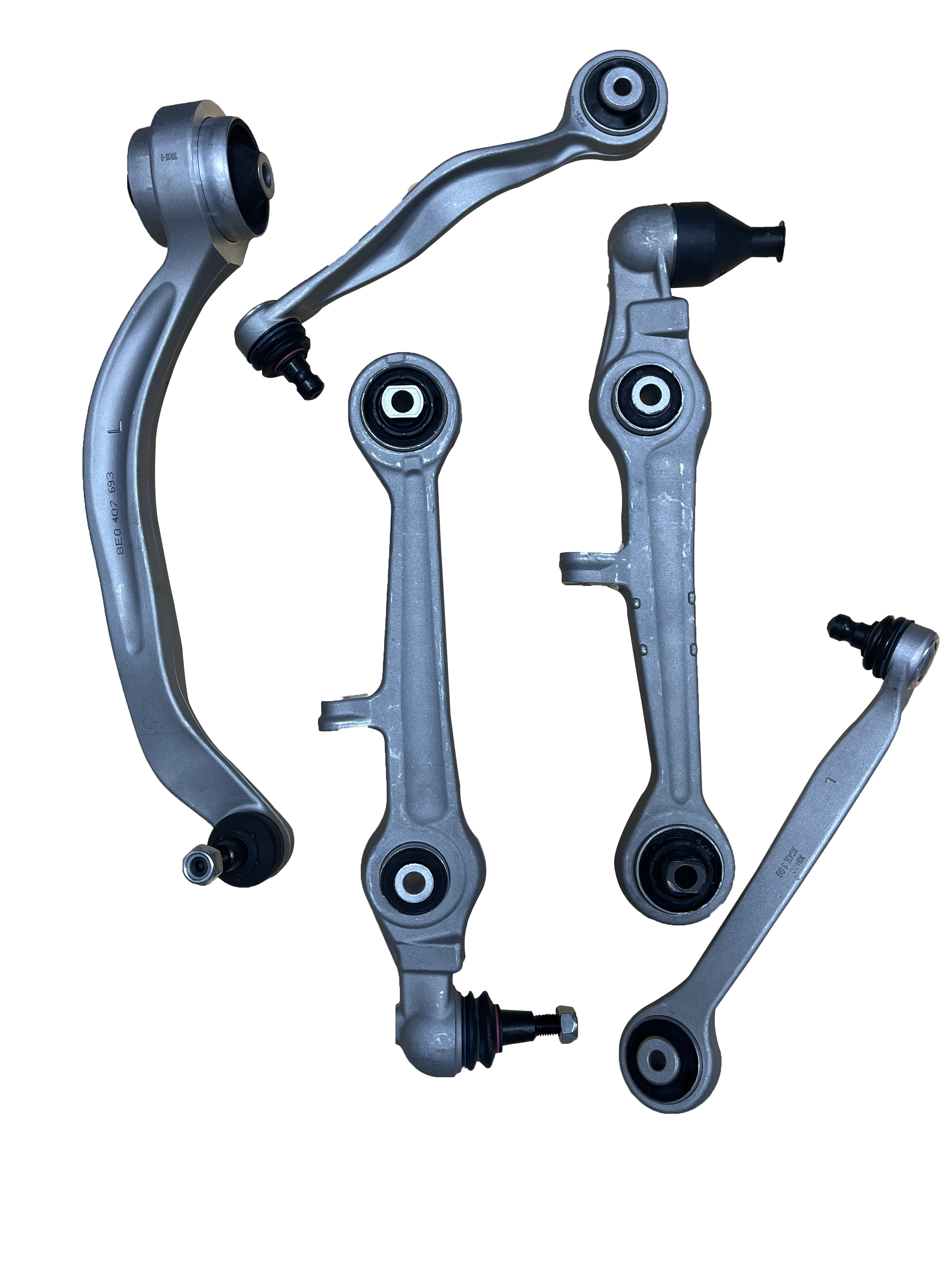
Fleet managers across industries face critical decisions when it comes to maintaining their vehicles' performance and safety standards. Among the most crucial components requiring attention are wheel hub bearings, which play an essential role in vehicle operation and driver safety. Understanding when and how to implement wheel hub bearing replacement strategies can significantly impact your fleet's operational efficiency, maintenance costs, and overall reliability. The decision to replace these components requires careful consideration of multiple factors including vehicle age, mileage, operational conditions, and long-term cost implications.

Modern fleet operations demand precise maintenance scheduling to minimize downtime and maximize vehicle availability. Wheel hub bearings are subjected to tremendous stress during daily operations, supporting the entire weight of the vehicle while enabling smooth wheel rotation. These components endure constant friction, heat generation, and environmental exposure that gradually degrades their performance over time. Fleet managers must develop comprehensive understanding of bearing lifecycle patterns to make informed replacement decisions that align with their operational requirements and budget constraints.
Understanding Wheel Hub Bearing Functionality
Core Components and Design Principles
Wheel hub bearings consist of precisely engineered steel balls or rollers contained within inner and outer races, sealed to protect against contamination and retain lubrication. The bearing assembly allows the wheel to rotate freely while supporting radial and axial loads generated during vehicle operation. Modern designs incorporate advanced materials and manufacturing techniques to enhance durability, reduce friction, and extend service life under demanding operating conditions.
The hub assembly integrates seamlessly with the vehicle's suspension system, brake components, and steering mechanisms to ensure optimal performance and safety. High-quality bearings feature enhanced sealing systems that prevent moisture and debris infiltration while maintaining proper lubrication throughout their service life. Understanding these fundamental design principles helps fleet managers appreciate the critical importance of timely maintenance and replacement protocols.
Load Distribution and Stress Factors
Fleet vehicles experience varying load conditions that directly impact wheel hub bearing performance and longevity. Commercial vehicles carrying heavy cargo, delivery trucks navigating urban environments, and service vehicles operating in harsh conditions all subject their bearings to different stress patterns. The bearing assembly must accommodate not only the static weight of the vehicle but also dynamic forces generated during acceleration, braking, cornering, and road surface irregularities.
Environmental factors such as temperature extremes, moisture exposure, road salt, and debris contamination accelerate bearing wear and deterioration. Fleet operators in challenging climates or operating conditions should anticipate more frequent wheel hub bearing replacement intervals compared to vehicles operating under ideal conditions. Proper load management and adherence to manufacturer specifications help optimize bearing performance and extend service intervals.
Identifying Replacement Indicators
Performance Degradation Symptoms
Experienced fleet maintenance personnel recognize early warning signs that indicate impending bearing failure and the need for replacement. Unusual noise emanating from the wheel area, particularly grinding, humming, or clicking sounds that increase with vehicle speed, often signals bearing deterioration. Vibrations felt through the steering wheel or vehicle structure may indicate bearing wear that compromises smooth operation and driver comfort.
Irregular tire wear patterns can result from compromised wheel hub bearings that allow excessive play or misalignment in the wheel assembly. Fleet managers should establish regular inspection protocols to identify these symptoms before they progress to complete failure, which could result in dangerous driving conditions and costly emergency repairs. Early detection enables planned maintenance scheduling that minimizes operational disruption.
Diagnostic Testing Procedures
Professional diagnostic procedures provide objective assessment of bearing condition and remaining service life. Technicians use specialized tools to measure bearing play, check for roughness during rotation, and assess overall assembly integrity. Temperature monitoring during operation can reveal excessive heat generation that indicates internal bearing damage or inadequate lubrication.
Advanced diagnostic equipment enables precise measurement of bearing tolerances and identification of wear patterns that may not be apparent during visual inspection. Fleet maintenance facilities equipped with proper diagnostic capabilities can establish data-driven replacement schedules that optimize component utilization while maintaining safety standards. Regular diagnostic testing helps predict failure timing and plan replacement activities during scheduled maintenance windows.
Cost-Benefit Analysis for Fleet Operations
Direct Replacement Costs
Fleet managers must evaluate the direct costs associated with wheel hub bearing replacement including parts procurement, labor expenses, and vehicle downtime. High-quality replacement bearings represent a significant investment, but their extended service life and reliable performance often justify the initial expense. Bulk purchasing agreements with trusted suppliers can reduce per-unit costs for large fleet operations while ensuring consistent quality and availability.
Labor costs vary depending on vehicle design complexity, accessibility of bearing assemblies, and required specialized tools or equipment. Some vehicles require extensive disassembly to access wheel hub bearings, increasing labor time and associated expenses. Fleet operations with in-house maintenance capabilities may achieve cost savings compared to outsourcing replacement services to external providers.
Long-term Economic Impact
Proactive bearing replacement strategies generate substantial long-term economic benefits that extend beyond immediate maintenance costs. Preventing catastrophic bearing failures eliminates expensive emergency repairs, towing costs, and potential liability exposure from safety incidents. Well-maintained wheel hub bearings contribute to improved fuel efficiency, reduced tire wear, and enhanced overall vehicle reliability.
Fleet vehicles with properly functioning wheel hub bearings experience fewer unscheduled maintenance events and reduced operational disruptions. This reliability translates to improved customer service capabilities, enhanced driver satisfaction, and better fleet utilization rates. The cumulative economic impact of systematic bearing replacement programs often exceeds the initial investment through improved operational efficiency and reduced total cost of ownership.
Implementation Strategies
Preventive Maintenance Scheduling
Successful fleet operations implement comprehensive preventive maintenance programs that incorporate wheel hub bearing replacement based on manufacturer recommendations, operating conditions, and historical performance data. Establishing replacement intervals that account for vehicle usage patterns, environmental factors, and load characteristics helps optimize maintenance timing while preventing unexpected failures.
Modern fleet management systems enable sophisticated scheduling algorithms that consider multiple variables to determine optimal replacement timing. These systems can track individual vehicle maintenance histories, monitor performance trends, and predict failure patterns to support data-driven decision making. Integration with parts inventory management ensures component availability when replacement services are scheduled.
Quality Control and Supplier Selection
Selecting appropriate suppliers and maintaining strict quality control standards ensures consistent bearing performance and reliability across the fleet. Reputable manufacturers provide detailed specifications, warranty coverage, and technical support that facilitate informed purchasing decisions. Fleet managers should evaluate supplier capabilities including manufacturing quality, delivery reliability, and after-sales support when establishing procurement relationships.
Quality control procedures should include incoming inspection protocols, proper storage procedures, and installation verification processes that ensure optimal bearing performance. Documentation of replacement activities, including part numbers, installation dates, and technician information, supports warranty claims and enables performance tracking over time. Consistent quality control practices help identify potential issues before they impact fleet operations.
FAQ
How often should wheel hub bearings be replaced in commercial fleet vehicles
Wheel hub bearing replacement intervals vary significantly based on vehicle type, operating conditions, and manufacturer specifications. Most commercial vehicles require bearing inspection every 50,000 to 100,000 miles, with replacement typically needed between 100,000 and 150,000 miles under normal operating conditions. Heavy-duty applications, severe operating environments, or frequent stop-and-go driving may necessitate more frequent replacement intervals.
What are the safety risks of delaying wheel hub bearing replacement
Delayed wheel hub bearing replacement poses serious safety risks including wheel separation, loss of vehicle control, and potential accidents. Failed bearings can cause sudden wheel lockup, steering instability, and brake system malfunction. These conditions create dangerous situations for drivers and other road users, potentially resulting in liability exposure and significant legal consequences for fleet operators.
Can wheel hub bearing replacement be performed by fleet maintenance staff
Qualified fleet maintenance technicians can perform wheel hub bearing replacement with proper training, tools, and equipment. The procedure requires specialized knowledge of bearing installation techniques, torque specifications, and quality control procedures. Fleet operations should ensure technicians receive appropriate training and have access to manufacturer-recommended tools and procedures before attempting bearing replacement services.
How can fleet managers optimize wheel hub bearing replacement costs
Fleet managers can optimize replacement costs through bulk purchasing agreements, preventive maintenance scheduling, and strategic supplier partnerships. Implementing condition-based monitoring helps identify optimal replacement timing while avoiding premature replacement or unexpected failures. Training in-house maintenance staff, maintaining adequate parts inventory, and establishing preferred supplier relationships all contribute to cost optimization while maintaining quality standards.