 EN
EN
For automotive parts distributors, fleet operators, and procurement managers, understanding the full scope of tie rod end replacement is no longer optional — it is a core business competency. As vehicle fleets grow more complex and customer expectations for turnaround time tighten, having a structured, informed approach to tie rod end replacement decisions directly impacts service quality, cost control, and client retention. In 2025, the market dynamics around steering components have shifted enough that a refreshed business guide is both timely and necessary.
This guide is designed for B2B decision-makers who need more than a basic mechanical overview. Whether you are managing a parts procurement pipeline, running an independent repair shop, or sourcing components for a regional distributor network, the decisions surrounding tie rod end replacement carry real financial and operational weight. From identifying replacement triggers to evaluating sourcing strategies and managing inventory cycles, this guide covers the full business picture of tie rod end replacement in 2025.
Understanding the Role of the Tie Rod End in Steering Systems
Mechanical Function and Load Bearing
The tie rod end is a critical pivot point in a vehicle's steering linkage. It connects the steering rack or center link to the steering knuckle, translating the driver's input into directional wheel movement. Every steering correction, lane change, and parking maneuver places mechanical stress on the tie rod end, making it one of the highest-wear components in the front suspension system.
Because the tie rod end operates under constant dynamic load — absorbing road vibration, lateral forces, and angular movement — its internal ball joint and housing are subject to gradual wear. In commercial and fleet applications, where vehicles accumulate mileage faster than average consumer vehicles, this wear cycle accelerates significantly. Understanding this load profile is essential for setting accurate replacement intervals in a business context.
The tie rod end also plays a direct role in wheel alignment. A worn or loose tie rod end causes toe misalignment, which accelerates tire wear and compromises fuel efficiency. For fleet operators managing dozens or hundreds of vehicles, the downstream cost of delayed tie rod end replacement — in tires, fuel, and alignment labor — often exceeds the cost of the part itself.
Inner vs. Outer Tie Rod End: Business Relevance
Most vehicles use both an inner and an outer tie rod end. The outer tie rod end is the more frequently replaced component because it is exposed to more direct road debris, moisture, and angular stress. The inner tie rod end, while more protected, is subject to rack-and-pinion wear and is typically replaced during more comprehensive steering system overhauls.
From a parts procurement standpoint, distinguishing between inner and outer tie rod end SKUs is essential for accurate inventory management. Stocking the wrong variant leads to returns, delays, and customer dissatisfaction. In 2025, with supply chain lead times still variable across regions, having the right tie rod end variant in stock at the right time is a measurable competitive advantage for distributors and service centers.
Replacement Triggers: When the Business Case Is Clear
Diagnostic Indicators That Drive Replacement Decisions
Identifying when a tie rod end requires replacement is both a technical and a business judgment. On the technical side, the primary indicators include excessive play in the steering wheel, clunking or knocking sounds during low-speed turns, uneven tire wear patterns, and visible boot damage or grease leakage around the tie rod end joint. Any one of these symptoms, confirmed during a vehicle inspection, creates a clear replacement trigger.
For service businesses, the challenge is converting these diagnostic findings into timely customer approvals and efficient parts sourcing. A well-trained service advisor who can clearly explain the safety implications of a worn tie rod end — particularly its effect on steering control and tire longevity — will achieve higher approval rates and shorter vehicle turnaround times. The business case for replacement becomes easier to communicate when the advisor understands the component's role.
In fleet management contexts, tie rod end replacement is often triggered by mileage-based preventive maintenance schedules rather than symptom-driven inspections. Many fleet operators set replacement intervals between 50,000 and 100,000 miles depending on vehicle type, load conditions, and road environment. Establishing these intervals as part of a formal maintenance policy reduces unplanned downtime and simplifies parts procurement planning.
Safety and Liability Considerations for B2B Operators
A failed tie rod end can result in complete loss of steering control, making it one of the more serious safety-critical failure modes in a vehicle's front end. For businesses operating commercial fleets, rental vehicles, or service loaners, the liability exposure from a deferred tie rod end replacement is significant. Regulatory compliance in many jurisdictions requires that steering components meet minimum safety standards, and documented maintenance records are often required in the event of an incident.
Insurance underwriters and fleet compliance auditors increasingly scrutinize steering system maintenance records. Businesses that can demonstrate a proactive tie rod end replacement policy — supported by inspection logs and parts documentation — are better positioned during audits and claims reviews. This makes the tie rod end replacement decision not just a mechanical issue but a risk management priority.
Sourcing Strategy for Tie Rod End Replacement in 2025
OEM vs. Aftermarket: Evaluating the Right Fit
One of the most consequential sourcing decisions for any parts buyer is whether to use OEM or aftermarket tie rod end components. OEM parts offer guaranteed fitment and are backed by the vehicle manufacturer's quality standards, but they typically carry a price premium and may have longer lead times depending on the vehicle make and model. For high-volume replacement applications, this cost differential adds up quickly.
Aftermarket tie rod end components, when sourced from reputable suppliers with documented quality certifications, can offer equivalent performance at a lower cost per unit. The key is supplier vetting. In 2025, B2B buyers are increasingly demanding ISO-certified manufacturing, material traceability, and application-specific fitment data before committing to aftermarket sourcing relationships. A tie rod end that fits correctly, meets load specifications, and comes with reliable documentation is a viable OEM alternative in most service applications.
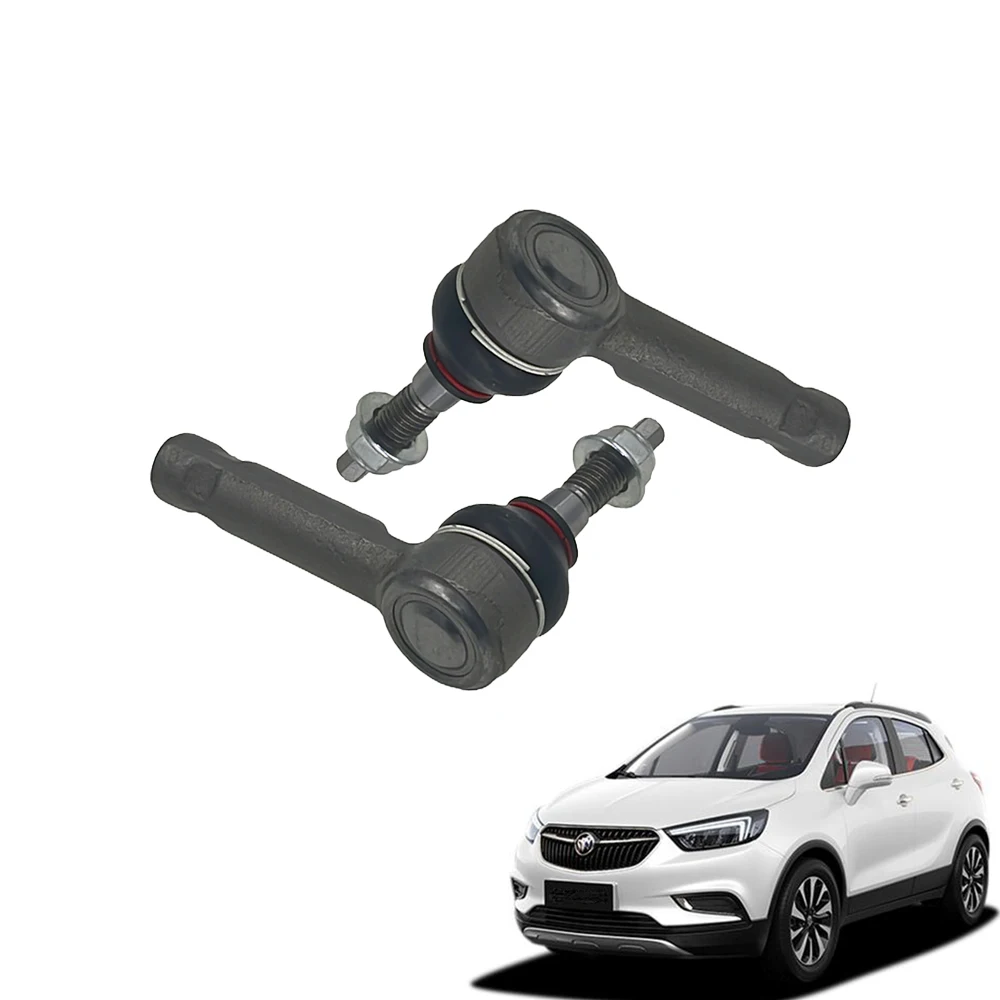
For specific vehicle applications — such as the Buick Encore and Chevrolet Trax, which share platform architecture — aftermarket tie rod end options are widely available and well-documented. Buyers sourcing for these models should verify part numbers against OEM references and confirm that the supplier provides application-specific fitment guarantees before placing bulk orders.
Inventory Planning and Lead Time Management
Effective tie rod end inventory management requires balancing stock depth against carrying costs. For high-turnover vehicle applications — popular compact SUVs, light commercial vehicles, and fleet staples — maintaining a buffer stock of tie rod end units reduces the risk of service delays. For lower-volume applications, a just-in-time sourcing model may be more cost-effective, provided supplier lead times are reliable.
In 2025, many B2B parts buyers are using demand forecasting tools integrated with their workshop management systems to automate reorder triggers for high-frequency components like the tie rod end. This reduces manual purchasing overhead and ensures that stock levels align with actual service demand rather than historical estimates. Suppliers who offer API-based inventory integration or real-time stock visibility are increasingly preferred by sophisticated buyers.
Lead time variability remains a challenge in the global automotive parts supply chain. Buyers who diversify their tie rod end sourcing across two or three qualified suppliers — rather than relying on a single source — are better insulated against disruptions. This multi-supplier strategy is now considered a best practice in fleet and distribution procurement circles.
Installation Quality and Post-Replacement Alignment
Technical Standards for Tie Rod End Installation
The quality of a tie rod end replacement is only as good as the installation process. Improper torque application, failure to replace the cotter pin, or incorrect thread engagement can compromise the joint's integrity and lead to premature failure. For service businesses, standardizing the installation procedure — including torque specifications, thread inspection, and boot condition verification — is essential for consistent quality outcomes.
Technician training is a direct investment in tie rod end replacement quality. Shops that provide regular technical updates, including manufacturer service bulletins and torque specification refreshers, see lower rates of comeback repairs and warranty claims. In a competitive service market, a reputation for reliable steering system work is a meaningful differentiator.
It is also important to inspect adjacent components during a tie rod end replacement. The steering knuckle, ball joint, and wheel bearing should all be assessed for wear during the same service event. Identifying and addressing related wear items in a single visit reduces labor costs for the customer and improves overall vehicle safety — a value proposition that strengthens customer relationships.
Wheel Alignment as a Required Follow-Up
Every tie rod end replacement must be followed by a four-wheel alignment check. Because the tie rod end directly controls toe angle, any change in its position — even a correctly installed new unit — will alter the vehicle's alignment geometry. Skipping the alignment step after a tie rod end replacement is a common source of accelerated tire wear complaints and customer dissatisfaction.
For service businesses, bundling the alignment check with the tie rod end replacement as a standard service package improves both revenue per repair order and customer satisfaction scores. Presenting this as a safety-driven recommendation rather than an upsell is more effective and more accurate — the alignment is genuinely necessary, not optional.
Fleet operators should factor alignment labor into their total cost-per-replacement calculation when evaluating tie rod end replacement intervals. A slightly earlier replacement interval that prevents severe misalignment and associated tire wear may deliver a better total cost outcome than waiting for a component to reach the end of its service life.
Building a Scalable Tie Rod End Replacement Program
Standardizing Replacement Protocols Across a Fleet or Network
For businesses managing multiple service locations or a large vehicle fleet, standardizing the tie rod end replacement protocol across all sites delivers measurable efficiency gains. A standardized protocol includes defined inspection criteria, approved parts lists, installation procedures, torque specifications, and post-installation alignment requirements. When every technician follows the same process, quality outcomes become more predictable and auditable.
Approved parts lists — specifying the exact tie rod end part numbers for each vehicle application in the fleet — eliminate sourcing ambiguity and reduce the risk of incorrect parts being installed. These lists should be reviewed and updated at least annually to reflect new vehicle additions, supplier changes, and any technical service bulletins that affect part specifications.
Digital maintenance management systems that track tie rod end replacement history by vehicle VIN provide valuable data for refining replacement intervals and identifying vehicles with recurring steering system issues. Over time, this data supports more accurate maintenance budgeting and helps justify capital allocation for fleet renewal decisions.
Supplier Relationship Management for Long-Term Value
The most effective B2B buyers treat their tie rod end suppliers as strategic partners rather than transactional vendors. This means sharing demand forecasts, providing feedback on part quality and fitment, and engaging suppliers in joint problem-solving when issues arise. Suppliers who receive this level of engagement are more likely to prioritize stock availability, offer favorable pricing tiers, and provide early access to new product releases.
Formal supplier scorecards — tracking metrics such as on-time delivery rate, fill rate, return rate, and quality incident frequency — provide an objective basis for supplier reviews and contract negotiations. For high-volume tie rod end buyers, these scorecards are a practical tool for maintaining supply chain discipline and driving continuous improvement across the supplier base.
In 2025, sustainability credentials are becoming an increasingly relevant factor in supplier selection for larger B2B buyers. Suppliers who can document responsible manufacturing practices, material sourcing transparency, and packaging waste reduction are better aligned with the procurement policies of corporate fleet operators and publicly traded service networks.
FAQ
How often should a tie rod end be replaced in a commercial fleet vehicle?
Replacement intervals vary by vehicle type, load conditions, and operating environment, but most fleet operators schedule tie rod end inspection at every 50,000-mile service and replacement between 75,000 and 100,000 miles under normal conditions. Vehicles operating in harsh environments — heavy loads, unpaved roads, or extreme temperatures — may require more frequent replacement. A documented inspection protocol is the most reliable basis for setting fleet-specific intervals.
What is the difference between an inner and outer tie rod end for procurement purposes?
The outer tie rod end connects the inner tie rod to the steering knuckle and is the more frequently replaced of the two. The inner tie rod end connects the steering rack to the outer tie rod and is typically replaced during more extensive steering system repairs. For procurement, these are distinct SKUs with different part numbers, and stocking both variants for high-volume vehicle applications is recommended to avoid service delays.
Is aftermarket tie rod end quality sufficient for fleet and commercial applications?
Yes, provided the supplier meets documented quality standards. Aftermarket tie rod end components from ISO-certified manufacturers with application-specific fitment data and material traceability are widely used in commercial fleet applications. The key is supplier vetting — buyers should request quality certifications, review return and warranty claim rates, and confirm fitment accuracy before committing to a sourcing relationship.
Why is a wheel alignment required after every tie rod end replacement?
The tie rod end directly controls the toe angle of the front wheels. Any change in the tie rod end — including replacement with a new unit — alters the steering geometry and requires realignment to restore correct toe settings. Skipping the alignment step leads to accelerated and uneven tire wear, reduced fuel efficiency, and potential handling issues. Alignment is a required follow-up service, not an optional add-on, after any tie rod end replacement.
Table of Contents
- Understanding the Role of the Tie Rod End in Steering Systems
- Replacement Triggers: When the Business Case Is Clear
- Sourcing Strategy for Tie Rod End Replacement in 2025
- Installation Quality and Post-Replacement Alignment
- Building a Scalable Tie Rod End Replacement Program
-
FAQ
- How often should a tie rod end be replaced in a commercial fleet vehicle?
- What is the difference between an inner and outer tie rod end for procurement purposes?
- Is aftermarket tie rod end quality sufficient for fleet and commercial applications?
- Why is a wheel alignment required after every tie rod end replacement?