
 EN
EN
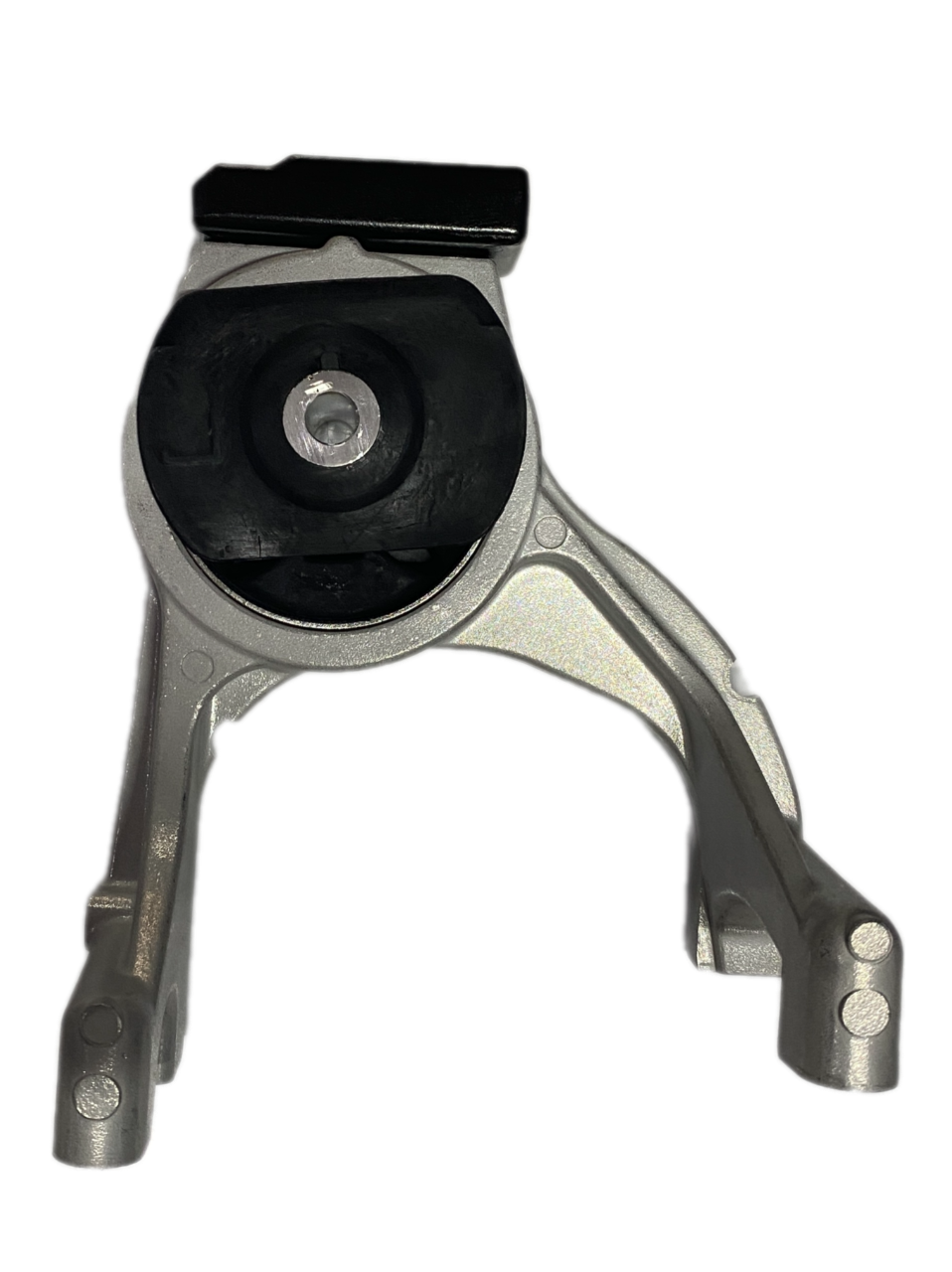
Performance enthusiasts and automotive professionals increasingly recognize the critical role that suspension geometry plays in vehicle dynamics and handling characteristics. Among the various suspension components that can be upgraded to enhance performance, the rear toe arm stands out as a particularly impactful modification. This component directly influences rear wheel alignment, tire wear patterns, and overall vehicle stability during cornering and straight-line driving. Understanding how to properly implement a performance rear toe arm upgrade can transform your vehicle's handling characteristics while providing the adjustability needed for fine-tuning suspension geometry to match specific driving requirements.
Understanding Rear Toe Arm Functionality and Design
Primary Function in Suspension Systems
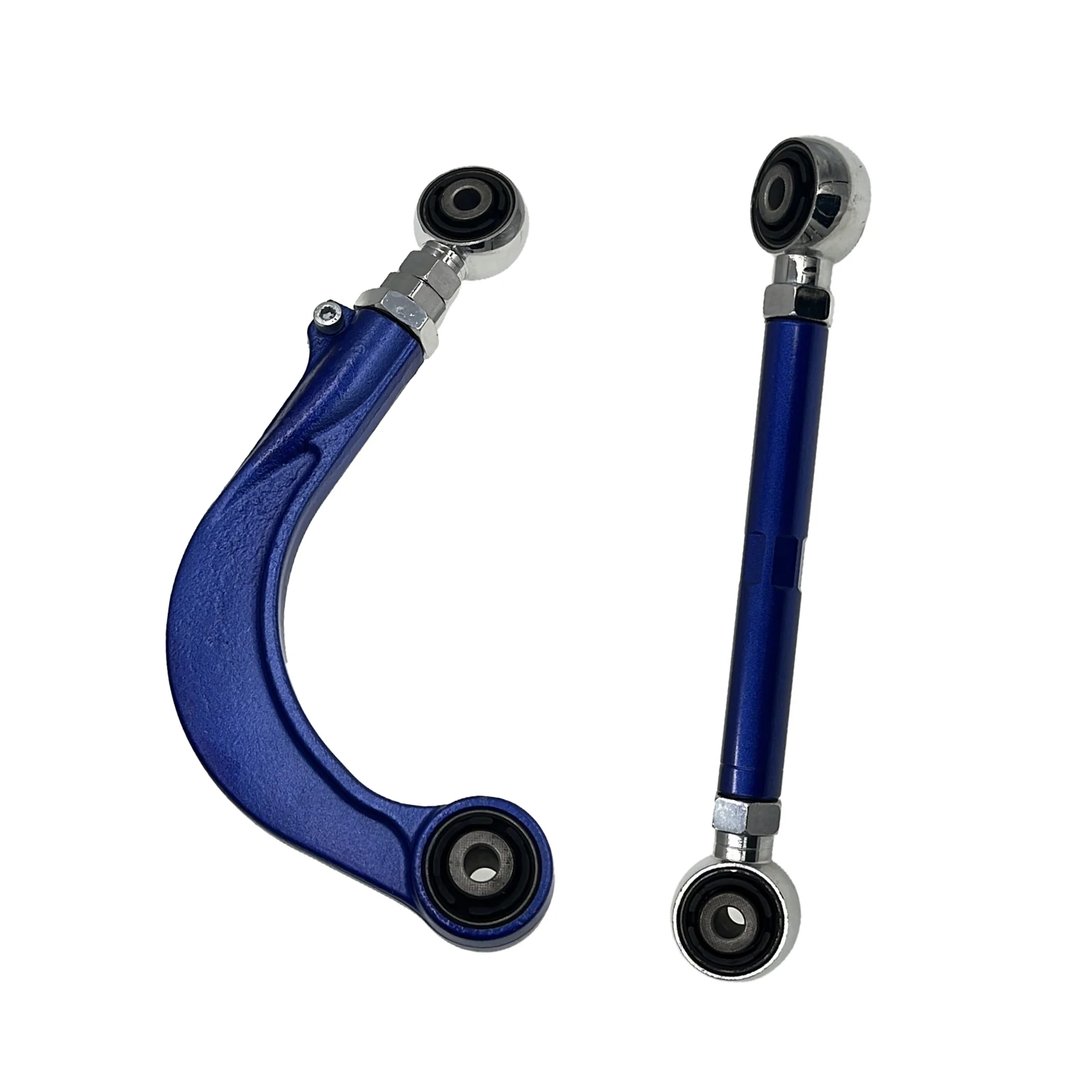
The rear toe arm serves as a crucial link between the vehicle's chassis and rear wheel assembly, controlling the toe angle of the rear wheels during suspension movement. This component maintains proper wheel alignment under various loading conditions and suspension travel scenarios. Unlike fixed suspension geometry found in stock vehicles, performance rear toe arms typically feature adjustable mounting points that allow precise control over toe settings. This adjustability enables technicians and enthusiasts to fine-tune rear wheel alignment to optimize tire contact patches, reduce unwanted steering inputs, and improve overall vehicle stability.
Modern performance rear toe arms incorporate advanced materials and engineering principles to withstand the increased stresses associated with aggressive driving and track use. High-quality units feature reinforced mounting brackets, precision-machined adjustment mechanisms, and durable bushings or spherical bearings at connection points. The design must accommodate the full range of suspension travel while maintaining consistent geometry throughout the operating range, ensuring predictable handling characteristics regardless of road conditions or driving intensity.
Material Construction and Engineering Considerations
Premium rear toe arm assemblies utilize lightweight yet robust materials such as aircraft-grade aluminum, high-strength steel, or advanced composite materials. The choice of construction material significantly impacts both performance characteristics and durability under extreme conditions. Aluminum components offer excellent strength-to-weight ratios while providing corrosion resistance, making them ideal for street and track applications. Steel construction provides maximum strength and durability but adds weight to the unsprung mass, which can affect suspension responsiveness.
Engineering considerations for rear toe arm design include load path analysis, fatigue resistance, and thermal expansion characteristics. Advanced finite element analysis ensures that stress concentrations are minimized while maintaining optimal stiffness characteristics. The mounting geometry must accommodate factory mounting points while providing enhanced adjustability range compared to stock components. Proper engineering also considers the interaction between the rear toe arm and other suspension components, ensuring that modifications enhance rather than compromise overall suspension performance.
Installation Process and Technical Requirements
Pre-Installation Assessment and Preparation
Before beginning the installation process, a comprehensive assessment of the existing suspension system is essential to identify any worn components that should be replaced simultaneously. This evaluation includes inspecting existing bushings, ball joints, and mounting hardware for signs of wear or damage. The vehicle should be positioned on a level surface with proper support equipment to ensure safety during the installation process. Professional alignment specifications should be recorded before removal of stock components to establish baseline measurements for comparison after installation.
Proper tools and equipment are crucial for successful installation, including precision torque wrenches, appropriate socket sets, and suspension-specific tools for safe component removal and installation. The work area should be well-lit and organized to prevent loss of small hardware components. Safety equipment including jack stands, wheel chocks, and personal protective equipment must be utilized throughout the installation process. Having access to factory service manual specifications ensures that all torque values and installation procedures follow manufacturer recommendations.
Step-by-Step Installation Methodology
The installation process begins with safely raising and supporting the vehicle, followed by removal of the rear wheels to access suspension components. Stock rear toe arm removal requires careful attention to the sequence of component disassembly to prevent damage to surrounding parts. Marking the position of adjustable components before removal helps maintain approximate alignment settings during initial installation. All mounting hardware should be inspected and replaced if showing signs of wear or corrosion.
Installation of the performance rear toe arm follows the reverse of the removal process, with careful attention to proper orientation and initial adjustment settings. Torque specifications must be followed precisely to ensure proper clamping force without over-stressing components. Initial adjustment should position the new components near the center of their adjustment range to allow for fine-tuning during the alignment process. All connections should be verified for proper engagement and security before lowering the vehicle.
Alignment Procedures and Optimization Techniques
Professional Alignment Requirements
After installation of performance rear toe arms, professional wheel alignment is mandatory to realize the full benefits of the upgrade and ensure safe vehicle operation. The alignment process requires precision equipment capable of measuring rear toe angles with high accuracy, typically within 0.1-degree increments. Initial measurements establish the baseline geometry created by the installation, allowing technicians to make informed adjustments to achieve desired specifications. The alignment procedure should follow a systematic approach, beginning with rear toe adjustments and progressing to front-end geometry corrections as needed.
Professional alignment facilities utilize advanced alignment systems that can simultaneously measure all wheel positions and provide real-time feedback during adjustment procedures. These systems account for vehicle weight distribution, ride height variations, and manufacturing tolerances that can affect final alignment specifications. The alignment technician must understand the relationship between rear toe settings and overall vehicle handling characteristics to make appropriate adjustments based on intended vehicle use and driver preferences.
Fine-Tuning for Specific Applications
Optimization of rear toe arm settings depends on the intended application, whether for daily driving, autocross competition, or track use. Street-oriented settings typically favor slight toe-in to enhance straight-line stability and reduce tire wear, while track applications may benefit from neutral or slight toe-out settings to improve turn-in response and cornering agility. The adjustment process requires careful measurement and incremental changes followed by test driving to evaluate the impact on vehicle behavior.
Data logging and performance measurement tools can provide objective feedback on the effectiveness of different alignment settings. Tire temperature measurements across the tread width indicate whether toe settings are optimized for the specific tire compound and operating conditions. Professional drivers often maintain detailed setup sheets documenting successful alignment configurations for different tracks and driving conditions, allowing rapid setup changes when needed.
Performance Benefits and Handling Improvements
Enhanced Cornering Characteristics
Performance rear toe arm upgrades deliver measurable improvements in cornering behavior through more precise control of rear wheel geometry during suspension compression and extension. The enhanced adjustability allows fine-tuning of rear toe settings to optimize tire contact patches during cornering, reducing understeer tendencies and improving overall balance. Vehicles equipped with adjustable rear toe arms typically exhibit more predictable handling characteristics and improved feedback to the driver during aggressive cornering maneuvers.
The ability to dial in specific toe settings also enables compensation for other suspension modifications or vehicle setup changes. This flexibility is particularly valuable for vehicles used in competitive environments where setup changes may be needed to adapt to different track conditions or tire compounds. Improved rear-end stability during braking and acceleration enhances driver confidence and allows for more consistent lap times in performance driving situations.
Tire Wear Optimization and Longevity
Proper rear toe arm adjustment significantly impacts tire wear patterns and overall tire longevity by ensuring optimal contact patch geometry under various operating conditions. Misaligned rear toe settings can cause rapid tire wear, particularly on the inner or outer edges of the tread surface. Performance rear toe arms allow precise correction of these alignment issues, extending tire life and maintaining consistent performance characteristics throughout the tire's service life.
Regular monitoring and adjustment of rear toe settings help maintain optimal tire wear patterns even as suspension components age and settle. The adjustability provided by performance rear toe arms eliminates the need for replacement of fixed components when alignment specifications drift over time. This capability reduces long-term maintenance costs while ensuring consistent vehicle performance and safety.
Maintenance Requirements and Long-Term Considerations
Regular Inspection and Service Intervals
Performance rear toe arm systems require regular inspection to maintain optimal function and safety. Visual inspection should focus on mounting hardware integrity, bushing condition, and adjustment mechanism operation. Any signs of wear, loosening, or damage should be addressed immediately to prevent component failure or alignment changes. Recommended inspection intervals vary based on usage intensity, with track-driven vehicles requiring more frequent evaluation than street-only applications.
Lubrication of adjustment mechanisms and bearing surfaces helps prevent corrosion and ensures smooth operation over the component's service life. High-quality grease appropriate for automotive suspension applications should be used according to manufacturer specifications. Environmental factors such as road salt exposure or frequent water crossings may require more frequent maintenance intervals to prevent premature wear or corrosion damage.
Replacement Parts and Upgrade Compatibility
Long-term ownership of performance rear toe arm systems requires understanding of replacement parts availability and compatibility with other suspension modifications. Quality manufacturers provide comprehensive parts support including bushings, bearings, and adjustment hardware as separate serviceable items. This approach reduces long-term ownership costs by allowing replacement of wear items without purchasing complete assemblies.
Compatibility considerations become important when planning additional suspension modifications or vehicle upgrades. Performance rear toe arms should integrate seamlessly with other suspension components such as coilover systems, sway bars, and chassis bracing. Reputable manufacturers provide detailed compatibility information and technical support to ensure optimal system integration and performance.
FAQ
What tools are required for rear toe arm installation
Installation requires basic hand tools including metric socket sets, torque wrenches, and suspension-specific tools for safe component removal. Professional installation is recommended due to the precision required for proper alignment and safety considerations. Access to proper lifting equipment and alignment facilities is essential for complete installation and setup.
How often should rear toe arm settings be checked
Rear toe arm settings should be verified annually for street vehicles or after any suspension work or impact damage. Track-driven vehicles may require more frequent inspection based on usage intensity and tire wear patterns. Professional alignment checks can identify setting changes before they result in handling problems or excessive tire wear.
Can rear toe arms be adjusted without professional alignment equipment
While basic adjustments can be made using string line methods or toe plates, professional alignment equipment is strongly recommended for optimal results and safety. Precision measurement capabilities of professional systems ensure accurate settings that maximize performance benefits while maintaining vehicle safety and tire longevity.
What performance improvements can be expected from rear toe arm upgrades
Expected improvements include enhanced cornering stability, reduced understeer tendencies, improved tire wear characteristics, and more predictable handling behavior. The magnitude of improvement depends on the quality of stock components being replaced and the specific alignment optimization performed after installation. Most drivers notice improved rear-end stability and more precise steering response immediately after proper installation and alignment.