 EN
EN
Understanding car bearing replacement cost is crucial for vehicle owners who want to maintain their cars properly and budget for necessary repairs. Car bearings play a vital role in your vehicle's performance, allowing wheels to rotate smoothly and supporting the weight of your vehicle. When these components fail, the financial impact can vary significantly depending on multiple factors including vehicle type, bearing location, labor rates, and whether you choose original equipment manufacturer parts or aftermarket alternatives.
The complexity of bearing replacement has evolved dramatically with modern automotive engineering. Today's vehicles incorporate sophisticated bearing assemblies that often integrate multiple components into single units, affecting both replacement procedures and associated costs. Professional mechanics must consider various technical specifications, torque requirements, and alignment procedures that directly influence the overall expense of bearing replacement services.
Understanding Different Types of Car Bearings
Wheel Hub Bearings
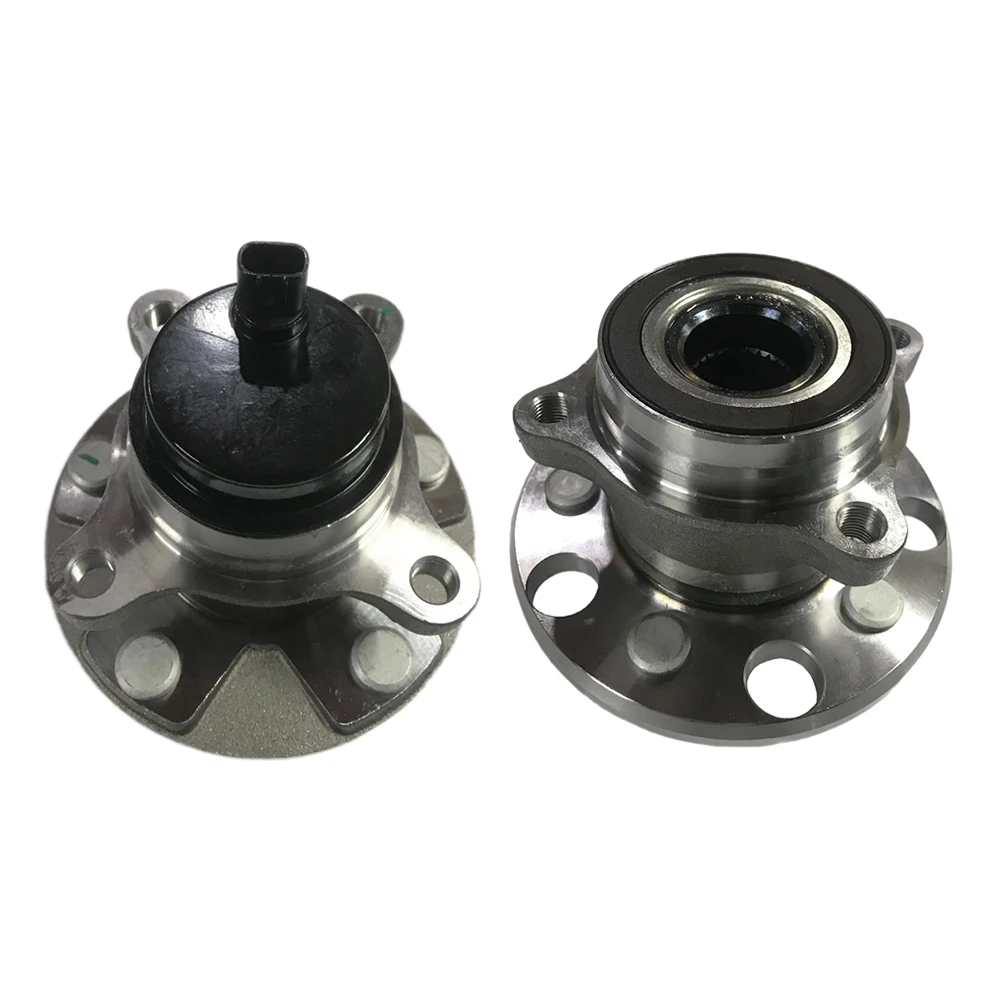
Wheel hub bearings represent the most commonly replaced bearing type in modern vehicles, directly affecting your car bearing replacement cost calculations. These bearings support the entire weight of your vehicle while allowing smooth wheel rotation during driving, turning, and braking operations. Hub bearings typically last between 85,000 to 100,000 miles under normal driving conditions, though aggressive driving habits and harsh environmental conditions can significantly reduce their lifespan.
Modern wheel hub bearings often come as complete assemblies that include the bearing, hub, and sometimes the brake rotor mounting flange in a single unit. This integrated design simplifies installation but increases part costs compared to traditional serviceable bearings that could be repacked with grease. The sealed nature of contemporary hub bearings provides better protection against contaminants but requires complete replacement when wear occurs.
Transmission and Differential Bearings
Transmission and differential bearings operate under extreme conditions, handling high torque loads and rotational speeds while maintaining precise clearances for optimal gear operation. These bearings typically require replacement less frequently than wheel bearings but involve more complex labor procedures that significantly impact repair costs. Professional diagnosis often requires specialized equipment to determine bearing condition without complete disassembly.
The replacement process for transmission bearings usually coincides with major transmission service or rebuild procedures, spreading the labor cost across multiple components. Differential bearing replacement requires careful attention to gear backlash settings and preload specifications, making this repair unsuitable for inexperienced technicians. Professional shops often recommend complete differential service when bearing replacement becomes necessary.
Factors Influencing Replacement Costs
Vehicle Make and Model Variations
Luxury and imported vehicles typically command higher bearing replacement costs due to specialized parts requirements and increased labor complexity. European vehicles often require specific tools and procedures that extend repair time, while domestic vehicles generally offer more affordable replacement options. The availability of aftermarket parts also varies significantly between different manufacturers, affecting both part costs and replacement scheduling.
Performance vehicles and trucks with heavy-duty applications require robust bearing assemblies that cost substantially more than standard passenger car components. Electric vehicles present unique challenges with their increased weight and instant torque characteristics, potentially requiring more frequent bearing service and specialized replacement procedures that influence overall costs.
Geographic Location and Labor Rates
Regional variations in labor rates create significant differences in car bearing replacement cost across different geographic areas. Metropolitan areas typically charge higher hourly rates compared to rural locations, though parts availability may be better in urban markets. Dealership service departments generally command premium pricing compared to independent repair facilities, but may offer warranty advantages and manufacturer-specific expertise.
Seasonal demand fluctuations also affect pricing, with winter months often bringing higher costs due to increased bearing failures from road salt and harsh weather conditions. Some regions experience parts shortages during peak demand periods, potentially increasing both part costs and repair scheduling delays that affect overall project expenses.
Typical Cost Ranges for Different Bearing Types
Front Wheel Bearing Replacement
Front wheel bearing replacement typically ranges from $300 to $800 per side, depending on vehicle type and service provider selection. This cost includes both parts and labor, with the bearing assembly usually accounting for $150 to $400 of the total expense. Labor time varies from 2 to 4 hours per side, depending on vehicle design complexity and whether additional components require removal for access.
Some vehicles require special tools for proper bearing installation and preload adjustment, potentially adding to labor costs if the repair facility must acquire or rent specialized equipment. Quality aftermarket alternatives often provide cost savings compared to original equipment parts while maintaining acceptable performance and longevity standards for most driving applications.
Rear Wheel Bearing Replacement
Rear wheel bearing replacement costs generally fall within a similar range to front bearings, though some vehicles present unique challenges that affect pricing. All-wheel-drive and four-wheel-drive vehicles often require additional procedures to disconnect drivetrain components, extending labor time and increasing overall costs. Independent rear suspension systems may require special alignment procedures following bearing replacement.
Solid rear axle vehicles typically offer easier bearing access but may require axle shaft removal and specialized pullers for proper bearing extraction. The condition of surrounding components like axle seals, brake hardware, and suspension bushings should be evaluated during bearing replacement to avoid future failures and additional labor charges.
DIY vs Professional Installation
Required Tools and Equipment
Professional bearing replacement requires specialized tools including bearing pullers, hydraulic presses, torque wrenches, and alignment equipment that most home mechanics do not possess. The initial investment in proper tools often exceeds the cost of professional installation, making DIY replacement economically impractical for occasional repairs. Improper tool use can damage expensive components and create safety hazards that far exceed potential savings.
Many modern bearing assemblies require precise installation procedures and specific torque specifications to ensure proper operation and longevity. Professional mechanics have access to manufacturer service information, updated technical bulletins, and recall notices that affect proper installation procedures. Warranty coverage typically requires professional installation with documented procedures and quality parts.
Safety and Liability Considerations
Bearing replacement directly affects vehicle safety systems including steering, braking, and stability control functions. Improper installation can cause catastrophic wheel separation, brake failure, or loss of vehicle control that creates significant liability risks. Professional installation provides insurance coverage and legal protection that DIY repairs cannot offer.
The complexity of modern vehicle systems requires comprehensive knowledge of interconnected components and their relationships. Professional technicians understand how bearing replacement affects ABS sensors, traction control systems, and electronic stability programs that may require recalibration following repair completion.
Cost-Saving Strategies and Considerations
Preventive Maintenance Approaches
Regular maintenance practices can significantly extend bearing life and reduce unexpected car bearing replacement cost events. Proper wheel alignment prevents uneven loading that accelerates bearing wear, while regular inspection of CV joints and suspension components identifies problems before they damage bearings. Avoiding potholes, aggressive driving, and overloading helps minimize bearing stress and premature failure.
Quality replacement parts during routine maintenance can prevent bearing contamination and damage. Using proper lubricants, maintaining correct tire pressures, and addressing suspension problems promptly helps preserve bearing integrity and maximize service life. Professional inspections during routine service can identify early bearing wear before complete failure occurs.
Timing Multiple Repairs
Combining bearing replacement with other related repairs can reduce overall labor costs through shared procedures and component access. Brake service, suspension work, and alignment procedures often provide opportunities to inspect and replace bearings efficiently. Planning multiple repairs during slow business periods may yield discounts from service providers seeking to maintain steady workflow.
Replacing bearings on both sides simultaneously eliminates duplicate labor charges and ensures balanced performance characteristics. Many shops offer package pricing for bilateral repairs that provide savings compared to individual side replacement. This approach also prevents the inconvenience and additional costs associated with multiple service visits.
FAQ
How long do car bearings typically last before requiring replacement
Most car bearings last between 85,000 to 100,000 miles under normal driving conditions, though this varies significantly based on driving habits, environmental conditions, and maintenance practices. Vehicles operated in harsh conditions including frequent exposure to salt water, extreme temperatures, or heavy loads may require bearing replacement as early as 60,000 miles. Regular maintenance and proper driving techniques can extend bearing life beyond 120,000 miles in optimal conditions.
What are the warning signs that indicate bearing replacement is needed
Common symptoms of failing bearings include grinding or humming noises that increase with vehicle speed, vibration felt through the steering wheel or seat, uneven tire wear patterns, and loose or wobbly wheel movement when the vehicle is jacked up. ABS warning lights may also illuminate due to damaged wheel speed sensors associated with failing hub bearings. Any of these symptoms warrant immediate professional inspection to prevent safety hazards and additional damage.
Can I drive with a failing bearing until I can schedule repairs
Driving with failing bearings creates serious safety risks and should be avoided whenever possible. While gradual bearing deterioration may allow limited driving, complete bearing failure can cause wheel separation, brake system damage, or loss of vehicle control. If driving is absolutely necessary, limit speeds, avoid highway travel, and schedule immediate professional repair. The cost of emergency roadside assistance and potential accident damage far exceeds planned bearing replacement expenses.
Are aftermarket bearings as reliable as original equipment manufacturer parts
Quality aftermarket bearings from reputable manufacturers often provide performance and longevity comparable to original equipment parts at lower costs. However, inferior aftermarket options may fail prematurely and void vehicle warranties. Professional mechanics can recommend appropriate aftermarket alternatives that meet or exceed original specifications while providing cost savings. Always verify warranty coverage and installation requirements when selecting replacement bearings for your specific vehicle application.