
 EN
EN
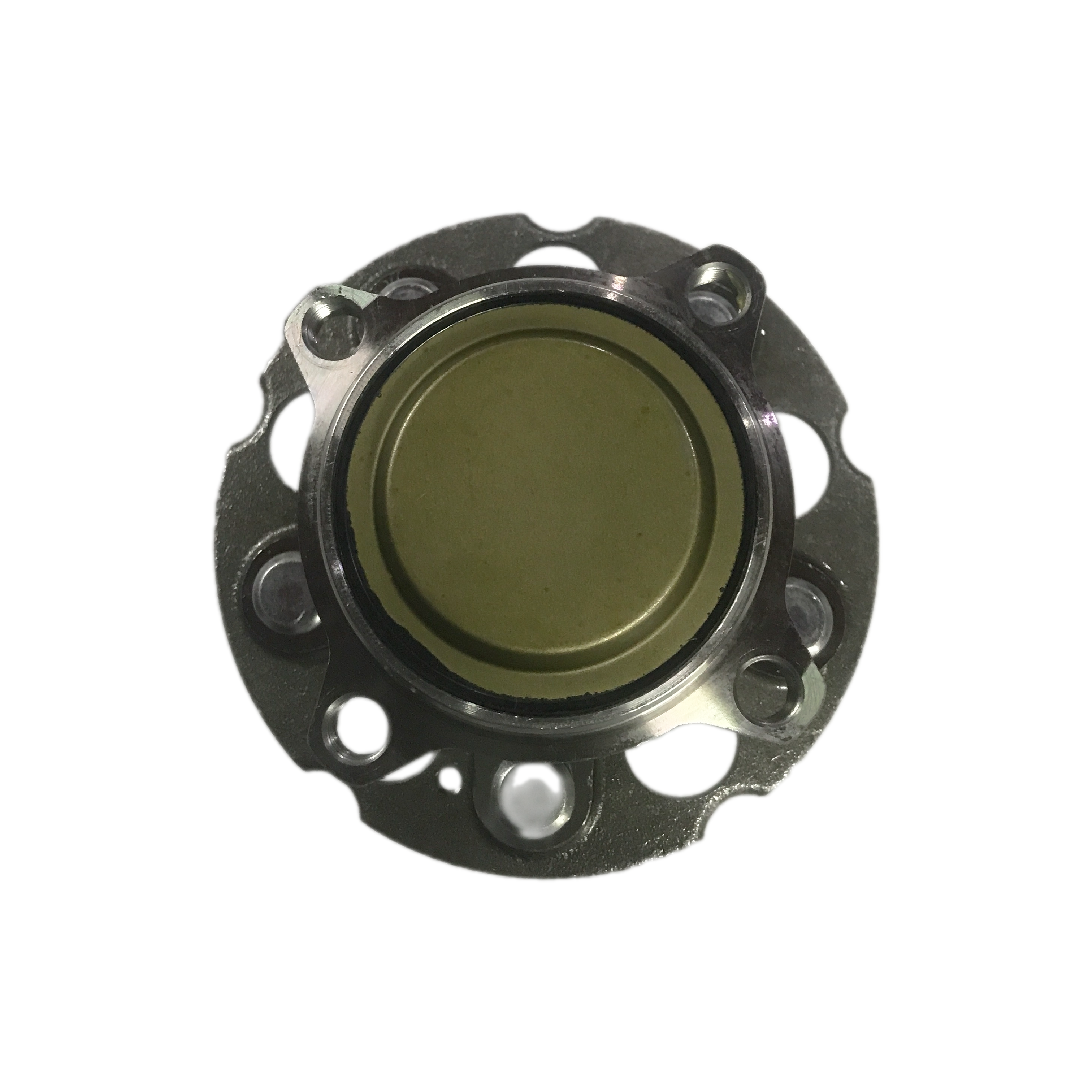
Fleet vehicle maintenance represents one of the most critical operational challenges facing transportation companies today. Among the numerous components that require regular attention, suspension systems demand particular focus due to their direct impact on vehicle safety, driver comfort, and operational costs. The ball joint serves as a fundamental connecting element within the suspension assembly, enabling controlled wheel movement while maintaining proper alignment under various driving conditions. Understanding the mechanics, failure patterns, and maintenance requirements of these components can significantly reduce unexpected breakdowns and extend vehicle service life across entire fleets.
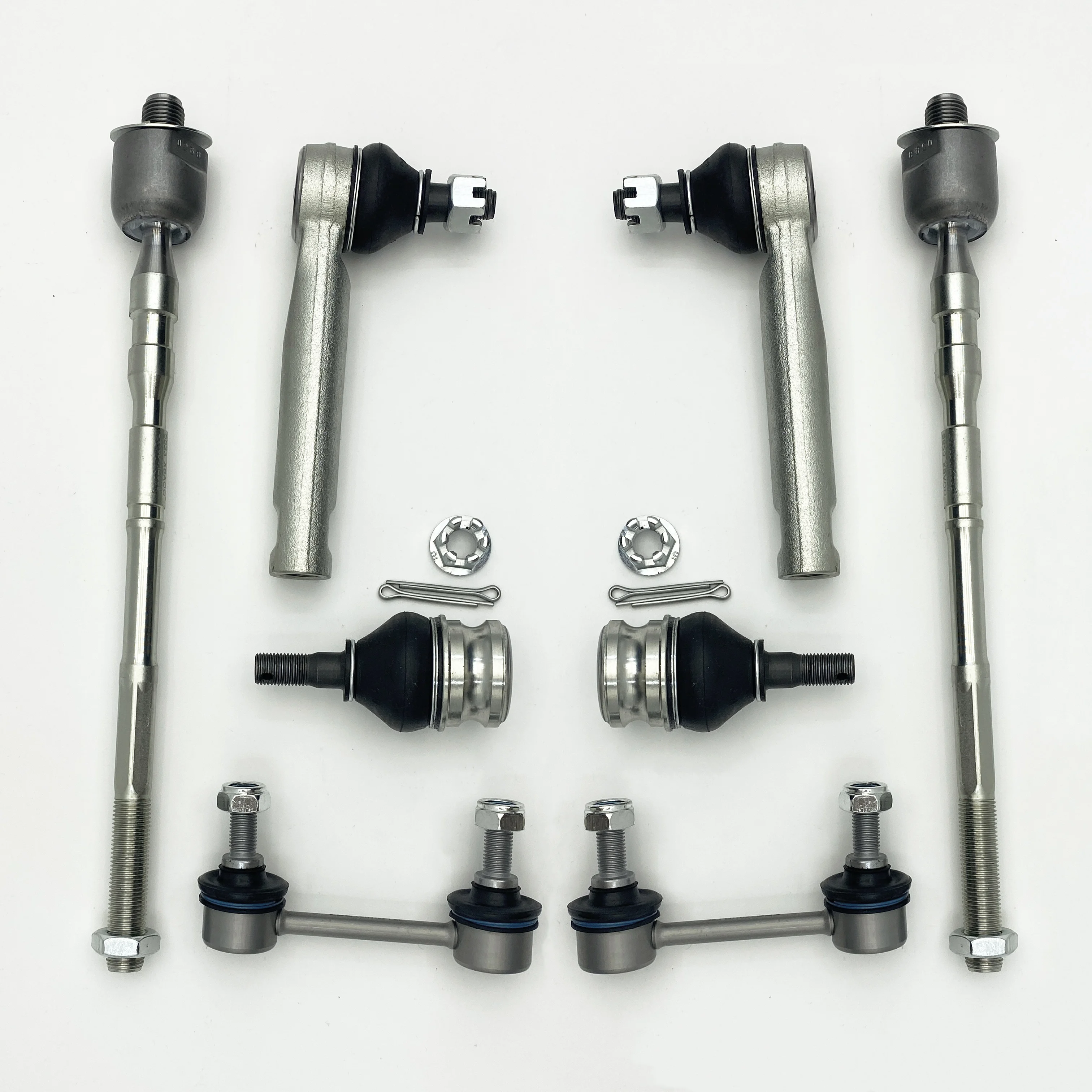
Anatomy and Function of Vehicle Ball Joints
Core Design Elements
The ball joint operates as a spherical bearing housed within a protective casing, allowing rotational movement in multiple directions while maintaining structural integrity. This component connects the control arm to the steering knuckle, facilitating smooth wheel articulation during steering inputs and suspension travel. The internal structure consists of a hardened steel ball stud encased within a socket lined with specialized bearing material, typically polyurethane or metal-backed composite materials designed to withstand continuous stress and environmental exposure.
Modern ball joints incorporate advanced sealing systems to prevent contamination from road debris, moisture, and corrosive substances that can accelerate wear patterns. The boot or dust cover serves as the primary barrier against external contaminants while retaining essential lubricants within the joint assembly. Fleet operators must recognize that this sealing system represents the first line of defense against premature component failure, making regular inspection protocols essential for maintaining operational reliability.
Operational Mechanics
During normal vehicle operation, the ball joint experiences complex loading patterns that combine vertical forces from road impacts, lateral forces during cornering maneuvers, and rotational stresses from steering inputs. These multi-directional forces create a challenging operational environment where the component must maintain precise positioning while accommodating continuous movement. The bearing surfaces within the joint assembly must resist wear while providing smooth articulation across the full range of suspension travel.
Fleet vehicles often operate under more demanding conditions than passenger cars, including heavier payload requirements, extended operating hours, and varied terrain conditions. These factors intensify the stress patterns experienced by suspension components, particularly ball joints that serve as critical load-bearing elements within the system. Understanding these operational demands helps fleet managers develop appropriate maintenance schedules and component selection criteria tailored to their specific operational requirements.
Common Failure Modes in Fleet Applications
Progressive Wear Patterns
Ball joint failure typically manifests through gradual deterioration of the bearing surfaces, beginning with microscopic wear that progressively increases clearances within the joint assembly. This wear pattern often remains undetectable during routine visual inspections until significant looseness develops, creating potential safety hazards and affecting vehicle handling characteristics. Fleet operators must implement systematic inspection procedures that can identify early-stage wear before critical failure occurs.
The progression from initial wear to complete failure can vary significantly based on operating conditions, maintenance practices, and component quality. Heavy-duty applications with frequent load cycles tend to accelerate wear patterns, while vehicles operating in harsh environmental conditions may experience contamination-related failures that compromise bearing surfaces and sealing systems. Recognizing these patterns enables proactive replacement strategies that minimize unexpected breakdowns and associated operational disruptions.
Environmental Impact Factors
Road salt exposure during winter operations creates particularly challenging conditions for ball joint longevity, as corrosive substances can penetrate protective seals and attack metal components. Fleet vehicles operating in coastal regions face similar challenges from salt-laden air that can accelerate corrosion processes throughout the suspension system. These environmental factors require enhanced inspection protocols and may justify more frequent replacement intervals to maintain operational reliability.
Dust and debris accumulation presents another significant challenge, particularly for vehicles operating in construction, mining, or agricultural applications. Abrasive particles can compromise seal integrity and create grinding conditions within the joint assembly that accelerate wear beyond normal operational expectations. Fleet managers must consider these environmental factors when establishing maintenance schedules and component specifications for their specific operational contexts.
Diagnostic Procedures and Detection Methods
Visual Inspection Techniques
Effective ball joint assessment begins with systematic visual examination of protective boots and surrounding components for signs of damage, contamination, or unusual wear patterns. Technicians should look for torn or displaced dust covers that may indicate internal component damage or allow contaminant entry into the joint assembly. Grease leakage around the boot area often signals internal wear that has progressed beyond acceptable limits and requires immediate attention.
Surface corrosion on exposed metal components provides valuable insights into environmental exposure levels and potential internal degradation. Fleet maintenance personnel should document these visual indicators as part of regular inspection routines, creating historical records that can reveal patterns specific to individual vehicles or operational conditions. This documentation supports data-driven decision making regarding replacement intervals and component specifications.
Physical Testing Methods
Mechanical testing procedures involve checking for excessive play or movement within the joint assembly using appropriate leverage techniques and measurement tools. Technicians should apply controlled forces to assess bearing clearances while monitoring for abnormal movement that exceeds manufacturer specifications. These tests require proper safety procedures and lifting equipment to ensure accurate assessment while protecting personnel from potential injury.
Advanced diagnostic approaches may incorporate specialized tools designed to measure joint clearances with precision, providing quantitative data that supports maintenance decisions. Some fleet operations benefit from implementing standardized testing protocols that create consistent assessment criteria across multiple vehicles and maintenance facilities. These systematic approaches help identify components approaching failure thresholds before critical safety issues develop.
Preventive Maintenance Strategies
Scheduled Inspection Programs
Implementing comprehensive inspection schedules based on mileage intervals, operating hours, and environmental exposure helps identify ball joint wear before critical failures occur. Fleet operators should establish inspection frequencies that account for their specific operational demands, vehicle types, and historical failure patterns. Regular assessment allows maintenance teams to plan replacement activities during scheduled downtime rather than responding to emergency failures that disrupt operations.
Documentation systems that track component condition over time provide valuable insights into wear patterns and replacement intervals specific to individual vehicles or operational profiles. This historical data enables refinement of maintenance schedules and helps identify vehicles that may require more frequent attention due to operational demands or environmental factors. Effective record keeping also supports warranty claims and component evaluation processes that inform future purchasing decisions.
Lubrication and Protection
Proper lubrication maintenance extends ball joint service life by reducing friction and protecting bearing surfaces from wear. Fleet maintenance programs should include regular greasing schedules for components equipped with lubrication fittings, using appropriate lubricant types specified by manufacturers. Some applications may benefit from upgraded lubricants designed for heavy-duty or extreme temperature conditions that exceed standard automotive requirements.
Protective measures such as enhanced sealing systems or aftermarket dust covers can provide additional contamination resistance in harsh operating environments. Fleet operators should evaluate these options based on their specific operational challenges and cost-benefit considerations. Investment in enhanced protection systems often proves cost-effective when compared to the expenses associated with premature component replacement and operational disruptions.
Replacement Considerations and Best Practices
Component Selection Criteria
Choosing appropriate replacement ball joints requires careful consideration of load ratings, environmental resistance, and compatibility with existing suspension components. Fleet applications often benefit from heavy-duty specifications that exceed original equipment requirements, particularly for vehicles operating under demanding conditions or carrying maximum payload ratings. Component manufacturers typically offer various grades designed for different operational requirements and service intervals.
Quality considerations should emphasize bearing material composition, sealing system design, and manufacturing precision that directly impact service life and reliability. Fleet operators must balance initial component costs against expected service intervals and replacement labor requirements to determine optimal value propositions. Premium components with extended service intervals often provide better total cost of ownership despite higher initial investment requirements.
Installation Procedures
Proper installation techniques ensure optimal component performance and service life through attention to torque specifications, alignment procedures, and contamination prevention. Maintenance personnel should follow manufacturer procedures precisely, using appropriate tools and safety equipment throughout the replacement process. Incorrect installation can compromise component reliability and create safety hazards that affect vehicle operation and driver well-being.
Post-installation procedures should include alignment verification and operational testing to confirm proper function before returning vehicles to service. Fleet maintenance facilities benefit from standardized installation procedures that ensure consistent quality across multiple technicians and service locations. Training programs that emphasize proper techniques and safety procedures help maintain high standards while protecting personnel and equipment investments.
Cost Impact and Fleet Economics
Direct Replacement Costs
Ball joint replacement expenses encompass component costs, labor requirements, and associated service needs such as wheel alignment and related suspension inspections. Fleet operators must consider these comprehensive costs when evaluating maintenance budgets and replacement scheduling strategies. Labor costs can vary significantly based on vehicle design complexity and accessibility requirements for specific suspension configurations.
Bulk purchasing arrangements with component suppliers often provide cost advantages for large fleet operations, while standardizing on specific brands or part numbers can simplify inventory management and technician training requirements. Fleet managers should evaluate these procurement strategies as part of comprehensive cost management approaches that consider total ownership expenses rather than individual component prices alone.
Operational Impact Assessment
Unplanned ball joint failures create operational disruptions that extend beyond immediate repair costs to include vehicle downtime, schedule delays, and potential safety incidents. Fleet operations should quantify these indirect costs when establishing maintenance priorities and budget allocations for preventive replacement programs. Proactive maintenance strategies typically demonstrate favorable return on investment through reduced emergency repair requirements and improved operational reliability.
Vehicle availability impacts vary based on fleet size, operational flexibility, and backup vehicle availability within the organization. Smaller fleets may experience more significant disruptions from individual vehicle failures, justifying more aggressive preventive maintenance approaches. Large operations with substantial vehicle redundancy may optimize for different cost-benefit relationships while maintaining acceptable service levels.
FAQ
How often should ball joints be inspected in fleet vehicles
Fleet vehicles should undergo ball joint inspection every 12,000 to 15,000 miles or during routine maintenance intervals, with more frequent checks for vehicles operating in harsh conditions or carrying heavy loads. Environmental factors such as salt exposure, dusty conditions, or extreme temperatures may require inspection intervals as frequent as every 6,000 to 8,000 miles to ensure early detection of wear or contamination issues.
What are the warning signs of ball joint failure
Common warning signs include unusual tire wear patterns, steering wheel vibration, clunking noises during turns or over bumps, and loose or imprecise steering response. Drivers may also notice increased steering effort or wandering tendencies that require constant correction. Visual inspection may reveal torn dust boots, grease leakage, or excessive corrosion around the joint assembly.
Can ball joints be repaired or must they be replaced
Ball joints are typically non-serviceable components that require complete replacement when wear exceeds acceptable limits. While some heavy-duty applications may use rebuildable designs, most fleet vehicles utilize sealed units that cannot be effectively repaired. Attempting to repair worn ball joints compromises safety and reliability, making replacement the only acceptable option for maintaining fleet vehicle standards.
How does ball joint failure affect vehicle safety
Failed ball joints can cause complete loss of steering control, wheel separation, or suspension collapse, creating serious safety hazards for drivers and other road users. Worn components may allow wheels to change position unpredictably during braking or cornering maneuvers, significantly increasing accident risk. Fleet operators have legal and ethical responsibilities to maintain vehicles in safe operating condition, making prompt ball joint replacement essential when wear is detected.