 EN
EN

Selecting the right control arms upgrade kit for your vehicle requires understanding your specific performance needs, driving conditions, and compatibility requirements. Control arms upgrade kits serve as crucial suspension components that connect the wheel hub assembly to the vehicle's frame, directly influencing handling characteristics, tire wear patterns, and overall driving comfort. The decision to upgrade your control arms represents a significant modification that can transform your vehicle's suspension geometry and performance capabilities.
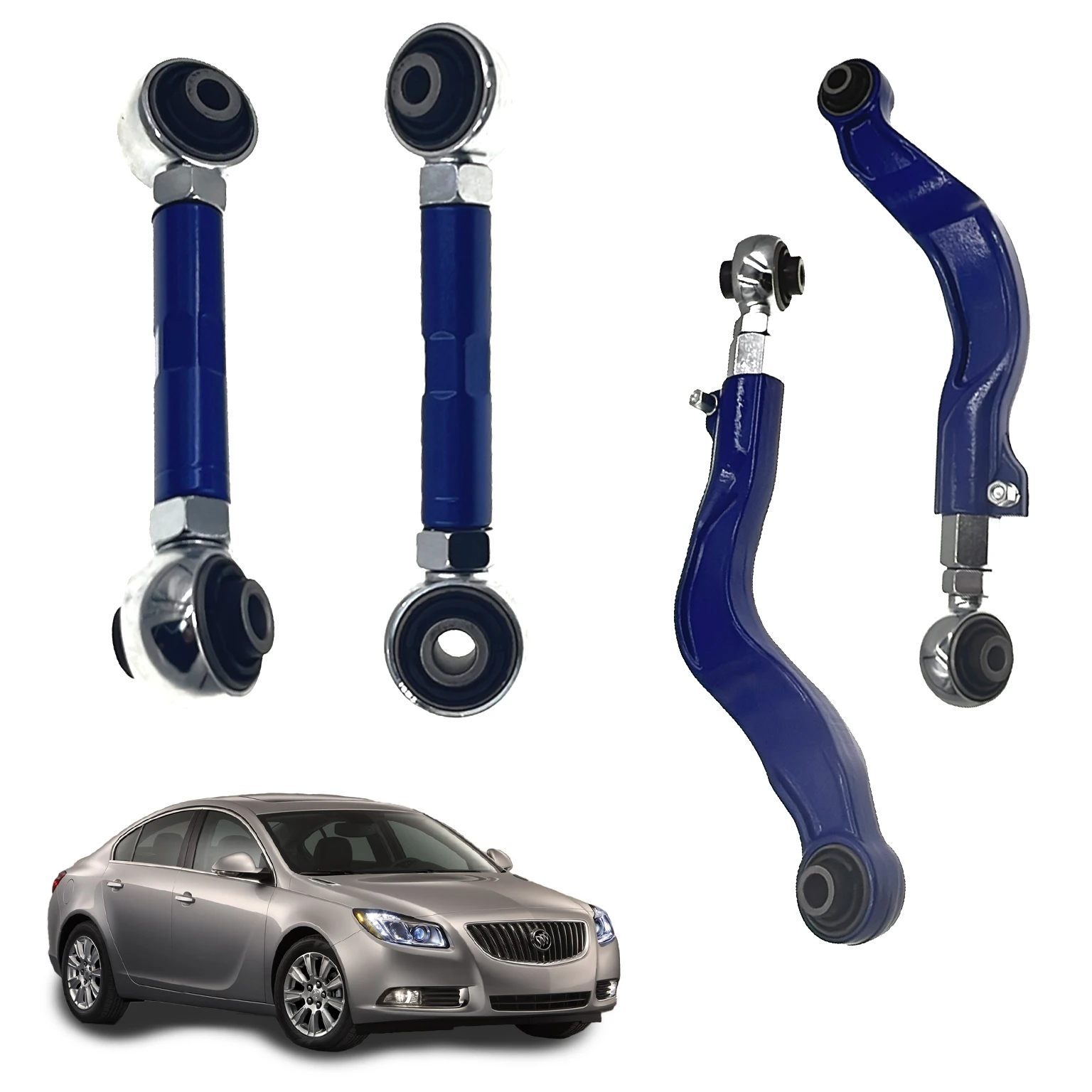
Modern automotive enthusiasts and performance-oriented drivers increasingly recognize the importance of control arms upgrade kits in achieving precise suspension tuning and enhanced vehicle dynamics. These comprehensive kits typically include upper and lower control arms, bushings, ball joints, and necessary hardware designed to replace factory components with engineered alternatives. Understanding the selection criteria ensures your investment delivers the desired performance improvements while maintaining reliable operation under various driving conditions.
Understanding Control Arms Upgrade Kit Components
Primary Control Arm Assemblies
Control arms upgrade kits feature precisely engineered upper and lower arm assemblies that replace factory components with performance-oriented alternatives. These assemblies incorporate advanced materials such as forged aluminum, tubular steel, or composite construction designed to reduce weight while increasing structural rigidity. The primary control arm assemblies within upgrade kits maintain critical suspension geometry while providing enhanced adjustability for camber, caster, and toe alignment specifications.
Upper control arms in upgrade kits typically feature elongated adjustment slots or threaded rod ends that enable precise camber adjustment beyond factory limitations. Lower control arms often incorporate reinforced mounting points and improved bushing locations to reduce deflection under load. Quality control arms upgrade kits ensure consistent manufacturing tolerances and surface treatments that resist corrosion and wear under demanding operating conditions.
The structural design of control arm assemblies directly influences suspension compliance and response characteristics. Upgrade kits often feature reduced flex characteristics compared to factory components, resulting in more predictable wheel positioning during cornering, braking, and acceleration events. This improved control translates to enhanced tire contact patch consistency and reduced irregular wear patterns.
Bushing and Pivot Components
High-performance bushings represent critical components within control arms upgrade kits, directly affecting suspension compliance and noise transmission characteristics. Upgrade kits typically include polyurethane, spherical bearing, or hybrid bushing designs that provide different compliance characteristics compared to factory rubber bushings. Polyurethane bushings offer increased durability and reduced deflection while maintaining reasonable noise isolation for street applications.
Spherical bearing assemblies found in advanced control arms upgrade kits eliminate bushing deflection entirely, providing maximum precision for track-oriented applications. These bearing assemblies require periodic maintenance and generate increased noise transmission compared to traditional bushings. The selection between bushing types depends on intended vehicle usage and acceptable compromise between performance and comfort.
Pivot point geometry within upgrade kits often differs from factory specifications to optimize suspension kinematics for specific applications. Enhanced pivot designs reduce binding under suspension travel while maintaining proper alignment characteristics throughout the operating range. Quality control arms upgrade kits include detailed installation instructions specifying torque requirements and alignment procedures necessary for proper operation.
Performance Benefits and Application Scenarios
Handling and Dynamics Improvements
Installing a quality control arms upgrade kit delivers measurable improvements in vehicle handling characteristics through enhanced suspension geometry control and reduced compliance. The increased rigidity of upgrade components minimizes wheel position changes under cornering loads, resulting in more predictable steering response and improved feedback to the driver. These improvements become particularly noticeable during aggressive driving maneuvers or track use where factory suspension limitations become apparent.
Camber control represents one of the most significant benefits provided by control arms upgrade kits, enabling optimization of tire contact patches during cornering events. Adjustable control arms allow fine-tuning of negative camber settings to maximize tire performance under lateral acceleration while maintaining acceptable straight-line characteristics. This adjustability proves essential for vehicles equipped with wider tires or lowered suspension systems.
The enhanced structural integrity of control arms upgrade kit components reduces deflection under braking forces, maintaining consistent wheel alignment during deceleration events. This consistency improves braking performance and reduces brake pad wear irregularities. Track-oriented drivers particularly benefit from these improvements during repeated heavy braking situations where factory components may experience significant deflection.
Alignment and Tire Wear Optimization
Control arms upgrade kits provide expanded alignment adjustment ranges that enable optimization of tire wear patterns for various driving conditions and tire compounds. The increased adjustability allows compensation for suspension modifications such as lowering springs or different wheel offsets that may push alignment specifications beyond factory ranges. Proper alignment optimization through upgrade components can significantly extend tire service life while improving performance characteristics.
Caster adjustment capabilities found in many control arms upgrade kits enable fine-tuning of steering feel and high-speed stability characteristics. Increased caster angles generally improve straight-line stability and steering returnability while potentially increasing steering effort at low speeds. The ability to adjust caster settings allows optimization for specific vehicle usage patterns and driver preferences.
Toe adjustment precision improves with quality control arms upgrade kits through enhanced pivot point accuracy and reduced deflection characteristics. Precise toe control minimizes tire scrub and associated wear while optimizing straight-line tracking and corner entry characteristics. These improvements prove particularly valuable for vehicles experiencing rapid tire wear or tracking issues with factory suspension components.
Selection Criteria and Compatibility Factors
Vehicle-Specific Fitment Requirements
Proper selection of control arms upgrade kits requires careful attention to vehicle-specific fitment requirements including model year, engine configuration, and existing suspension modifications. Different vehicle generations often feature unique mounting point locations, bolt patterns, and clearance requirements that affect component compatibility. Accurate vehicle identification ensures proper fit and optimal performance from upgrade components.
Suspension geometry variations between trim levels and option packages can influence control arms upgrade kit selection requirements. Vehicles equipped with factory performance packages, all-wheel-drive systems, or specific suspension configurations may require specialized upgrade components or additional modification procedures. Consulting detailed fitment guides and manufacturer specifications prevents compatibility issues during installation.
Clearance considerations become critical when selecting control arms upgrade kits for vehicles with aftermarket wheels, lowered suspension, or engine modifications. Upgrade components may feature different profiles or mounting configurations that affect clearance with exhaust components, brake lines, or chassis reinforcement structures. Proper clearance verification prevents installation issues and potential component damage during operation.
Quality and Construction Standards
Construction quality represents a fundamental selection criterion when evaluating control arms upgrade kits, directly affecting component longevity and performance consistency. Premium upgrade kits feature precise manufacturing tolerances, quality surface treatments, and comprehensive testing validation that ensures reliable operation under demanding conditions. Material selection and fabrication methods significantly influence component durability and maintenance requirements.
Certification standards and quality control procedures vary significantly between manufacturers of control arms upgrade kits, affecting component reliability and warranty coverage. Reputable manufacturers provide detailed material specifications, testing procedures, and quality certifications that validate component performance claims. These quality indicators help distinguish between premium upgrade kits and budget alternatives with potentially compromised durability.
Hardware quality within control arms upgrade kits often reflects overall component quality and attention to detail during manufacturing. Premium kits include grade-specific fasteners, proper thread treatments, and comprehensive installation hardware that ensures proper assembly and long-term reliability. Quality hardware prevents premature failure and reduces maintenance requirements throughout component service life.
Installation Considerations and Maintenance Requirements
Professional Installation Requirements
Installing control arms upgrade kits typically requires professional expertise and specialized equipment to ensure proper component positioning and alignment specifications. The installation process involves precise torque requirements, specific sequences, and alignment procedures that affect component performance and safety. Professional installation ensures compliance with manufacturer specifications and validates warranty coverage for upgrade components.
Alignment requirements following control arms upgrade kit installation extend beyond basic toe adjustments to include comprehensive geometry verification and optimization. Professional alignment equipment enables precise measurement and adjustment of camber, caster, and toe specifications within manufacturer recommendations. Proper alignment maximizes the performance benefits of upgrade components while ensuring safe operation and optimal tire wear characteristics.
Safety considerations during installation include proper vehicle support, component handling procedures, and verification of all connections before operation. Control arms upgrade kits affect critical safety systems and require careful attention to installation procedures and quality verification. Professional installation provides confidence in component safety and optimal performance under various operating conditions.
Long-Term Maintenance and Service
Maintenance requirements for control arms upgrade kits vary depending on component design and intended application, with some designs requiring periodic lubrication or inspection procedures. Spherical bearing assemblies typically require more frequent maintenance compared to sealed bushing designs but provide superior performance characteristics. Understanding maintenance requirements prevents premature component wear and ensures optimal performance throughout service life.
Inspection intervals for control arms upgrade kits should align with manufacturer recommendations and vehicle usage patterns, with more frequent checks required for track or aggressive driving applications. Regular inspection identifies wear patterns, loose connections, or alignment changes that may affect performance or safety. Proactive maintenance prevents minor issues from developing into significant problems requiring complete component replacement.
Replacement part availability and service support represent important considerations when selecting control arms upgrade kits for long-term ownership scenarios. Reputable manufacturers maintain parts availability and provide technical support for installation and maintenance procedures. This ongoing support ensures continued component availability and expert assistance throughout ownership experience.
FAQ
What factors should I consider when choosing between different control arms upgrade kit designs?
Consider your primary vehicle usage, desired performance characteristics, and acceptable maintenance requirements when selecting between different control arms upgrade kit designs. Street-oriented drivers typically benefit from polyurethane bushing designs that provide improved performance with reasonable comfort levels, while track enthusiasts may prefer spherical bearing assemblies for maximum precision. Budget constraints, installation complexity, and long-term ownership plans also influence optimal design selection for specific applications.
How do control arms upgrade kits affect vehicle warranty coverage?
Control arms upgrade kits may affect vehicle warranty coverage depending on manufacturer policies and component installation procedures. Most vehicle warranties remain valid for unrelated components, but suspension-related warranty claims may be denied if aftermarket components contribute to failures. Professional installation with proper documentation helps maintain warranty coverage for unrelated vehicle systems while ensuring optimal performance from upgrade components.
Can I install control arms upgrade kits on vehicles with existing suspension modifications?
Control arms upgrade kits can typically be installed on vehicles with existing suspension modifications, but compatibility verification becomes essential for proper fitment and performance. Lowered vehicles, aftermarket springs, or shock absorber modifications may require specific upgrade kit configurations or additional components for optimal integration. Consulting with suspension specialists ensures proper component selection and installation procedures for modified vehicles.
What performance improvements should I expect from a quality control arms upgrade kit?
Quality control arms upgrade kits typically deliver improved steering response, enhanced cornering stability, and better tire wear characteristics compared to factory components. Specific improvements include reduced suspension deflection under load, increased alignment adjustment range, and more predictable handling characteristics during aggressive driving. The magnitude of improvements depends on factory component condition, upgrade kit design, and vehicle application, with track-oriented vehicles experiencing more noticeable benefits than daily drivers.
Table of Contents
- Understanding Control Arms Upgrade Kit Components
- Performance Benefits and Application Scenarios
- Selection Criteria and Compatibility Factors
- Installation Considerations and Maintenance Requirements
-
FAQ
- What factors should I consider when choosing between different control arms upgrade kit designs?
- How do control arms upgrade kits affect vehicle warranty coverage?
- Can I install control arms upgrade kits on vehicles with existing suspension modifications?
- What performance improvements should I expect from a quality control arms upgrade kit?