
 EN
EN
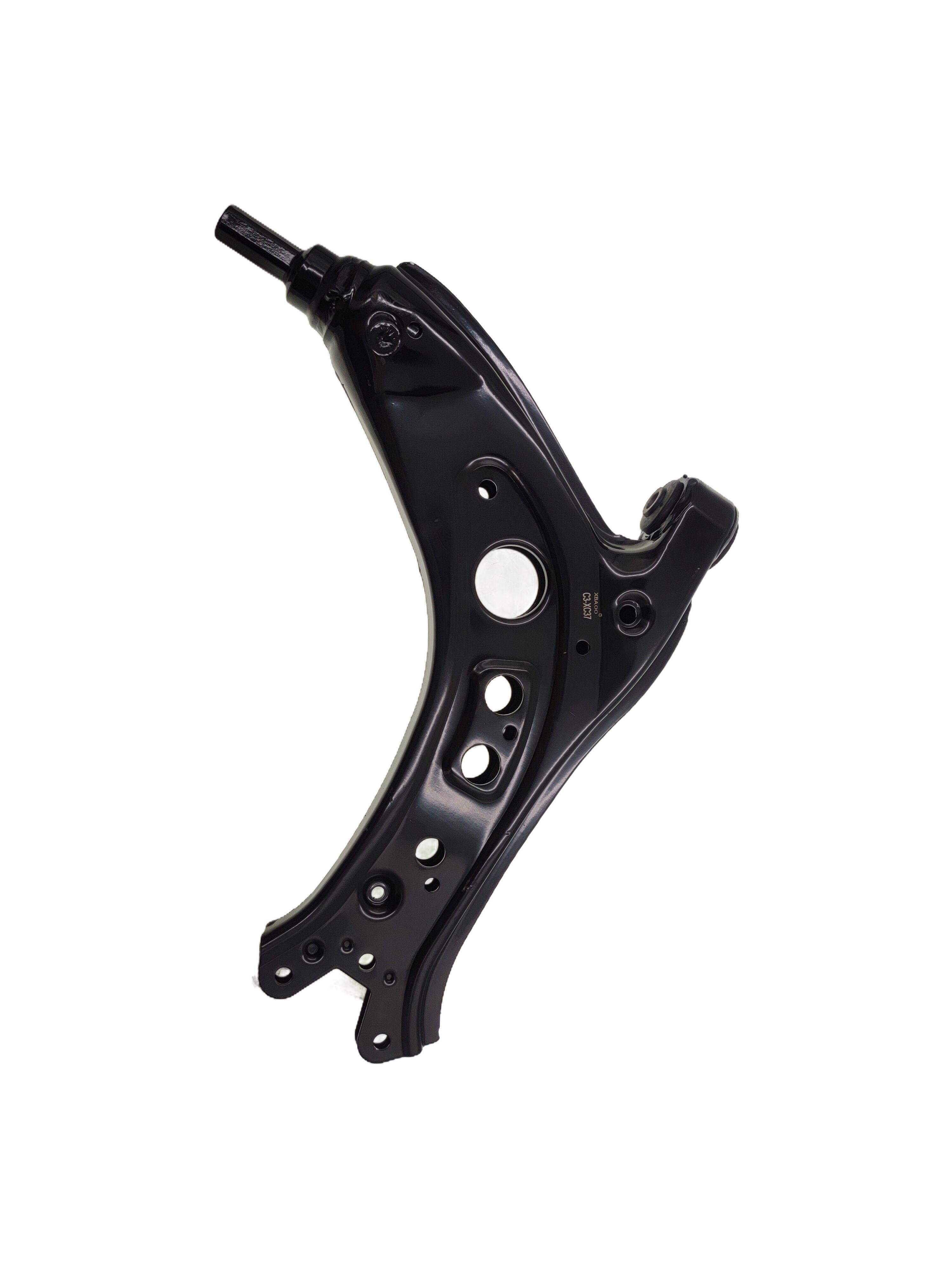
Upgrading your vehicle's toe arm configuration represents a critical step toward achieving optimal suspension performance and enhanced driving dynamics. This comprehensive implementation guide addresses the essential considerations, technical requirements, and strategic approaches necessary for successful toe arm upgrade execution in modern automotive applications.
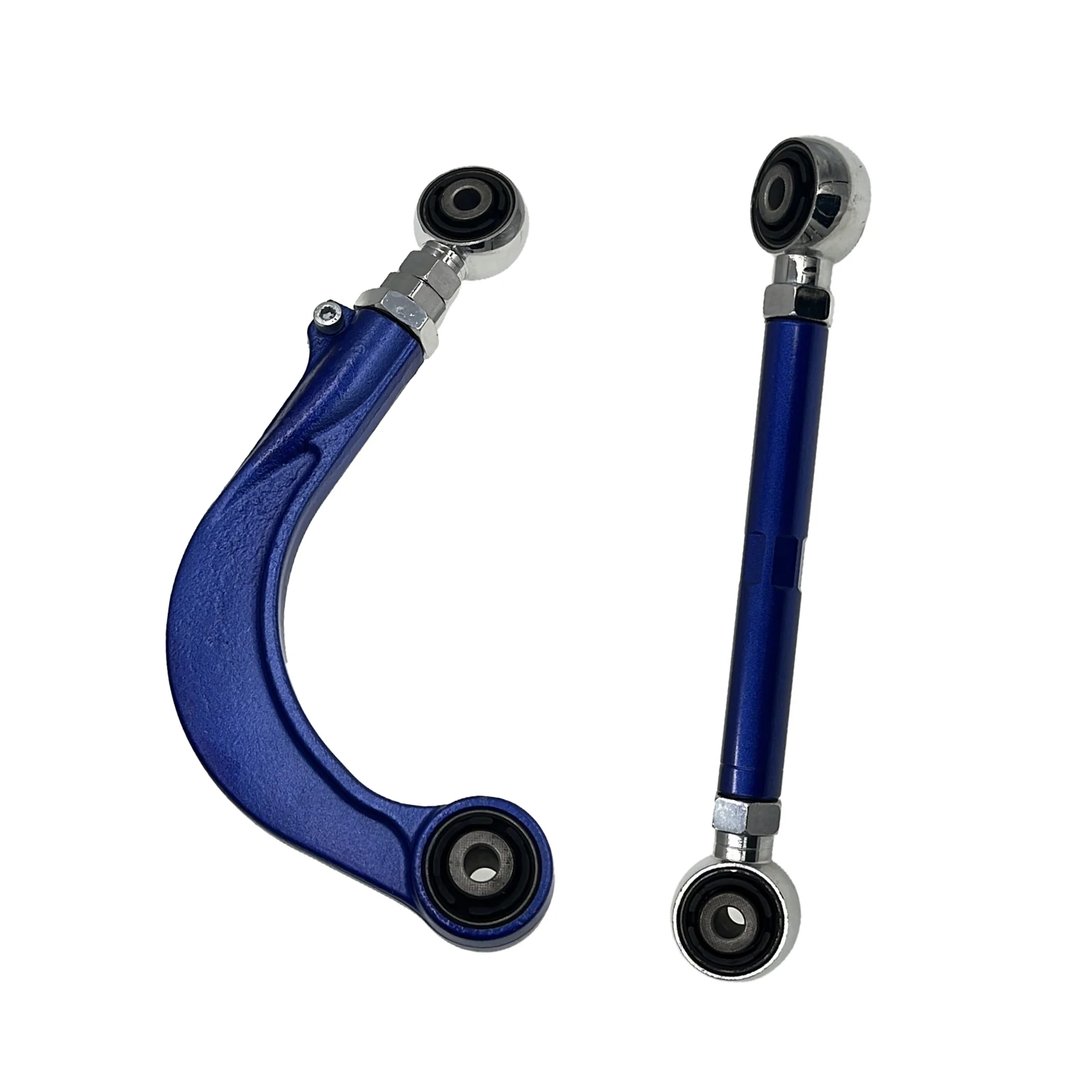
The toe arm upgrade process demands careful planning, precise execution, and thorough understanding of suspension geometry principles. Professional implementation success depends on systematic evaluation of existing components, proper selection of upgrade hardware, and methodical installation procedures that ensure long-term reliability and performance improvements.
Pre-Implementation Assessment and Planning
Current Suspension System Evaluation
Before initiating any toe arm upgrade project, comprehensive assessment of the existing suspension configuration establishes the foundation for successful implementation. This evaluation process involves detailed inspection of current toe arm assemblies, related suspension components, and overall vehicle alignment characteristics that influence upgrade compatibility and effectiveness.
Professional assessment begins with systematic examination of existing toe arm mounting points, bushings, and adjustment mechanisms. Worn or damaged components require replacement or refurbishment before upgrade implementation to ensure optimal performance from new toe arm assemblies. This preliminary inspection reveals potential compatibility issues and identifies additional components that may require simultaneous upgrade or modification.
Vehicle-specific considerations play crucial roles in determining appropriate toe arm upgrade specifications and implementation strategies. Different automotive platforms present unique challenges related to mounting configurations, adjustment ranges, and integration with existing suspension geometry. Understanding these platform-specific requirements ensures proper toe arm selection and prevents compatibility issues during installation.
Performance Objectives Definition
Clear definition of performance objectives guides toe arm upgrade selection and implementation strategy development. Whether targeting improved handling precision, enhanced adjustability, or increased durability, specific performance goals determine appropriate upgrade specifications and installation approaches that deliver measurable improvements in vehicle dynamics.
Handling enhancement objectives typically focus on improved steering response, reduced tire wear, and enhanced cornering stability through precise toe arm adjustment capabilities. These goals require careful consideration of adjustment range requirements, mounting rigidity, and overall suspension geometry integration to achieve desired performance characteristics without compromising ride quality or component longevity.
Track-focused applications demand toe arm upgrades that provide maximum adjustability, superior durability, and consistent performance under extreme operating conditions. These requirements influence material selection, bearing specifications, and mounting design choices that ensure reliable operation during high-stress driving scenarios while maintaining precise adjustment capabilities throughout extended use periods.
Component Selection and Specification
Toe Arm Design Considerations
Effective toe arm selection requires comprehensive understanding of design variations, material specifications, and adjustment mechanisms that influence performance characteristics and implementation requirements. Modern toe arm designs incorporate various engineering approaches that balance adjustability, durability, and installation compatibility while addressing specific vehicle platform requirements.
Adjustability mechanisms represent critical toe arm design elements that determine precision and range of alignment adjustments available during implementation and subsequent tuning. Threaded adjustment systems provide fine-tuning capabilities essential for achieving optimal tire contact patch alignment, while cam-based systems offer simplified adjustment procedures suitable for less demanding applications.
Material selection directly impacts toe arm performance characteristics, durability, and overall implementation success. High-strength steel construction provides excellent durability and mounting rigidity, while aluminum alternatives offer weight reduction benefits with appropriate strength characteristics for many applications. Advanced composite materials deliver exceptional strength-to-weight ratios but require careful consideration of mounting stress distribution and long-term fatigue resistance.
Compatibility Verification
Thorough compatibility verification ensures successful toe arm upgrade implementation without unexpected installation challenges or performance limitations. This verification process encompasses dimensional analysis, mounting configuration assessment, and integration evaluation with existing suspension components to confirm proper fit and function.
Mounting point analysis involves precise measurement of existing toe arm attachment locations, bolt patterns, and clearance requirements that influence upgrade component selection. Dimensional compatibility extends beyond basic mounting considerations to include adjustment range limitations, component interference potential, and accessibility for future maintenance or adjustment procedures.
Suspension geometry integration requires careful evaluation of how toe arm upgrades affect overall suspension kinematics, roll center locations, and alignment parameter relationships. These interactions influence vehicle handling characteristics and require consideration during component selection to ensure upgrade benefits align with intended performance objectives without introducing undesirable side effects.
Installation Procedures and Best Practices
Preparation and Setup
Proper preparation establishes the foundation for successful toe arm upgrade implementation through systematic workspace organization, tool preparation, and vehicle positioning that facilitates efficient installation procedures. Professional-grade equipment and methodical approach ensure installation quality while minimizing potential complications during the upgrade process.
Vehicle preparation begins with secure lifting and support using appropriate equipment rated for the vehicle weight and suspension loading characteristics. Proper support positioning prevents suspension component stress and provides safe working conditions while maintaining accurate suspension geometry during toe arm removal and installation procedures.
Tool requirements include precision torque specifications, alignment measurement equipment, and specialized removal tools specific to existing toe arm configurations. Quality tools ensure proper installation torque application, accurate alignment verification, and efficient component handling that reduces installation time while maintaining professional standards throughout the upgrade process.
Sequential Installation Process
Systematic toe arm installation follows established procedures that ensure proper component orientation, secure mounting, and accurate initial alignment settings. This sequential approach minimizes installation errors while providing verification points throughout the process that confirm proper upgrade implementation before final system commissioning.
Component removal begins with careful documentation of existing alignment settings and mounting configurations to provide reference points for new toe arm installation. This documentation process includes measurement recording, photographic documentation, and marking of adjustment positions that facilitate accurate upgrade installation and subsequent alignment procedures.
New toe arm installation requires precise attention to mounting orientation, torque specifications, and initial adjustment settings that establish baseline alignment characteristics. Proper installation sequence ensures correct component engagement while preventing mounting stress or misalignment that could compromise upgrade performance or longevity.
Post-Installation Optimization
Alignment and Calibration
Professional alignment procedures represent the critical final step in toe arm upgrade implementation, ensuring optimal performance delivery through precise adjustment of suspension geometry parameters. This calibration process transforms installed hardware into a properly functioning system that delivers intended performance improvements while maintaining vehicle safety and tire wear characteristics.
Initial alignment assessment establishes baseline measurements that guide toe arm adjustment procedures toward optimal settings for specific vehicle applications and performance objectives. This assessment process involves comprehensive measurement of toe angles, camber relationships, and overall suspension geometry that influences final adjustment strategies and performance outcomes.
Fine-tuning procedures utilize toe arm adjustability to achieve precise alignment specifications that optimize tire contact patch characteristics and vehicle handling performance. These adjustments require systematic approach with incremental changes and verification measurements that ensure accuracy while preventing over-adjustment or component stress during the calibration process.
Performance Validation
Comprehensive performance validation confirms successful toe arm upgrade implementation through systematic testing and measurement procedures that verify achievement of intended performance objectives. This validation process provides objective confirmation of upgrade effectiveness while identifying any remaining adjustments required for optimal system performance.
Dynamic testing involves controlled evaluation of vehicle handling characteristics, steering response, and stability under various driving conditions that reveal toe arm upgrade effectiveness. These tests provide real-world performance feedback that validates theoretical design benefits while identifying opportunities for further optimization through adjustment refinement.
Long-term monitoring establishes ongoing verification of toe arm upgrade performance through periodic alignment checks, component inspection, and performance assessment procedures. This monitoring approach ensures sustained upgrade benefits while enabling proactive maintenance and adjustment that maintains optimal performance characteristics throughout the component service life.
FAQ
What are the primary benefits of upgrading to adjustable toe arms?
Adjustable toe arm upgrades provide enhanced alignment precision, improved handling characteristics, and extended tire life through optimized wheel positioning. These benefits result from increased adjustment range, superior component durability, and precise control over suspension geometry that enables fine-tuning for specific performance requirements and driving conditions.
How long does professional toe arm installation typically require?
Professional toe arm installation generally requires 2-4 hours depending on vehicle complexity, existing component condition, and alignment requirements. This timeframe includes component removal, new toe arm installation, initial alignment procedures, and performance verification testing that ensures proper upgrade implementation and optimal system performance.
What maintenance requirements apply to upgraded toe arm assemblies?
Upgraded toe arm assemblies typically require periodic inspection of adjustment mechanisms, bushing condition, and mounting hardware integrity. Recommended maintenance intervals range from 12-24 months depending on driving conditions and component specifications, with particular attention to adjustment mechanism lubrication and alignment verification procedures.
Can toe arm upgrades be implemented on vehicles with existing suspension modifications?
Toe arm upgrades are generally compatible with existing suspension modifications, but require careful evaluation of component interactions and clearance requirements. Professional assessment determines optimal upgrade specifications that complement existing modifications while ensuring proper fit, function, and performance integration within the modified suspension system configuration.