
 EN
EN
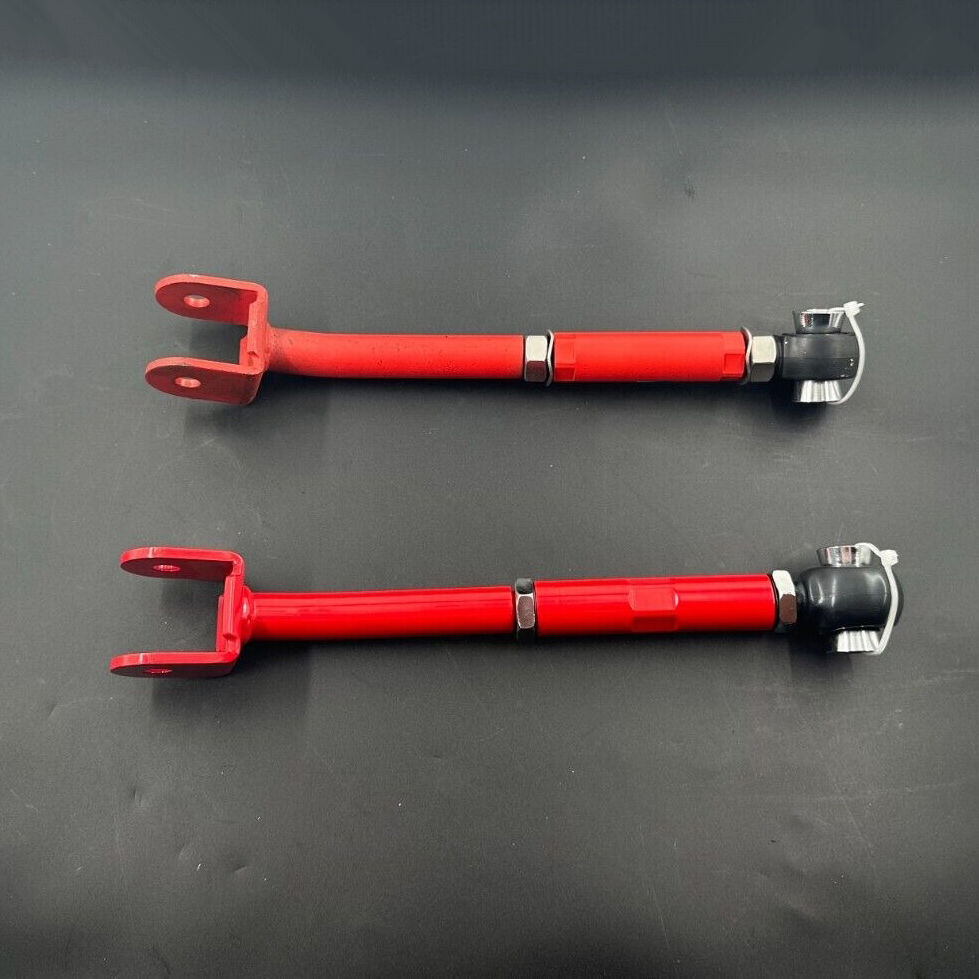
The decision to pursue a suspension parts upgrade represents a significant investment consideration for vehicle owners, fleet managers, and automotive enthusiasts alike. While the allure of enhanced performance and improved driving dynamics is compelling, the financial implications and return on investment require careful evaluation. Understanding both the advantages and drawbacks of upgrading suspension components helps stakeholders make informed decisions that align with their performance goals and budget constraints.
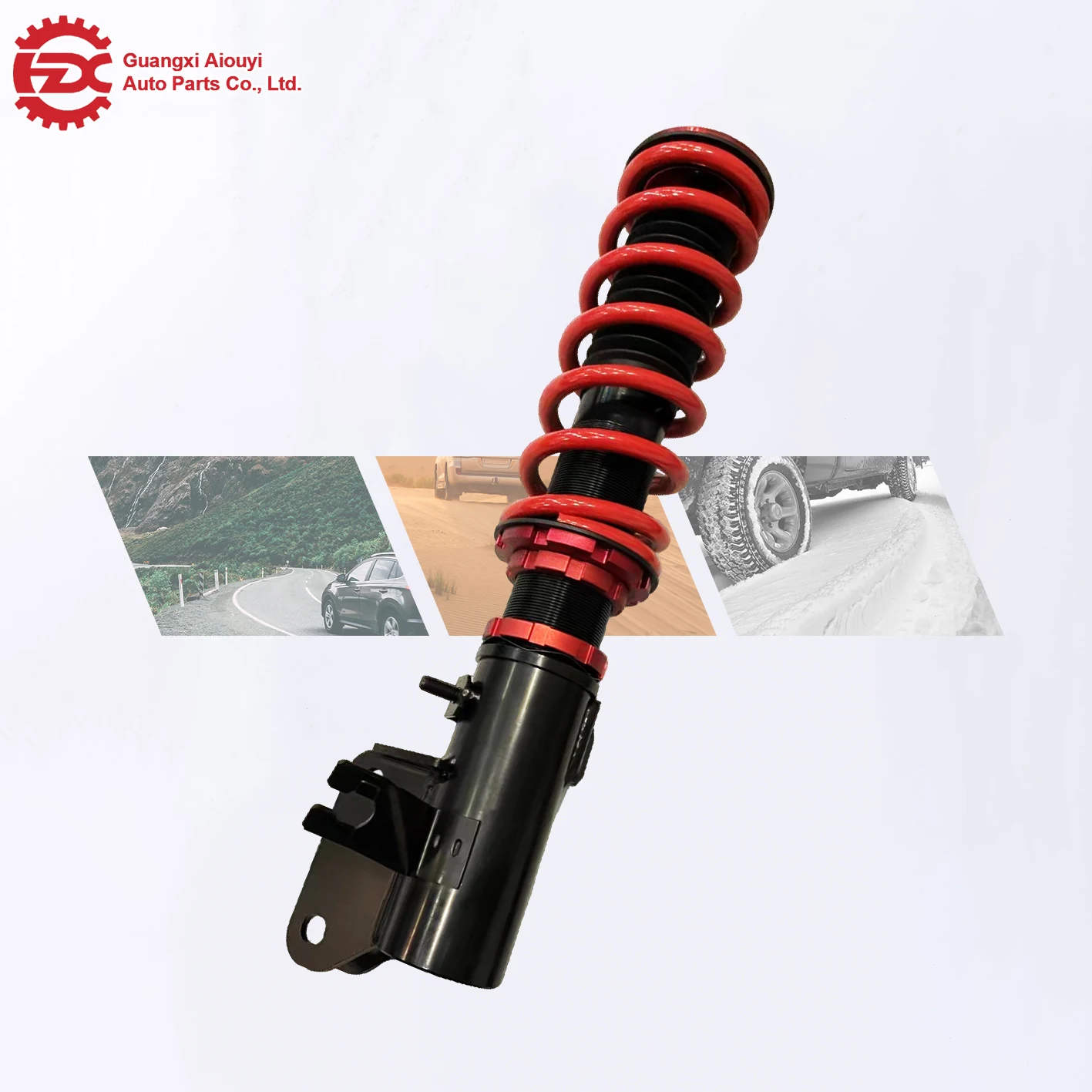
Modern suspension technology offers unprecedented opportunities for customization and performance enhancement, yet the complexity of these systems demands thorough analysis before committing resources. The return on investment from a suspension parts upgrade extends beyond mere monetary calculations, encompassing factors such as vehicle longevity, safety improvements, operational efficiency, and long-term maintenance considerations that collectively influence the overall value proposition.
Financial Benefits of Suspension Parts Upgrade
Enhanced Vehicle Resale Value
A well-executed suspension parts upgrade can significantly boost vehicle resale value, particularly when high-quality components are professionally installed. Premium suspension systems demonstrate to potential buyers that the vehicle has been maintained with attention to performance and safety. This perceived value often translates into higher asking prices and faster sale times in the used vehicle market.
Quality suspension upgrades typically retain 60-70% of their initial value when properly maintained, making them among the more worthwhile automotive investments. The key lies in selecting reputable brands and ensuring professional installation, as these factors directly impact buyer confidence and perceived reliability. Documentation of the upgrade work and component specifications further enhances the vehicle's marketability.
Reduced Long-Term Maintenance Costs
Modern suspension parts upgrade options often incorporate advanced materials and engineering that extend service intervals and reduce maintenance frequency. High-performance shock absorbers and struts may feature improved sealing technologies and more durable internal components, resulting in fewer replacement cycles over the vehicle's lifespan. This longevity translates into measurable cost savings for fleet operators and individual owners alike.
Additionally, upgraded suspension systems can reduce wear on related components such as tires, brake systems, and steering mechanisms. The improved handling characteristics and better road contact provided by quality suspension modifications help distribute forces more evenly throughout the vehicle, minimizing premature wear patterns that would otherwise require costly repairs or replacements.
Operational Efficiency Gains
For commercial applications and fleet operations, a suspension parts upgrade can deliver measurable improvements in fuel efficiency and cargo protection. Enhanced suspension geometry and damping characteristics reduce energy losses from unnecessary vehicle movement, contributing to better fuel economy. These gains become particularly significant for high-mileage vehicles or those operating under challenging road conditions.
Improved ride quality also protects sensitive cargo and reduces driver fatigue, leading to increased productivity and reduced insurance claims. The cumulative effect of these operational improvements often justifies the initial investment through lower operating costs and improved service reliability over time.
Performance and Safety Advantages
Enhanced Handling and Control
The primary motivation for most suspension parts upgrade projects centers on improved vehicle dynamics and handling characteristics. Modern coilover systems and adjustable shock absorbers provide precise control over vehicle behavior, allowing drivers to optimize performance for specific driving conditions or preferences. This enhanced control translates into improved safety margins and more confident vehicle operation.
Advanced suspension technologies offer adjustability features that were previously available only in professional racing applications. These capabilities enable fine-tuning of compression and rebound damping, ride height adjustment, and spring rate optimization. Such customization ensures that the suspension parts upgrade delivers maximum benefit for the intended application.
Improved Braking Performance
Quality suspension upgrades contribute significantly to braking effectiveness by maintaining optimal tire contact with road surfaces during deceleration. Reduced body roll and improved weight distribution help maximize the available traction from each tire, resulting in shorter stopping distances and more predictable braking behavior. This safety improvement becomes particularly valuable in emergency situations or challenging driving conditions.
The stability provided by upgraded suspension components also enhances ABS and electronic stability control system effectiveness. These safety technologies rely on consistent tire contact and predictable vehicle dynamics to function optimally, making suspension upgrades a valuable complement to modern active safety systems.
Investment Challenges and Drawbacks
High Initial Capital Requirements
The upfront cost of a comprehensive suspension parts upgrade represents a significant financial commitment that may not be justified for all vehicle applications. Quality suspension components from reputable manufacturers command premium prices, and professional installation adds substantial labor costs to the total investment. For vehicles with limited remaining service life or low annual mileage, these costs may exceed the realistic return on investment.
Budget considerations must also account for potential additional modifications that may become necessary or desirable following the suspension upgrade. Brake system enhancements, wheel and tire upgrades, or alignment adjustments often accompany suspension modifications, further increasing the total project cost beyond initial estimates.
Compatibility and Integration Concerns
Modern vehicles incorporate sophisticated electronic systems that monitor and control various aspects of vehicle dynamics, creating potential compatibility issues with aftermarket suspension parts upgrade options. Electronic stability control, adaptive cruise control, and advanced driver assistance systems may require recalibration or modification to function properly with upgraded suspension components.
These integration challenges can result in unexpected additional costs and may void certain vehicle warranties. The complexity of modern automotive systems demands careful research and professional consultation before proceeding with suspension modifications, particularly on newer vehicles with extensive electronic integration.
Ride Quality Trade-offs
Performance-oriented suspension parts upgrade projects often involve compromises between handling capability and ride comfort. Stiffer springs and more aggressive damping settings that improve cornering performance may result in increased road noise, harsh ride quality over rough surfaces, and reduced passenger comfort during daily driving. These trade-offs must be carefully considered against the intended use and priorities of the vehicle owner.
The adjustability features available in premium suspension systems can mitigate some of these concerns, but finding the optimal balance between performance and comfort requires time, experience, and often multiple adjustment sessions. This ongoing tuning process represents an additional time investment that some owners may find burdensome.
ROI Calculation Methodology
Quantifiable Financial Metrics
Calculating the return on investment for a suspension parts upgrade requires systematic evaluation of both direct financial benefits and operational improvements. Direct benefits include increased resale value, reduced maintenance costs, and potential fuel economy improvements. These factors can be quantified through market research, historical maintenance records, and fuel consumption data analysis.
Operational improvements such as reduced downtime, improved cargo protection, and enhanced driver productivity require more complex analysis but can provide substantial value in commercial applications. Fleet managers should track metrics such as maintenance intervals, insurance claims, and driver satisfaction scores to accurately assess the financial impact of suspension upgrades.
Intangible Value Considerations
Beyond measurable financial returns, suspension parts upgrade investments deliver intangible benefits that contribute to overall ownership satisfaction and vehicle utility. Improved safety margins, enhanced driving enjoyment, and increased confidence in challenging conditions represent valuable returns that may justify the investment even when purely financial calculations appear marginal.
These intangible benefits become particularly important for enthusiast applications where driving experience and vehicle capability take precedence over strict financial considerations. However, even in commercial applications, factors such as driver satisfaction and company image can influence the overall value proposition of suspension upgrades.
Strategic Implementation Considerations
Timing and Vehicle Selection
The optimal timing for a suspension parts upgrade depends on multiple factors including vehicle age, condition, intended service life, and current suspension system performance. Vehicles with high remaining mileage and extended service expectations typically offer better return on investment than those approaching end-of-life status or scheduled replacement.
Strategic implementation often involves coordinating suspension upgrades with other scheduled maintenance or modification projects to minimize labor costs and vehicle downtime. This approach maximizes the efficiency of the investment while ensuring that all vehicle systems work together optimally.
Component Selection and Quality Standards
The success of any suspension parts upgrade project depends heavily on component selection and quality standards. Premium manufacturers typically offer superior materials, better engineering, and more comprehensive warranties that protect the investment over time. While these products command higher initial costs, their durability and performance characteristics often provide better long-term value.
Quality suspension components also maintain their performance characteristics more consistently over time, ensuring that the investment continues to deliver benefits throughout the service life. This consistency becomes particularly important for commercial applications where predictable performance and reliability are essential for operational efficiency.
FAQ
What is the typical payback period for a suspension parts upgrade investment?
The payback period for suspension parts upgrade investments varies significantly based on vehicle usage, component quality, and specific application requirements. For commercial vehicles with high annual mileage, payback periods of 2-3 years are common through reduced maintenance costs and improved operational efficiency. Personal vehicles may require 3-5 years to realize full financial returns, though intangible benefits often justify the investment sooner.
How do suspension upgrades affect vehicle warranty coverage?
Aftermarket suspension modifications can potentially void certain aspects of vehicle warranties, particularly those related to suspension, steering, and electronic stability systems. However, quality installations using reputable components rarely cause warranty issues for unrelated systems. Vehicle owners should consult with dealerships and review warranty terms before proceeding with suspension parts upgrade projects to understand potential implications.
Can suspension upgrades improve fuel economy significantly enough to justify the cost?
While suspension parts upgrade projects can contribute to improved fuel economy through reduced energy losses and better aerodynamics, these gains are typically modest in most applications. Fuel economy improvements of 2-5% are realistic expectations, which may not alone justify the investment cost. However, when combined with other benefits such as improved handling, safety, and reduced maintenance costs, fuel economy gains contribute to the overall return on investment.
What factors most influence the long-term ROI of suspension modifications?
Component quality, professional installation, proper maintenance, and appropriate application matching are the primary factors influencing long-term ROI for suspension parts upgrade projects. High-quality components from reputable manufacturers typically provide better durability and performance retention over time. Professional installation ensures optimal performance and longevity, while proper maintenance preserves the investment value throughout the service life.
Table of Contents
- Financial Benefits of Suspension Parts Upgrade
- Performance and Safety Advantages
- Investment Challenges and Drawbacks
- ROI Calculation Methodology
- Strategic Implementation Considerations
-
FAQ
- What is the typical payback period for a suspension parts upgrade investment?
- How do suspension upgrades affect vehicle warranty coverage?
- Can suspension upgrades improve fuel economy significantly enough to justify the cost?
- What factors most influence the long-term ROI of suspension modifications?