
 EN
EN
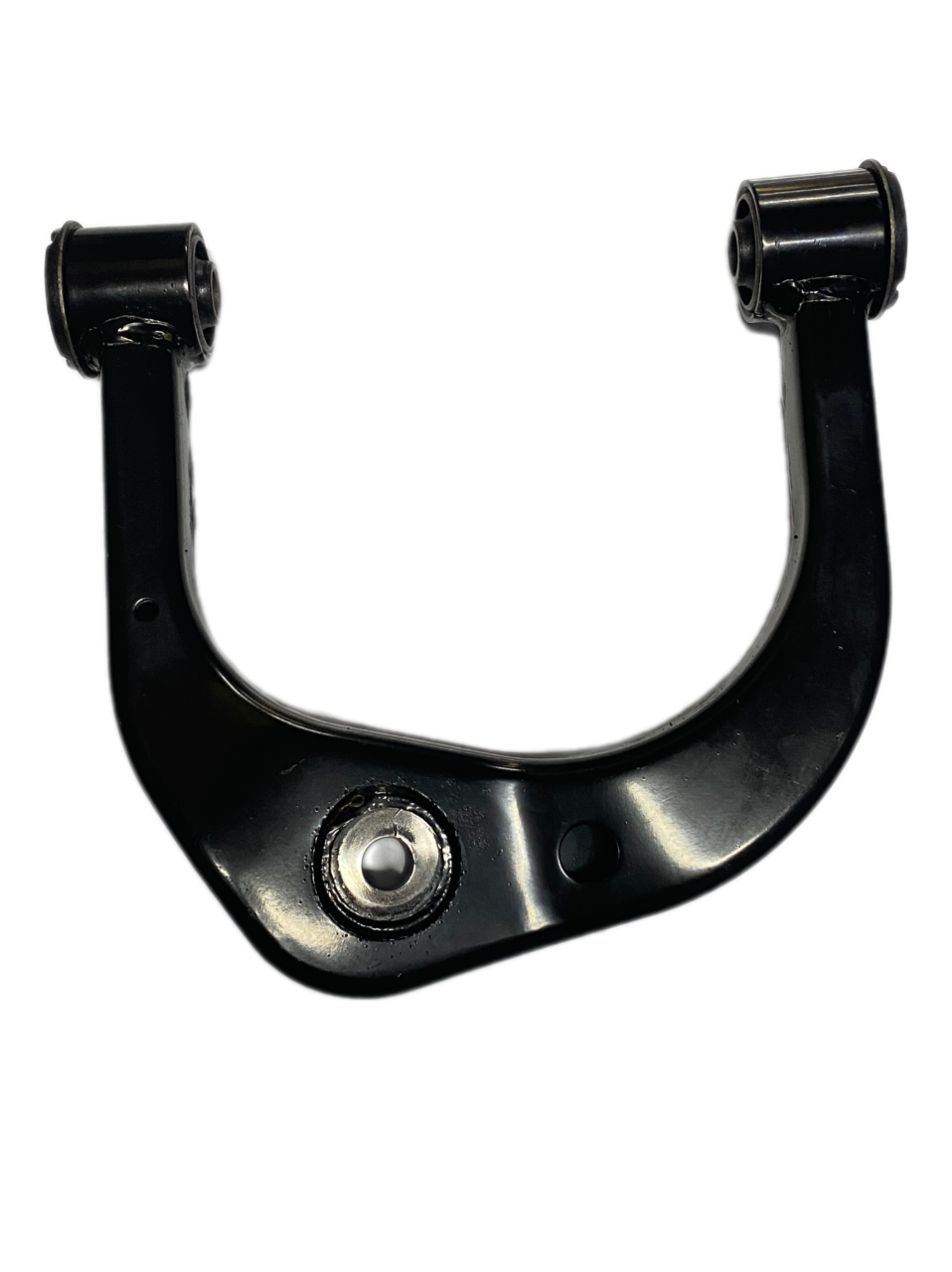
When it comes to vehicle suspension systems, the lower control arm stands as one of the most critical components affecting both performance and safety. This essential part connects the vehicle's frame to the wheel assembly, controlling vertical movement while maintaining proper wheel alignment. Understanding the relationship between lower control arm pricing and durability becomes crucial for vehicle owners seeking the optimal balance between cost-effectiveness and long-term reliability. Modern automotive markets offer various options, from budget-friendly alternatives to premium solutions, each presenting distinct advantages and considerations for different driving needs.
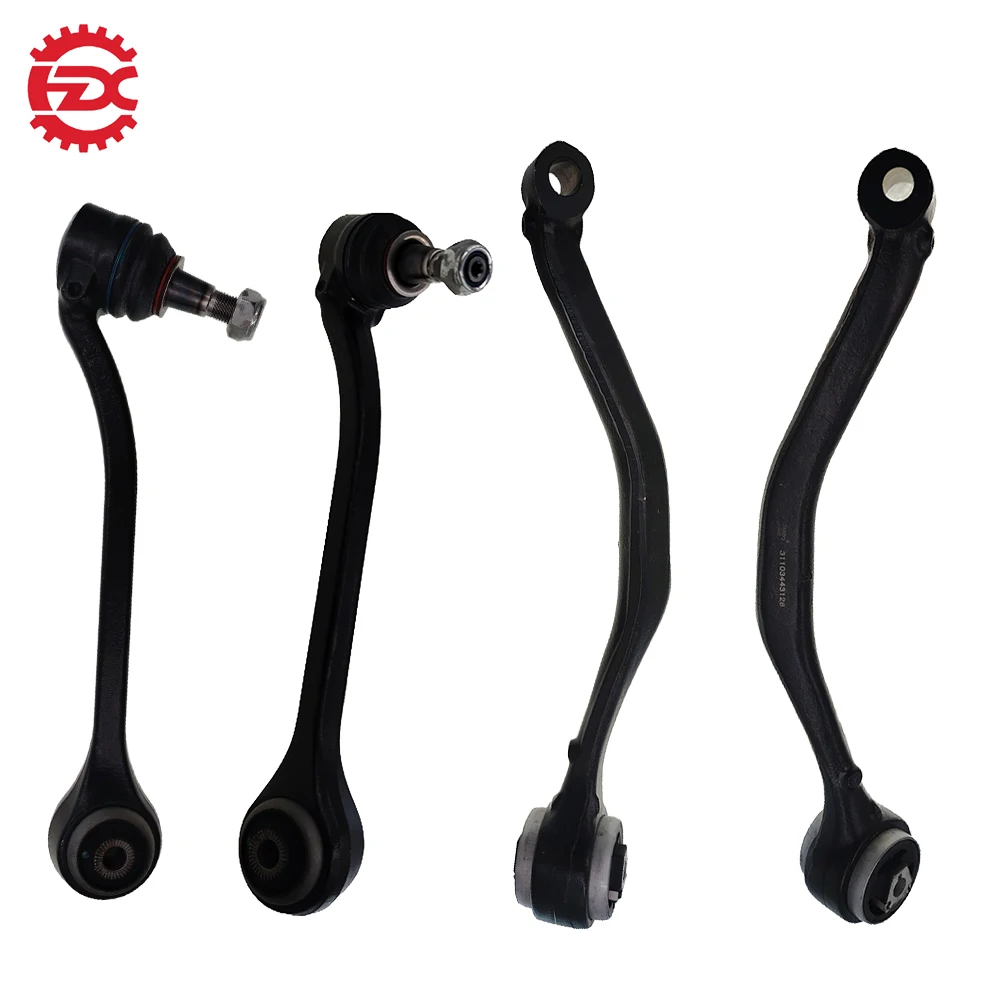
Understanding Lower Control Arm Construction and Materials
Steel Construction Benefits
Steel lower control arms represent the traditional approach to suspension component manufacturing, offering exceptional strength and proven durability. These components typically feature forged or stamped steel construction, providing robust structural integrity under demanding driving conditions. The inherent strength of steel allows manufacturers to design lower control arm assemblies that withstand significant stress loads while maintaining dimensional stability over extended service periods. Steel construction also enables easier repair procedures, as welding and reinforcement techniques remain readily accessible to professional technicians.
The cost-effectiveness of steel lower control arm production contributes to more accessible pricing points for consumers. Manufacturing processes for steel components have been refined over decades, resulting in efficient production methods that translate to competitive market pricing. Additionally, steel's recyclability aligns with environmental considerations, making these components more sustainable throughout their lifecycle. However, steel construction does present certain weight penalties compared to alternative materials, potentially affecting overall vehicle performance characteristics.
Aluminum Alloy Advantages
Aluminum alloy lower control arms offer significant weight reduction benefits while maintaining structural integrity comparable to steel alternatives. These lightweight components contribute to improved fuel efficiency and enhanced handling characteristics through reduced unsprung weight. The corrosion resistance properties of aluminum alloys provide extended service life in harsh environmental conditions, particularly beneficial for vehicles operated in coastal regions or areas with frequent road salt exposure. Manufacturing techniques for aluminum lower control arms have advanced considerably, incorporating sophisticated casting and forging processes.
The precision manufacturing capabilities associated with aluminum alloy production enable tighter tolerances and improved fit characteristics. This enhanced precision translates to better suspension geometry maintenance and reduced wear on associated components. While aluminum lower control arms typically command higher initial pricing, their durability characteristics and performance benefits often justify the additional investment for performance-oriented applications and premium vehicle segments.
Price Factors Influencing Lower Control Arm Selection
OEM versus Aftermarket Pricing
Original Equipment Manufacturer lower control arms typically represent the highest price point in the replacement parts market, reflecting stringent quality standards and extensive testing procedures. These components undergo rigorous validation processes to ensure compatibility and performance consistency with vehicle manufacturer specifications. OEM pricing structures account for research and development costs, comprehensive warranty coverage, and distribution network expenses. The premium associated with OEM lower control arms often provides peace of mind regarding fitment accuracy and long-term reliability.
Aftermarket lower control arm options present varying price points depending on manufacturer reputation, quality standards, and target market segments. Premium aftermarket brands often provide performance characteristics comparable to OEM components while offering competitive pricing advantages. Budget-oriented aftermarket alternatives may present significant cost savings but require careful evaluation of quality standards and durability expectations. Understanding the relationship between aftermarket pricing and component quality becomes essential for making informed purchasing decisions.
Geographic and Market Variations
Regional market conditions significantly influence lower control arm pricing structures, reflecting local manufacturing costs, distribution expenses, and competitive dynamics. Markets with established automotive manufacturing presence often benefit from more competitive pricing due to reduced transportation costs and supplier proximity. Import duties, currency fluctuations, and regulatory compliance requirements create additional pricing variables across different regions. Understanding these market factors helps consumers identify optimal purchasing opportunities and timing considerations.
Seasonal demand patterns also affect lower control arm pricing, with winter months typically experiencing increased demand due to harsh weather-related component failures. Planning replacement schedules during off-peak periods can result in meaningful cost savings. Additionally, bulk purchasing opportunities through professional installation facilities may provide access to wholesale pricing structures not available to individual consumers.
Durability Assessment and Performance Metrics
Service Life Expectations
Evaluating lower control arm durability requires understanding typical service life expectations under various operating conditions. Standard passenger vehicle applications generally expect lower control arm service intervals between 80,000 and 120,000 miles under normal driving conditions. However, aggressive driving styles, harsh environmental conditions, and inadequate maintenance practices can significantly reduce these intervals. High-quality lower control arms often exceed standard expectations, providing extended service life through superior materials and manufacturing processes.
Performance vehicle applications place additional demands on lower control arm durability, requiring components capable of withstanding increased stress loads and frequent dynamic loading cycles. Track-oriented driving conditions can reduce service intervals to 30,000-50,000 miles, depending on usage intensity and maintenance practices. Understanding application-specific durability requirements helps guide appropriate component selection and budget planning for replacement intervals.
Failure Mode Analysis
Common lower control arm failure modes include bushing deterioration, ball joint wear, and structural fatigue cracking. Bushing degradation typically represents the most frequent failure mechanism, resulting from rubber compound deterioration due to environmental exposure and dynamic loading cycles. High-quality lower control arms incorporate advanced bushing materials and design features that extend service life and maintain performance characteristics throughout extended operational periods.
Ball joint wear patterns provide valuable insights into lower control arm quality and durability characteristics. Premium components feature enhanced lubrication systems and wear-resistant materials that minimize maintenance requirements and extend replacement intervals. Monitoring ball joint condition serves as an early indicator of overall lower control arm health and helps predict optimal replacement timing to avoid unexpected failures.
Cost-Benefit Analysis Framework
Total Cost of Ownership
Developing a comprehensive understanding of lower control arm total cost of ownership requires evaluating initial purchase price, installation costs, and long-term maintenance expenses. While premium lower control arms command higher initial pricing, their extended service life often results in lower per-mile operating costs compared to budget alternatives. Professional installation costs remain relatively consistent regardless of component price point, making higher-quality options more attractive from an overall value perspective.
Unexpected failure costs can significantly impact total ownership expenses, particularly when component failures occur during inconvenient circumstances or in remote locations. Investing in higher-durability lower control arms reduces the likelihood of roadside failures and associated towing, accommodation, and emergency repair costs. Additionally, premium components often include comprehensive warranty coverage that provides financial protection against manufacturing defects and premature failures.
Performance Impact Considerations
The relationship between lower control arm quality and overall vehicle performance extends beyond simple durability metrics. High-quality components maintain suspension geometry more effectively throughout their service life, preserving handling characteristics and tire wear patterns. Poor-quality lower control arms may exhibit premature wear that compromises vehicle stability and safety performance, potentially creating liability concerns and additional maintenance expenses.
Fuel efficiency impacts from lower control arm selection, while seemingly minor, can accumulate significant cost implications over extended service periods. Lightweight aluminum components and precision-manufactured steel alternatives contribute to reduced rolling resistance and improved aerodynamic efficiency. These performance benefits translate to measurable fuel economy improvements that help offset higher initial component costs through operational savings.
Installation and Maintenance Considerations
Professional Installation Requirements
Lower control arm replacement procedures require specialized tools and technical expertise to ensure proper installation and alignment specifications. Professional installation facilities possess the necessary equipment for accurate suspension geometry measurements and adjustments. Attempting DIY installation without appropriate tools and knowledge can result in improper alignment settings that accelerate tire wear and compromise vehicle handling characteristics. The complexity of modern suspension systems makes professional installation the recommended approach for most vehicle owners.
Installation labor costs vary significantly based on vehicle design complexity and regional labor rates. Some lower control arm configurations require extensive disassembly procedures that increase installation time and associated costs. Understanding installation requirements helps budget planning and ensures appropriate scheduling with qualified service facilities. Additionally, professional installation typically includes warranty coverage that provides protection against installation-related issues.
Maintenance Best Practices
Proper maintenance practices significantly extend lower control arm service life and optimize durability characteristics. Regular inspection schedules help identify early wear indicators before component failure occurs. Visual examinations should focus on bushing condition, ball joint play, and structural integrity signs. Professional suspension inspections during routine maintenance intervals provide comprehensive assessments that identify potential issues before they develop into costly failures.
Environmental protection measures help preserve lower control arm condition in harsh operating conditions. Regular washing to remove road salt and debris accumulation prevents accelerated corrosion and wear. Protective coating applications can provide additional durability benefits for vehicles operated in severe environments. Understanding maintenance requirements helps maximize component service life and return on investment for premium lower control arms.
Market Trends and Future Developments
Emerging Technologies
Advanced manufacturing technologies continue reshaping lower control arm design and production capabilities. Additive manufacturing techniques enable complex geometric designs that optimize strength-to-weight ratios while reducing material waste. These innovations promise improved performance characteristics and potentially reduced production costs as technology adoption increases. Computer-aided design optimization allows manufacturers to identify stress concentration points and develop more durable component configurations.
Material science advances introduce new alloy compositions and composite materials that offer enhanced durability characteristics. Carbon fiber reinforced components provide exceptional strength-to-weight ratios but currently remain limited to high-performance applications due to cost considerations. As production volumes increase and manufacturing processes improve, these advanced materials may become more accessible for mainstream automotive applications.
Sustainability Initiatives
Environmental consciousness drives increasing focus on sustainable lower control arm manufacturing and disposal practices. Recyclable materials and environmentally responsible production methods become more prevalent as manufacturers respond to regulatory requirements and consumer preferences. Life cycle assessment methodologies help evaluate total environmental impact, influencing design decisions and material selection processes.
Remanufacturing programs offer environmentally conscious alternatives that provide cost savings while reducing waste generation. These programs restore used lower control arm cores to original specifications through comprehensive rebuilding processes. Quality remanufactured components often provide durability characteristics comparable to new parts while offering significant cost advantages and environmental benefits.
FAQ
How long should a quality lower control arm last under normal driving conditions
A high-quality lower control arm typically lasts between 80,000 and 120,000 miles under normal driving conditions. However, service life can vary significantly based on driving habits, road conditions, maintenance practices, and component quality. Vehicles operated in harsh environments with frequent exposure to road salt, extreme temperatures, or rough road surfaces may experience reduced service intervals. Regular suspension inspections help identify wear indicators before complete failure occurs, allowing for planned replacement rather than emergency repairs.
What factors should I consider when comparing lower control arm prices
When comparing lower control arm prices, consider total cost of ownership rather than just initial purchase price. Evaluate component materials, manufacturer reputation, warranty coverage, and expected service life. Factor in installation costs, which remain relatively consistent regardless of component price point. Consider the relationship between price and durability, as premium components often provide better long-term value through extended service life and reduced maintenance requirements. Additionally, assess compatibility with your specific vehicle application and driving requirements.
Is it worth paying more for OEM lower control arms versus aftermarket alternatives
OEM lower control arms typically offer guaranteed fitment accuracy and proven durability characteristics but command premium pricing. High-quality aftermarket alternatives often provide comparable performance at reduced costs, making them attractive options for cost-conscious consumers. The decision depends on your priorities regarding warranty coverage, fitment confidence, and budget constraints. Consider your vehicle's age, mileage, and intended service life when making this decision. For newer vehicles under warranty, OEM components may be preferred to maintain warranty coverage.
How can I maximize the durability of my lower control arms
Maximize lower control arm durability through regular maintenance and proper driving practices. Schedule routine suspension inspections to identify wear indicators early. Keep components clean by removing road salt and debris accumulation through regular washing. Avoid aggressive driving practices that place excessive stress on suspension components. Maintain proper tire inflation and alignment settings to reduce stress on lower control arm assemblies. Address other suspension problems promptly, as worn components can accelerate lower control arm wear through increased dynamic loading and stress concentration.