
 EN
EN
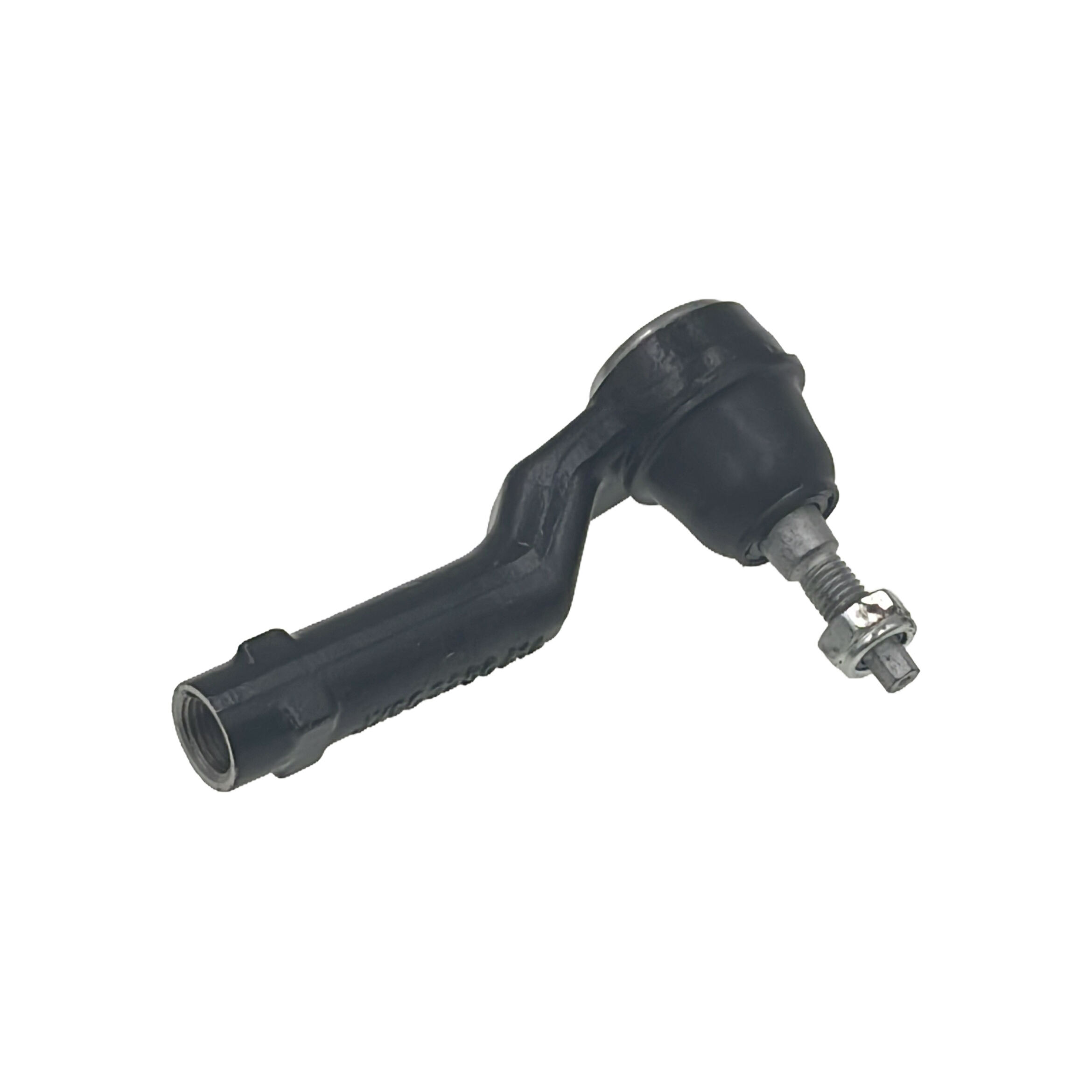
When it comes to vehicle suspension systems, the lower control arm plays a critical role in maintaining proper wheel alignment and ensuring a smooth driving experience. This essential component connects the wheel hub to the vehicle's frame, allowing controlled movement while supporting the weight of the vehicle. Understanding how to evaluate safe lower control arm options is crucial for automotive professionals, fleet managers, and anyone responsible for maintaining vehicle safety standards.
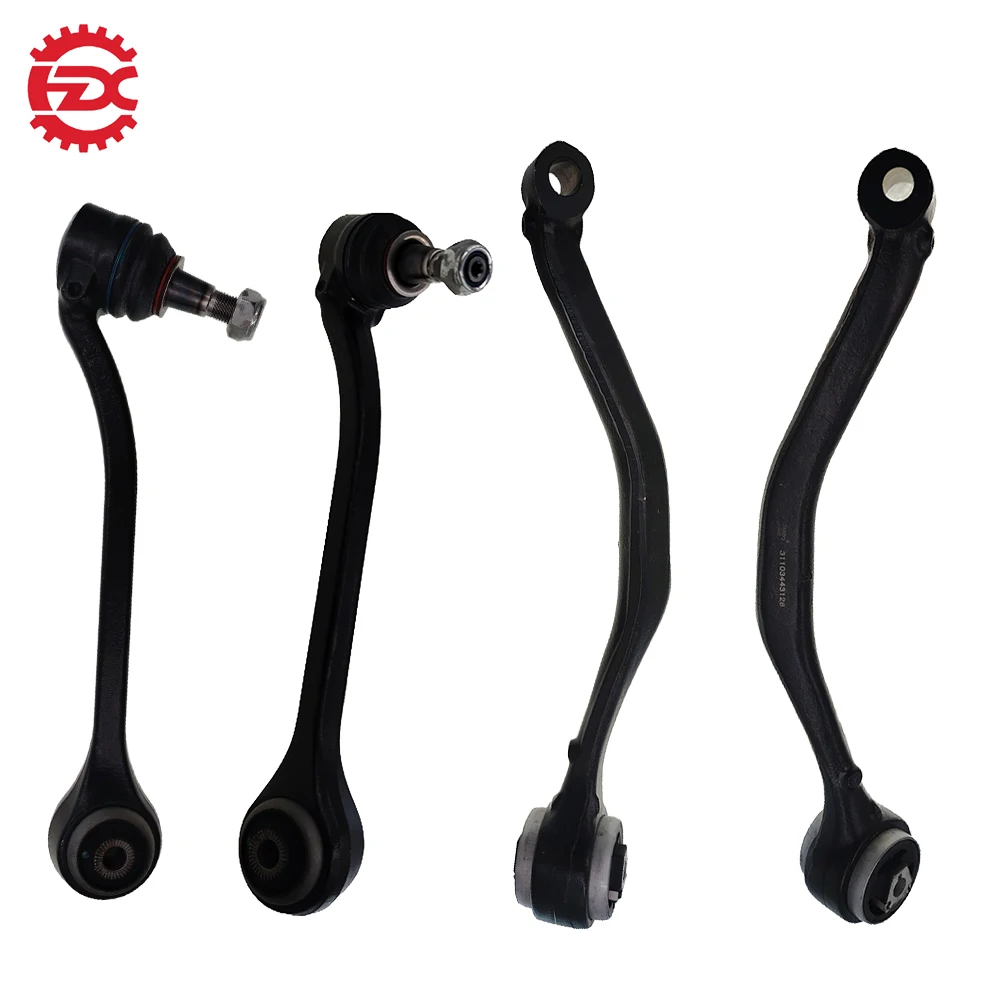
The automotive aftermarket offers numerous lower control arm solutions, but not all components meet the stringent safety and performance requirements needed for reliable operation. Proper evaluation requires a comprehensive understanding of materials, manufacturing processes, compatibility factors, and long-term durability considerations. This systematic approach ensures that replacement parts will perform effectively under various driving conditions while maintaining the structural integrity required for safe vehicle operation.
Modern vehicles rely heavily on precision-engineered suspension components to deliver optimal handling characteristics and ride comfort. The lower control arm must withstand significant forces during acceleration, braking, and cornering while maintaining precise geometric relationships with other suspension elements. This demanding operational environment requires careful consideration of multiple factors when selecting replacement components for professional installations or fleet maintenance programs.
Understanding Lower Control Arm Function and Design
Primary Mechanical Functions
The lower control arm serves as a critical link between the vehicle's unsprung weight and the chassis structure. This component must accommodate vertical wheel movement while preventing unwanted lateral displacement that could compromise handling stability. During normal operation, the lower control arm experiences complex loading patterns that include tension, compression, and torsional forces from various driving conditions.
Modern lower control arm designs incorporate sophisticated geometry to optimize wheel camber and caster angles throughout the suspension travel range. These geometric considerations directly influence tire wear patterns, steering response, and overall vehicle stability. Professional evaluation must consider how replacement components will maintain these critical geometric relationships under various load conditions and driving scenarios.
The bushing interfaces within the lower control arm system provide crucial isolation between moving components while allowing controlled deflection under load. These elastomeric elements must balance compliance for ride comfort with stiffness for precise handling response. Understanding bushing characteristics becomes essential when evaluating complete lower control arm assemblies for specific applications.
Structural Design Considerations
Contemporary lower control arm designs utilize various structural approaches to optimize strength-to-weight ratios while maintaining manufacturing cost effectiveness. Stamped steel configurations offer proven durability and cost advantages, while cast aluminum designs provide weight reduction benefits for performance-oriented applications. The choice between these approaches depends on specific vehicle requirements and operational priorities.
Advanced manufacturing techniques enable complex lower control arm geometries that would be impossible with traditional fabrication methods. These sophisticated designs can incorporate features like integrated mounting points, optimized stress distribution patterns, and weight reduction pockets without compromising structural integrity. Professional evaluation should consider how these design elements contribute to overall system performance and longevity.
The attachment point design for each lower control arm significantly influences load distribution characteristics and maintenance accessibility. Well-engineered mounting interfaces distribute operational stresses effectively while providing secure connections that resist loosening under dynamic loading conditions. These design aspects directly impact installation procedures and long-term reliability expectations.
Material Quality and Manufacturing Standards
Material Selection Criteria
High-quality lower control arm components utilize materials specifically selected for their mechanical properties and environmental resistance characteristics. Premium steel alloys offer excellent strength and fatigue resistance, while advanced aluminum alloys provide weight savings without compromising structural performance. The material selection process must consider factors like corrosion resistance, machinability, and long-term stability under cyclical loading.
Surface treatment processes significantly influence the operational lifespan of lower control arm components. Protective coatings like powder coating, galvanizing, or specialized paint systems provide essential corrosion resistance in harsh environmental conditions. Professional evaluation should verify that replacement components feature appropriate surface treatments for the intended service environment and expected operational lifespan.
The quality of elastomeric materials used in bushing components directly affects ride quality and component longevity. Premium rubber compounds and polyurethane formulations offer superior resistance to ozone, temperature extremes, and chemical exposure compared to standard materials. Understanding these material differences helps professionals select lower control arm assemblies that will provide reliable long-term service in specific applications.
Manufacturing Process Standards
Precision manufacturing processes ensure that lower control arm components meet dimensional tolerances critical for proper suspension geometry and operational performance. Computer-controlled machining operations provide consistent accuracy across production runs, while advanced welding techniques create strong, reliable joints in multi-piece assemblies. These manufacturing standards directly influence component quality and installation success rates.
Quality control procedures throughout the manufacturing process verify that each lower control arm meets specified performance requirements before shipment. These procedures typically include dimensional verification, material testing, and functional validation to ensure consistent product quality. Professional buyers should seek suppliers that maintain comprehensive quality documentation and traceability systems.
Advanced manufacturing facilities utilize automated production systems that minimize human error while maintaining consistent quality standards. These systems enable precise control of critical manufacturing parameters like welding current, machining speeds, and assembly torque specifications. The resulting lower control arm components exhibit superior consistency and reliability compared to manually manufactured alternatives.
Compatibility and Fitment Verification
Vehicle-Specific Requirements
Accurate vehicle identification forms the foundation of successful lower control arm selection and installation. Modern automotive platforms utilize numerous variations and running changes that can affect component compatibility, even within the same model year. Professional evaluation must verify specific vehicle identification number details, production dates, and option packages to ensure proper component matching.
Suspension system variations between different trim levels and option packages can significantly impact lower control arm requirements. Performance-oriented packages often utilize different mounting points, bushing durometers, or structural designs compared to base configurations. Understanding these variations prevents compatibility issues and ensures optimal system performance after component replacement.
Regional market differences and regulatory requirements can influence lower control arm specifications for seemingly identical vehicle models. These variations may include different materials, coatings, or design details to meet specific environmental or safety standards. Professional procurement processes should account for these regional differences when sourcing replacement components.
Installation and Service Considerations
The installation process for lower control arm components requires specialized tools and procedures to ensure proper assembly and alignment. Professional evaluation should consider the availability of installation instructions, required torque specifications, and any special procedures needed for safe component replacement. This information directly impacts labor costs and installation success rates.
Service accessibility factors influence maintenance costs and scheduling requirements throughout the component's operational life. Well-designed lower control arm assemblies provide reasonable access for lubrication points and wear inspection without requiring extensive disassembly procedures. These considerations become particularly important for fleet applications where maintenance efficiency directly impacts operational costs.
Alignment requirements following lower control arm replacement must be clearly understood and planned for during the service process. Professional installations typically require precision alignment equipment and experienced technicians to restore proper suspension geometry. The complexity and time requirements for these procedures should be factored into total replacement costs and scheduling considerations.
Performance Testing and Validation
Durability Assessment Methods
Comprehensive durability testing provides essential data about lower control arm performance under simulated real-world conditions. These testing protocols typically include cyclic loading tests that replicate millions of operational cycles, environmental exposure tests, and accelerated aging procedures. Professional evaluation should seek components that have undergone rigorous testing and validation procedures.
Fatigue testing specifically evaluates how lower control arm components respond to repeated loading cycles that simulate normal driving conditions. These tests identify potential failure modes and verify that components can withstand expected service intervals without degradation. Understanding fatigue test results helps professionals make informed decisions about component selection and replacement intervals.
Environmental testing ensures that lower control arm components maintain their performance characteristics when exposed to temperature extremes, corrosive chemicals, and moisture conditions typical of automotive service environments. These comprehensive test programs validate material selections and surface treatments under controlled laboratory conditions that accelerate real-world exposure effects.
Quality Certification Standards
Industry certification standards provide objective benchmarks for evaluating lower control arm quality and performance characteristics. Organizations like the Automotive Aftermarket Industry Association establish testing protocols and performance criteria that help professionals compare different component options objectively. These standards ensure that certified components meet minimum performance requirements for safe operation.
International quality management standards like ISO 9001 certification indicate that manufacturers maintain systematic quality control processes throughout their operations. These certifications provide confidence that lower control arm components are produced under controlled conditions with consistent quality oversight. Professional procurement processes should prioritize suppliers with appropriate quality certifications.
Original Equipment Manufacturer approval or endorsement represents the highest level of component validation for specific vehicle applications. These approvals indicate that lower control arm components have undergone extensive testing and validation by vehicle manufacturers to ensure compatibility and performance. While not always available for aftermarket components, OEM approval provides valuable validation of component quality and suitability.
Cost Analysis and Value Assessment
Total Cost of Ownership Evaluation
Professional lower control arm evaluation must consider total cost of ownership rather than simply focusing on initial purchase price. This comprehensive approach includes factors like expected service life, warranty coverage, installation labor requirements, and potential downtime costs. Understanding these total cost implications helps professionals make informed decisions that optimize long-term value.
Premium lower control arm components often justify higher initial costs through extended service intervals, reduced maintenance requirements, and improved reliability characteristics. These value propositions become particularly important for commercial and fleet applications where vehicle downtime directly impacts operational profitability. Calculating total cost benefits requires careful analysis of historical maintenance data and operational requirements.
Warranty coverage and support services significantly influence the total value proposition of lower control arm components. Comprehensive warranty programs that include both parts and labor coverage provide protection against premature failures while reducing risk for professional installers. Understanding warranty terms and claim procedures helps professionals select components that offer appropriate protection for their specific applications.
Budget Planning Considerations
Effective budget planning for lower control arm replacement requires understanding both immediate costs and longer-term financial implications. Professional fleet managers must balance component costs with vehicle availability requirements to optimize overall operational efficiency. This planning process should include contingency provisions for unexpected failures and seasonal demand variations.
Volume purchasing opportunities can significantly reduce per-unit costs for lower control arm components while ensuring consistent quality standards. Professional buyers should evaluate supplier programs that offer bulk pricing, inventory management services, and technical support resources. These programs can provide substantial cost savings for organizations with multiple vehicle maintenance requirements.
Financing and payment terms offered by component suppliers can influence cash flow management and budget allocation strategies. Professional procurement processes should evaluate available payment options, early payment discounts, and credit terms when comparing different lower control arm suppliers. These financial considerations can significantly impact total project costs and organizational cash flow requirements.
FAQ
How often should lower control arm components be inspected for wear or damage
Lower control arm inspection intervals depend on vehicle usage patterns and operating conditions, but professional maintenance schedules typically recommend visual inspection every 12,000 to 15,000 miles. Commercial vehicles and those operating in harsh environments may require more frequent inspection intervals. Signs of wear include excessive bushing deflection, visible cracking, or abnormal tire wear patterns that indicate suspension geometry changes.
What are the most common failure modes for lower control arm assemblies
The most frequent lower control arm failures involve bushing deterioration due to age, environmental exposure, or operational stress. Metal fatigue at high-stress areas represents another common failure mode, particularly in vehicles subjected to heavy loading or aggressive driving conditions. Corrosion damage can also compromise structural integrity, especially in regions where road salt or other corrosive chemicals are commonly used.
Can different brands of lower control arm components be mixed on the same vehicle
While technically possible, mixing different brands of lower control arm components on the same vehicle is not recommended for professional installations. Variations in manufacturing tolerances, material properties, and design characteristics can create handling imbalances and premature wear issues. Professional practice recommends replacing suspension components in pairs or complete sets to maintain consistent performance characteristics and vehicle safety.
What tools and equipment are required for professional lower control arm installation
Professional lower control arm installation requires specialized equipment including spring compressors, ball joint separators, torque wrenches, and alignment equipment. Many installations also require hydraulic presses for bushing replacement and various pullers for component removal. The specific tool requirements vary depending on vehicle design and component configuration, making it essential to review service procedures before beginning any installation project.
Table of Contents
- Understanding Lower Control Arm Function and Design
- Material Quality and Manufacturing Standards
- Compatibility and Fitment Verification
- Performance Testing and Validation
- Cost Analysis and Value Assessment
-
FAQ
- How often should lower control arm components be inspected for wear or damage
- What are the most common failure modes for lower control arm assemblies
- Can different brands of lower control arm components be mixed on the same vehicle
- What tools and equipment are required for professional lower control arm installation