
 EN
EN
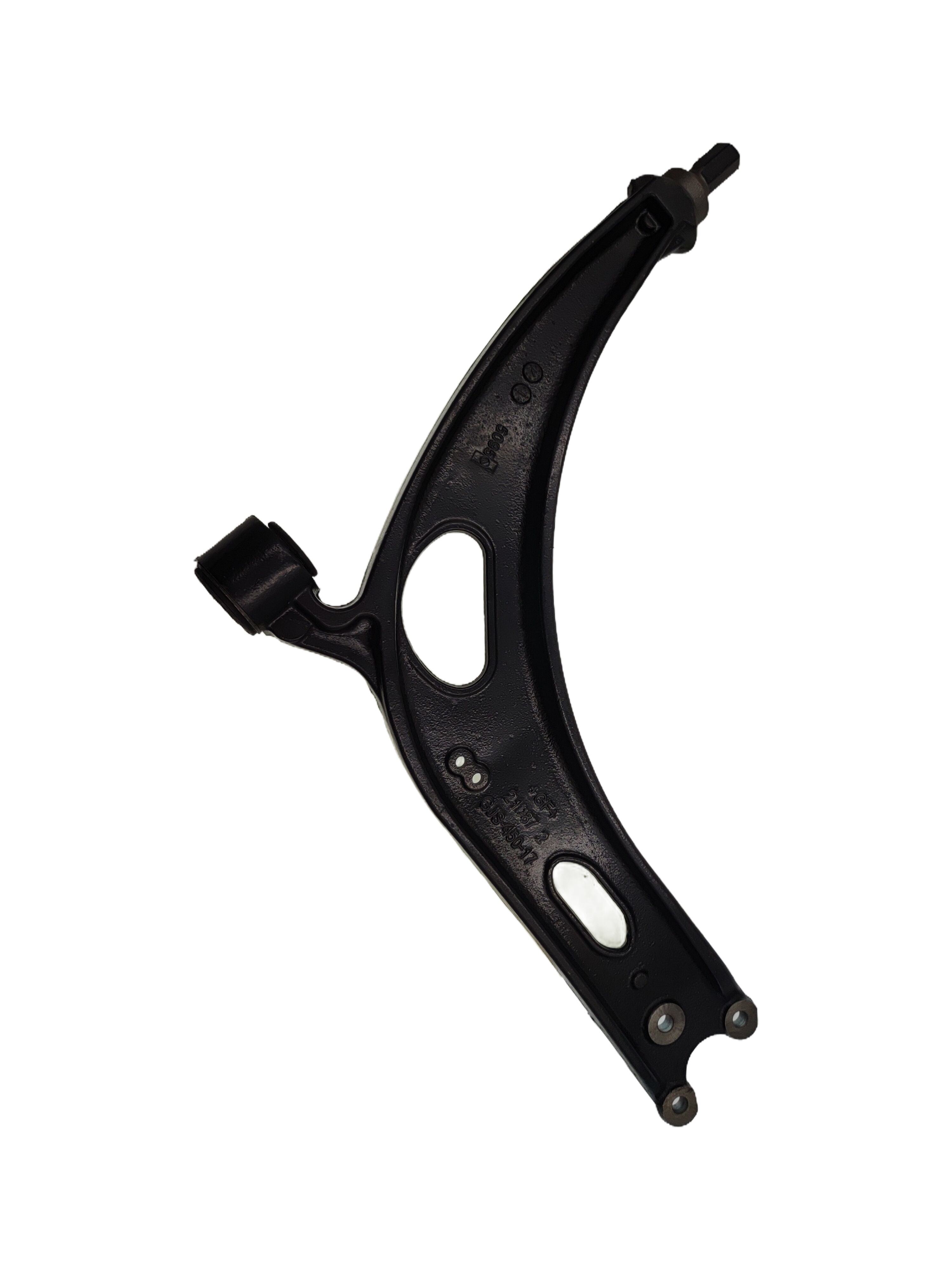
When it comes to vehicle safety and handling performance, few components are as critical as the lower control arm in your suspension system. This essential automotive part connects the vehicle's frame to the steering knuckle, providing structural support and allowing controlled wheel movement during steering and suspension travel. Understanding the key features that define a quality lower control arm can mean the difference between a smooth, safe driving experience and potentially dangerous handling issues that compromise both performance and passenger safety.
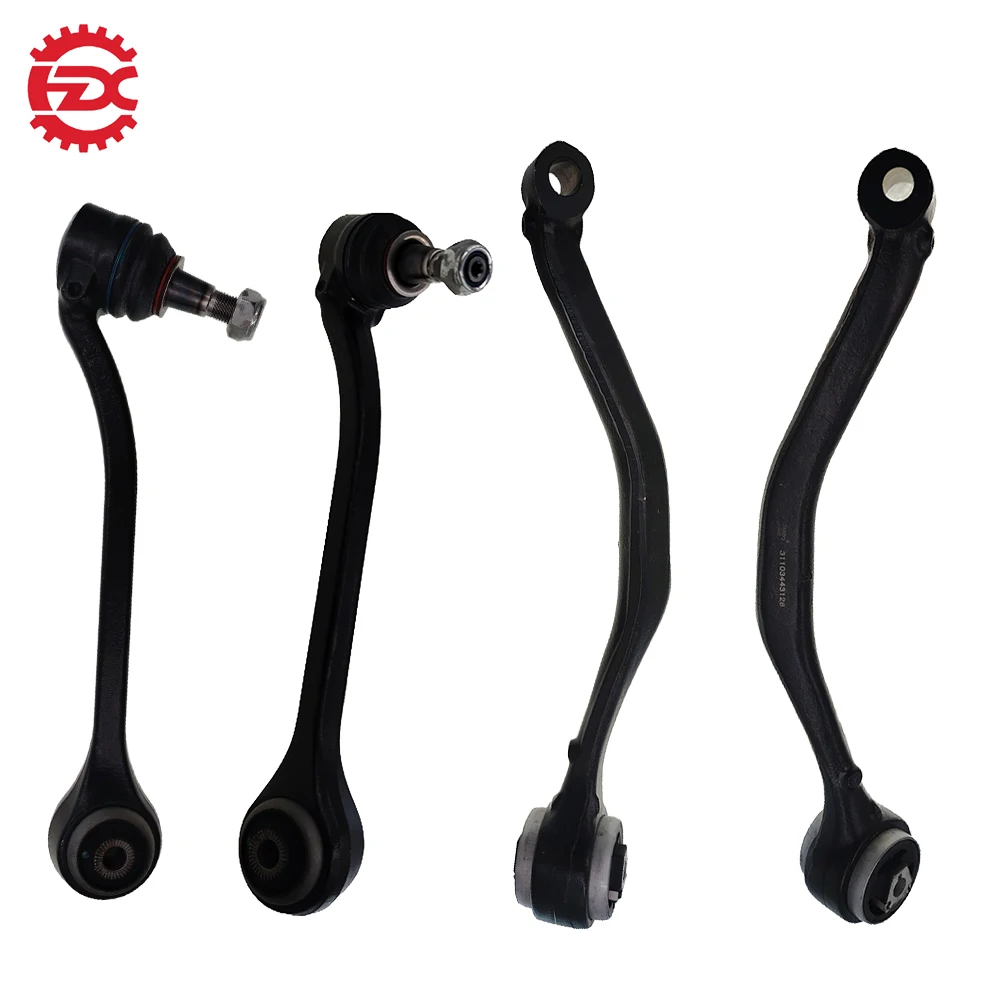
The automotive aftermarket offers countless options for suspension components, making the selection process overwhelming for many vehicle owners. However, by focusing on specific engineering features and quality indicators, buyers can confidently choose lower control arm assemblies that deliver long-term reliability and enhanced vehicle performance. Professional mechanics and automotive engineers consistently emphasize that premium lower control arm designs incorporate advanced materials, precision manufacturing tolerances, and comprehensive testing protocols to ensure optimal functionality under various driving conditions.
Material Construction and Durability Standards
High-Grade Steel Alloy Composition
The foundation of any reliable lower control arm begins with premium steel alloy construction that provides exceptional strength-to-weight ratios. Quality manufacturers utilize specialized steel formulations that undergo heat treatment processes to achieve optimal hardness and flexibility characteristics. These advanced materials resist deformation under extreme loads while maintaining the necessary flexibility to absorb road impacts and vibrations effectively. The lower control arm must withstand tremendous forces during cornering, braking, and acceleration, making material selection a critical factor in overall performance and longevity.
Premium steel alloys used in lower control arm construction typically feature enhanced carbon content and specialized additives that improve corrosion resistance and fatigue life. Manufacturers employ sophisticated metallurgical processes including controlled cooling rates and stress relieving treatments to optimize the internal grain structure of the steel. This attention to material science ensures that the lower control arm maintains structural integrity even after hundreds of thousands of miles of service under varying temperature and load conditions.
Advanced Coating and Surface Protection
Superior lower control arm assemblies incorporate multi-layer coating systems that provide comprehensive protection against corrosion, salt damage, and environmental contamination. These protective coatings typically begin with zinc phosphate primer layers that create strong adhesion bonds with the base metal, followed by powder-coated or electrostatically applied topcoats that resist chipping and wear. The coating process requires precise surface preparation including shot blasting or chemical etching to ensure maximum adhesion and uniform coverage across all component surfaces.
Environmental factors such as road salt, moisture, and temperature fluctuations constantly challenge suspension components throughout their service life. Premium lower control arm manufacturers invest in advanced coating technologies including ceramic-enhanced formulations that provide superior scratch resistance and UV stability. These protective systems undergo rigorous salt spray testing and thermal cycling evaluations to verify long-term durability under harsh operating conditions commonly encountered in various geographic regions.
Precision Engineering and Manufacturing Quality
Dimensional Accuracy and Tolerances
Professional-grade lower control arm assemblies demonstrate exceptional dimensional precision that ensures proper alignment geometry and optimal suspension performance. Manufacturing tolerances for critical dimensions such as ball joint mounting angles, bushing bore diameters, and mounting hole locations must remain within extremely tight specifications to maintain proper wheel alignment and handling characteristics. Advanced CNC machining processes and computer-controlled quality inspection systems help manufacturers achieve these demanding accuracy requirements consistently across production runs.
The geometric precision of a lower control arm directly impacts vehicle handling, tire wear patterns, and overall driving safety. Even minor deviations from specified dimensions can cause alignment problems that result in premature tire replacement, reduced fuel economy, and compromised steering response. Quality manufacturers employ coordinate measuring machines and laser scanning technologies to verify dimensional accuracy at multiple stages of the production process, ensuring each lower control arm meets or exceeds original equipment specifications.
Welding Quality and Joint Integrity
The structural integrity of a lower control arm depends heavily on the quality of welded joints that connect various component sections and mounting brackets. Professional manufacturing facilities utilize robotic welding systems with precise heat control and consistent penetration characteristics to create strong, uniform weld beads throughout the assembly. These automated processes eliminate human variability while ensuring optimal weld quality that meets or exceeds automotive industry standards for structural components.
Quality welding procedures for lower control arm assemblies include pre-weld cleaning processes, controlled atmosphere environments, and post-weld heat treatment when necessary. Manufacturers perform destructive and non-destructive testing on sample components to verify weld strength and identify potential defects before products reach the market. This comprehensive quality assurance approach helps ensure that welded joints maintain their integrity under the extreme stress cycles encountered during normal vehicle operation.
Ball Joint Integration and Performance
Premium Ball Joint Design Features
The ball joint represents one of the most critical components within a lower control arm assembly, requiring sophisticated engineering to provide smooth articulation while maintaining precise control over wheel positioning. High-quality ball joints incorporate hardened steel ball studs with precisely machined spherical surfaces that mate with specially designed polymer or metal bearing races. These bearing interfaces must accommodate multi-directional movement while resisting wear and maintaining tight tolerances throughout the component's service life.
Advanced ball joint designs feature enhanced sealing systems that protect internal bearing surfaces from contamination while retaining essential lubricants. Premium manufacturers utilize multi-lip sealing configurations with specialized rubber compounds that remain flexible across wide temperature ranges. The internal bearing races often incorporate self-lubricating materials or specialized grease formulations that provide consistent performance under varying load conditions and environmental exposures.
Serviceability and Replacement Considerations
Well-designed lower control arm assemblies offer convenient serviceability features that simplify maintenance procedures and reduce long-term ownership costs. Some manufacturers provide replaceable ball joint designs that allow technicians to service individual components without replacing the entire lower control arm assembly. This modular approach provides cost-effective maintenance options while ensuring that vehicle owners can maintain optimal suspension performance throughout the component's service life.
The integration of grease fittings or maintenance points allows periodic lubrication that extends ball joint life and maintains smooth operation. Quality lower control arm designs position these service points for easy access during routine maintenance intervals, encouraging proper care and early detection of potential wear issues. Professional technicians appreciate these thoughtful design features that facilitate efficient service procedures and help maintain vehicle safety standards.
Bushing Technology and Vibration Control
Rubber Compound Formulations
The rubber bushings within a lower control arm assembly play a crucial role in isolating vibrations and noise while providing the necessary flexibility for suspension movement. Premium bushing designs utilize specially formulated rubber compounds that balance durability with vibration isolation characteristics. These advanced elastomers undergo extensive testing to verify performance under temperature extremes, chemical exposure, and mechanical stress cycles that represent real-world operating conditions.
Quality rubber bushings incorporate internal reinforcement structures and specialized bonding agents that prevent separation between rubber and metal components during service. The durometer ratings of these rubber compounds are carefully selected to provide optimal compliance for ride comfort while maintaining sufficient stiffness for precise handling characteristics. Manufacturers often develop proprietary rubber formulations that offer superior ozone resistance and aging stability compared to standard automotive rubber compounds.
Polyurethane Performance Options
Some premium lower control arm assemblies offer polyurethane bushing alternatives that provide enhanced durability and more precise suspension control characteristics. Polyurethane materials typically demonstrate superior resistance to petroleum products, heat, and mechanical wear compared to traditional rubber compounds. These synthetic bushings maintain their dimensional stability and performance characteristics over extended service intervals, making them attractive options for performance applications and commercial vehicles subject to demanding operating conditions.
The selection between rubber and polyurethane bushing technologies involves balancing ride comfort preferences with performance requirements and maintenance considerations. Polyurethane bushings generally provide more precise suspension control and longer service life but may transmit more noise and vibration compared to rubber alternatives. Quality manufacturers often offer both options to accommodate different customer priorities and vehicle applications within their lower control arm product lines.
Installation and Compatibility Features
Direct Fit Engineering
Professional-grade lower control arm assemblies are engineered for direct replacement compatibility with original equipment specifications, ensuring proper fit and function without modifications or additional components. This direct-fit approach simplifies installation procedures while guaranteeing that the replacement component maintains original suspension geometry and performance characteristics. Manufacturers invest significant resources in reverse engineering and dimensional analysis to ensure their lower control arm designs match or exceed original equipment specifications.
The direct-fit engineering process involves comprehensive analysis of mounting point locations, ball joint configurations, and bushing specifications to ensure seamless integration with existing suspension components. Quality manufacturers maintain extensive databases of vehicle-specific dimensions and requirements that guide the development of precision-engineered lower control arm assemblies. This attention to compatibility details helps ensure successful installations and optimal long-term performance across diverse vehicle applications.
Hardware and Fastener Quality
Complete lower control arm assemblies include high-quality fasteners and hardware components that meet or exceed automotive industry standards for strength and corrosion resistance. These critical mounting components undergo heat treatment and surface coating processes to ensure reliable performance under the extreme forces encountered during vehicle operation. Premium manufacturers provide grade 8 or higher strength fasteners with specialized thread coatings that prevent galling and ensure proper torque retention over time.
The hardware package typically includes replacement nuts, bolts, and washers that eliminate the need to reuse potentially compromised original fasteners. Quality fastener designs incorporate features such as prevailing torque nuts and thread-locking compounds that maintain proper clamping forces throughout the component's service life. Professional installers appreciate complete hardware packages that ensure reliable assembly and reduce the potential for installation-related problems.
Testing and Quality Assurance Protocols
Durability Testing Standards
Reputable lower control arm manufacturers implement comprehensive testing protocols that simulate real-world operating conditions and verify component durability under extreme stress cycles. These testing procedures typically include fatigue testing on specialized equipment that applies millions of load cycles to representative samples, ensuring that production components will withstand normal service life expectations. Testing parameters encompass various load magnitudes, frequencies, and environmental conditions that represent diverse driving scenarios and climate exposures.
Quality assurance protocols for lower control arm assemblies often exceed automotive industry minimum requirements, with manufacturers conducting accelerated life testing that simulates decades of normal use within compressed timeframes. These rigorous evaluation procedures help identify potential failure modes and design weaknesses before products reach the market. Testing data guides continuous improvement efforts and provides confidence in long-term reliability performance across different vehicle applications and operating environments.
Performance Validation Procedures
Professional manufacturers conduct extensive performance validation testing that verifies lower control arm assemblies meet or exceed original equipment specifications for handling characteristics, noise isolation, and durability. These evaluation procedures include dynamic testing on specialized equipment that measures component behavior under various load conditions and movement patterns. Performance validation typically encompasses multiple test phases including initial quality verification, accelerated aging studies, and field testing under real-world operating conditions.
Validation testing protocols also include comparative evaluations against original equipment components to ensure replacement parts maintain or improve upon factory performance standards. These comprehensive testing programs provide objective data that supports product development decisions and helps manufacturers optimize lower control arm designs for specific applications. Quality manufacturers often publish testing results and certification documents that demonstrate their commitment to delivering superior performance and reliability.
FAQ
What are the most important features to look for when purchasing a lower control arm
The most critical features include high-grade steel construction with proper heat treatment, precision ball joint integration with quality sealing systems, durable rubber or polyurethane bushings designed for vibration isolation, and comprehensive protective coatings that resist corrosion. Additionally, look for manufacturers that provide complete hardware packages and demonstrate commitment to quality through rigorous testing protocols and industry certifications.
How do I determine if a lower control arm is compatible with my vehicle
Vehicle compatibility depends on specific year, make, model, and engine configuration details that determine mounting point locations, ball joint specifications, and overall dimensions. Reputable manufacturers provide detailed application charts and part number cross-references that ensure proper fitment. Always verify compatibility through multiple sources including vehicle identification numbers and original equipment part numbers before making a purchase decision.
What is the typical service life expectation for a quality lower control arm
High-quality lower control arm assemblies typically provide service life expectations ranging from 80,000 to 150,000 miles under normal driving conditions, depending on vehicle application, driving habits, and environmental factors. Premium components with superior materials and manufacturing quality often exceed these expectations, while harsh operating conditions such as frequent off-road use or exposure to road salt may reduce service intervals.
Can I replace just the ball joint instead of the entire lower control arm assembly
Some lower control arm designs feature replaceable ball joints that allow individual component service, while others use pressed-in or welded configurations that require complete assembly replacement. The serviceability depends on the specific design and manufacturer approach. Replaceable ball joint designs offer cost-effective maintenance options but require proper tools and technical expertise to ensure correct installation and safety compliance.
Table of Contents
- Material Construction and Durability Standards
- Precision Engineering and Manufacturing Quality
- Ball Joint Integration and Performance
- Bushing Technology and Vibration Control
- Installation and Compatibility Features
- Testing and Quality Assurance Protocols
-
FAQ
- What are the most important features to look for when purchasing a lower control arm
- How do I determine if a lower control arm is compatible with my vehicle
- What is the typical service life expectation for a quality lower control arm
- Can I replace just the ball joint instead of the entire lower control arm assembly