
 EN
EN
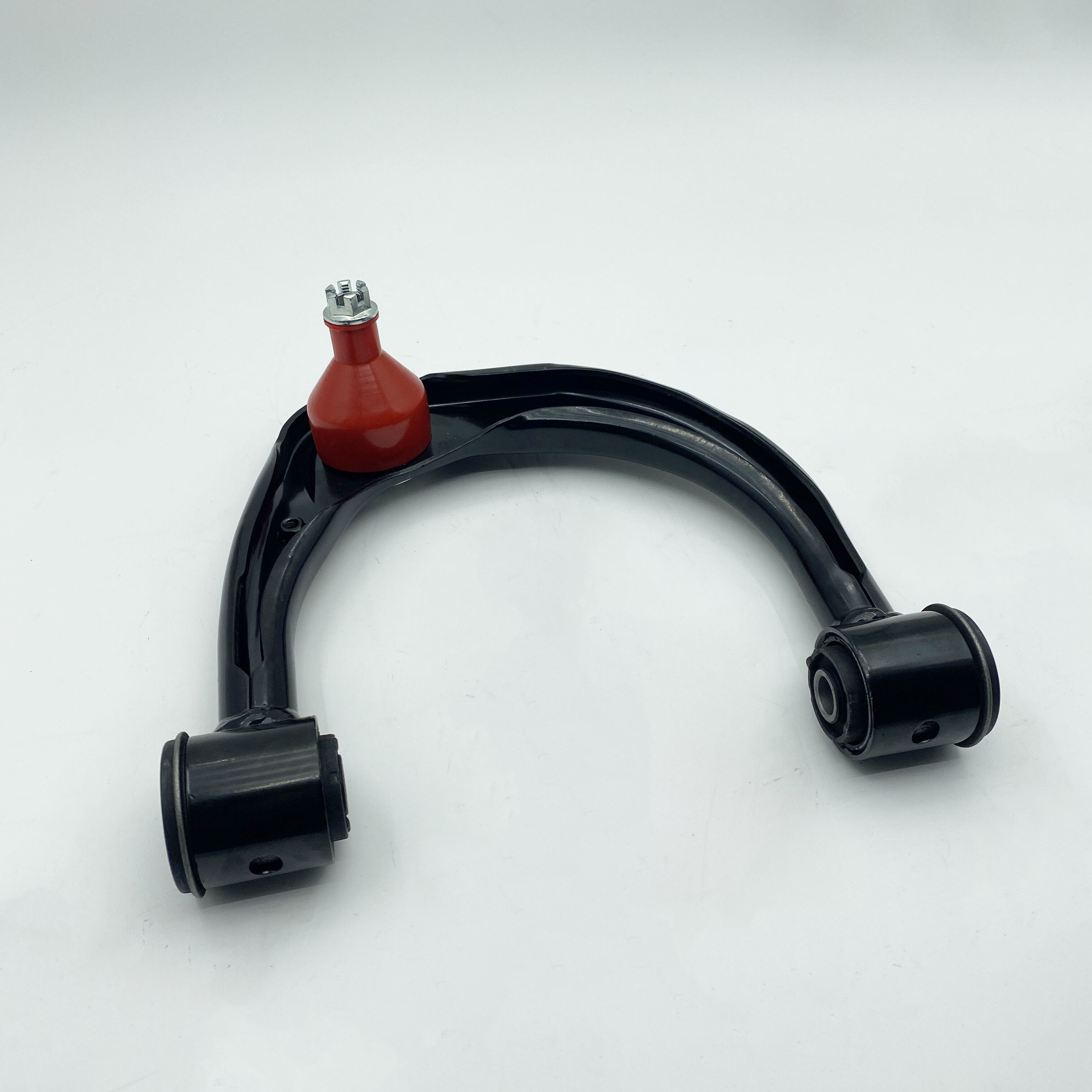
The automotive industry continues to evolve rapidly, and suspension technology remains at the forefront of vehicle performance and safety improvements. As vehicles become more sophisticated and drivers demand higher standards of comfort and handling, the importance of quality suspension components becomes increasingly evident. Among these critical components, the control arm stands as one of the most fundamental elements that directly impacts vehicle stability, steering precision, and overall driving experience.
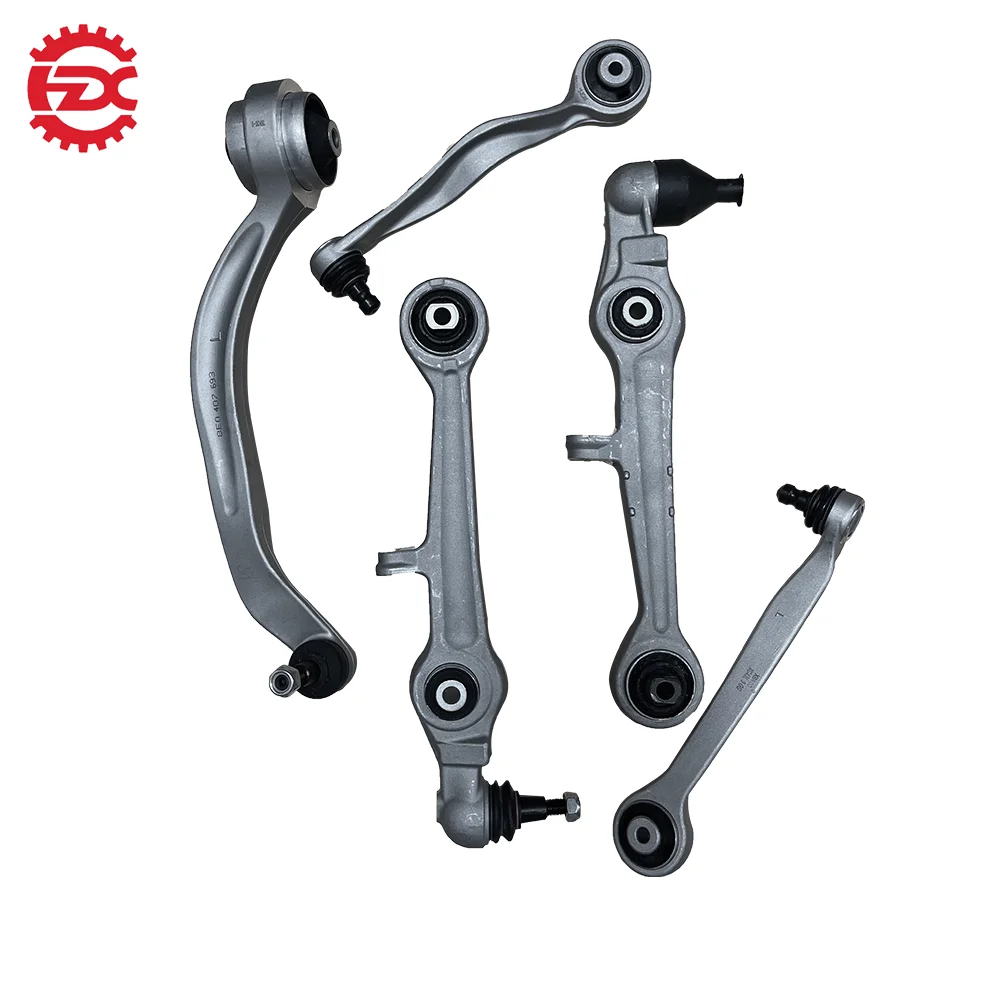
Modern vehicles rely on complex suspension systems that must balance multiple competing demands including ride comfort, handling precision, durability, and cost effectiveness. The control arm serves as the primary link between the vehicle's chassis and the wheel assembly, making it responsible for maintaining proper wheel alignment while allowing for controlled vertical movement. Understanding the role and importance of control arm upgrades becomes essential for vehicle owners who prioritize performance, safety, and long-term reliability.
As we progress through 2025, technological advances in materials science, manufacturing processes, and design methodologies have created opportunities for significant improvements in control arm performance. These developments offer vehicle owners unprecedented options for enhancing their vehicles' capabilities while addressing common issues associated with aging suspension components. The decision to upgrade becomes more compelling when considering the potential benefits in terms of handling characteristics, component longevity, and overall vehicle value preservation.
Understanding Control Arm Functionality and Design Evolution
Basic Control Arm Operation Principles
The fundamental operation of a control arm involves connecting the vehicle's frame or subframe to the wheel hub assembly through a series of precisely engineered pivot points and bushings. This connection allows the wheel to move vertically in response to road surface irregularities while maintaining proper alignment relationships that are critical for safe and predictable vehicle behavior. The control arm must accommodate these vertical movements while preventing unwanted lateral or longitudinal wheel movement that could compromise handling or safety.
Modern control arm designs incorporate sophisticated geometry that optimizes suspension kinematics throughout the full range of wheel travel. Engineers carefully calculate the positioning and orientation of mounting points to achieve desired characteristics such as camber control, caster stability, and anti-dive behavior during braking. These geometric relationships directly influence how the vehicle responds to driver inputs and road conditions, making the control arm a critical component in the overall suspension system architecture.
The materials and construction methods used in control arm manufacturing have evolved significantly over the past decade. Traditional steel stampings have been supplemented or replaced by aluminum forgings, cast iron assemblies, and even advanced composite materials in some applications. Each material choice involves specific trade-offs between weight, strength, cost, and manufacturing complexity, with modern designs seeking to optimize these factors for improved overall performance.
Technological Advances in Control Arm Design
Recent innovations in control arm technology have focused on improving durability while reducing weight and enhancing performance characteristics. Advanced metallurgy has enabled the development of stronger, lighter alloys that can withstand higher stress levels while maintaining dimensional stability over extended service life. These material improvements directly translate to better vehicle performance and reduced maintenance requirements for vehicle owners.
Manufacturing processes have also undergone significant refinement, with precision machining and advanced forming techniques enabling tighter tolerances and more complex geometries. Computer-aided design and finite element analysis allow engineers to optimize control arm structures for specific loading conditions while minimizing material usage and weight. These technological advances result in components that offer superior performance compared to earlier generations while often providing improved cost effectiveness.
Integration of advanced bushing materials and designs represents another area of significant progress in control arm technology. Modern polyurethane, synthetic rubber, and even active damping materials provide improved isolation characteristics while maintaining precise control over suspension geometry. These advances help reduce noise, vibration, and harshness transmission while preserving the precise control necessary for optimal handling performance.
Performance Benefits of Modern Control Arm Upgrades
Enhanced Handling and Steering Response
Upgrading to modern control arm designs delivers immediate improvements in vehicle handling characteristics that experienced drivers readily notice. Enhanced structural rigidity reduces flex under cornering loads, resulting in more precise steering response and improved feedback through the steering wheel. This improved precision allows drivers to place their vehicles more accurately in challenging driving situations while building confidence in the vehicle's predictable behavior.
The reduction in suspension geometry changes during dynamic driving conditions represents another significant benefit of control arm upgrades. Modern designs maintain more consistent camber and caster angles throughout suspension travel, ensuring that tire contact patches remain optimized for maximum grip. This consistency translates directly to improved cornering performance and more predictable vehicle behavior at the limits of adhesion.
Advanced control arm designs often incorporate features specifically intended to enhance high-performance driving capabilities. Reinforced mounting points, optimized bushing locations, and improved material properties all contribute to suspension systems that can handle higher loads and more aggressive driving styles without compromising reliability or component longevity.
Improved Ride Quality and Comfort
Modern control arm upgrades frequently deliver noticeable improvements in ride quality through better isolation of road surface irregularities and reduced transmission of vibrations to the vehicle cabin. Advanced bushing materials and designs provide superior damping characteristics while maintaining the structural integrity necessary for precise suspension control. These improvements create a more refined driving experience that reduces fatigue during long-distance travel.
The optimization of suspension geometry made possible by upgraded control arm designs helps maintain consistent tire contact with road surfaces across a wide range of driving conditions. This consistent contact reduces the impact and harshness felt by occupants when encountering potholes, expansion joints, and other road surface imperfections. The result is a smoother, more comfortable ride that does not compromise handling performance.
Noise reduction represents an often-overlooked benefit of control arm upgrades, with modern designs incorporating features specifically intended to minimize the transmission of road noise and suspension-generated sounds to the passenger compartment. Improved bushing materials and strategic damping elements help create a quieter cabin environment that enhances overall driving pleasure and comfort.
Durability and Longevity Advantages
Extended Service Life Through Advanced Materials
Contemporary control arm designs leverage advanced materials and manufacturing techniques to deliver significantly extended service life compared to original equipment components. High-strength steel alloys, aluminum forgings, and specialized coatings provide superior resistance to corrosion, fatigue, and wear while maintaining structural integrity under demanding operating conditions. These material improvements translate directly to reduced maintenance costs and improved long-term reliability for vehicle owners.
The integration of premium bushing materials represents a critical factor in achieving extended control arm service life. Modern synthetic compounds offer superior resistance to environmental degradation while maintaining their damping and isolation properties over extended periods. These advanced materials resist cracking, hardening, and deterioration that commonly affect original equipment bushings, resulting in control arm assemblies that maintain their performance characteristics for much longer periods.
Protective coatings and surface treatments applied to modern control arm designs provide additional protection against environmental factors that can compromise component longevity. Advanced powder coating, anodizing, and specialized paint systems create barriers against salt corrosion, UV degradation, and chemical attack while maintaining attractive appearance throughout the component's service life.
Reduced Maintenance Requirements
Quality control arm upgrades typically feature maintenance-free designs that eliminate the need for regular lubrication and adjustment procedures required by some original equipment components. Sealed bearing assemblies, permanent lubrication systems, and advanced material choices combine to create components that require minimal attention throughout their service life while delivering consistent performance.
The improved durability characteristics of upgraded control arm components often extend maintenance intervals for related suspension system elements. Reduced stress on ball joints, tie rod ends, and other connected components helps extend their service life while maintaining proper suspension geometry for longer periods. This systematic improvement reduces overall maintenance costs and vehicle downtime for busy owners.
Modern control arm designs frequently incorporate features that simplify installation and service procedures when maintenance becomes necessary. Standardized mounting hardware, improved accessibility, and compatibility with common service tools help reduce labor costs and installation time while ensuring proper component alignment and function.
Selection Criteria for Control Arm Upgrades
Vehicle-Specific Compatibility Considerations
Selecting appropriate control arm upgrades requires careful consideration of vehicle-specific factors including weight distribution, suspension geometry, and intended use patterns. Different vehicle platforms have unique requirements that must be addressed through proper component selection to achieve optimal results. Understanding these requirements helps ensure that upgraded components will deliver expected performance improvements while maintaining reliability and safety.
Compatibility with existing suspension components represents another critical selection factor, as control arm upgrades must work harmoniously with springs, dampers, stabilizer bars, and other related components. Mismatched components can create handling imbalances or premature wear issues that compromise the benefits of upgrading. Professional assessment of the entire suspension system helps identify potential compatibility issues before installation begins.
Load capacity and stress resistance requirements vary significantly based on vehicle weight, intended use, and performance expectations. Heavy-duty applications require control arm designs with enhanced strength characteristics, while performance-oriented installations may prioritize weight reduction and precision manufacturing. Matching component specifications to actual operating requirements ensures optimal performance and longevity.
Quality and Manufacturing Standards
Evaluating the manufacturing quality and standards compliance of potential control arm upgrades helps ensure reliable long-term performance and safety. Reputable manufacturers typically provide detailed specifications, material certifications, and testing data that demonstrate component capabilities and compliance with relevant industry standards. These documentation requirements become particularly important for vehicles used in commercial or high-performance applications.
Manufacturing precision directly impacts control arm performance, with tight tolerances ensuring proper fit and optimal suspension geometry. Quality manufacturers employ advanced machining techniques, precision forming processes, and comprehensive quality control procedures to maintain consistent component dimensions and performance characteristics. These manufacturing standards translate to improved installation ease and superior long-term performance.
Warranty coverage and technical support availability provide additional indicators of manufacturer confidence in their control arm products. Comprehensive warranty programs and accessible technical assistance help protect the investment while ensuring proper installation and optimal performance throughout the component's service life.
Installation and Integration Considerations
Professional Installation Benefits
Professional installation of control arm upgrades ensures proper component alignment, torque specifications, and suspension geometry settings that are critical for optimal performance and safety. Experienced technicians possess the specialized tools and knowledge necessary to complete installations efficiently while avoiding common pitfalls that can compromise component performance or longevity. This professional expertise becomes particularly valuable when working with high-performance or specialized control arm designs.
Suspension system alignment represents a critical aspect of control arm installation that requires professional equipment and expertise. Proper alignment ensures that upgraded components deliver their intended performance benefits while preventing premature tire wear and handling issues. Professional alignment services include verification of all suspension geometry parameters and adjustments necessary to achieve optimal vehicle performance.
Quality assurance procedures employed by professional installation facilities help identify potential issues before they become problems. Comprehensive pre-installation inspections, proper torque verification, and post-installation testing ensure that control arm upgrades function correctly and safely from the moment of installation.
System Integration and Optimization
Successful control arm upgrades often require consideration of complementary suspension system modifications to achieve optimal results. Upgraded springs, dampers, or stabilizer bars may be necessary to fully realize the benefits of new control arm components while maintaining proper suspension balance and characteristics. This systematic approach to suspension upgrading helps ensure that all components work together harmoniously.
Break-in procedures for new control arm installations help ensure optimal long-term performance and component longevity. Proper break-in typically involves gradual introduction to normal operating loads while monitoring for any unusual noises, vibrations, or handling characteristics that might indicate installation issues or component problems. Following recommended break-in procedures helps maximize the benefits of control arm upgrades.
Performance verification through road testing and alignment checks confirms that control arm upgrades are delivering expected benefits and functioning properly. Professional evaluation of handling characteristics, noise levels, and ride quality provides objective assessment of installation success while identifying any areas that might benefit from additional adjustment or optimization.
FAQ
How long do modern control arm upgrades typically last
Modern control arm upgrades typically provide service life ranging from 100,000 to 150,000 miles under normal driving conditions, with some premium designs exceeding these expectations. The actual lifespan depends on factors including driving conditions, vehicle weight, maintenance practices, and component quality. Regular inspection and proper maintenance help maximize control arm longevity while ensuring continued performance benefits.
Can control arm upgrades improve fuel economy
Control arm upgrades can contribute to improved fuel economy through better tire contact patch management and reduced rolling resistance. Proper suspension geometry maintained by quality control arm components helps ensure optimal tire wear patterns and reduces the energy required to overcome rolling resistance. Additionally, lighter weight control arm designs can provide modest improvements in overall vehicle efficiency through reduced unsprung weight.
Are control arm upgrades compatible with all vehicle models
Control arm upgrades are available for most vehicle models, but compatibility depends on specific vehicle design and suspension configuration. Some vehicles may require custom or specialized components to achieve desired performance improvements, while others can utilize widely available aftermarket options. Professional consultation helps determine the best upgrade options for specific vehicle applications and performance goals.
What maintenance is required after control arm installation
Modern control arm upgrades typically require minimal maintenance beyond regular inspection during routine service intervals. Key maintenance activities include periodic visual inspection for signs of wear or damage, verification of mounting hardware torque specifications, and alignment checks as recommended by the manufacturer. Most quality control arm upgrades feature maintenance-free designs that eliminate the need for regular lubrication or adjustment procedures.