
 EN
EN
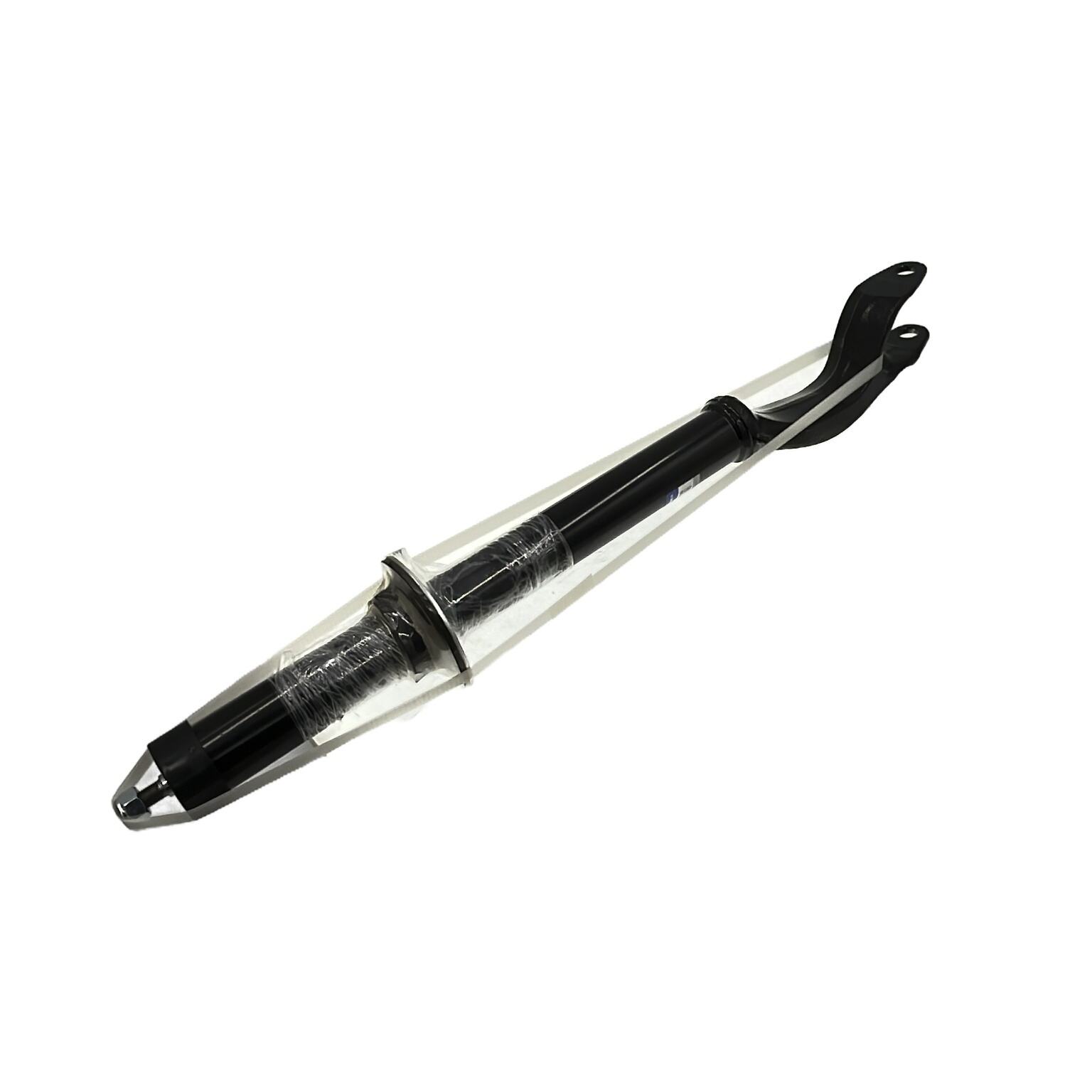
Vehicle suspension systems play a critical role in maintaining optimal driving performance, safety, and tire longevity. Among the various suspension components, the rear toe arm stands as one of the most influential elements for wheel alignment and handling characteristics. This essential component directly impacts how your vehicle tracks down the road, affects tire wear patterns, and influences overall driving dynamics. Modern automotive engineering has evolved to provide sophisticated rear toe arm solutions that offer enhanced adjustability and precision for both everyday drivers and performance enthusiasts seeking superior vehicle control.
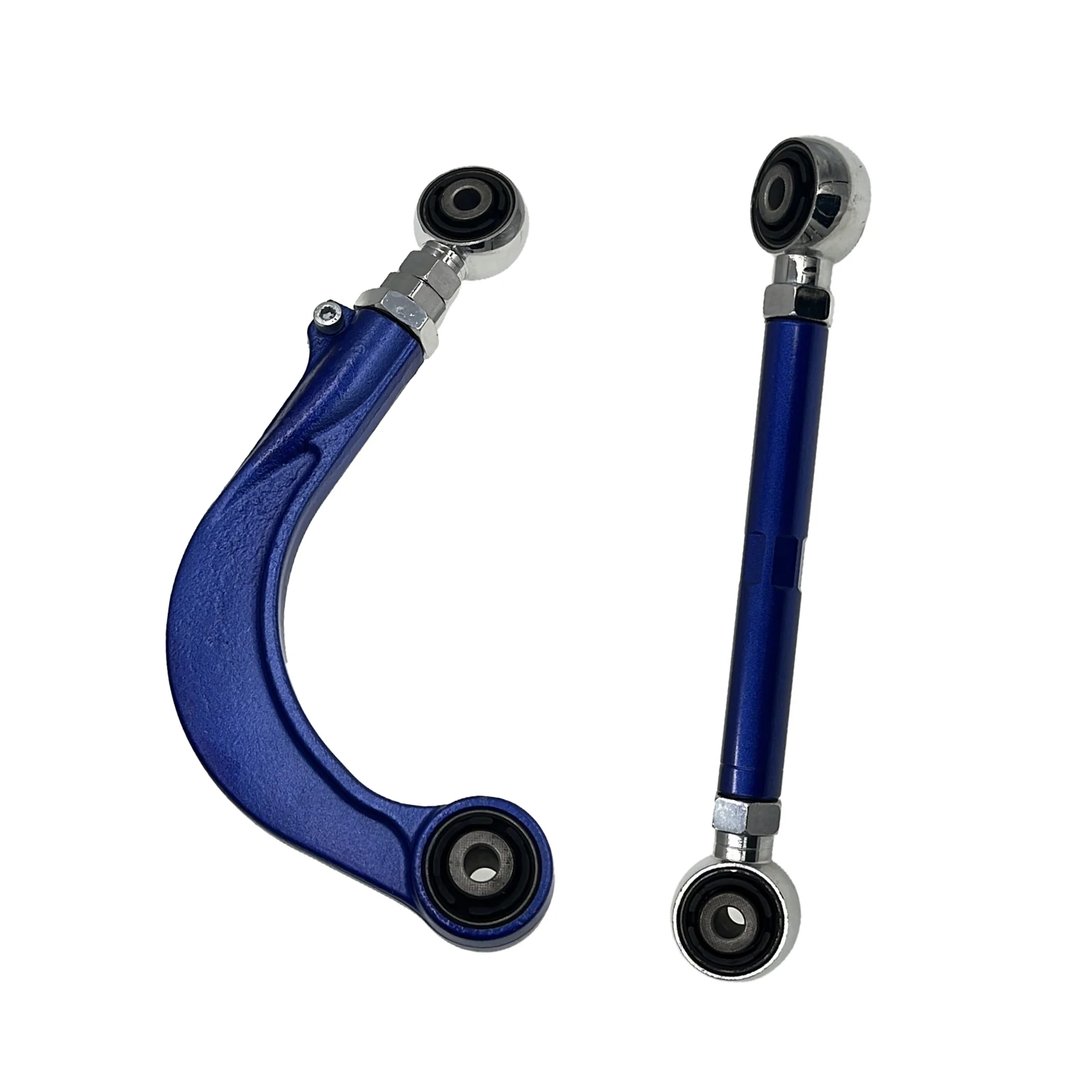
The significance of proper rear wheel alignment cannot be overstated in contemporary vehicle maintenance practices. When suspension geometry becomes compromised through normal wear, impacts, or lowering modifications, the rear toe arm becomes the primary adjustment mechanism for restoring optimal wheel positioning. Understanding the technical aspects and benefits of upgrading to adjustable rear toe arm systems enables vehicle owners to make informed decisions about their suspension setup and maintenance requirements.
Understanding Rear Toe Arm Functionality
Basic Suspension Geometry Principles
The rear toe arm serves as the connection point between the vehicle chassis and the rear wheel hub assembly, controlling the toe angle of the rear wheels. Toe angle refers to the inward or outward pointing direction of the wheels when viewed from above the vehicle. Proper toe alignment ensures that both rear wheels point in the same direction as the front wheels, creating parallel tracking and optimal tire contact with the road surface.
Factory suspension systems typically utilize fixed-length rear toe arm assemblies that provide adequate alignment for standard driving conditions. However, these non-adjustable components offer limited flexibility when suspension modifications occur or when precise alignment adjustments become necessary. The rigid nature of stock rear toe arm designs can lead to compromise situations where perfect alignment becomes difficult to achieve through conventional adjustment methods.
Impact on Vehicle Dynamics
The rear toe arm directly influences several critical aspects of vehicle behavior and performance characteristics. Proper rear toe alignment affects steering response, directional stability, and tire wear patterns across the entire vehicle. When rear toe settings deviate from manufacturer specifications, drivers may experience unusual handling characteristics, increased tire wear, or compromised fuel efficiency due to increased rolling resistance.
Advanced rear toe arm systems provide the flexibility to fine-tune suspension geometry for specific driving requirements or vehicle modifications. Performance-oriented drivers can adjust rear toe settings to optimize handling balance, while comfort-focused users can prioritize smooth tracking and even tire wear. This adjustability becomes particularly valuable when vehicles undergo suspension modifications, wheel changes, or require precision alignment after impacts or component replacement.
Technical Specifications and Design Features
Construction Materials and Durability
Modern adjustable rear toe arm assemblies incorporate high-strength materials and precision manufacturing techniques to ensure long-term reliability and performance consistency. Quality units feature steel or aluminum construction with corrosion-resistant coatings that withstand harsh environmental conditions and road salt exposure. The adjustment mechanisms typically utilize threaded rod ends or cam-style adjustment systems that maintain their settings under dynamic loading conditions.
The engineering behind contemporary rear toe arm designs emphasizes both strength and adjustability without compromising reliability. Premium units include sealed bearing assemblies, reinforced mounting points, and precision-machined adjustment components that resist wear and maintain accurate settings over extended service intervals. These design improvements ensure that suspension geometry remains stable throughout the vehicle's operational life, reducing maintenance requirements and preserving alignment specifications.
Adjustment Range and Precision
Professional-grade rear toe arm systems offer substantial adjustment ranges that accommodate various suspension configurations and alignment requirements. Typical adjustment ranges span several degrees of toe angle modification, providing sufficient flexibility for both mild corrections and significant geometry changes. This extensive adjustment capability proves essential when working with lowered vehicles, modified suspension components, or addressing manufacturing tolerances in chassis construction.
The precision of modern rear toe arm adjustment mechanisms enables fine-tuning of suspension geometry to exact specifications. Quality units feature graduated adjustment scales or precision threading that allows for repeatable and accurate toe angle modifications. This level of precision ensures that alignment technicians can achieve optimal settings while maintaining the ability to make minor adjustments as needed for specific driving requirements or tire wear optimization.
Installation and Alignment Considerations
Professional Installation Requirements
Installing adjustable rear toe arm assemblies requires specialized knowledge of suspension systems and proper alignment procedures. Professional installation ensures that components are correctly positioned, torqued to specification, and properly adjusted for optimal performance. The installation process typically involves removing the existing rear toe arm assemblies, installing the new adjustable units, and performing comprehensive wheel alignment to establish correct geometry settings.
Proper installation techniques are crucial for maintaining the integrity and safety of the suspension system. Professional technicians understand the importance of using appropriate torque specifications, ensuring proper component orientation, and verifying that all mounting hardware is securely fastened. The complexity of modern suspension systems makes professional installation the recommended approach for most vehicle owners seeking reliable and safe rear toe arm upgrades.
Alignment Procedure and Specifications
Following rear toe arm installation, comprehensive wheel alignment becomes essential for optimizing vehicle performance and tire longevity. Professional alignment equipment measures current toe angles and provides precise adjustment guidance for achieving manufacturer specifications or custom settings based on specific driving requirements. The alignment process involves systematic adjustment of the rear toe arm assemblies to achieve desired toe angles while maintaining proper suspension geometry relationships.
Modern alignment systems provide real-time feedback during the adjustment process, enabling technicians to achieve precise toe angle settings with minimal trial and error. The alignment procedure typically includes verification of other suspension angles, including camber and caster, to ensure that the entire suspension system functions harmoniously. This comprehensive approach guarantees optimal vehicle performance and prevents premature tire wear that could result from improper alignment settings.
Performance Benefits and Applications
Enhanced Handling Characteristics
Upgrading to adjustable rear toe arm systems provides significant improvements in vehicle handling and stability characteristics. Proper rear toe alignment enhances directional stability, reduces steering effort, and improves overall driving confidence in various road conditions. The ability to fine-tune rear toe settings allows drivers to optimize handling balance for their specific driving style and vehicle setup requirements.
Performance-oriented applications benefit substantially from the precise control offered by adjustable rear toe arm assemblies. Track-focused vehicles can utilize specific toe settings to optimize tire contact patches during cornering, while daily drivers can prioritize straight-line stability and comfort. This flexibility enables vehicle owners to adapt their suspension setup to match their primary driving environment and performance objectives.
Tire Wear Optimization
Proper rear toe arm adjustment plays a crucial role in maintaining even tire wear patterns and maximizing tire service life. Incorrect toe alignment causes rapid and uneven tire wear that can significantly increase operating costs and compromise vehicle safety. Adjustable rear toe arm systems enable precise correction of toe angles, ensuring that tires maintain optimal contact with the road surface throughout their service life.
The economic benefits of proper rear toe arm alignment extend beyond tire longevity to include improved fuel efficiency and reduced maintenance costs. When rear wheels track properly, rolling resistance decreases, leading to improved fuel economy and reduced strain on drivetrain components. Additionally, proper alignment reduces stress on suspension bushings and joints, extending the service life of related components and minimizing long-term maintenance requirements.
Maintenance and Long-Term Care
Service Intervals and Inspection
Regular maintenance of rear toe arm assemblies ensures continued performance and reliability throughout their service life. Inspection intervals should include visual examination of adjustment mechanisms, mounting points, and associated hardware for signs of wear or damage. Professional alignment checks at recommended intervals verify that toe settings remain within specification and identify any changes that might indicate component wear or impact damage.
Preventive maintenance practices help preserve rear toe arm functionality and extend component service life. This includes periodic lubrication of adjustment mechanisms where applicable, inspection of mounting hardware torque specifications, and verification of suspension geometry settings. Proactive maintenance approaches prevent minor issues from developing into major problems that could compromise vehicle safety or require expensive repairs.
Troubleshooting Common Issues
Understanding common rear toe arm issues enables vehicle owners to identify potential problems before they escalate into serious concerns. Symptoms of rear toe arm problems may include unusual tire wear patterns, vehicle pulling to one side, or changes in handling characteristics. Early identification of these symptoms allows for prompt correction and prevents more extensive damage to tires or suspension components.
Professional diagnosis of rear toe arm issues typically involves comprehensive suspension inspection and alignment measurement. Experienced technicians can differentiate between rear toe arm problems and related suspension issues, ensuring that repairs address the root cause rather than just symptoms. This diagnostic approach prevents unnecessary component replacement and ensures that repairs provide long-lasting solutions to handling and alignment problems.
Cost-Benefit Analysis and Investment Value
Initial Investment Considerations
The initial cost of upgrading to adjustable rear toe arm assemblies varies depending on vehicle application, component quality, and installation requirements. Premium units command higher prices but typically offer superior durability, precision, and warranty coverage. When evaluating rear toe arm upgrade options, vehicle owners should consider the total cost of ownership, including installation, alignment, and long-term maintenance requirements.
Budget-conscious consumers can find quality rear toe arm options that provide substantial performance improvements without premium pricing. However, investing in higher-quality components often proves more economical over the long term due to improved durability and reduced maintenance requirements. The decision should balance immediate budget constraints with long-term performance and reliability objectives.
Long-Term Economic Benefits
The long-term economic benefits of rear toe arm upgrades often exceed the initial investment costs through reduced tire wear, improved fuel efficiency, and decreased maintenance requirements. Proper suspension alignment extends tire service life significantly, while improved tracking characteristics reduce fuel consumption and drivetrain stress. These ongoing savings accumulate over time, making rear toe arm upgrades a sound financial investment for many vehicle owners.
Additional economic benefits include improved vehicle resale value and reduced likelihood of suspension-related repairs. Well-maintained suspension systems with adjustable rear toe arm assemblies demonstrate owner commitment to vehicle care and performance optimization. This attention to suspension maintenance can positively influence resale value and reduce the likelihood of costly suspension repairs during the ownership period.
FAQ
What symptoms indicate rear toe arm replacement is needed
Common symptoms that suggest rear toe arm issues include uneven tire wear patterns, particularly feathering or excessive wear on the inner or outer edges of rear tires. Vehicle pulling to one side, especially when driving on straight roads, can also indicate rear toe arm problems. Additionally, unusual handling characteristics such as instability during highway driving or difficulty maintaining straight-line tracking may suggest that rear toe arm adjustment or replacement is necessary. Professional inspection can confirm whether these symptoms result from rear toe arm issues or other suspension problems.
How often should rear toe arm alignment be checked
Rear toe arm alignment should be checked annually or every 12,000 to 15,000 miles under normal driving conditions. However, more frequent inspection becomes necessary following impacts such as hitting potholes or curbs, after suspension component replacement, or when unusual tire wear patterns develop. Vehicles with performance modifications or those used for track driving may require more frequent alignment checks to maintain optimal suspension geometry. Regular alignment verification helps identify issues early and prevents premature tire wear or handling problems.
Can rear toe arm upgrades improve fuel efficiency
Yes, proper rear toe arm adjustment can contribute to improved fuel efficiency by optimizing wheel alignment and reducing rolling resistance. When rear wheels track properly and maintain correct toe angles, tires roll more efficiently with reduced drag and friction. Misaligned rear toe settings create additional resistance that requires more engine power to overcome, resulting in increased fuel consumption. While the fuel efficiency improvement from rear toe arm optimization alone may be modest, it contributes to overall vehicle efficiency when combined with proper front wheel alignment and tire maintenance.
What tools are required for rear toe arm adjustment
Professional rear toe arm adjustment requires specialized alignment equipment that can accurately measure toe angles and provide real-time feedback during adjustment procedures. Basic tools include appropriate wrenches or adjustment tools specific to the rear toe arm design, torque wrenches for proper hardware installation, and measuring devices for preliminary alignment checks. However, most rear toe arm adjustments should be performed by professional technicians with access to computerized alignment equipment, as precise measurement and adjustment capabilities are essential for optimal results and vehicle safety.