
 EN
EN
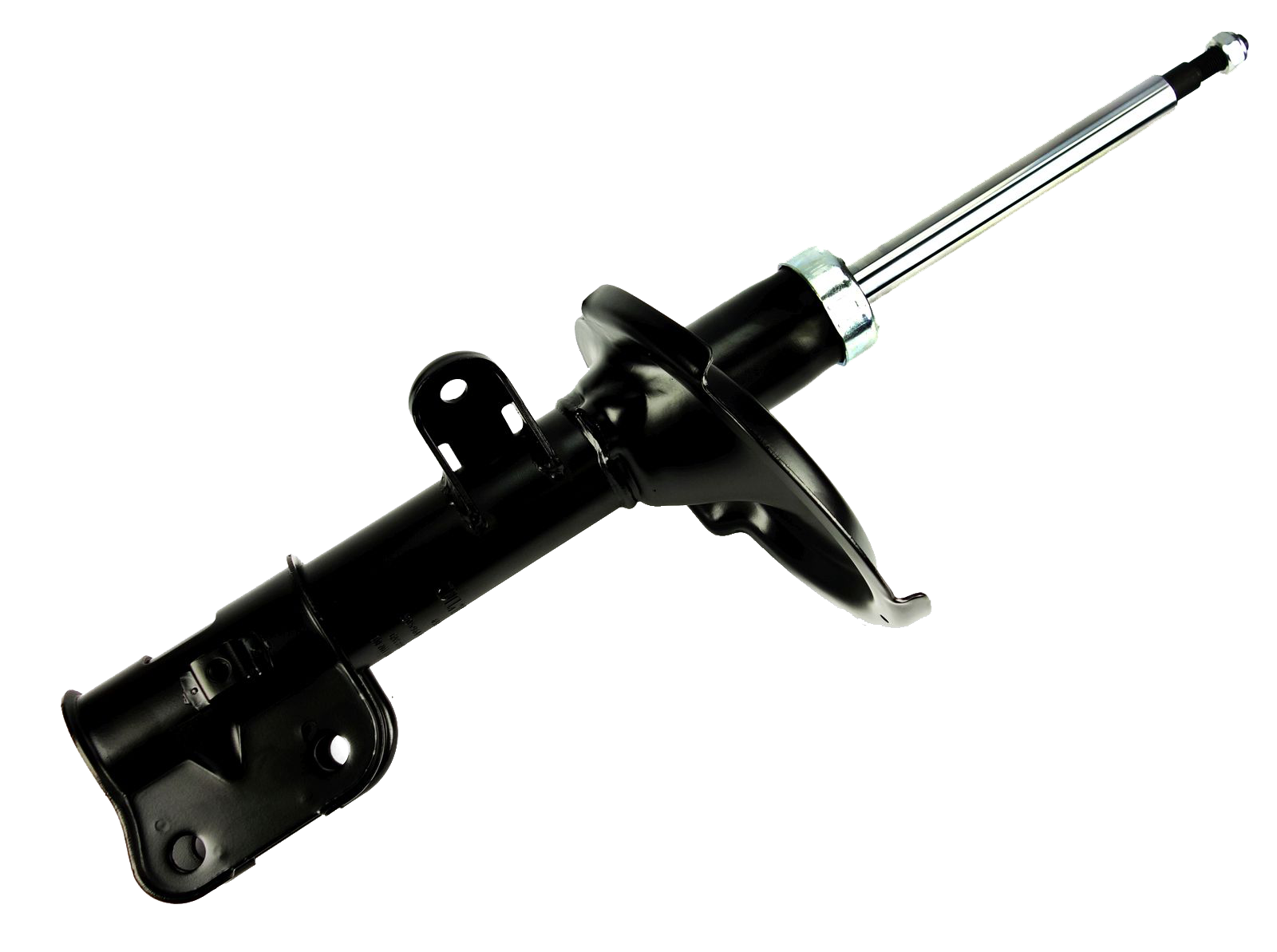
Modern automotive enthusiasts constantly seek ways to enhance their vehicle's handling, comfort, and overall driving experience through strategic modifications. Performance suspension upgrades represent one of the most impactful improvements drivers can make to transform their car's dynamics and road behavior. These sophisticated systems replace factory components with engineered solutions designed to optimize weight transfer, cornering stability, and ride quality across various driving conditions.
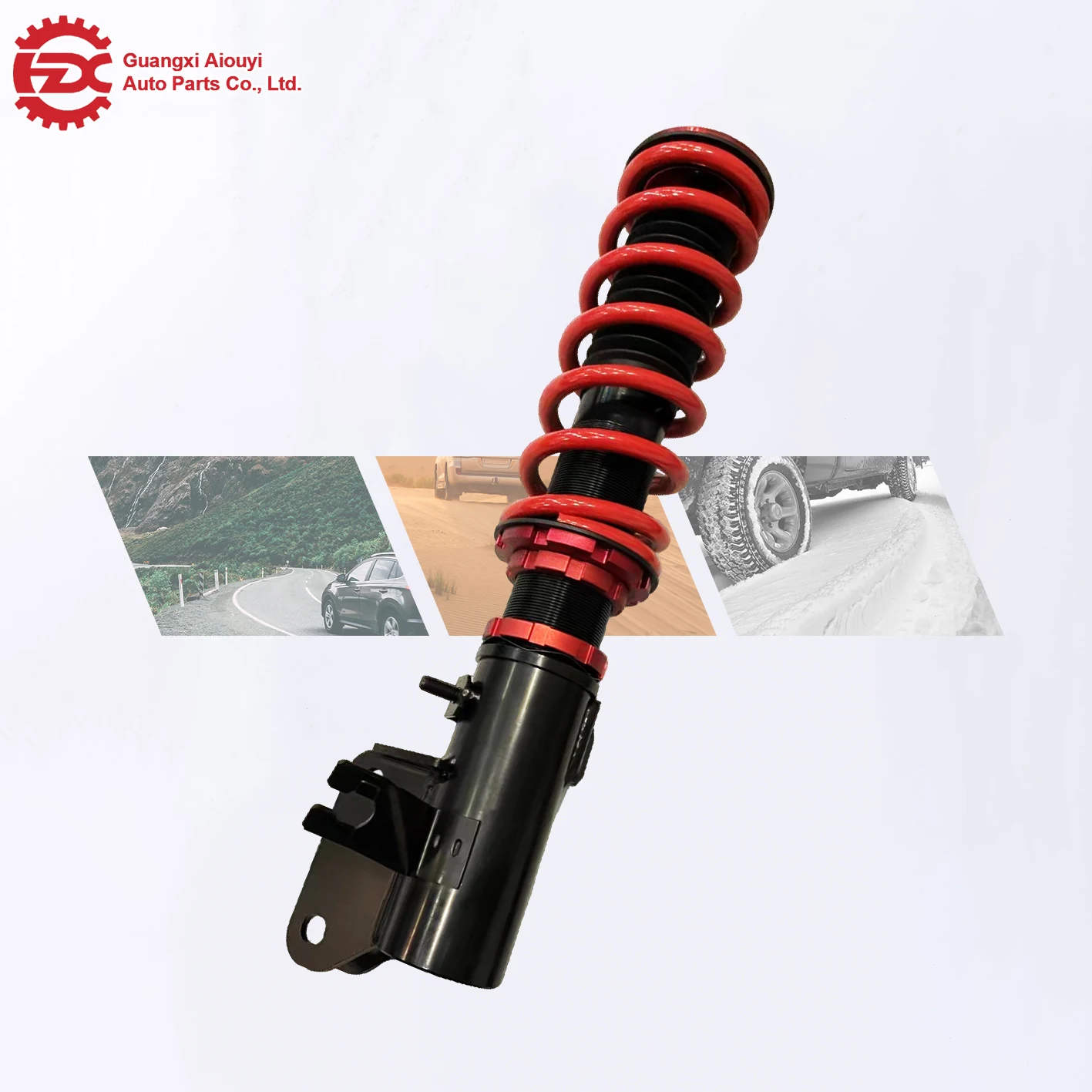
The automotive aftermarket has evolved tremendously over the past decade, introducing advanced materials and technologies that were once exclusive to professional racing applications. Today's performance suspension upgrades incorporate sophisticated damping technologies, adjustable settings, and precision-engineered components that cater to both street driving and track applications. Understanding the various options available helps drivers make informed decisions about their vehicle modifications.
Understanding Modern Suspension Technology
Coilover System Fundamentals
Coilover suspension systems combine springs and dampers into integrated units that offer superior adjustability compared to traditional setups. These performance suspension upgrades feature threaded bodies that allow precise ride height adjustment without compromising suspension geometry or component longevity. The integrated design eliminates the need for separate spring compressors during installation and maintenance procedures.
Advanced coilover systems incorporate multiple adjustment mechanisms including compression damping, rebound damping, and spring preload settings. Professional-grade units often feature external reservoirs that increase oil capacity and improve heat dissipation during extended high-performance driving sessions. These sophisticated designs enable drivers to fine-tune their suspension characteristics for specific driving scenarios or track conditions.
Shock Absorber Technologies
Contemporary shock absorber designs utilize advanced valve technologies and specialized fluids to deliver consistent performance across temperature ranges and driving conditions. High-performance units incorporate multi-stage compression and rebound circuits that automatically adjust damping forces based on suspension velocity and wheel movement amplitude. These intelligent systems provide optimal comfort during normal driving while delivering enhanced control during aggressive maneuvers.
Gas-charged monotube and twin-tube designs each offer distinct advantages for different applications. Monotube shocks provide superior heat dissipation and more consistent damping characteristics, making them ideal for track-focused performance suspension upgrades. Twin-tube designs offer excellent ride quality and durability for street applications while maintaining enhanced performance capabilities compared to original equipment components.
Vehicle-Specific Applications and Compatibility
Japanese Vehicle Adaptations
Japanese vehicles, particularly those from Honda, Toyota, Nissan, and Subaru, benefit significantly from targeted performance suspension upgrades that address their specific chassis characteristics and weight distributions. These vehicles often feature front-heavy layouts that require carefully calibrated damping settings to optimize handling balance and minimize understeer tendencies during spirited driving.
Popular Japanese sports cars like the Honda Civic Type R, Toyota Supra, and Nissan Z models respond exceptionally well to coilover systems that provide increased spring rates and adjustable damping. These modifications enhance cornering precision while maintaining acceptable ride quality for daily driving applications. Proper selection of spring rates and damping characteristics ensures optimal tire contact patch maintenance during dynamic driving situations.
Korean Automotive Enhancement
Korean manufacturers such as Hyundai and Kia have developed increasingly sophisticated chassis designs that accommodate performance modifications effectively. Modern Korean vehicles benefit from performance suspension upgrades that complement their advanced electronic stability systems and torque vectoring technologies. These integrations require careful attention to maintaining proper sensor inputs and system compatibility.
Vehicles like the Hyundai Veloster N and Kia Stinger respond favorably to suspension modifications that increase overall stiffness while preserving electronic system functionality. Adjustable coilover systems allow owners to optimize their setup for various driving conditions while maintaining factory safety system operation. Professional installation ensures proper alignment and calibration of all integrated systems.
American and European Vehicle Considerations
Domestic American Applications
American muscle cars and trucks present unique opportunities for performance suspension upgrades due to their robust construction and modification-friendly designs. Vehicles from Ford, Chevrolet, and Dodge often feature substantial weight and power that require specialized suspension components capable of managing increased loads and performance demands. These applications typically benefit from stiffer spring rates and enhanced damping control.
Modern American performance vehicles incorporate sophisticated chassis technologies that work synergistically with aftermarket suspension modifications. Performance suspension upgrades for vehicles like the Ford Mustang, Chevrolet Camaro, and Dodge Challenger require careful consideration of weight distribution and power delivery characteristics to achieve optimal results.
European Precision Engineering
European vehicles from manufacturers like BMW, Mercedes-Benz, Audi, and Porsche feature sophisticated suspension designs that benefit from precision-engineered aftermarket components. These vehicles often incorporate advanced electronic damping systems and adaptive suspension technologies that require compatible performance suspension upgrades to maintain functionality and enhance capabilities.
German automotive engineering emphasizes handling precision and ride quality balance, making them excellent candidates for high-quality coilover systems and adjustable dampers. Professional-grade suspension modifications can enhance the already impressive dynamics of these vehicles while maintaining their refined character and electronic system integration. Proper component selection ensures compatibility with existing safety and stability systems.
Installation and Adjustment Procedures
Professional Installation Requirements
Proper installation of performance suspension upgrades requires specialized tools, equipment, and technical knowledge to ensure optimal results and safety. Professional installation facilities possess alignment equipment, spring compressors, and torque specifications necessary for correct assembly and adjustment. These procedures often involve precise measurements and calibrations that affect vehicle handling and component longevity.
Experienced technicians understand the importance of proper torque specifications, alignment settings, and break-in procedures for new suspension components. They can identify potential compatibility issues and recommend additional modifications that may be necessary to achieve desired performance goals. Professional installation typically includes comprehensive testing and adjustment to optimize system performance.
Adjustment and Tuning Strategies
Modern performance suspension upgrades offer extensive adjustability that allows owners to fine-tune their vehicle's behavior for specific applications and preferences. Systematic adjustment procedures involve incrementally modifying damping settings, ride height, and spring preload while evaluating the effects on handling characteristics and ride quality. These processes require patience and methodical testing to achieve optimal results.
Effective tuning strategies involve establishing baseline settings and making controlled adjustments while documenting changes and their effects on vehicle behavior. Track testing provides valuable feedback for optimizing suspension settings under controlled conditions. Street driving evaluation helps ensure that performance modifications maintain acceptable comfort and usability for daily driving scenarios.
Performance Benefits and Real-World Applications
Handling Enhancement Characteristics
Quality performance suspension upgrades deliver measurable improvements in cornering capability, steering response, and overall vehicle control across various driving conditions. These modifications reduce body roll during cornering, improve steering precision, and enhance driver confidence during spirited driving sessions. The enhanced control allows drivers to explore their vehicle's capabilities more safely and effectively.
Advanced suspension systems provide improved tire contact patch management, ensuring optimal grip utilization during acceleration, braking, and cornering maneuvers. This enhanced contact results in shorter braking distances, improved acceleration traction, and increased cornering speeds. Professional-grade components maintain these benefits across extended driving sessions without performance degradation.
Versatility and Adaptability
Modern performance suspension upgrades offer remarkable versatility through adjustable settings that accommodate various driving scenarios and conditions. Drivers can optimize their suspension setup for comfortable highway cruising, aggressive canyon carving, or competitive track events using the same component set. This adaptability eliminates the need for multiple suspension configurations or compromises between performance and comfort.
Adjustable systems allow owners to compensate for different load conditions, seasonal tire changes, and varying driving styles without requiring component replacement or professional re-tuning. These capabilities make performance suspension upgrades practical investments for enthusiasts who use their vehicles in multiple applications throughout the year.
FAQ
What makes performance suspension upgrades worth the investment compared to stock systems
Performance suspension upgrades offer superior materials, advanced damping technologies, and adjustability that stock systems cannot match. These components provide enhanced handling precision, improved comfort tuning capability, and increased durability under demanding driving conditions. Quality aftermarket systems often outlast original equipment while delivering measurably better performance characteristics across various applications.
How do I determine the right suspension setup for my specific vehicle and driving style
Selecting appropriate performance suspension upgrades requires considering your vehicle's weight distribution, intended use, and personal preferences regarding comfort versus performance balance. Consultation with experienced suspension specialists helps identify systems that complement your specific chassis characteristics and driving goals. Professional guidance ensures compatibility with existing vehicle systems and optimal component selection for your applications.
Can performance suspension upgrades be installed on vehicles with electronic stability systems
Most modern performance suspension upgrades are designed to work compatibly with electronic stability and safety systems when properly installed and configured. Quality manufacturers engineer their products to maintain proper sensor inputs and system functionality while enhancing performance capabilities. Professional installation ensures correct integration with existing electronic systems and optimal calibration for enhanced safety and performance.
What maintenance requirements do performance suspension upgrades typically have
Performance suspension upgrades generally require periodic inspection of adjustment settings, seal condition, and mounting hardware torque specifications. Quality systems typically need minimal maintenance beyond regular cleaning and occasional damping fluid service intervals specified by manufacturers. Proper installation and appropriate usage significantly extend component lifespan while maintaining optimal performance characteristics throughout their service life.
Table of Contents
- Understanding Modern Suspension Technology
- Vehicle-Specific Applications and Compatibility
- American and European Vehicle Considerations
- Installation and Adjustment Procedures
- Performance Benefits and Real-World Applications
-
FAQ
- What makes performance suspension upgrades worth the investment compared to stock systems
- How do I determine the right suspension setup for my specific vehicle and driving style
- Can performance suspension upgrades be installed on vehicles with electronic stability systems
- What maintenance requirements do performance suspension upgrades typically have