
 EN
EN
Understanding the financial implications of automotive maintenance is crucial for every vehicle owner, particularly when it comes to essential components like wheel bearings. The cut car bearing replacement cost has become a significant concern for drivers seeking to maintain their vehicles efficiently while managing their budgets effectively. Modern automotive technology and rising labor costs have transformed the landscape of bearing replacement, making it essential to understand the various factors that influence pricing in today's market.
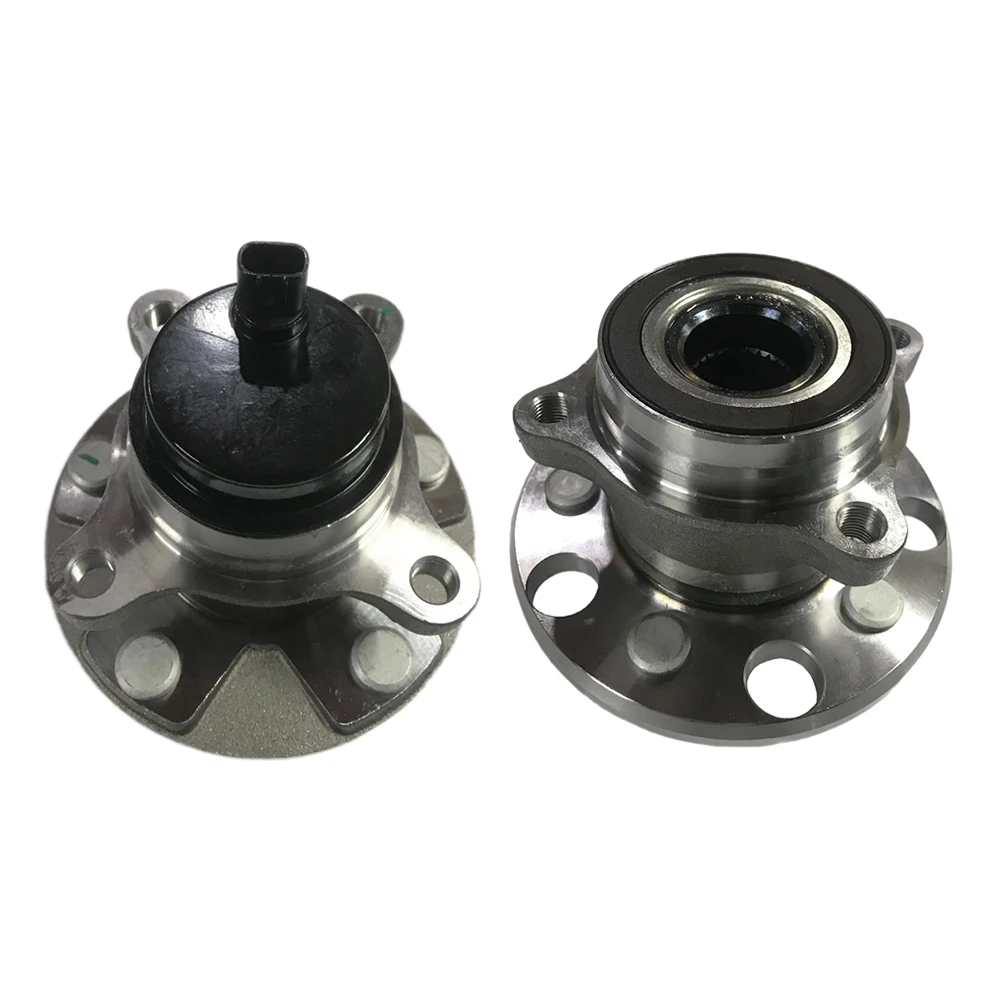
The complexity of modern wheel hub assemblies has evolved considerably over the past decade, incorporating advanced materials and precision engineering that directly impacts replacement costs. Vehicle manufacturers have integrated sophisticated bearing systems that require specialized tools and expertise, contributing to the overall expense of maintenance. This evolution in automotive technology means that understanding replacement costs requires a comprehensive analysis of multiple variables, from part specifications to labor requirements.
Market conditions in 2025 have created unique challenges for automotive repair costs, with supply chain fluctuations and material costs affecting the pricing structure for bearing replacements. Professional mechanics and service centers are adapting their pricing models to reflect these changes, while vehicle owners must navigate an increasingly complex landscape of options and cost considerations. The importance of accurate cost estimation has never been more critical for maintaining both vehicle safety and financial stability.
Factors Influencing Bearing Replacement Expenses
Vehicle Type and Specifications
Different vehicle categories significantly impact the overall replacement cost structure, with luxury vehicles typically requiring premium components and specialized labor expertise. Compact cars generally have lower replacement costs due to simpler bearing assemblies and readily available parts, while SUVs and trucks often demand more robust components that command higher prices. The engineering complexity of specific vehicle models directly correlates with the time required for proper installation and the specialized tools needed for the job.
Import vehicles frequently present unique challenges that can increase labor costs, as technicians may need to source specific parts or employ non-standard procedures. European and Asian vehicles often have proprietary bearing systems that require manufacturer-specific components, potentially increasing both part costs and installation time. Understanding your vehicle's specifications is crucial for accurate cost estimation and proper planning for maintenance expenses.
Geographic Location and Market Variations
Regional differences in labor rates create substantial variations in the total cost of bearing replacement services across different markets. Urban areas typically command higher labor rates due to increased overhead costs and higher demand for automotive services, while rural locations may offer more competitive pricing but potentially limited parts availability. Metropolitan markets often provide more options for parts sourcing, which can create competitive pricing for components while maintaining higher service fees.
Seasonal fluctuations also influence pricing patterns, with winter months often seeing increased demand for bearing services due to harsh weather conditions accelerating wear. Summer months may offer more favorable pricing as service centers compete for business during traditionally slower periods. Regional economic factors, including local wages and business operating costs, create distinct pricing environments that vehicle owners must consider when budgeting for repairs.
Component Cost Analysis and Market Trends
Original Equipment Manufacturer versus Aftermarket Parts
The choice between OEM and aftermarket components represents one of the most significant cost variables in bearing replacement decisions. Original equipment manufacturer parts typically cost 30-50% more than aftermarket alternatives but offer guaranteed compatibility and often extended warranty coverage. Quality aftermarket parts can provide substantial savings while maintaining acceptable performance standards, though careful selection is essential to avoid premature failure issues.
Premium aftermarket brands have developed sophisticated manufacturing processes that rival OEM quality while offering competitive pricing structures. These alternatives often provide enhanced features or improved materials that can exceed original specifications, potentially offering better long-term value despite higher initial costs. Evaluating the total cost of ownership, including potential warranty coverage and expected service life, is crucial when comparing component options.
Supply Chain Impact on Pricing
Global supply chain dynamics have fundamentally altered the automotive parts market, creating price volatility and availability challenges that directly affect bearing replacement costs. Manufacturing disruptions and raw material shortages have contributed to increased component prices and extended lead times for specific parts. Understanding these market forces helps vehicle owners make informed decisions about timing their repairs and selecting appropriate components.
Distribution networks and inventory management systems have adapted to these challenges by implementing dynamic pricing models that reflect real-time market conditions. Parts availability can fluctuate significantly based on manufacturing schedules and shipping logistics, potentially affecting both pricing and service timing. Building relationships with reliable suppliers and service providers becomes increasingly important for managing these market variables effectively.
Labor Costs and Service Complexity
Technical Expertise Requirements
Modern bearing replacement procedures demand specialized knowledge and equipment that directly influences labor costs and service quality. Technicians must understand complex hub assemblies, ABS sensor integration, and proper torque specifications to ensure safe and reliable installations. The level of expertise required has increased significantly as vehicle systems have become more sophisticated, necessitating ongoing training and certification programs for service professionals.
Diagnostic procedures have become more comprehensive, requiring advanced tools to properly assess bearing condition and identify related system issues. Pre-installation inspection protocols help identify potential complications that could affect cut car bearing replacement cost and ensure complete repair solutions. Investment in proper diagnostic equipment and training represents a significant overhead cost that service providers must incorporate into their pricing structures.
Time Investment and Efficiency Factors
Service time requirements vary considerably based on vehicle design, component accessibility, and potential complications discovered during the replacement process. Standard bearing replacement procedures typically require 2-4 hours of labor, though complex installations or corroded components can extend this timeframe significantly. Efficiency improvements through specialized tools and streamlined procedures help control labor costs while maintaining service quality standards.
Shop efficiency factors, including workflow organization and technician scheduling, directly impact the final cost structure for bearing replacement services. Well-organized service facilities can minimize downtime and optimize resource utilization, potentially offering more competitive pricing while maintaining quality standards. Understanding how different service providers approach efficiency can help vehicle owners identify the best value for their specific needs and requirements.
Cost-Effective Strategies and Planning
Preventive Maintenance Approaches
Implementing proactive maintenance strategies can significantly reduce the overall cost of bearing replacement by extending component life and preventing catastrophic failures. Regular inspection protocols help identify early warning signs of bearing wear, allowing for planned replacement before emergency situations arise. Early intervention typically reduces both parts and labor costs by avoiding damage to related components and eliminating the premium costs associated with emergency repairs.
Monitoring driving conditions and adjusting maintenance schedules accordingly helps optimize bearing life and reduce replacement frequency. Vehicles operated in harsh environments or heavy-duty applications may require more frequent inspections and earlier replacement to maintain safety and reliability standards. Understanding your specific usage patterns enables more accurate cost planning and helps identify the most cost-effective maintenance intervals for your situation.
Service Provider Selection Criteria
Choosing the right service provider involves balancing cost considerations with quality assurance and reliability factors that affect long-term satisfaction. Established service centers with specialized equipment and experienced technicians may command higher rates but often provide superior results and warranty coverage. Independent mechanics can offer competitive pricing while maintaining quality standards, though careful evaluation of their capabilities and reputation is essential.
Warranty coverage and service guarantees represent important value factors that extend beyond initial cost considerations. Comprehensive warranty programs provide protection against premature failure and ensure proper remedy if issues arise after installation. Evaluating the total value proposition, including warranty terms and service support, helps identify providers that offer the best long-term value for bearing replacement services.
FAQ
What is the average cost range for bearing replacement in 2025
Typical bearing replacement costs range from $150 to $600 per wheel, depending on vehicle type, location, and component selection. Luxury vehicles and specialized applications can exceed this range, while economy cars often fall toward the lower end. Labor costs typically account for 40-60% of the total expense, with geographic variations creating significant price differences across different markets.
How can I reduce bearing replacement costs without compromising quality
Consider high-quality aftermarket components that offer substantial savings compared to OEM parts while maintaining performance standards. Shop around for competitive labor rates and look for service centers that offer package deals or promotional pricing. Timing repairs during slower business periods can sometimes result in better pricing, and building relationships with trusted mechanics may provide access to preferred customer rates.
What warning signs indicate that bearing replacement is necessary
Common symptoms include unusual noise during turning or acceleration, vibration in the steering wheel or seat, and uneven tire wear patterns. Grinding or humming sounds that change with vehicle speed often indicate advanced bearing wear that requires immediate attention. Any noticeable looseness in the wheel or changes in vehicle handling should be investigated promptly to prevent safety issues and more extensive damage.
How long should quality wheel bearings last under normal conditions
Well-maintained wheel bearings typically last 85,000 to 100,000 miles under normal driving conditions, though this can vary based on vehicle type and usage patterns. Harsh driving conditions, including frequent towing, off-road use, or exposure to salt and moisture, can significantly reduce bearing life. Regular maintenance and prompt attention to warning signs help maximize bearing life and prevent premature replacement needs.